


In a sudden courtroom turn, prosecutors conceded that the final indictment facing former FBI director James Comey was never shown to the full grand jury. The admission came during a hearing in which the defense urged the presiding judge to dismiss the federal case, arguing that the indictment process was procedurally invalid and politically motivated.
What unfolded inside the courthouse
Katelyn Polantz, reporting from outside the federal courthouse, described a scene that stunned everyone present. The judge asked a pointed question about the grand jury record and whether the “operative indictment” had been presented to the entire grand jury. A prosecutor standing at counsel acknowledged that it had not been shown to the full panel. When asked again, interim U.S. Attorney Lindsey Halligan confirmed that the final charging document had been signed by the grand jury foreperson in open court rather than returned by the full grand jury.
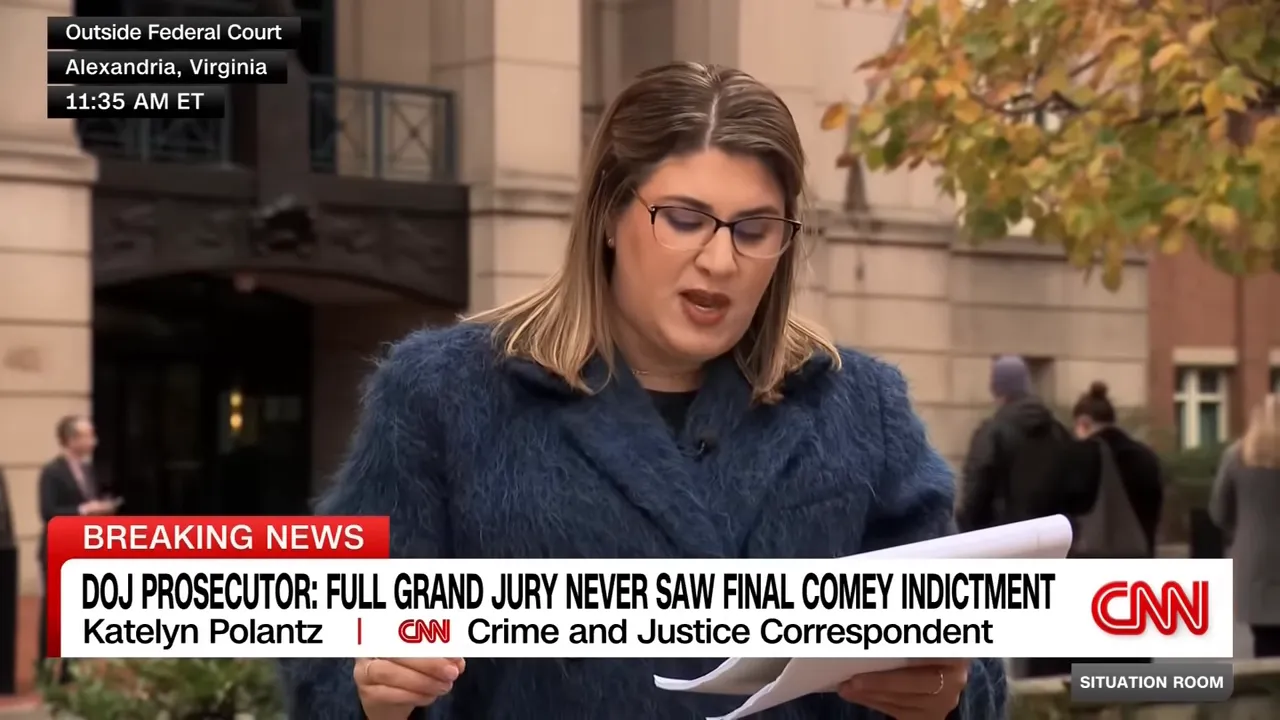
“The operative indictment in this case was never shown to the entire grand jury.”
Defense counsel Michael Dreeben immediately argued that, on that basis alone, the indictment should be considered invalid and the case dismissed. The judge did not hand down a final ruling but set deadlines for additional written arguments and asked both sides to research relevant case law from other districts.
Why that admission is legally consequential
The grand jury process protects defendants by ensuring that a full jury of citizens reviews the evidence before formal charges are returned. When an indictment is not presented and returned in the customary manner, it raises foundational questions about the validity of the prosecution. Legal observers called the moment “gobsmacking,” noting that courtroom silence followed the prosecutor’s admission and that the judge kept revisiting the issue for the remainder of the hearing.
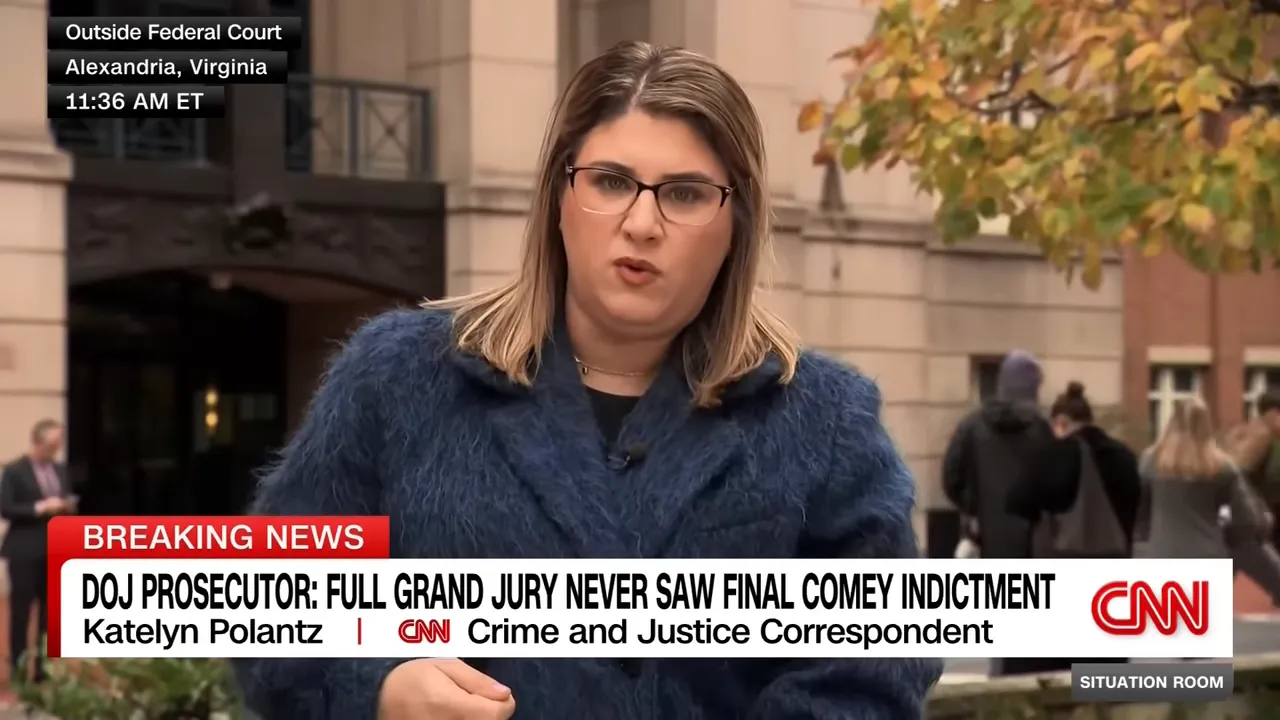
In practical terms, an improperly returned or unsigned indictment can be grounds for dismissal. The defense is pressing that argument now, saying the irregularity decisively undercuts the government’s case.
Claims of selective and vindictive prosecution
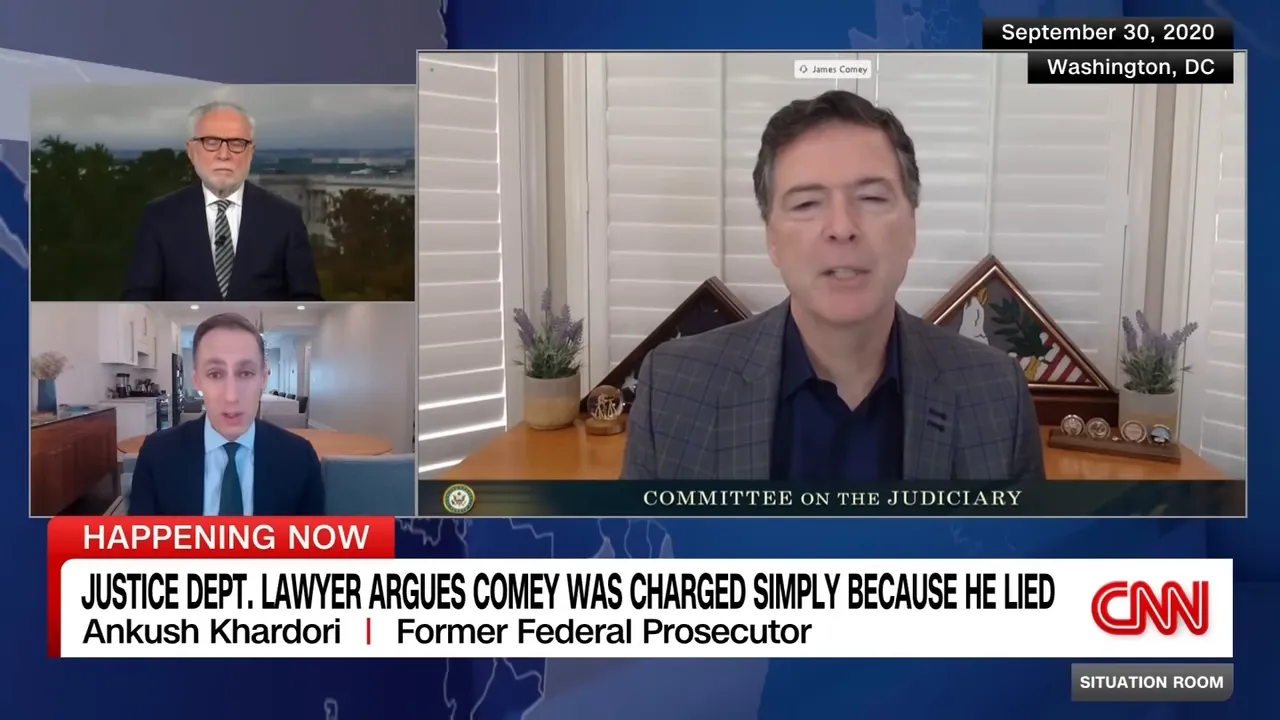
Beyond the procedural irregularity, Comey’s lawyers have framed the prosecution as the product of selective and vindictive motives, pointing to a long trail of public statements by former President Donald Trump calling for Comey to be charged. The defense submitted extensive public postings and communications to show a pattern of targeting whenever Comey criticized the former president.
Ankush Khardori, a former federal prosecutor and senior writer at Politico Magazine, explained that the arguments fall into two legal theories:
- Selective prosecution — the claim that Comey was singled out while similarly situated individuals were not prosecuted.
- Vindictive prosecution — the claim that prosecution was brought in retaliation for Comey’s protected speech criticizing the president.
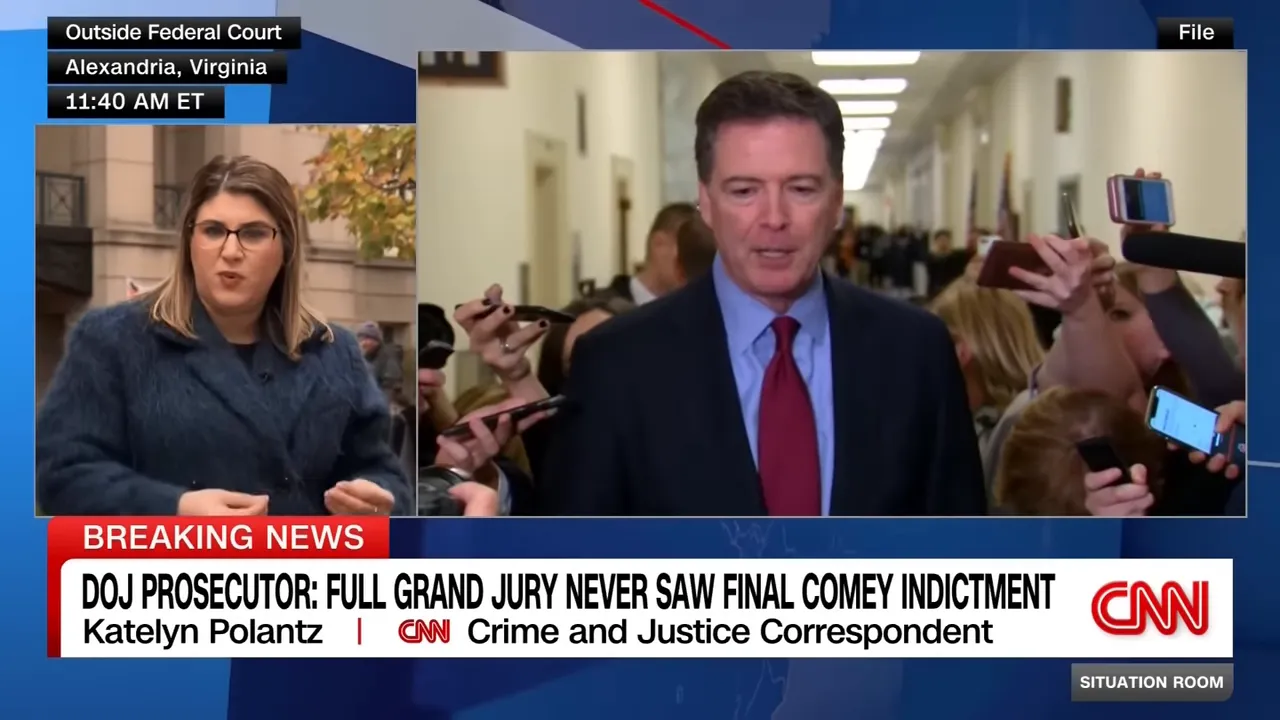
Khardori noted these defenses are difficult to win, but he described Comey’s factual record as unusually strong: voluminous public posts and an atypical prosecution pathway that involved replacing an earlier prosecutor and installing Halligan to move the case forward.
Possible legal paths forward
The hearing left several questions unresolved but illuminated potential outcomes:
- If the judge dismisses the indictment as invalid, the Department of Justice could attempt to refile charges under a statutory provision that may grant an extension of about six months in some circumstances. The applicability of that rule here is uncertain and would itself likely be litigated.
- If the dismissal is based on a finding that Halligan was not validly appointed, that would present a separate avenue for the defense and could block refiling on administrative grounds.
- If the judge declines to dismiss, the case would proceed while the defense continues to press claims of selective and vindictive prosecution through motions and factual development.
How this sits alongside other politically charged prosecutions
The Comey case has been compared to other high-profile matters, including actions involving New York Attorney General Letitia James. Khardori observed similarities in the arguments about appointment authority and selective prosecution, but he also noted differences: Comey has a more robust public record to support claims of political targeting, while other defendants may have distinct procedural or statute of limitations issues.
What to watch next
The court ordered written submissions on the grand jury question and other motions, and analysts expect intense briefing from both sides. Key points to monitor include whether the judge finds the indictment defective, whether the DOJ seeks a limited refiling window, and whether the appointment of Halligan will itself be subject to a ruling that affects the indictment’s validity.
The admission that the full grand jury never saw the final charging document is a rare setback for a federal prosecution and reshapes the litigation landscape surrounding Comey.
Credit and source
Report adapted from coverage by CNN Channel
Adapted for readers by #teamHJB of ReelToRead.com — turning great videos into even better reads.

Be the first to comment