

17 Signs of Kidney Disease You Can See: Insights from a Doctor
 Your skin, nails, and even your breath can reveal crucial clues about the health of your kidneys. Kidney disease is more common than many realize and often hides in plain sight. Shockingly, up to 90% of people with chronic kidney disease (CKD) are unaware they have it. Detecting kidney disease early is vital because it allows us to treat the root causes and prevent further damage.
Let’s explore the top seventeen signs of chronic kidney disease that could save your kidneys—and your life.
Understanding Your Kidneys: More Than Just Filters
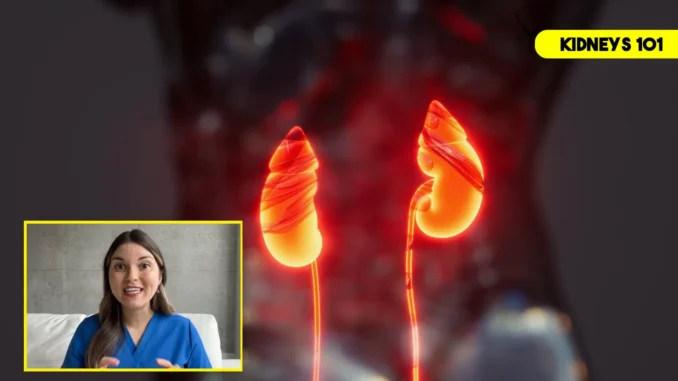
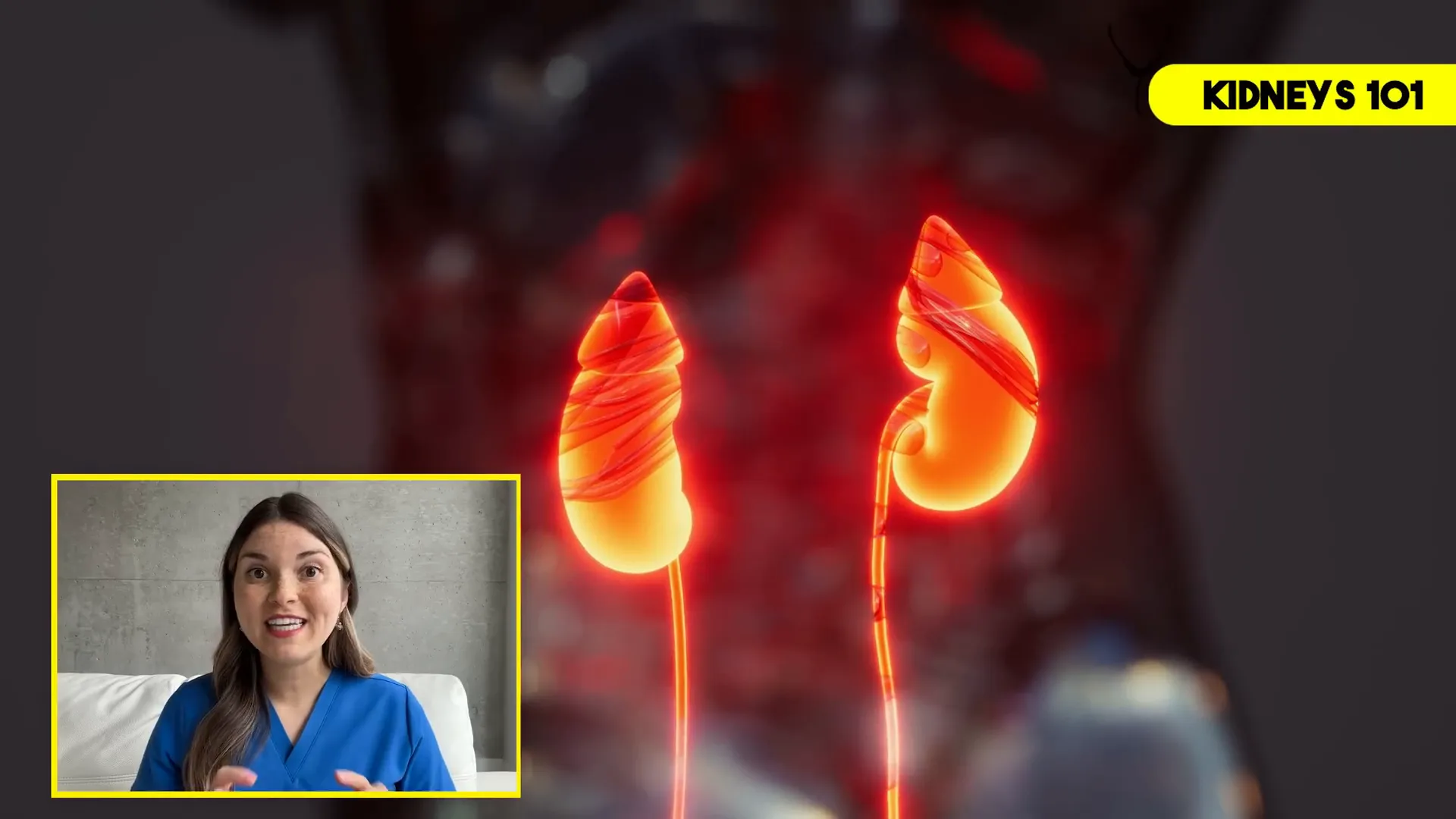
Your kidneys are two bean-shaped organs located on either side of your lower back, just under your ribs. While most people think of kidneys as filters that remove toxins from your blood and expel them through urine, their role is much broader and more sophisticated.
- They regulate salt, potassium, and other electrolytes.
- They balance acid levels in your blood.
- They control your hemoglobin levels.
- They help maintain bone health.
Given these critical functions, how can you tell if your kidneys are struggling? Let’s dive into the signs.
1. Foamy Urine: A Soap-Like Sign
Not all bubbles in urine are concerning, but persistent, dense white foam that resembles the head on a beer glass is a warning sign. This foam indicates that albumin, a protein normally found in your blood, is leaking into your urine.
Inside your kidneys, tiny filters called glomeruli, each made up of a bundle of narrow blood vessels, work to retain proteins like albumin in the bloodstream. Podocytes, specialized cells with tiny tentacles, create a living filter. However, damage from high sugar levels, high blood pressure, or toxins can flatten these tentacles, creating gaps that allow albumin to escape.
 Albumin’s soap-like structure causes the foamy urine. Seeing this consistently warrants further testing.
2. Swelling (Pitting Edema)
Try this quick test: gently press your thumb into the lower shin bone for about five seconds. If an indent remains, it’s called pitting edema, a sign of fluid buildup in your tissues.
When albumin leaks into urine, its blood levels drop. Albumin helps hold fluid inside blood vessels via osmosis. Without enough albumin, fluid leaks out into tissues, causing swelling—often in the legs, feet, or around the eyes.
Despite swelling, your blood vessels actually have less circulating fluid. Your kidneys interpret this as dehydration and retain salt and water, worsening the swelling in a vicious cycle. Severe cases can cause fluid buildup in the lungs, leading to breathing difficulties.
While some leg swelling is normal after standing all day, persistent swelling or swelling around the eyes should prompt a kidney check-up.

3. Nocturia: Peeing at Night
A common myth is that frequent urination means healthy kidneys. In reality, kidney quality matters more than quantity. The first kidney function to decline is the ability to concentrate urine, especially noticeable at night.
Your kidneys normally produce concentrated urine overnight, helped by a hormone called ADH. If you find yourself waking multiple times at night to urinate—a condition called nocturia—it could be an early sign of kidney disease.

4. Half and Half Nails
Look closely at the color of your nails. It’s normal for the thumb nail to have two colors: a lighter lunula (“little moon”) at the base, representing growing nail.
However, in chronic kidney disease, nails may display a distinct two-tone appearance where the half closer to the cuticle is white, and the other half is reddish-brown. These “half and half” nails are strongly associated with kidney disease, though not everyone with CKD has them.

5. Calcinosis Cutis: Calcium Deposits in the Skin
Kidneys regulate phosphate, a mineral found in food. When kidneys fail to eliminate excess phosphate, blood levels rise, causing phosphate to bind with calcium and form calcium phosphate crystals.
When these crystals deposit in the skin, they cause hard, painless yellowish bumps called calcinosis cutis. Occasionally, these bumps break open, releasing a toothpaste-like paste of calcium phosphate.
This condition is also seen in autoimmune diseases like scleroderma and dermatomyositis.

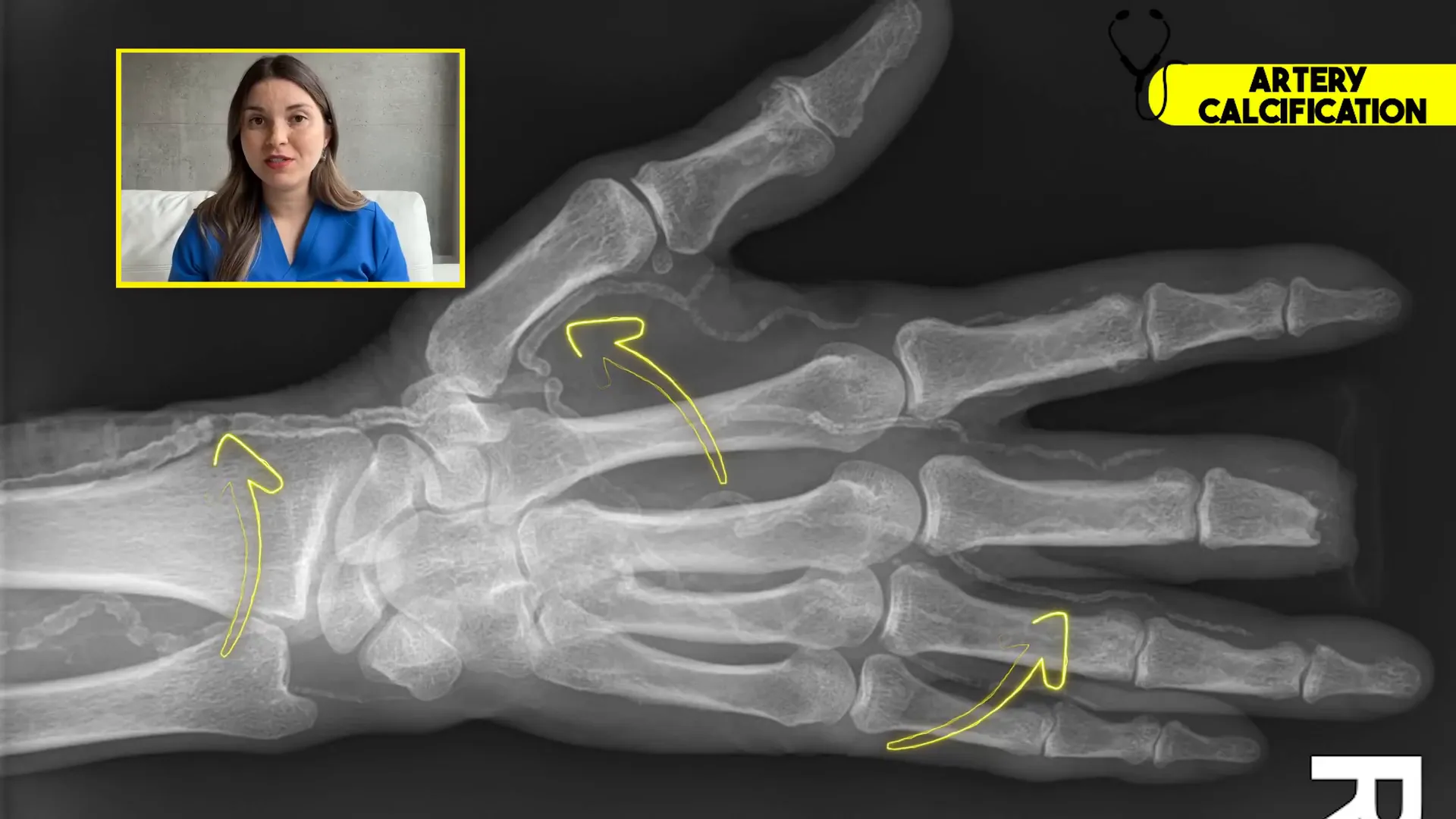
6. Artery Calcification: Hardening of Blood Vessels
Calcium phosphate crystals can deposit inside blood vessels, causing a dangerous condition called calciphylaxis, which blocks blood flow and can be fatal.
Even more subtly, phosphate causes artery smooth muscle cells to behave like bone cells, depositing calcium phosphate in artery walls. This hardens the arteries, making them feel like a guitar string under the skin and visible on X-rays.
7. Muscle Cramps
High phosphate leads to low calcium levels because your body tries to regulate balance by preventing vitamin D activation. Low calcium, low magnesium, and blood acidity can all cause painful muscle cramps, especially at night.
If you experience unexplained muscle cramps without a new exercise routine, check your kidney function and electrolyte levels.

8. Osteoporosis and Height Loss
Low calcium triggers parathyroid hormone to break down bone to release calcium into the blood. Over time, this weakens bones, causing osteoporosis and increasing fracture risk.
Height loss of a few inches or fractures from minor falls (especially wrist, spine, or hip) are red flags for bone weakening linked to kidney disease.

9. Itchy Skin
Uremia, the buildup of toxins in the blood due to kidney failure, can cause relentless itching, often worse at night. Toxins irritate the skin and activate itch receptors, making nerve endings hypersensitive. They can even affect brain circuits, causing chronic itchiness.
Itchy skin can sometimes be the first symptom of kidney disease, as in the case of a 57-year-old man who scratched his skin raw before diagnosis.

10. Restless Leg Syndrome
Restless leg syndrome causes an overwhelming urge to move your legs, especially when lying still at night. It’s linked to low brain iron and dopamine levels.
Kidney toxins cause inflammation, raising hepcidin levels—a hormone that traps iron in storage and reduces absorption from food. This chronic iron deficiency triggers restless leg symptoms.
Difficulty sleeping for any reason should prompt a kidney check.

11. Metallic Taste and Uremic Breath
Uremic toxins in the blood can enter saliva, where bacteria convert them into ammonia and other compounds that cause a metallic taste, often described like licking a penny.
These compounds also cause bad breath that smells like urine, known as uremic fetor.

12. Loss of Appetite, Nausea, and Weight Loss
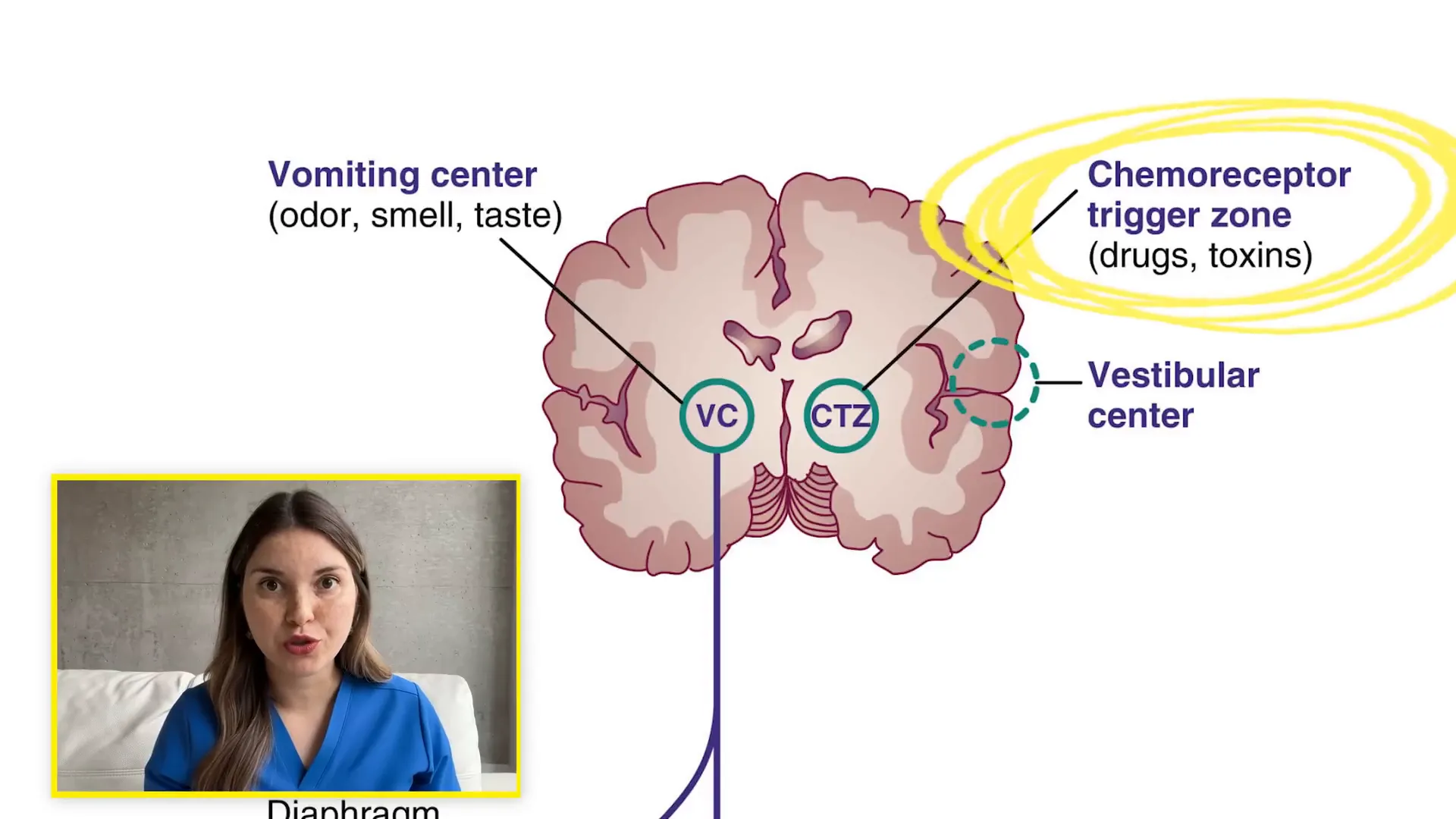
Uremic toxins affect the brain’s chemoreceptor trigger zone, which detects toxins and can cause nausea, vomiting, and appetite loss as a protective response.
Over time, this leads to unintentional weight loss in kidney disease patients.
13. Easy Bruising and Bleeding
Normally, platelets help stop bleeding by forming plugs at injury sites. However, uremic toxins reduce platelet stickiness, making it harder to stop bleeding.
Signs include easy bruising, bleeding gums, frequent nosebleeds, and large unexplained bruises.

14. Uremic Frost: White Powder on Skin
In advanced kidney failure, sweat can become so concentrated with urea that it leaves a fine white powder on the skin called uremic frost. This rare sign indicates severe disease and missed dialysis sessions.

15. Pericarditis: Inflamed Heart Lining
Uremic toxins can inflame the pericardium, the thin sac around the heart, causing pericarditis. Unlike other inflamed joints, the heart keeps beating against this irritated tissue, causing significant pain.
A stethoscope may pick up a characteristic scratchy sound caused by the inflamed tissue moving with the heartbeat.

16. Fatigue from Anemia
Fatigue is one of the most common complaints in CKD. Several factors contribute, including poor sleep, electrolyte imbalances, and toxin buildup.
Importantly, kidneys produce erythropoietin (EPO), a hormone that signals bone marrow to make red blood cells. Low EPO in kidney disease causes anemia, making even simple activities like climbing stairs exhausting.
Fortunately, synthetic injectable EPO can help reverse anemia in many patients.
17. No Symptoms at All
Chronic kidney disease is classified into five stages, with stage one being mild and stage five often requiring dialysis. Many people do not notice symptoms until stage three or later.
Early detection often occurs incidentally through blood or urine tests. This highlights the importance of prevention, regular check-ups, and awareness of risk factors.
Prevention and Common Causes
Many factors can harm your kidneys. The most common culprits are diabetes and high blood pressure—two conditions that are often preventable and manageable with proper care.
Another increasingly common cause is the overuse of over-the-counter medications like ibuprofen and naproxen. These drugs can damage kidneys, stomach, and heart when used chronically. It’s important to use them sparingly and consult your doctor about kidney function if you use them regularly.
Final Thoughts
Your kidneys are remarkable organs that do much more than filter waste. Recognizing the visible signs of kidney disease can lead to earlier diagnosis and treatment, protecting your health and quality of life.
If you’re motivated to take charge of your kidney health, consider learning more about natural ways to manage blood pressure and other lifestyle strategies.
Stay curious, stay healthy, and take good care of your kidneys—they truly deserve it.

Be the first to comment