


Colorado Mom Suzanne Morphew’s Husband Arrested for Her Murder for the Second Time
 On June 20, 2025, Barry Morphew, the husband of Colorado mother Suzanne Morphew, was arrested once again for first-degree murder in connection with her disappearance and presumed death over five years ago. Suzanne Morphew vanished on Mother’s Day, May 10, 2020, after leaving for a bike ride near their home in Salida, Colorado. What followed was a nationwide search, a complex investigation filled with twists, and a case that continues to captivate true crime followers. This article delves into the details surrounding Suzanne’s disappearance, the evidence against Barry Morphew, and the ongoing quest for answers.
The Disappearance: A Mother’s Day Mystery
Suzanne Morphew, a 49-year-old mother of two daughters, was last seen on May 9, 2020, when she left home for a mountain bike ride. Known as an active, physically fit woman who enjoyed the Colorado mountains, Suzanne appeared to have a happy family life with her husband Barry and their daughters. However, beneath the surface, tensions simmered.
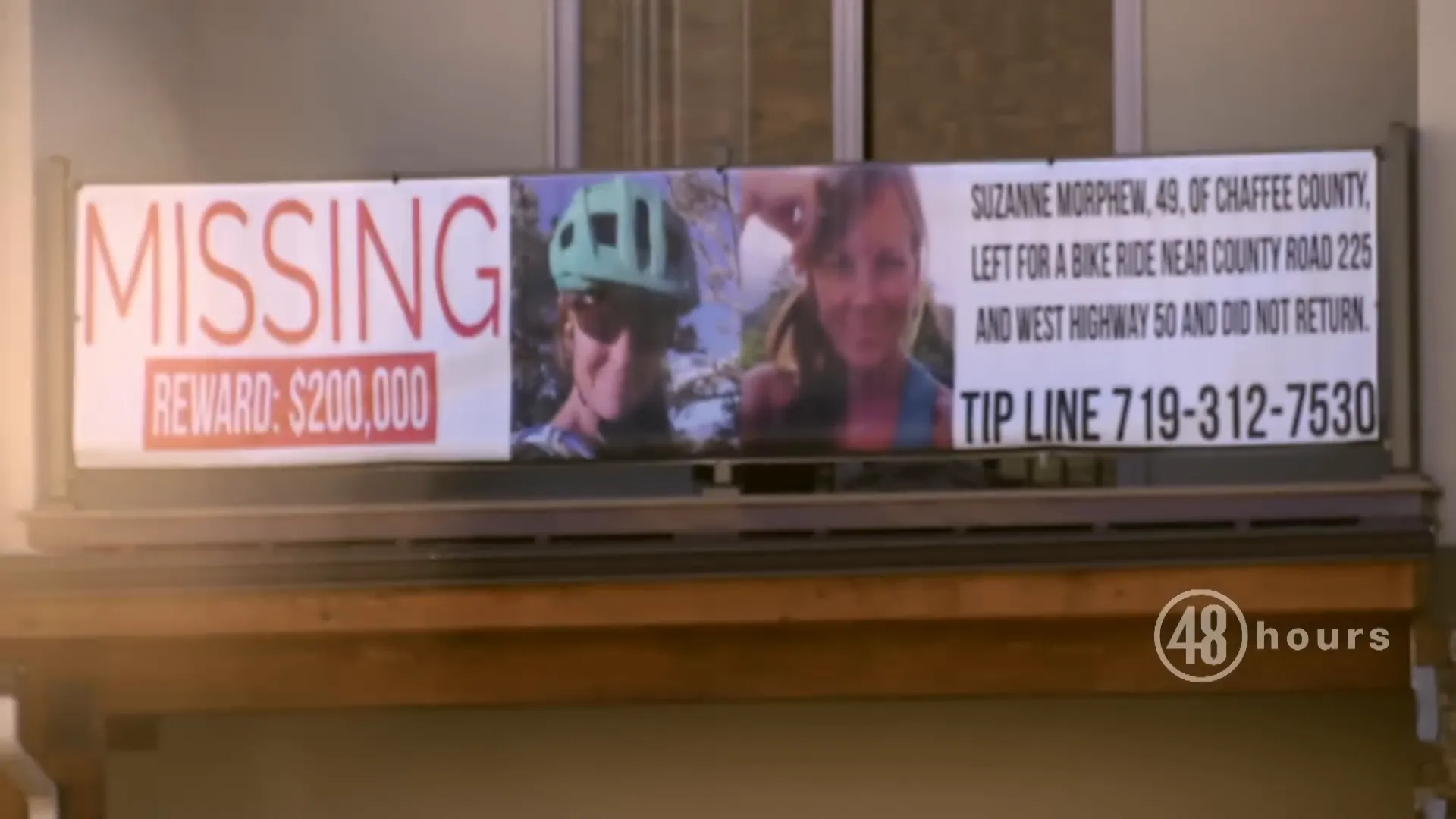 Barry Morphew, a business owner and avid hunter, recounted that on the evening of May 9, he and Suzanne had a pleasant dinner, were intimate, and went to bed together. The next morning, May 10—Mother’s Day—Barry left early for work, leaving Suzanne asleep in their bed. That day, their daughters were away on a camping trip, a fact family members found unusual given that Suzanne had no other plans.
When Barry tried to reach Suzanne by text to wish her a happy Mother’s Day, he received no response. Concern grew when neighbors reported Suzanne’s car was parked at home but she was nowhere to be found. Barry suggested checking for her mountain bike, but the neighbor could not locate it.
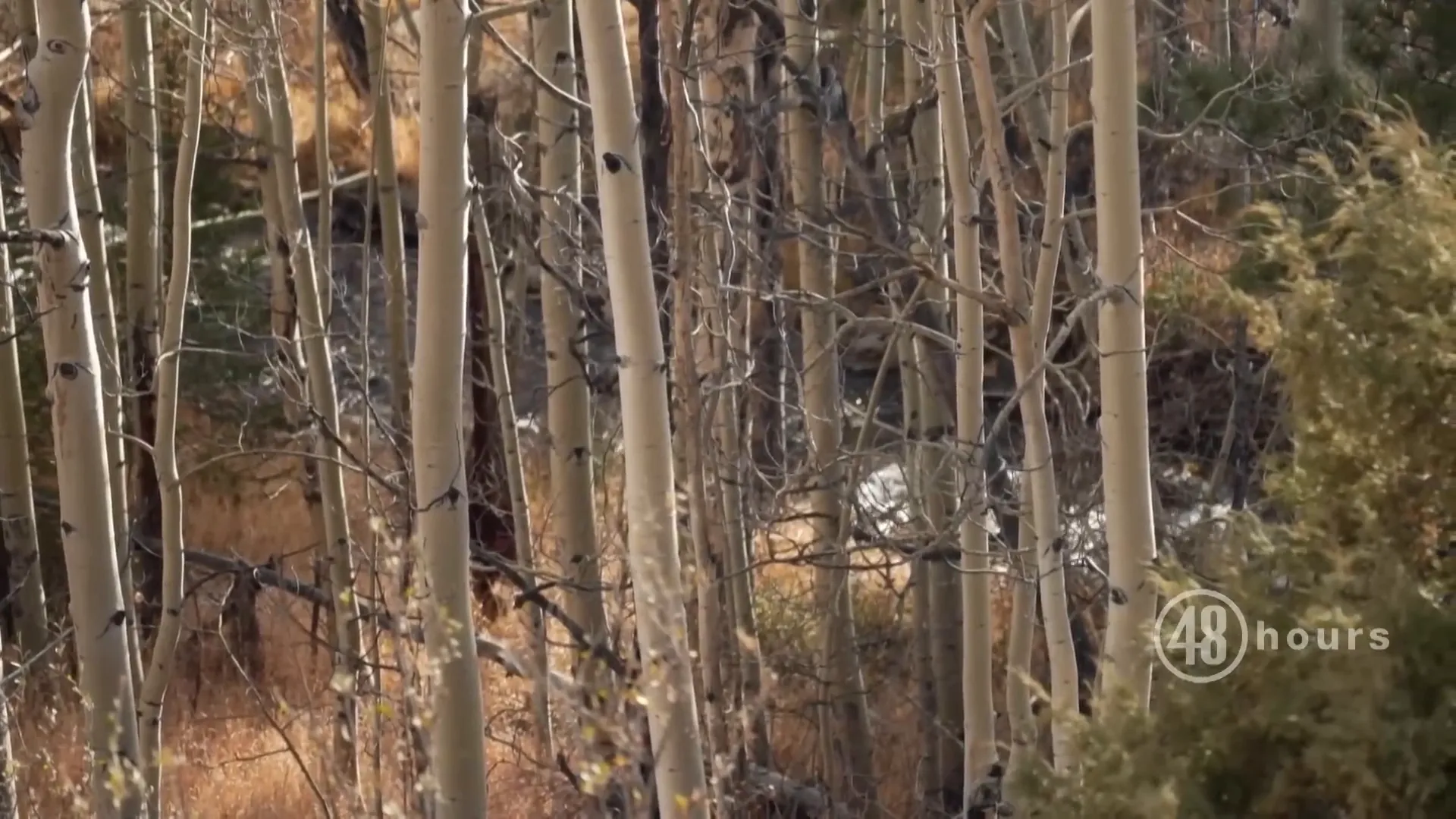 Law enforcement soon found Suzanne’s mountain bike at the bottom of a ravine near their home, sparking fears of kidnapping. A search of the area, including waterways, followed with no sign of Suzanne herself.
The Spy Pen Revelation: A Secret Affair Uncovered
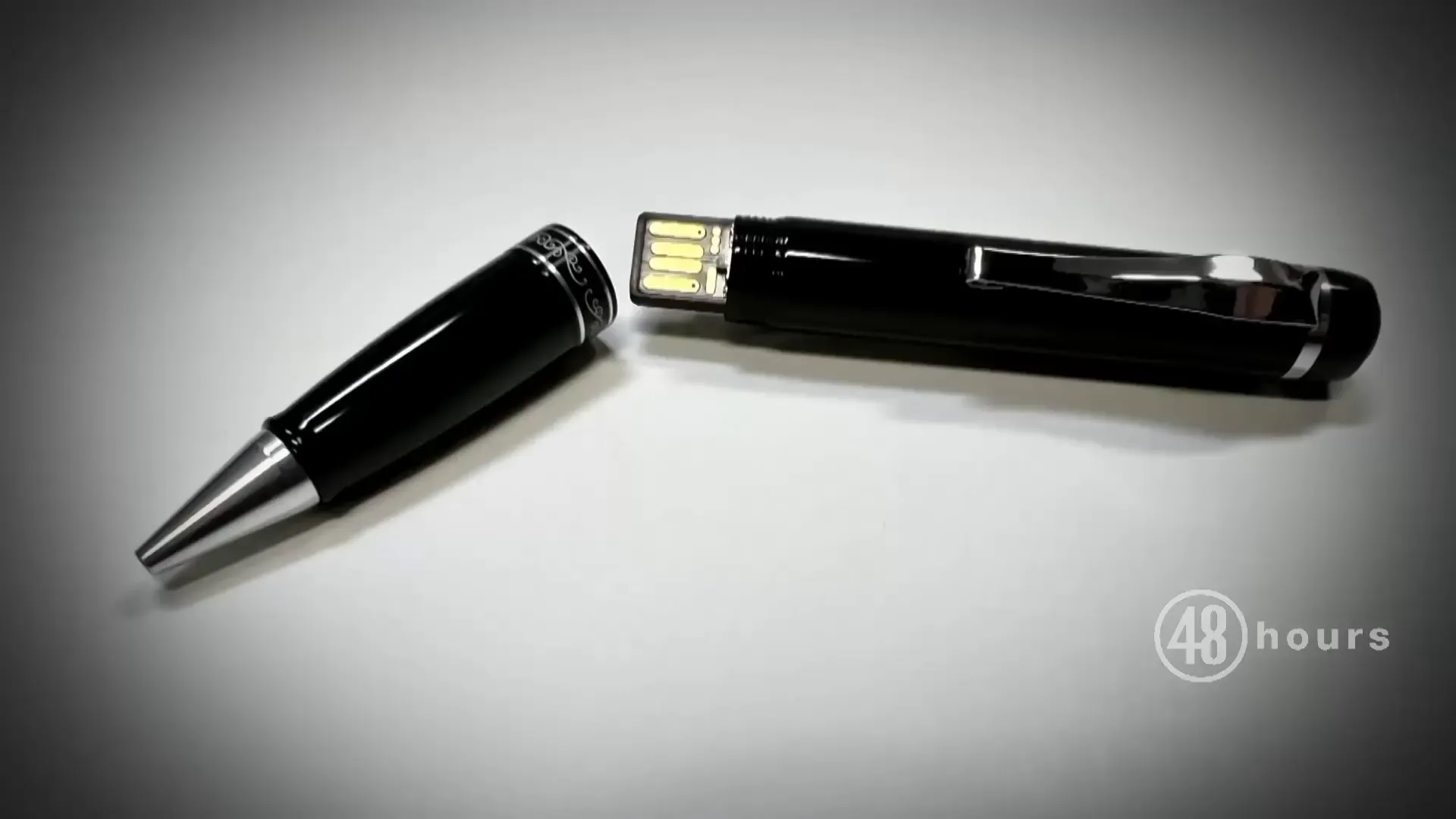
About ten days into the investigation, a surprising discovery was made in the Morphew home—a spy pen. This seemingly ordinary pen was actually a recording device, given to Suzanne to catch Barry in an affair. Instead, it revealed a secret of her own: a clandestine relationship with a man named Jeff.
 Jeff Libler, as he was later identified, lived in Michigan with a wife and six children. He and Suzanne had a brief fling after high school, and decades later reconnected via Facebook after Suzanne and Barry moved to Colorado in 2018. Their nearly two-year affair involved daily communication, secret meetings, intimate photos, and talk of leaving the country together—possibly to Ecuador.
Despite the affair, Jeff was cleared as a suspect after investigators verified his alibi for the day Suzanne disappeared. Barry, on the other hand, denied any knowledge of the affair when confronted.
Suspicious Circumstances and Contradictory Evidence
Investigators grew skeptical of Barry’s story as they uncovered inconsistencies and suspicious behavior. Notably, Barry’s cell phone showed unusual activity around his house on the afternoon Suzanne vanished, with pings suggesting he was moving around outside. When asked about this, Barry claimed he was shooting chipmunks—a claim that became known as the “chipmunk alibi.” However, no evidence supported the presence of any such shootings.
Further complicating the case, investigators examined Barry’s Ford truck using digital vehicle forensics, a relatively new investigative technique capable of extracting detailed data from a vehicle’s onboard computers. The truck’s data contradicted Barry’s timeline, showing movement during times he claimed to be asleep or away.
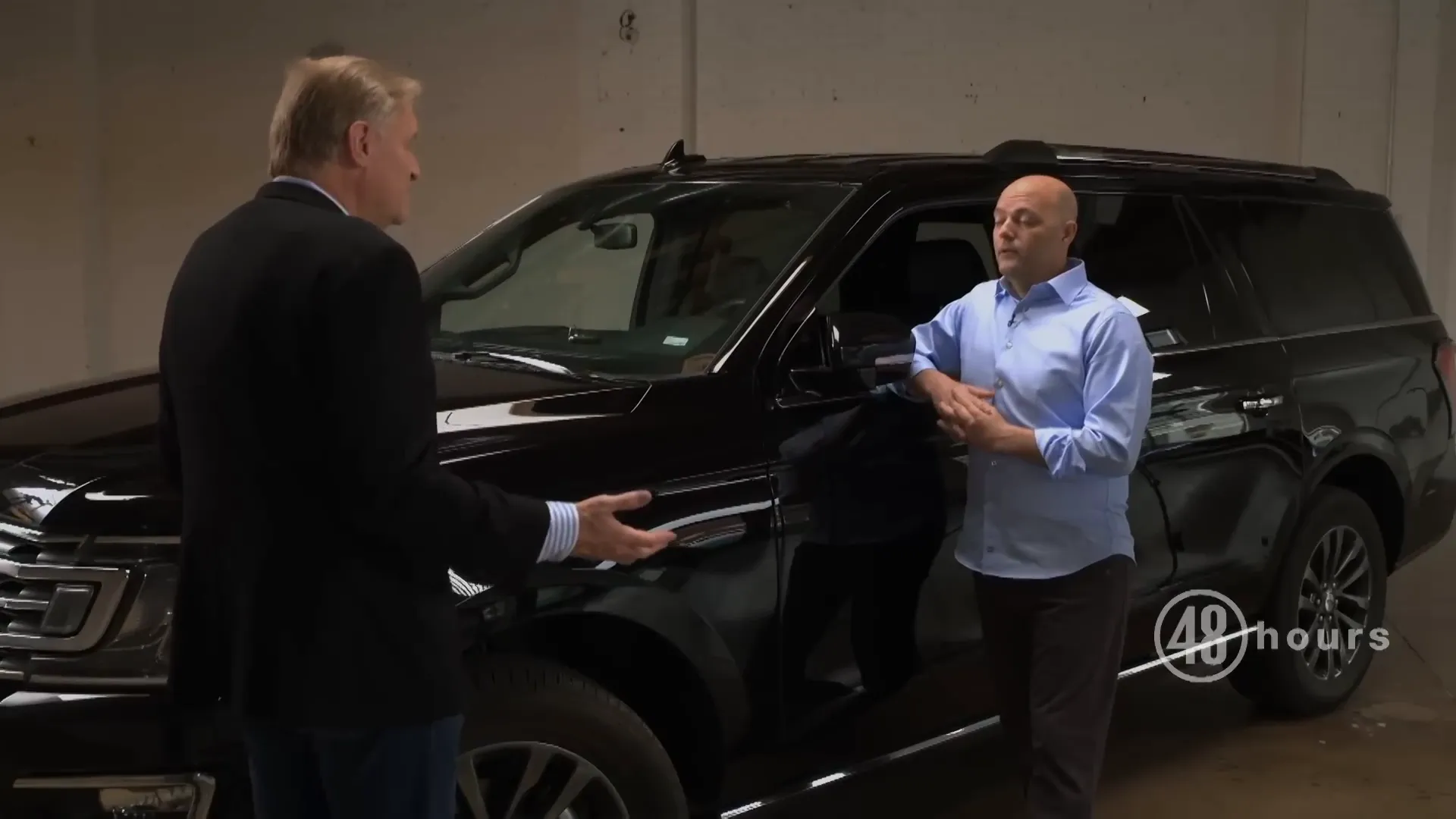 Between 2:47 PM and 10:17 PM on May 9, Barry’s phone was in airplane mode, making him untraceable. During this time, Barry’s truck was active, and investigators believe this period was when Suzanne was killed and her body disposed of. Later, Barry made multiple stops to dispose of items, including a shovel, in various dumpsters around the Denver area—actions he claimed were simply to avoid landfill fees.
Evidence of a Violent Confrontation
Adding to the suspicion were disturbing texts from Suzanne to a close friend, revealing her fear and unhappiness in her marriage. She described Barry as emotionally and physically abusive and expressed a desire to leave. A deleted text from Suzanne to Barry days before her disappearance read, “I’m done. I could care less what you’re up to and have been for years. We just need to figure this out civilly.”
Prosecutors theorized that Barry, unable to accept Suzanne’s decision to leave, killed her using a tranquilizer dart—a method he was familiar with from illegally sedating deer to remove their antlers. A clear plastic cap found in the family’s dryer was believed to be from such a syringe. Barry had admitted to using tranquilizer darts on deer, though no working rifle was found in the home.
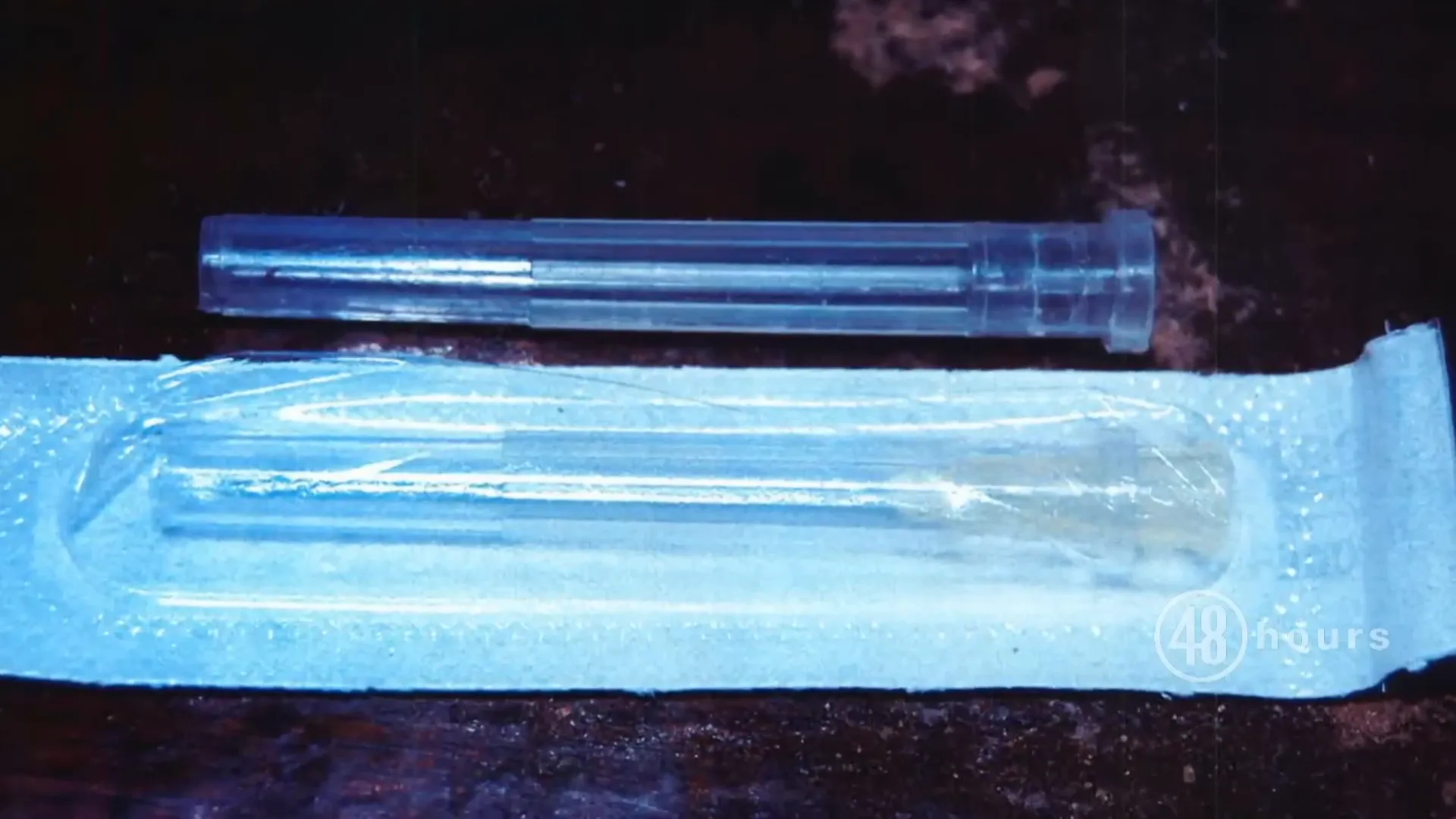 Scratches observed on Barry’s left arm further fueled the theory of a violent struggle between him and Suzanne on the day she disappeared.
The Arrest and Legal Battle
Nearly a year after Suzanne vanished, Barry Morphew was arrested in May 2021 and charged with first-degree murder, tampering with evidence, and other offenses. Despite the absence of Suzanne’s body, prosecutors presented a case built on circumstantial evidence, digital data, and behavioral analysis.
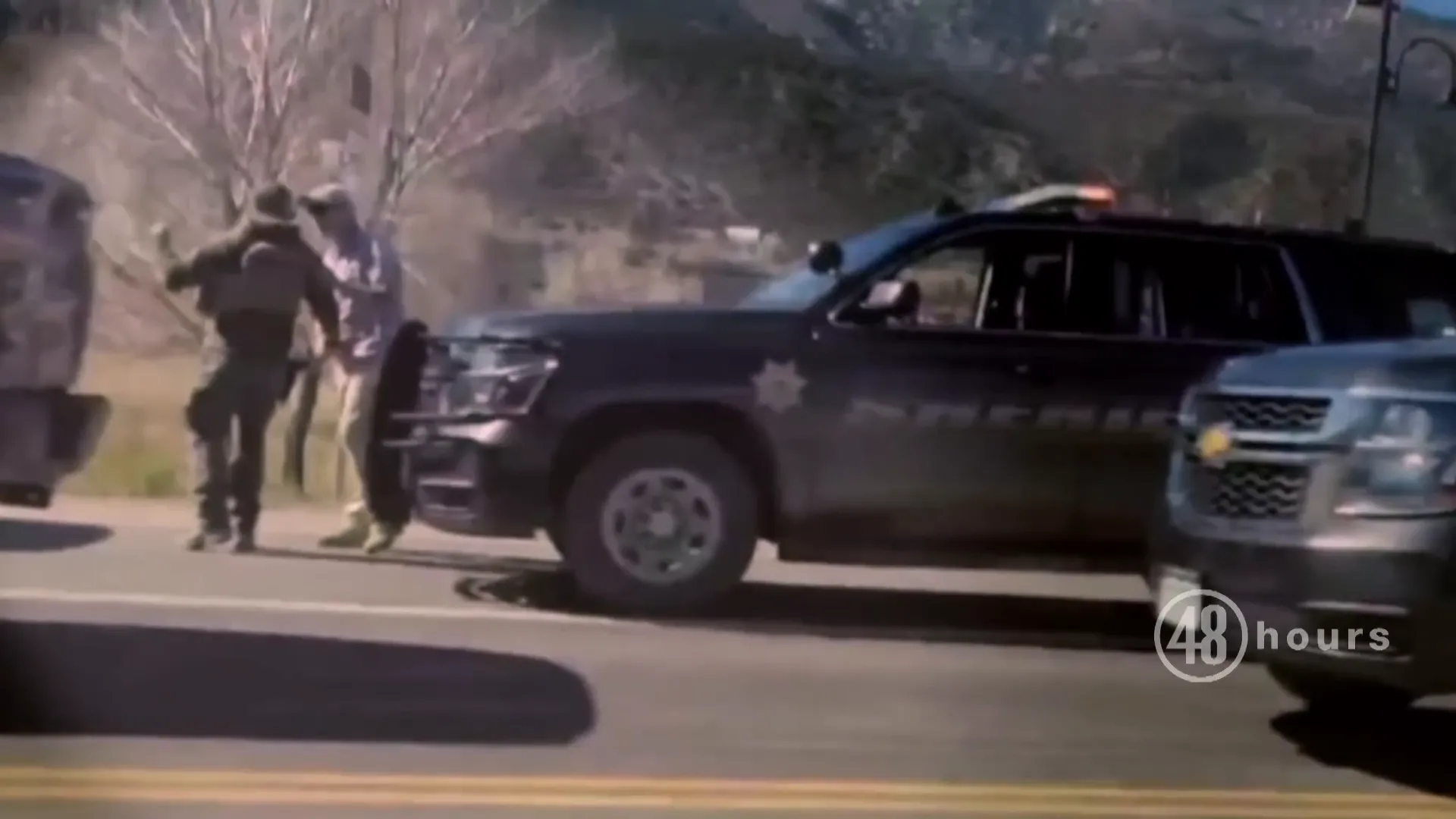 Barry pleaded not guilty and remained in jail without bail for months. The Morphew home was sealed off during the investigation, and Barry continued cooperating with law enforcement, granting dozens of interviews without a lawyer—a decision legal experts criticized.
During the preliminary hearing, the defense challenged key pieces of evidence, including the plastic cap and the chlorine smell found in Barry’s hotel room, which was later explained by hotel staff as pre-existing due to the pool above the room.
One of the most significant developments was the discovery of male DNA inside Suzanne’s Range Rover that did not belong to Barry or Jeff. This DNA partially matched a profile linked to an unknown man connected to unsolved sexual assault cases across multiple cities. This raised the disturbing possibility that Suzanne may have fallen victim to a serial predator, complicating the narrative further.
Trial Delays and Dismissal of Charges
Barry’s trial, initially scheduled for April 2022, faced delays when the presiding judge recused himself and a new judge took over. The defense filed motions accusing prosecutors of failing to provide timely discovery, including exculpatory evidence related to the unknown male DNA.
In April 2022, the judge ruled that prosecutorial negligence had compromised the case, resulting in the exclusion of fourteen prosecution witnesses, including key experts on DNA and digital forensics. This significantly weakened the state’s case.
Recognizing the challenges, District Attorney Linda Stanley filed a motion to dismiss the murder charges without prejudice in April 2022, allowing for the possibility of refiling if new evidence emerged. The motion cited the lack of crucial evidence and the victim’s body as major obstacles.
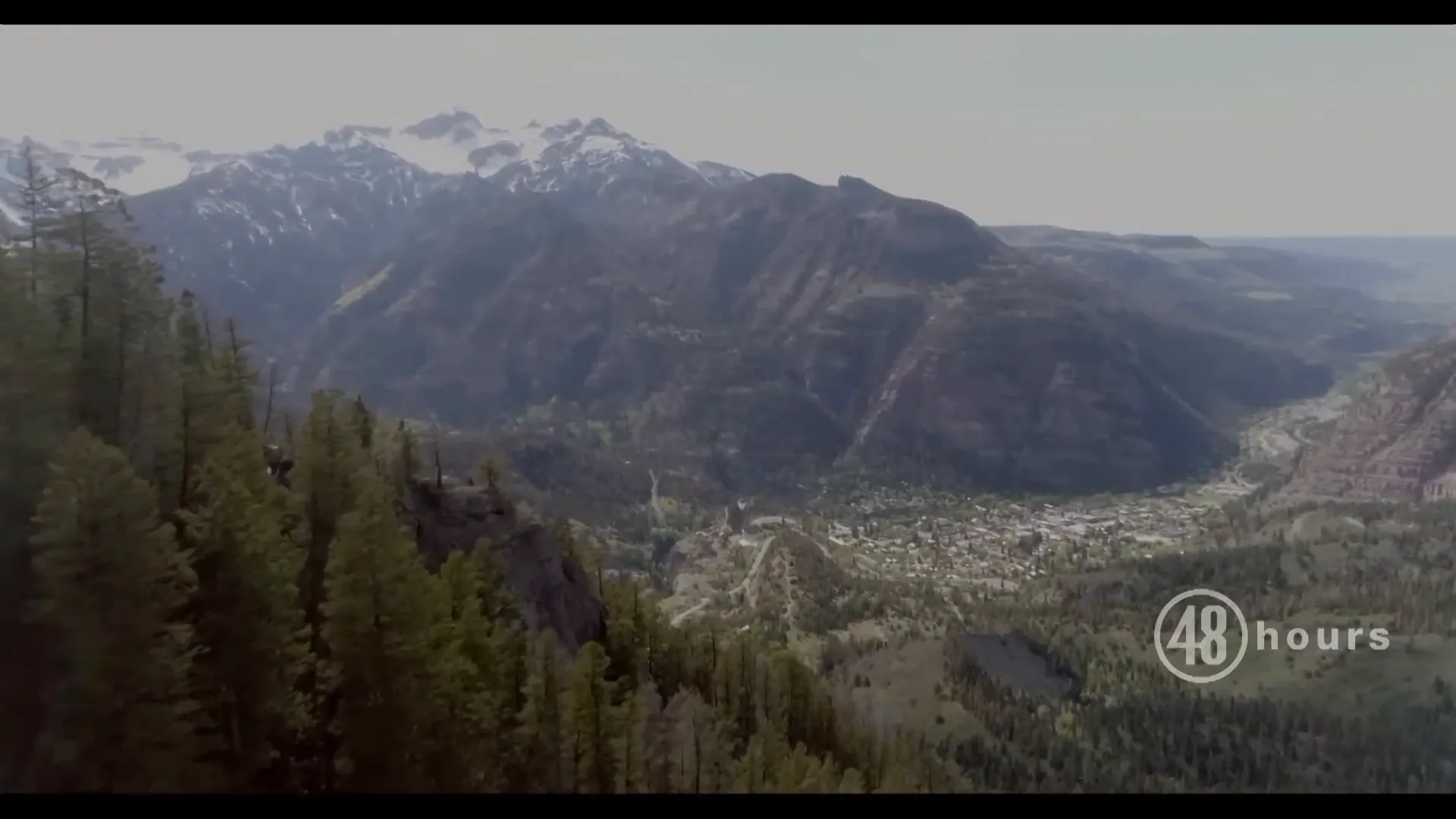
Court documents revealed that investigators believed they were close to finding Suzanne’s remains in a remote, mountainous region near the Morphew home once snow melted. The area spans over 1.1 million acres in the San Isabel National Forest, offering many potential hiding places.
What Lies Ahead?
Barry Morphew remains free pending any future charges. His defense maintains his innocence, emphasizing his love for Suzanne and his desire to know what happened to her. Meanwhile, Suzanne’s family continues to hope for answers and justice.
Melinda Morphew, Suzanne’s sister: “There are no winners in this story. There are two families who are suffering deeply.”
“Mallory, Macy, your mother would have laid down her life for you girls. She would never leave you. She would never forsake you. She loved you with her whole being.”
The case of Suzanne Morphew remains open, shrouded in mystery and unanswered questions. As investigators pursue new leads and await the right conditions to search the rugged terrain near the Morphew residence, the hope remains that someday the truth will come to light.
 For those interested in following this ongoing investigation, the story of Suzanne Morphew is a poignant reminder of how appearances can be deceiving and how the search for justice can be long and complex.
To learn more about this case and other true crime stories, stay tuned to updates from trusted investigative journalism sources.

Be the first to comment