
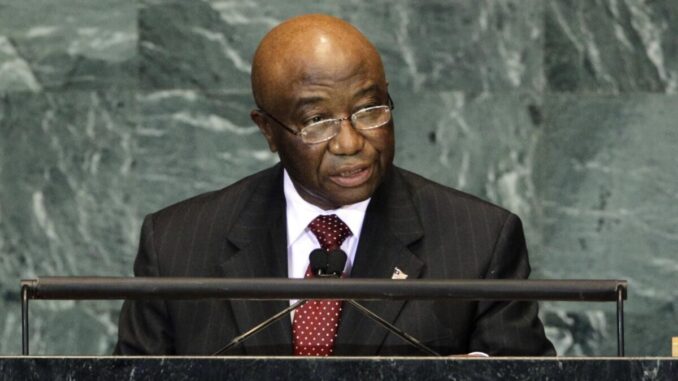

Trump Praises ‘Good English’ of Liberian President, Prompting Criticism Across Africa
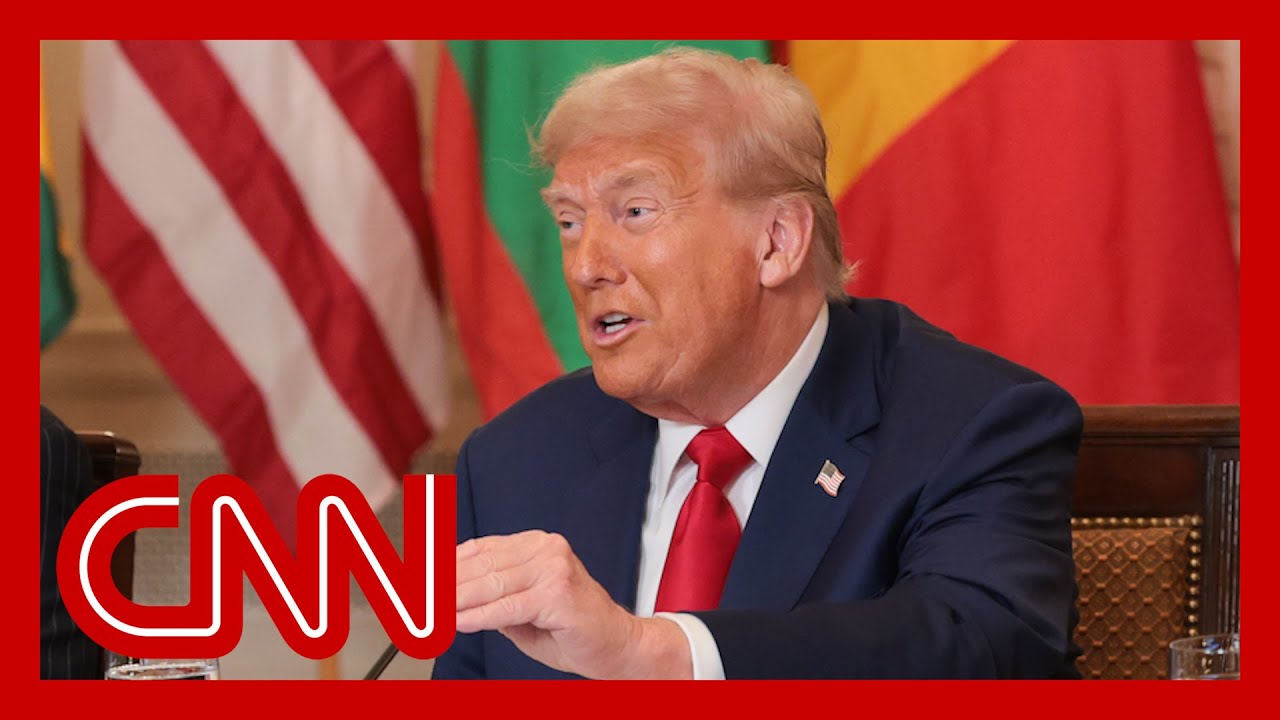
In a recent White House meeting that brought together leaders from five African nations, US President Donald Trump sparked controversy with an awkward remark praising the Liberian president’s “good English.” This comment, made during a diplomatic gathering intended to foster economic ties, quickly drew criticism across the African continent and beyond. The event highlighted not only the complexities of US-Africa relations but also underscored significant cultural misunderstandings.
Meeting with African Leaders: Economic Interests at the Forefront
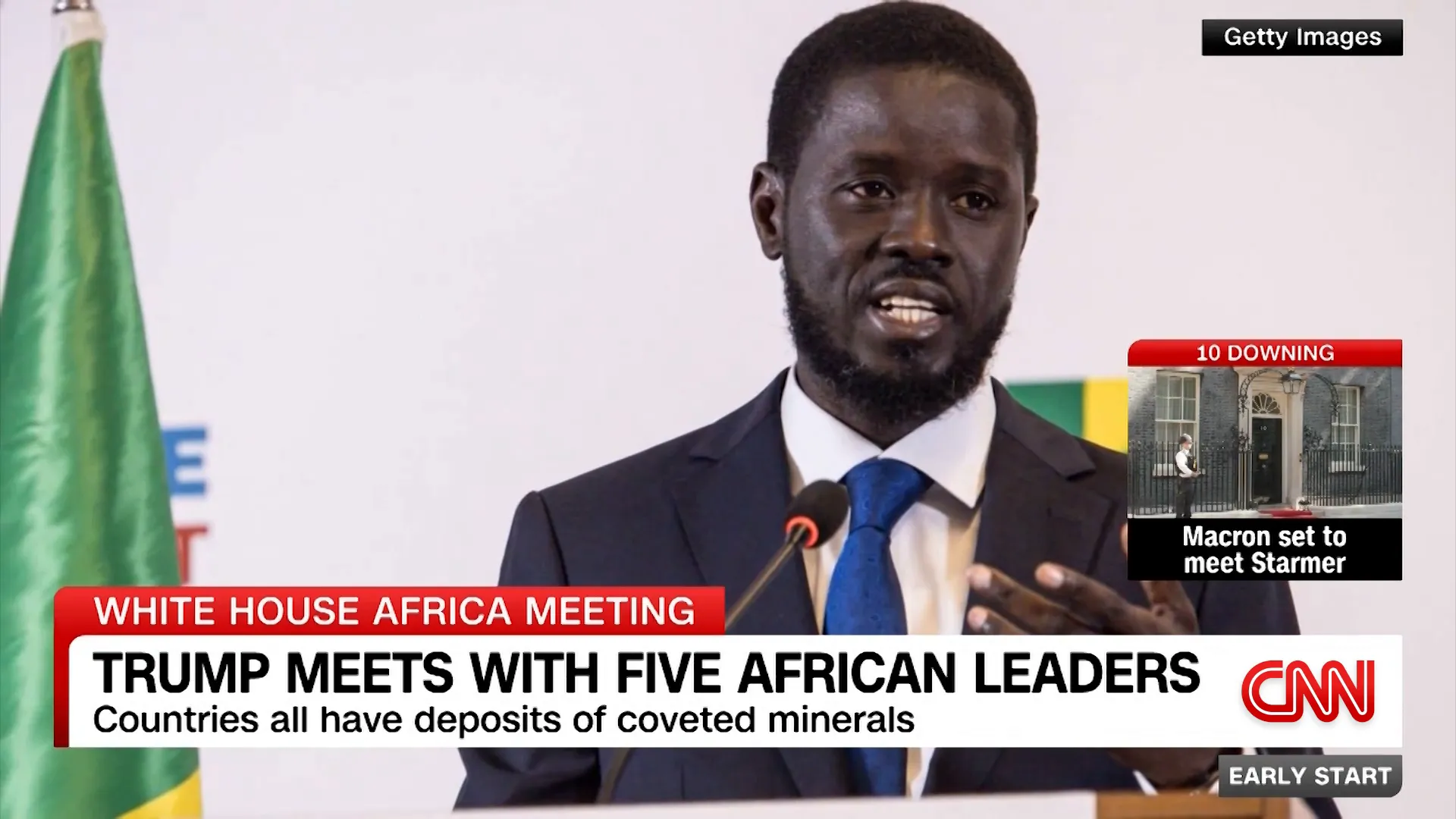
The meeting convened presidents from Mauritania, Senegal, Gabon, Guinea Bissau, and Liberia—countries characterized by relatively small economies but rich in valuable natural resources such as rare earth minerals, gold, oil, manganese, and iron ore. These nations are eager to establish mutually beneficial partnerships with the United States, offering their mineral wealth to American companies in search of new commercial opportunities.
President Brice Oligin Gema of Gabon described the discussions as “win-win solutions,” reflecting a shared interest in economic collaboration. Meanwhile, President Basiro D’youmify of Senegal went a step further by inviting President Trump to invest in a golfing venture just a few hours’ flight from Miami or Washington, DC, blending diplomacy with a personal touch tailored to Trump’s known interests.
The Awkward English Language Comment
The most notable and uncomfortable moment came when President Trump complimented Liberian President Joseph Boakai on his “good English.” Trump asked, “Where did you learn to speak English so beautifully?”
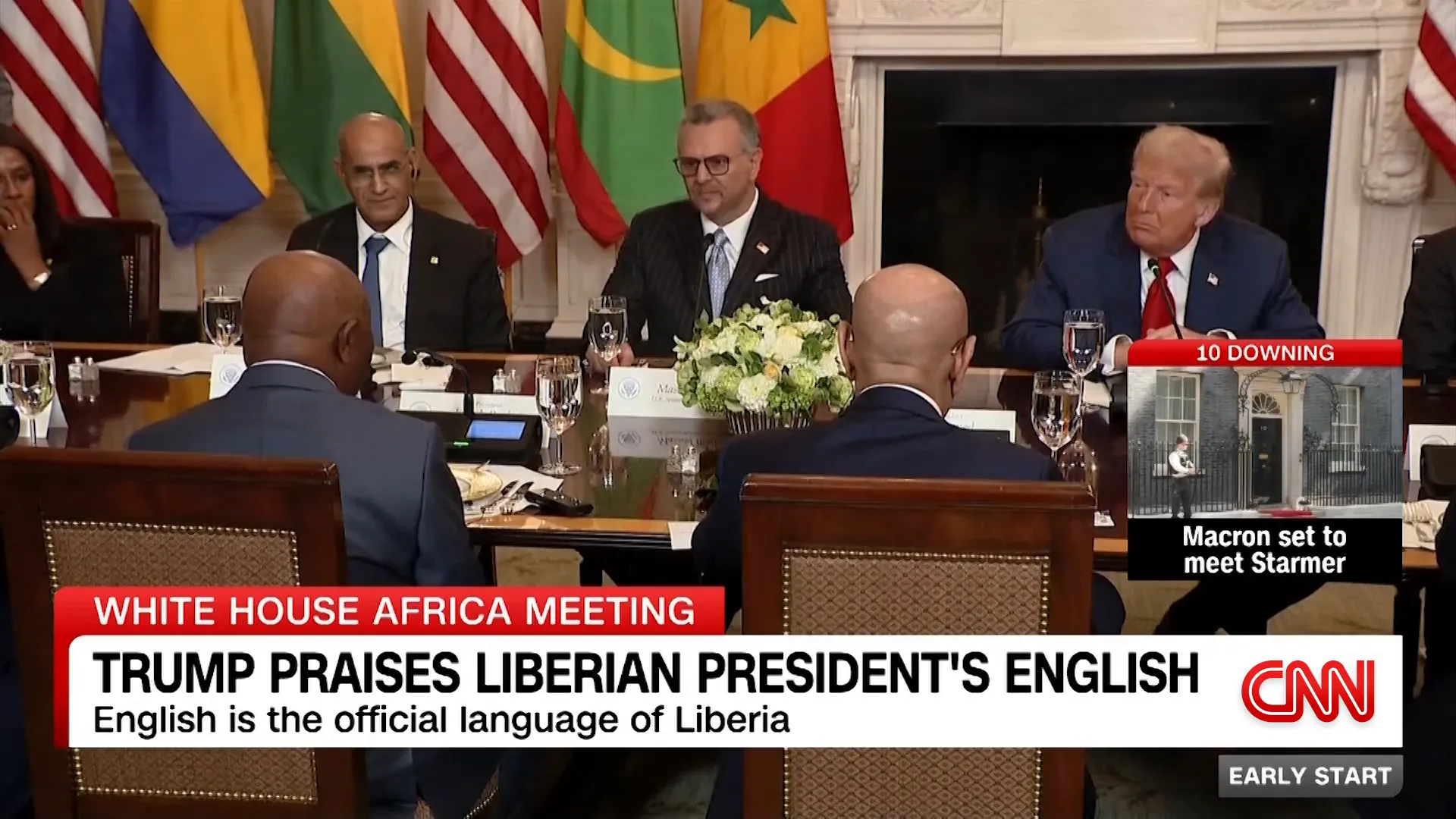
President Boakai responded politely, noting that he learned English in Liberia, without pointing out that English is actually the official language of Liberia. This exchange exposed a lack of awareness about Liberia’s historical and cultural background—a country founded by freed American slaves with English as its national language. The comment was widely seen as condescending and inappropriate.
Political and Public Reactions
The remark quickly drew backlash from various corners. A Liberian diplomat described Trump’s question as “inappropriate and condescending.” South African politicians questioned why President Boakai did not simply walk out of the meeting in protest.
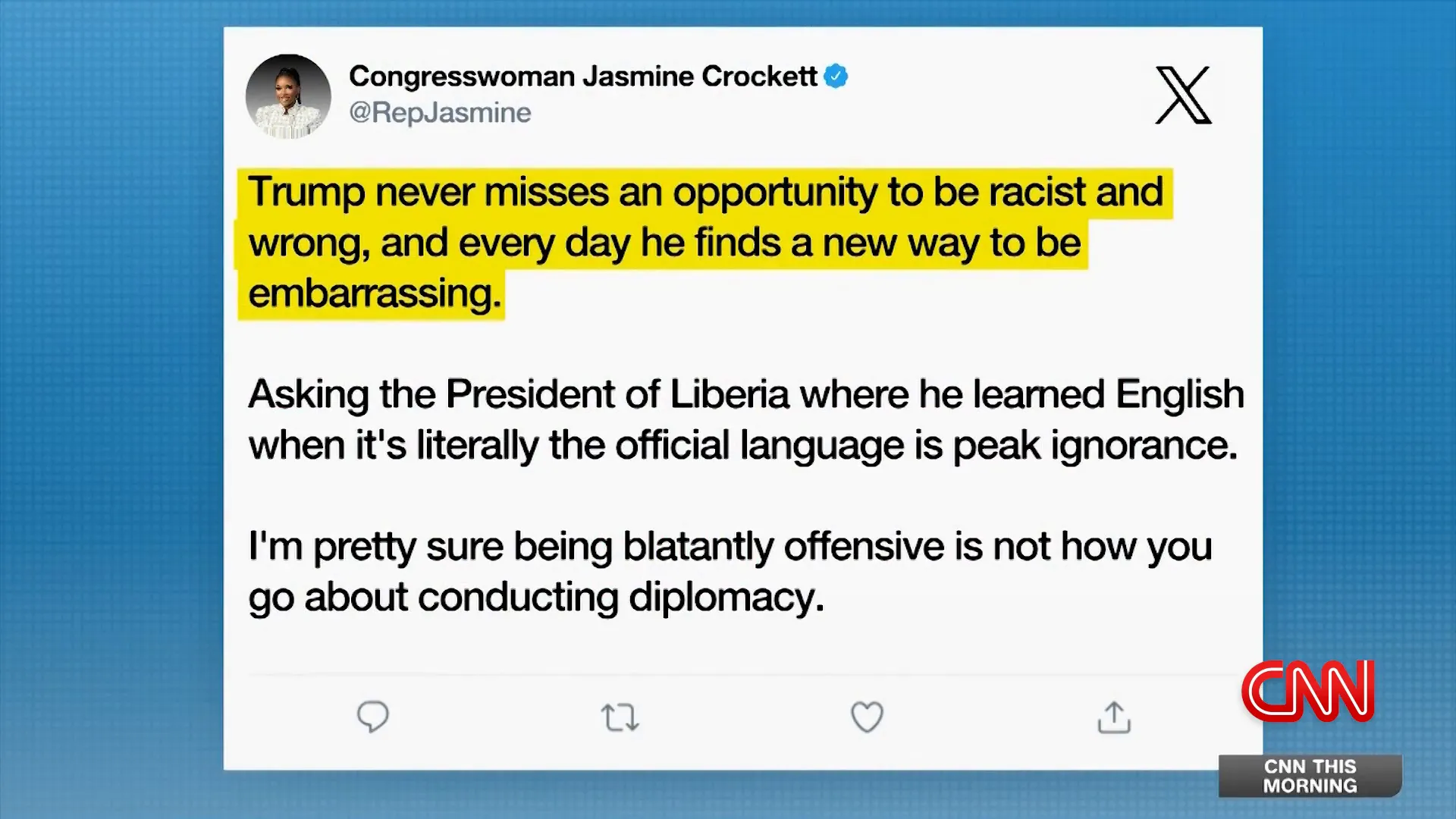
Former Republican Congressman Adam Kinzinger called Trump “absolutely the dumbest man in government” on social media platform X (formerly Twitter). Democratic Congresswoman Jasmine Crockett criticized the president for “never missing an opportunity to be racist and wrong,” adding, “Every day he finds a new way to be embarrassing.”
“He was trying to offer a compliment in his mind, but it was completely inappropriate and frankly offensive, because this man’s native language is English,” said one commentator. “It displayed a lot of ignorance about Liberia’s history and culture.”
Historical Context and Cultural Misunderstandings
Liberia’s ties to the United States run deep. Founded in the 19th century as a settlement for freed American slaves, its capital, Monrovia, is named after James Monroe, the U.S. president during its founding. This history is not widely understood or acknowledged by the current administration, leading to the awkward exchange.
Some experts suggest that this incident reflects a broader pattern of cultural ignorance, often described as the “ugly American” stereotype—where Americans abroad are perceived as loud, uninformed, and disrespectful. The episode underscores the importance of thorough preparation and cultural understanding in diplomatic engagements.
Underlying Geopolitical Themes: The China Factor
While not explicitly mentioned during the meeting, China’s growing influence in Africa loomed large as the unspoken subtext. These five African countries are not aligned with the BRICS coalition, making them potentially more accessible partners for the US’s renewed commercial diplomacy approach under the Trump administration.
By engaging with these nations, the US aims to counterbalance China’s expanding footprint on the continent, positioning itself as a competitive economic partner.
Conclusion: A Missed Opportunity and a Lesson in Diplomacy
This White House meeting was intended to showcase a new era of US-African relations focused on economic collaboration and mutual benefit. However, the awkward English language comment and ensuing backlash revealed deeper issues related to cultural sensitivity and historical awareness.
While the African leaders maintained diplomatic composure, the incident serves as a reminder that successful international diplomacy requires more than economic interests—it demands respect, preparation, and genuine understanding of the partners involved.
Ultimately, this episode highlights the challenges and opportunities of US engagement with Africa in a complex global landscape.

Be the first to comment