


Arrested For Laughing | Lawsuit UPDATE | Officer Gets Qualified Immunity?
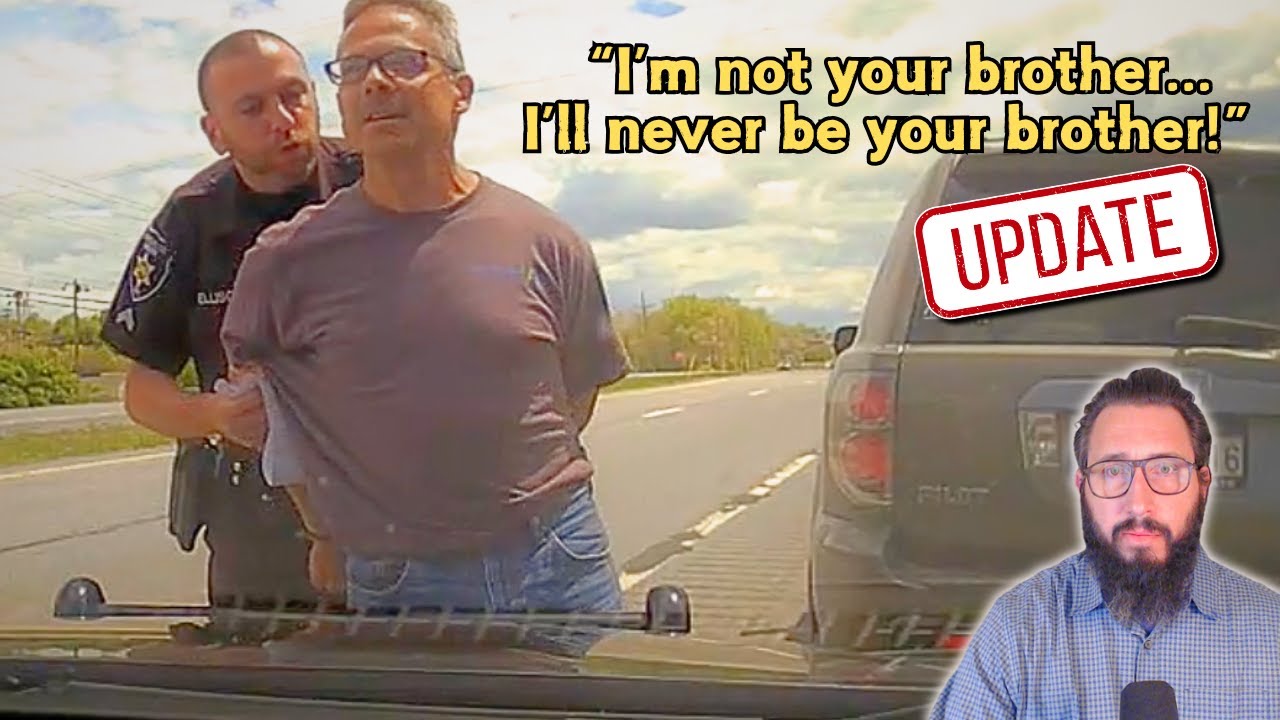
In a case that has sparked widespread attention and debate, a driver in Nicholas County, West Virginia, was pulled over and ultimately arrested—not for speeding or reckless driving—but for flashing his headlights to warn other motorists of a notorious speed trap, and for laughing during the encounter. This controversial incident has now led to a federal civil rights lawsuit, with a recent court ruling addressing whether the officer involved is entitled to qualified immunity. Here’s a detailed breakdown of what happened, the legal battle that followed, and the implications for free speech and police accountability.
The Incident: Flashing Headlights and a Speed Trap Warning
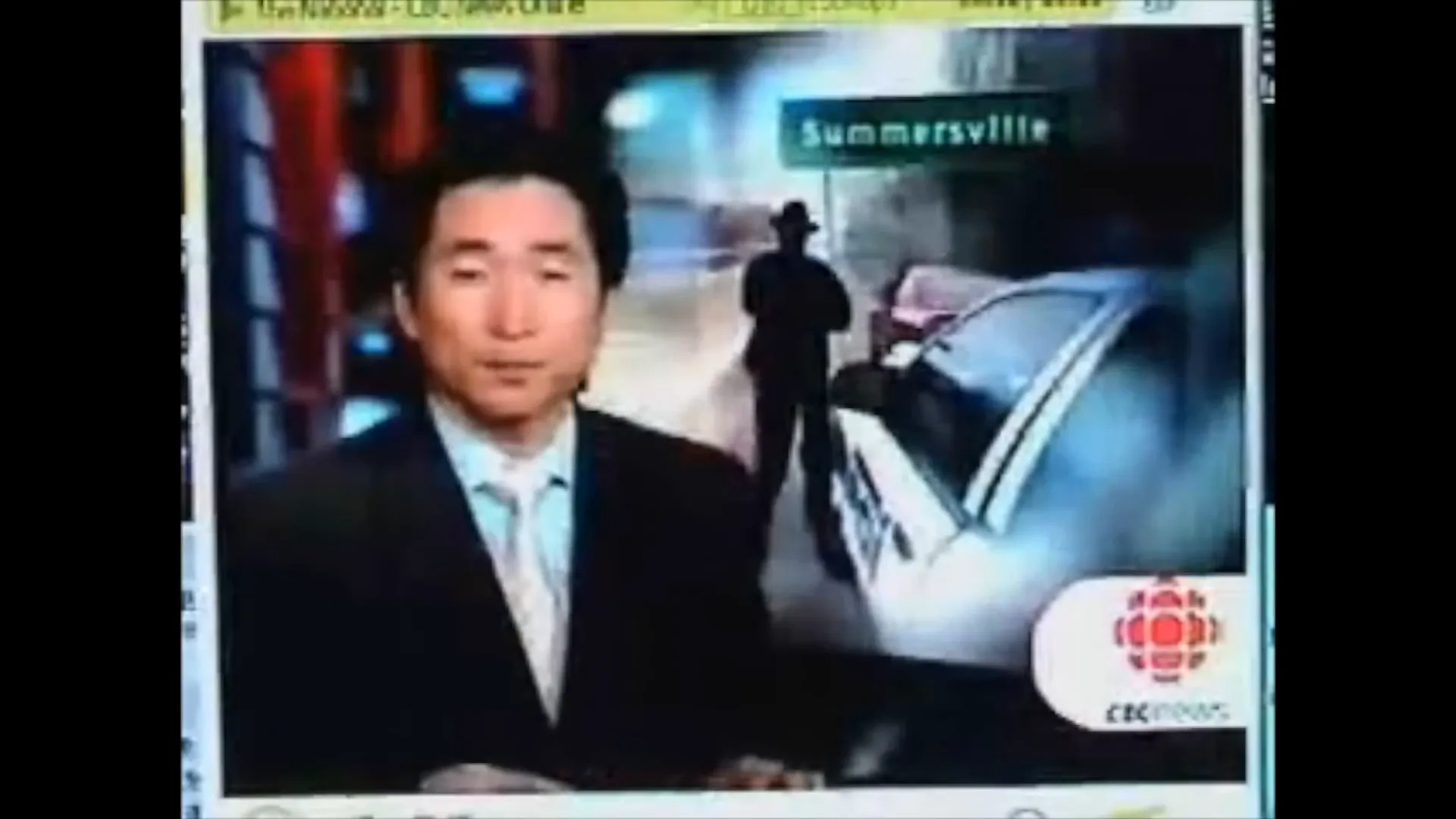
For decades, Route 19 near Summersville, the county seat of Nicholas County, West Virginia, has been known as a notorious speed trap. Local law enforcement officers routinely patrol this stretch, issuing numerous speeding tickets to passing motorists, including many Canadians traveling through on their way to Florida vacations.
On May 13, 2022, William Iannacona was driving through this infamous speed trap when he noticed a police car running radar to catch speeding drivers. To warn oncoming motorists of the officer’s presence, Iannacona began flashing his headlights. This act was intended as a courtesy to fellow drivers, a physical signal to slow down and avoid a ticket.
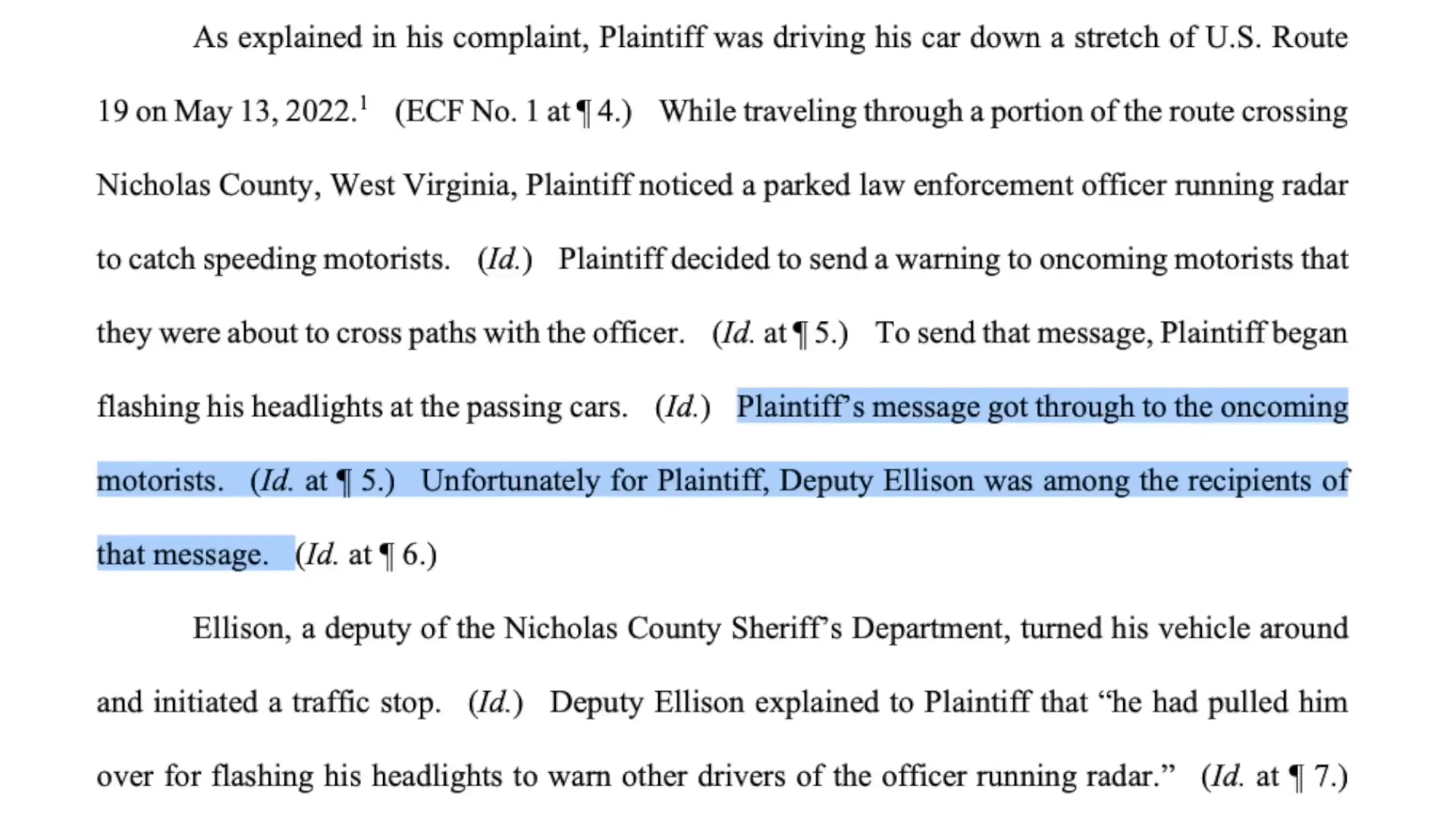
Unfortunately, Deputy JD Ellison of the Nicholas County Sheriff’s Department was among those who saw the flashing lights. Ellison quickly turned his vehicle around and initiated a traffic stop on Iannacona, citing him for flashing his headlights—a behavior Ellison claimed was illegal—and for an unsigned registration card.
The Traffic Stop and Arrest: When Laughter Led to Handcuffs
During the stop, Deputy Ellison explained to Iannacona that flashing his headlights to warn other drivers about the speed trap was against the law. Iannacona, unaware that this was illegal in West Virginia, expressed his confusion and believed his action was protected free speech under the First Amendment.
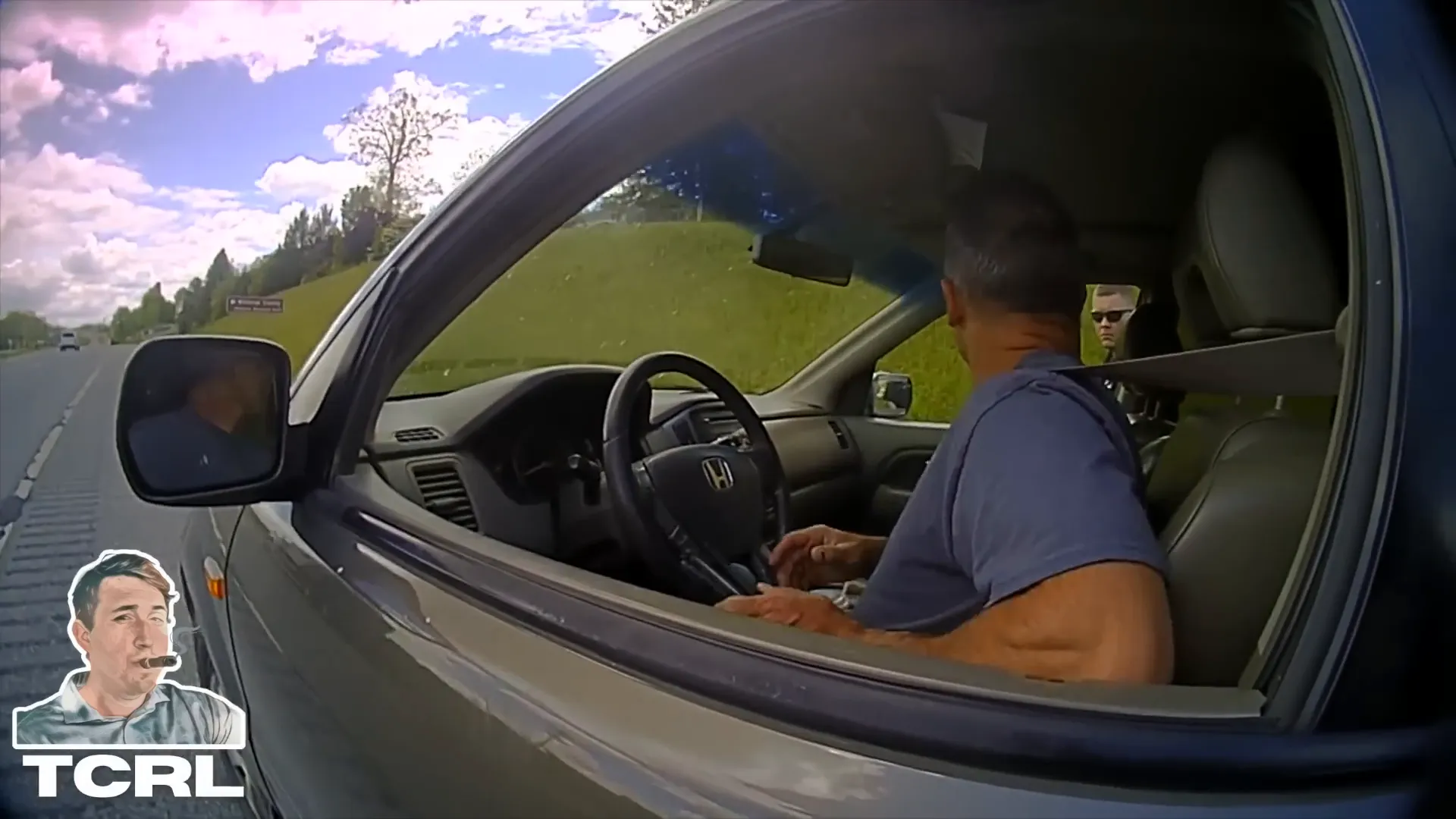
As Ellison wrote out two citations—one for “special restrictions on lamps” and another for the unsigned registration—Iannacona found the situation absurd and began to laugh. This reaction infuriated Deputy Ellison, who then escalated the encounter by ordering Iannacona out of the vehicle, placing him in handcuffs, and leading him back to the cruiser.
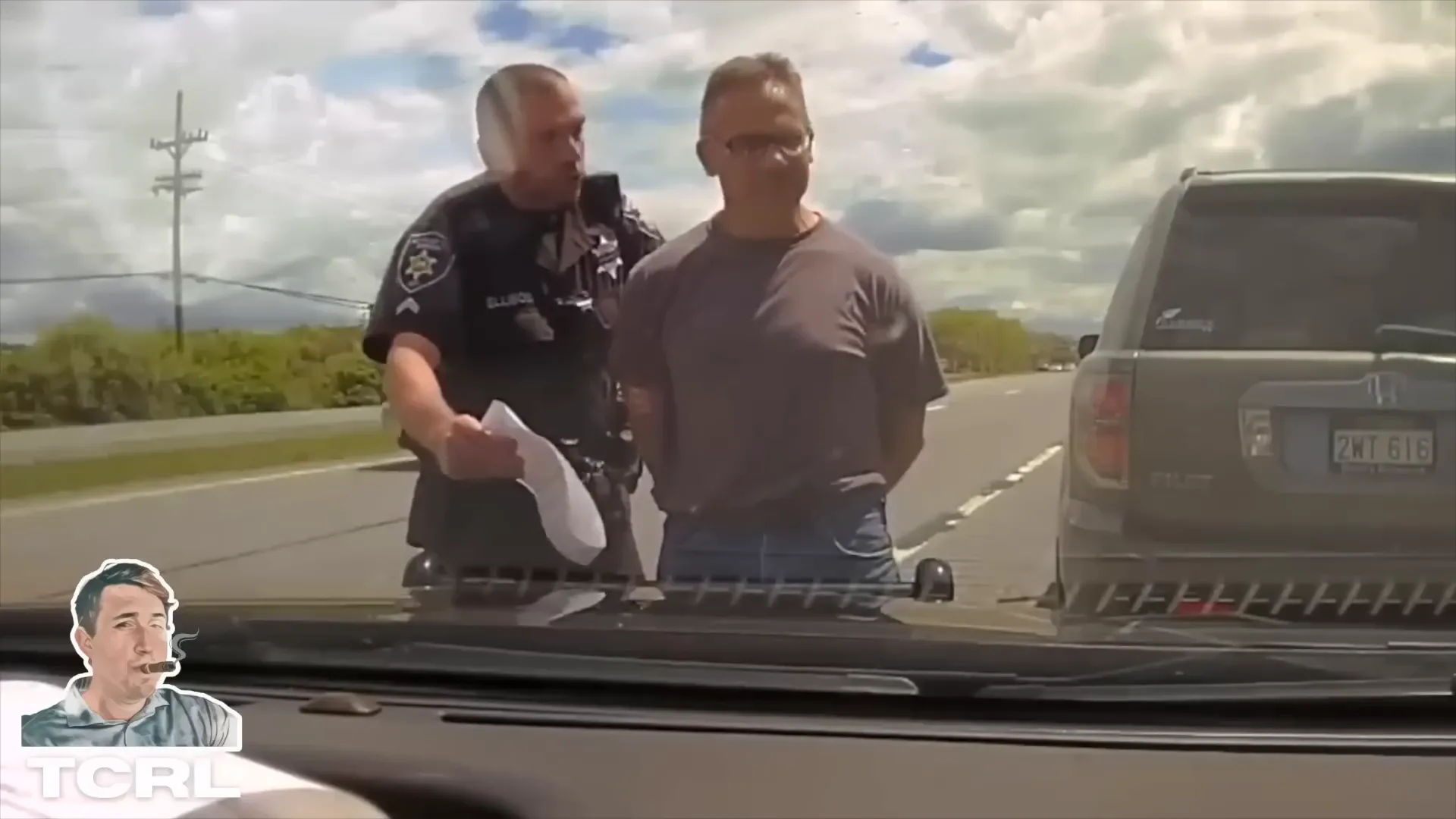
During the interaction, Ellison made it clear he did not appreciate being laughed at, famously stating, “I’m not your brother, and I’ll never be your brother.” Iannacona was detained in handcuffs for several minutes along the busy highway before being released after the officer consulted with an unnamed prosecuting attorney.
Legal Proceedings: The Lawsuit and Qualified Immunity Battle
Iannacona eventually beat the criminal charges on appeal with the help of a criminal defense attorney. Subsequently, a federal civil rights lawsuit was filed against Deputy Ellison, accusing him of violating Iannacona’s constitutional rights, including retaliation for protected free speech and an unlawful traffic stop without reasonable suspicion.
The officer and the sheriff requested the federal court dismiss the lawsuit and grant qualified immunity to Deputy Ellison, arguing that flashing headlights to warn other drivers was not protected speech and that the officer had probable cause for the stop and arrest.
The Sheriff’s Response
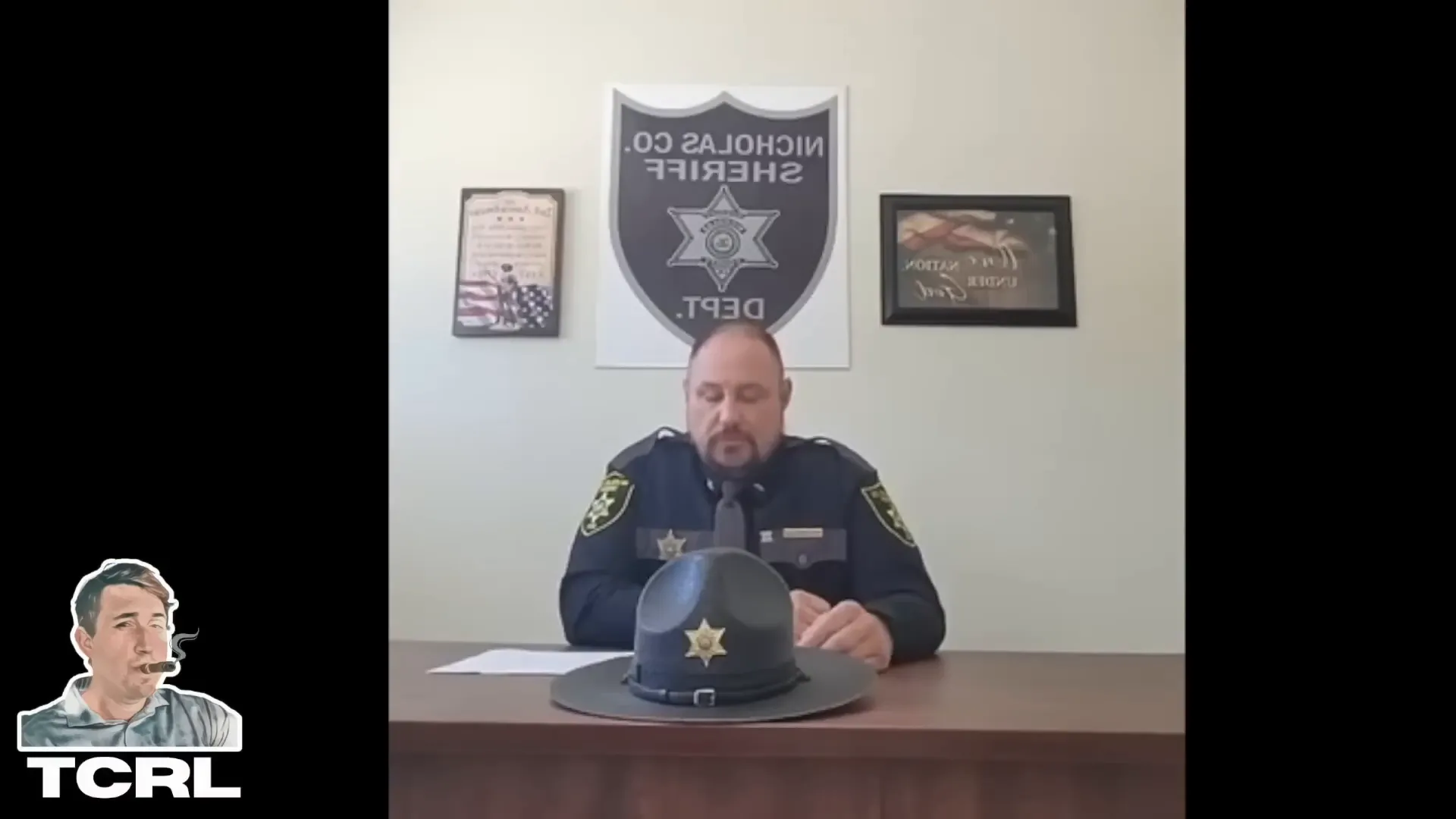
The elected sheriff of Nicholas County publicly addressed the incident, defending Deputy Ellison’s actions. He suggested that the flashing lights could have interfered with high-priority law enforcement activities, such as locating missing children or suspects, and implied that Iannacona’s behavior was irrational and suspicious. The sheriff stated that the officer received counseling and praised the justice system for its accountability.
The Federal Court’s Ruling
Contrary to the sheriff’s defense, the federal court’s ruling delivered a significant update. The court took judicial notice that the incident occurred at a notorious speed trap and found no West Virginia law criminalizing flashing headlights to warn other drivers.
Key points from the court’s decision include:
- Illegal Traffic Stop: Deputy Ellison allegedly initiated the stop without reasonable suspicion, violating the Fourth Amendment.
- Unconstitutional Extension: Ellison extended the stop beyond what was necessary to issue citations, which the court found unconstitutional.
- Unjustified Order to Exit Vehicle: There was no articulable or objectively reasonable belief that Iannacona was dangerous, making the order to exit and frisk arguably unjustified.
- Protected Speech: Flashing headlights was considered protected speech under the First Amendment, especially since Ellison knew and understood the message.
- Retaliation: Initiating a traffic stop and arrest due to protected speech is a classic First Amendment retaliation claim.
- Denial of Qualified Immunity: The court denied qualified immunity to Deputy Ellison, emphasizing that any reasonable officer should know that retaliating against protected speech violates constitutional rights.
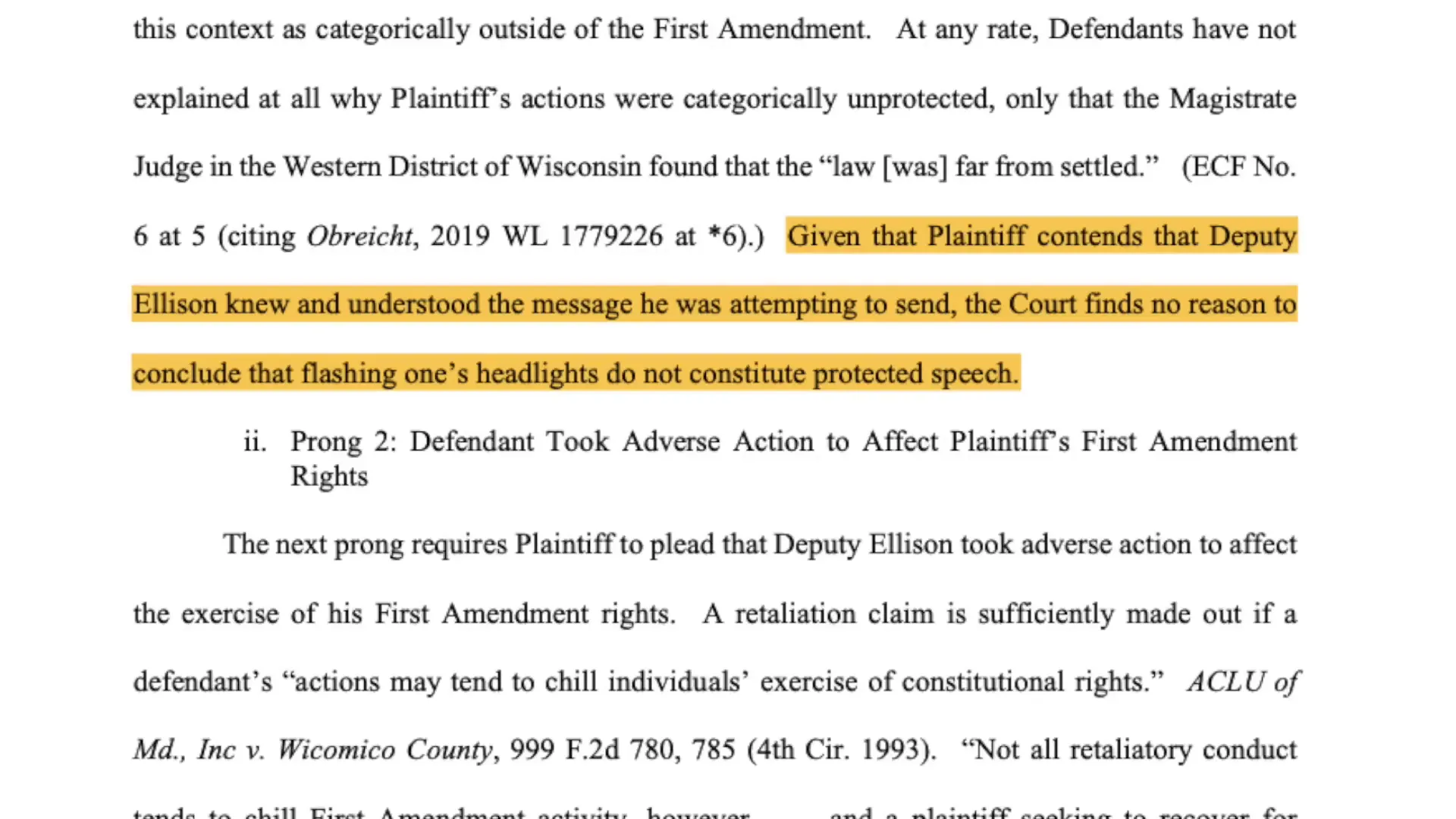
In short, the court ruled that Deputy Ellison’s actions—pulling over Iannacona, extending the stop, ordering him out of the car, handcuffing him, and arresting him—were not shielded by qualified immunity because they violated clearly established constitutional rights.
Why This Case Matters: Free Speech, Police Accountability, and Your Rights
This case highlights the important intersection between everyday actions, like flashing headlights to warn other drivers, and constitutional protections. While some may see flashing headlights as a simple gesture, legally it can be a form of protected speech under the First Amendment.
Moreover, the case underscores the limits of police authority. Officers must have reasonable suspicion to initiate and extend traffic stops, and they cannot retaliate against citizens for exercising their constitutional rights.
Unfortunately, as this case shows, officers sometimes misuse their power—detaining, frisking, or arresting individuals in response to perceived disrespect rather than legitimate safety concerns.
What’s Next? The Road Ahead for the Lawsuit
This ruling came at the motion to dismiss stage, meaning the court accepted the allegations as true for now. The case will proceed to discovery, including depositions and further evidence review, before moving to summary judgment and potentially trial.
Because the entire encounter was captured on video, it is expected that the facts will support the allegations made in the complaint. However, these legal battles can take years to resolve fully.
For those interested in following this case and other civil rights issues, updates will be provided as the litigation progresses.
Conclusion: Standing Up for Constitutional Rights
The arrest of William Iannacona for flashing headlights and laughing during a traffic stop serves as a stark reminder that our constitutional rights do not end when confronted by law enforcement. Retaliation against protected speech is a violation of the First Amendment, and qualified immunity should not shield officers who engage in such conduct.
As this case moves forward, it exemplifies the ongoing need for vigilance, legal advocacy, and public awareness to ensure that police officers respect the rights of all citizens and are held accountable when they do not.
Remember, our rights don’t end where fear begins. Freedom is scary. Deal with it.

Be the first to comment