
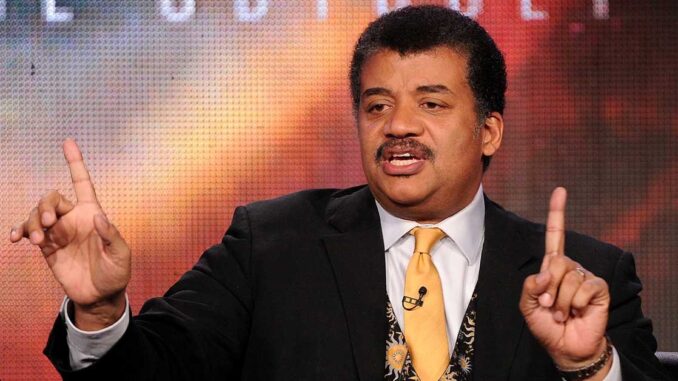

AI Won’t Save the World? Tyson Explains the Hype vs. Reality
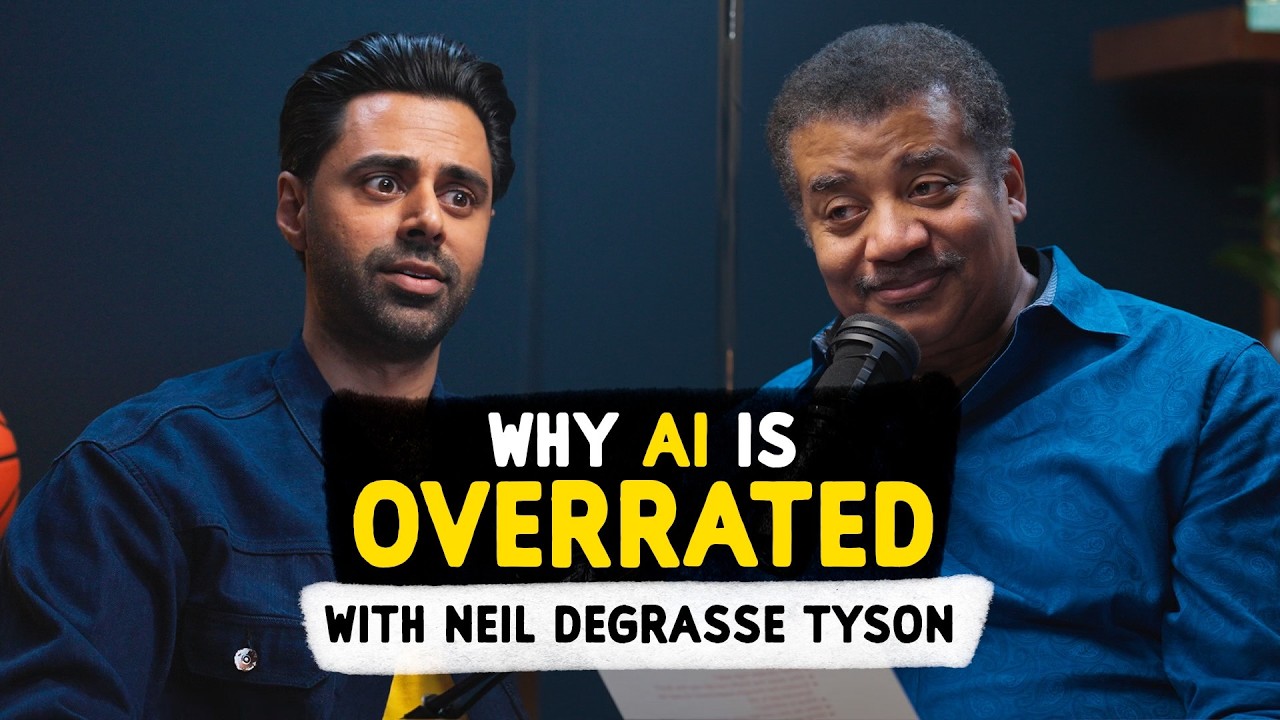
In a compelling conversation hosted by Hasan Minhaj, renowned astrophysicist Dr. Neil deGrasse Tyson dives into the intricate relationship between science, society, and technology. From scientific literacy and the challenges facing academia to the future of artificial intelligence (AI) and the myths surrounding it, their dialogue offers valuable insights into how we understand and interact with science today. This discussion, featured on Hasan Minhaj’s YouTube channel, highlights the critical role of science communication in an era overwhelmed by misinformation.
Scientific Literacy: The Power and Responsibility
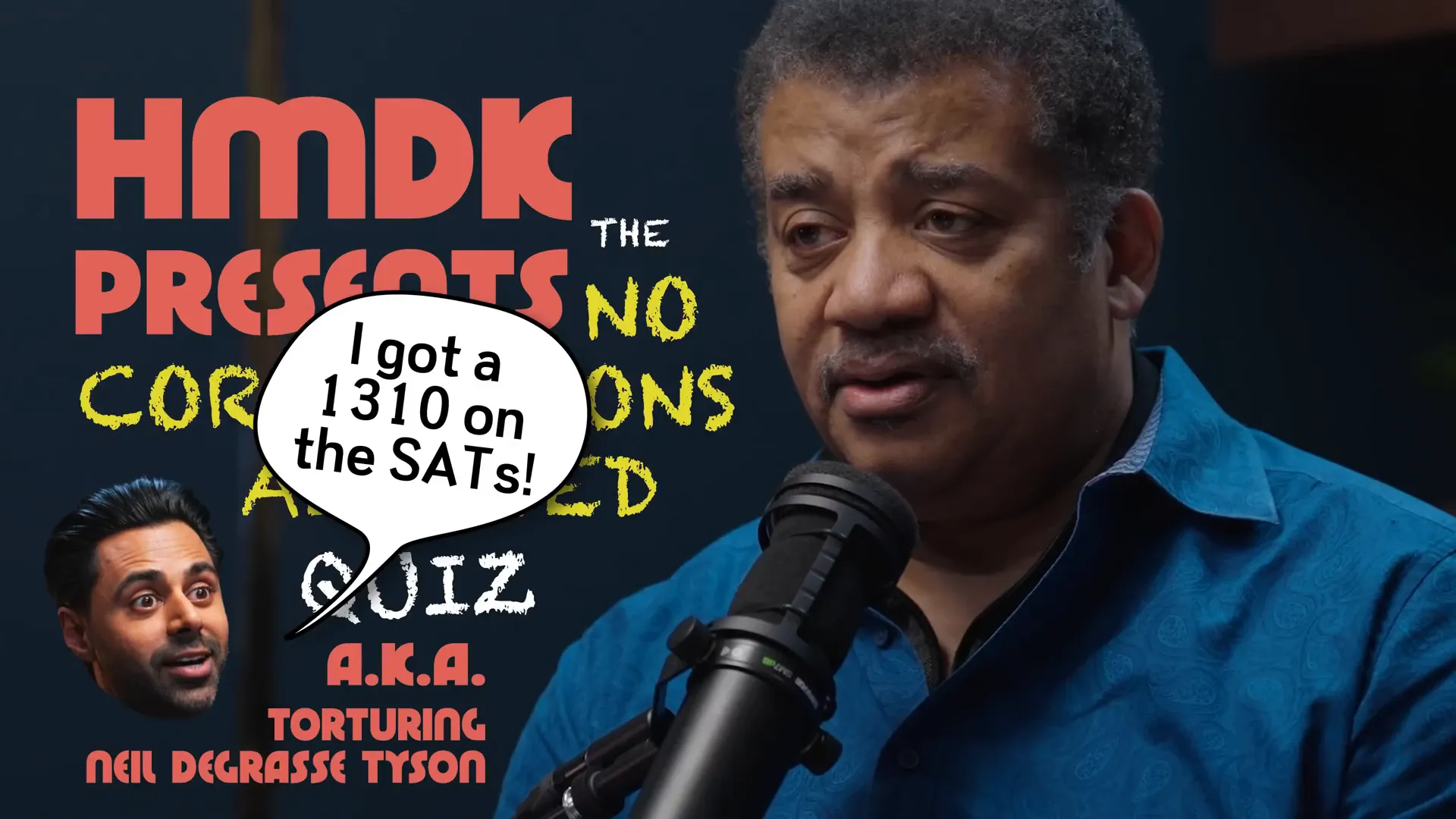
Neil deGrasse Tyson begins by emphasizing the importance of scientific literacy as a tool to navigate a world saturated with misinformation. He points out that being scientifically literate empowers individuals to discern when claims are misleading or false, cutting through the noise. Tyson humorously illustrates this by playing a game where he answers basic science questions off the top of his head, mimicking how most people interact with science in everyday life—often with incomplete knowledge but a genuine curiosity.
He highlights that science communication today is more vital than ever, especially as scientific institutions face attacks and skepticism from various quarters, including political figures and conspiracy proponents. Tyson’s role transcends explaining science—he defends its rightful place in civic discourse.
The Fame Factor: Balancing Public Attention with Scientific Integrity
Despite his fame, Tyson remains grounded in his identity as a scientist. He shares how he realized his public prominence when his work became the subject of debates online and when he made the cover of Highlights magazine—a notable milestone for any scientist. Yet, he stresses that fame is incidental to his mission; his core purpose lies in educating and engaging the public with science.
Tyson also reflects on the unique position he holds, standing before more microphones than telescopes. He accepts this media presence as a duty, acknowledging that not all scientists are comfortable or suited for public engagement. His ability to communicate effectively fills a crucial gap between scientific communities and the broader public.
Artificial Intelligence and Artificial General Intelligence: What’s the Real Deal?
The conversation shifts to a topic dominating public discourse: artificial intelligence (AI) and the more speculative artificial general intelligence (AGI). Tyson clarifies the distinction between AI—machines designed for specific tasks like summarizing documents or playing chess—and AGI, which would possess the ability to learn and adapt across a wide range of tasks, much like a human brain.
While many fear AGI’s potential impact, Tyson offers a tempered perspective. He argues that AGI is not imminent and questions why society would necessarily want a machine that does everything for us. Instead, he advocates for practical AI applications that assist with everyday tasks, such as making coffee or driving cars, rather than a fully autonomous general intelligence.
Tyson also critiques the media’s focus on dystopian AI narratives, noting that many tech experts hold more optimistic views about AI’s integration into society, but their voices are often drowned out by sensationalism.
The Exponential Growth Blind Spot
One of the key challenges humans face is understanding exponential growth. Tyson points out that since the Industrial Revolution, technological progress has been exponential, even if it feels linear to us. He illustrates this with historical examples, such as the rapid transition from horse-drawn carriages to automobiles in just a decade and the dramatic increase in air travel over the past century.
This exponential perspective is crucial when considering AI’s development. However, Tyson maintains confidence that society will adapt, just as it has with past technological revolutions, by finding new roles for human creativity that machines cannot replicate.
AI’s Role in Medicine and Scientific Frontiers
Tyson highlights AI’s current contributions to medical science, such as protein folding simulations that were previously impossible due to computational limitations. These advancements hold promise for curing diseases like cancer and Alzheimer’s by enabling precise understanding and treatment design.
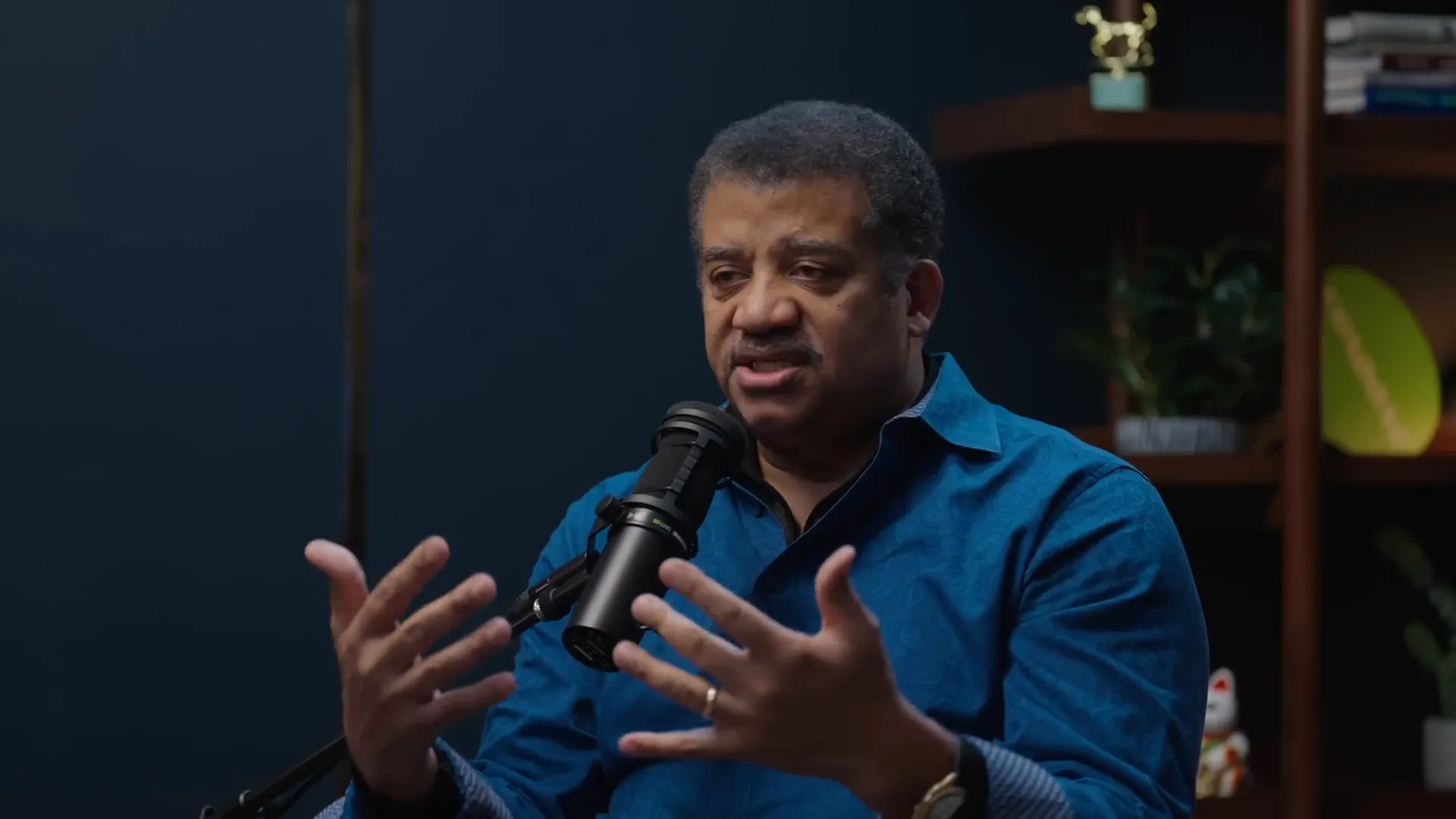
He reminds us that science has dramatically extended human life expectancy beyond what organic living conditions alone could achieve, underscoring the tangible benefits of scientific progress. Despite the presence of bad actors, Tyson remains hopeful that the positive impacts of AI and science will outweigh the negatives.
The Assault on Academia and the Importance of Research Freedom
The conversation turns serious as Tyson addresses recent political actions threatening scientific institutions and academia. He expresses concern over funding cuts to medical research and investigations into diversity, equity, and inclusion (DEI) policies, which many academics find alarming.
Tyson urges the public to consider the long-term consequences of these actions and the essential role academia plays in innovation. He defends research that may not have immediate financial returns but ultimately leads to breakthroughs, such as the discovery of magnetic resonance in nuclei that paved the way for MRI technology.
The Golden Age of Engineering and the Future of Scientific Discovery
Hasan and Tyson discuss whether we are currently in a golden age of engineering breakthroughs but a lull in scientific discovery. Tyson counters this by explaining that scientific progress has always felt like a series of incremental advancements punctuated by paradigm-shifting discoveries, such as relativity and quantum physics.
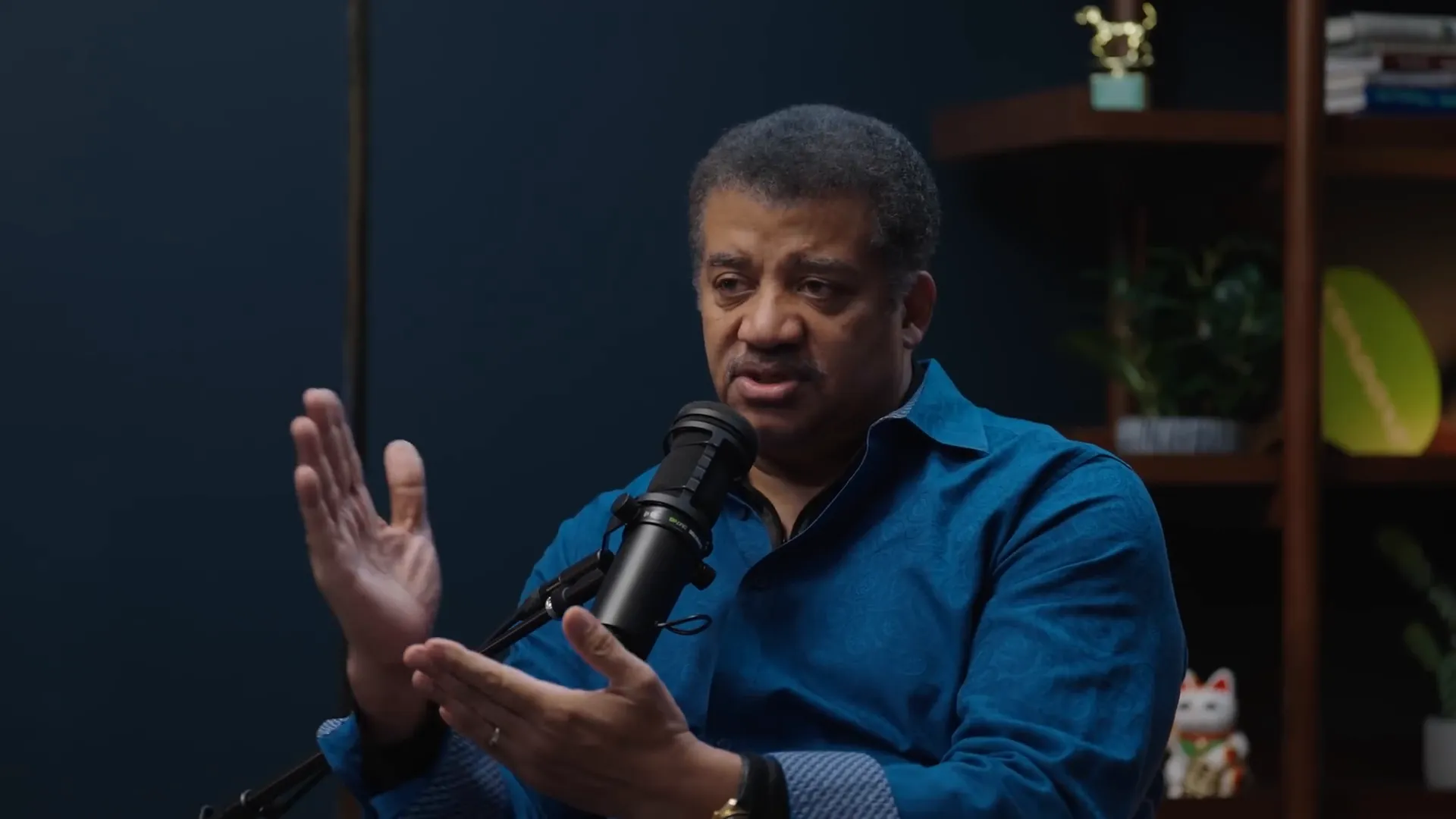
He points out that 95% of the universe is still unknown to us, consisting of dark matter and dark energy, marking a vast frontier for future research. In biology, major questions remain unanswered, such as the origin of self-replicating life and the search for extraterrestrial biospheres that could revolutionize our understanding of life itself.
Why Robots Aren’t Yet Household Helpers
Despite advances in robotics, Tyson explains why Boston Dynamics’ impressive robots have not become personal assistants. Creating a robot that performs complex household tasks is not a single feat but a combination of many technological challenges. Moreover, the concept of a robot is evolving—self-driving cars and smart appliances are robots in their own right, performing tasks efficiently without humanoid forms.
Tyson humorously insists that some tasks, like making your bed, remain human responsibilities, but acknowledges that machines have revolutionized chores like laundry. The focus, he says, should be on practical automation that genuinely improves daily life.
Rapid Fire: Curiosities and Closing Thoughts
In the final segment, Tyson shares personal reflections: his wish to be abducted by aliens as a fantasy, the social reasons behind astrology’s resurgence among youth, and the one scientific concept he would want everyone to grasp immediately—the universe is objectively knowable, which removes much subjectivity from our understanding of reality.
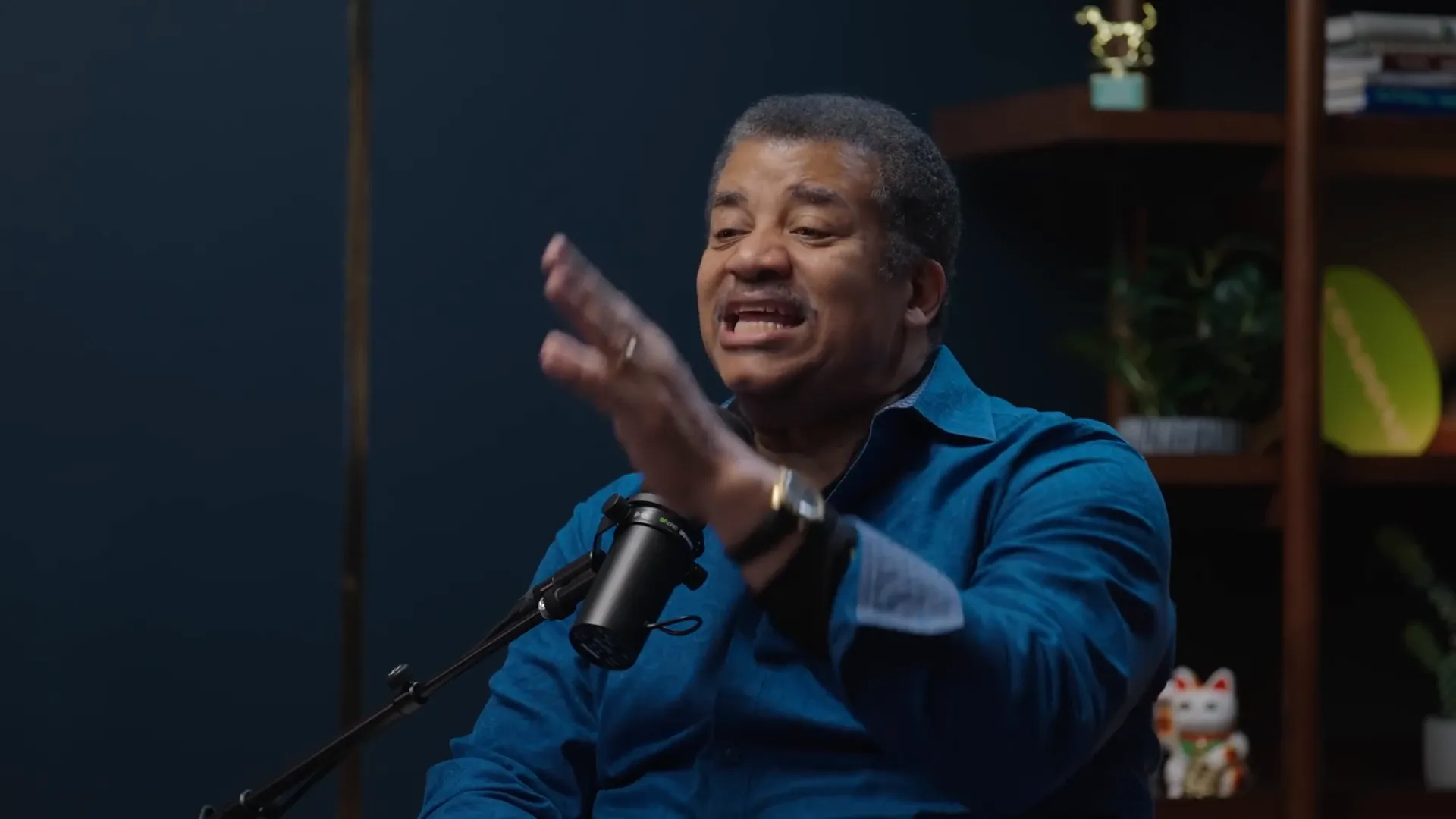
He also emphasizes his role as a servant of curiosity, welcoming any question the public brings, and celebrates the universal human drive to understand the cosmos.
Conclusion
This enlightening discussion between Hasan Minhaj and Neil deGrasse Tyson underscores the vital importance of scientific literacy, the responsible development and integration of AI, and the resilient spirit of human creativity amid technological change. Tyson’s balanced optimism, grounded in reality, offers a hopeful vision for the future where science continues to illuminate and improve our lives despite challenges.
For those interested in exploring these topics further, Hasan Minhaj’s YouTube channel provides a thoughtful platform where science, politics, and culture intersect in engaging and accessible ways.
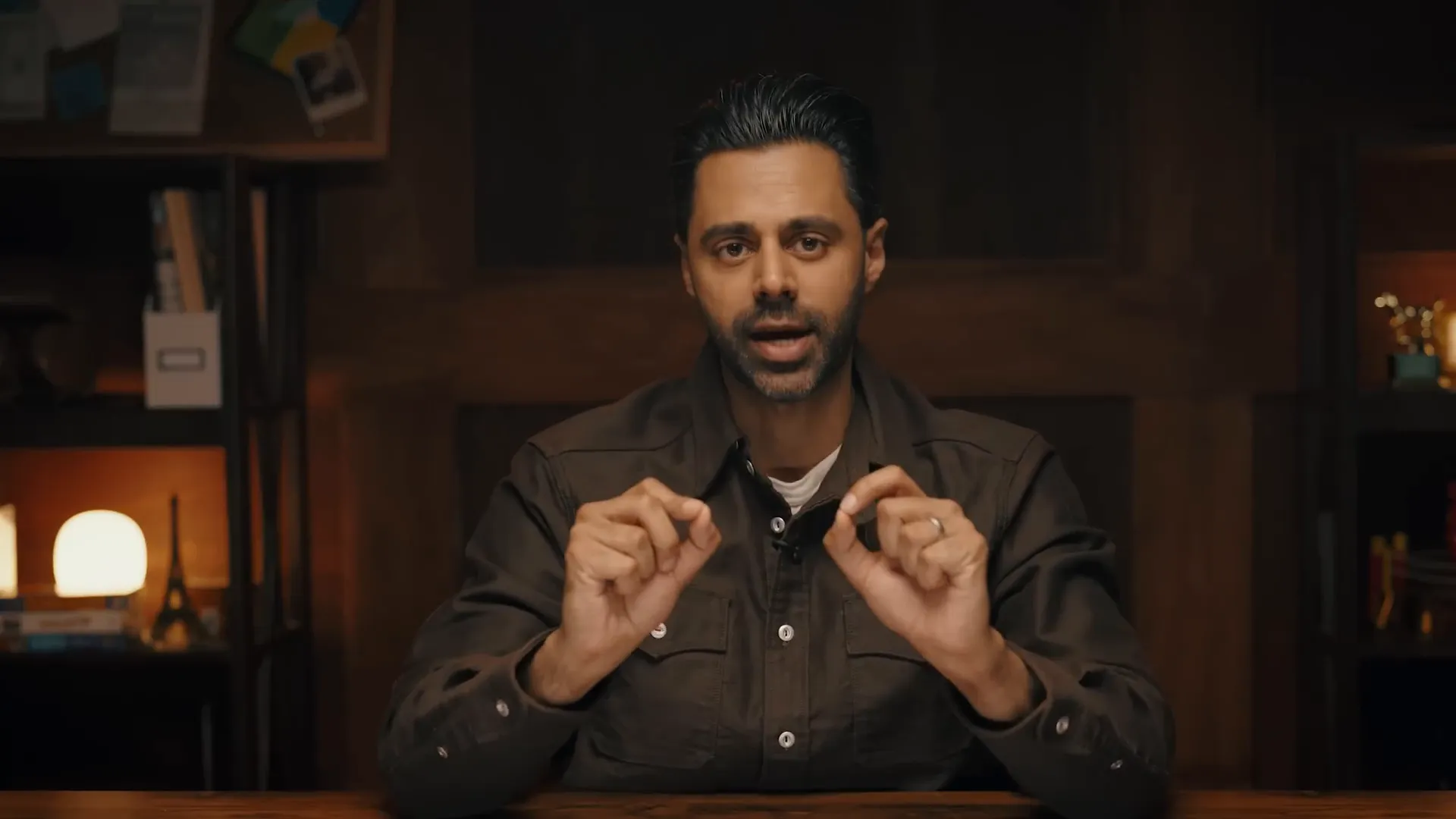
Credits: This article draws from the insightful conversation hosted by Hasan Minhaj on his YouTube channel Hasan Minhaj, featuring Dr. Neil deGrasse Tyson.

Be the first to comment