


The Jewish Economy Explained: Unlocking the Power of the Jewish Circular Economy
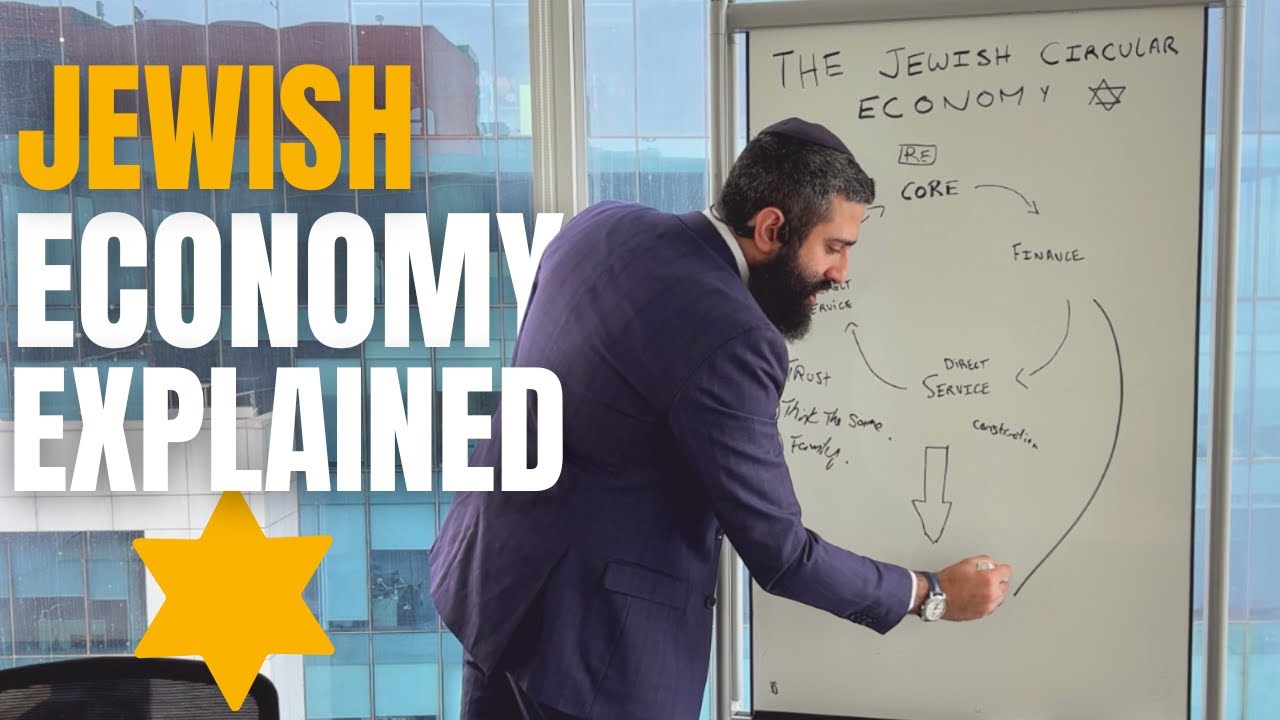 In this article, we dive deep into the fascinating concept of the Jewish circular economy, a powerful business model that has been cultivated over thousands of years within the Jewish community. Inspired by the insights of Berel Solomon, a passionate voice who shares wisdom from Jewish business practices, we explore how trust, shared values, and community interdependence create a thriving economic ecosystem that benefits not only individuals but entire communities.
What Is the Jewish Circular Economy?
The Jewish circular economy is a unique approach to business and wealth that emphasizes working within a trusted network of people who share similar values and beliefs. This model is not just about making money; it’s about making money the right way—ethically and morally—while fostering communal success.
 Berel Solomon explains that Jewish people tend to gravitate toward certain types of businesses that meet two essential criteria:
- Lucrative: The business must generate substantial income. Being Jewish and raising large families is expensive, so profitability is key.
- Moral: The business must align with ethical and moral standards. For example, while some industries like strip clubs may be profitable, they are not considered moral within Orthodox Judaism and are thus avoided.
One prime example Solomon highlights is real estate—a lucrative and moral industry that fits perfectly within this framework.
How the Circular Economy Works in Practice
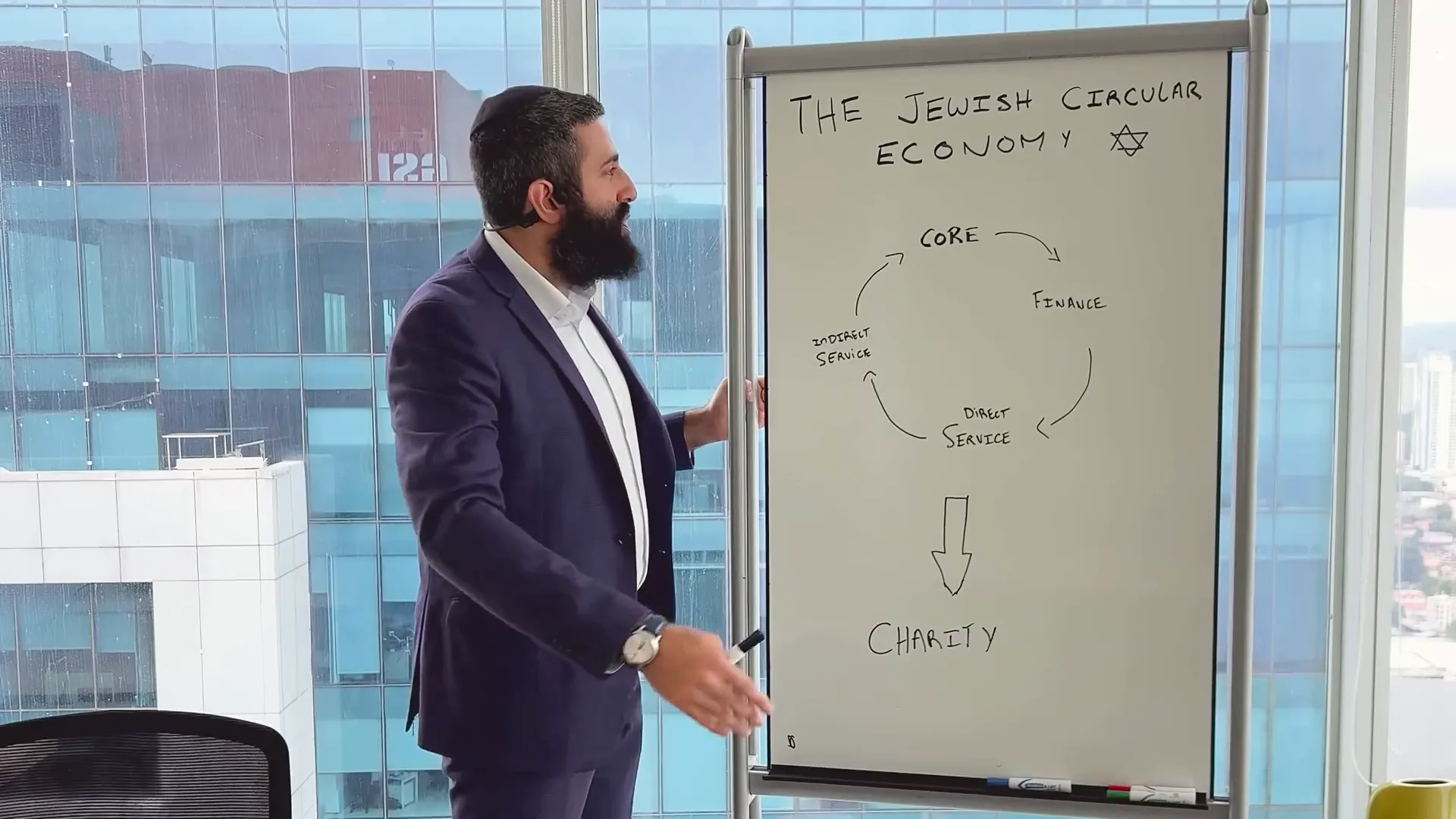
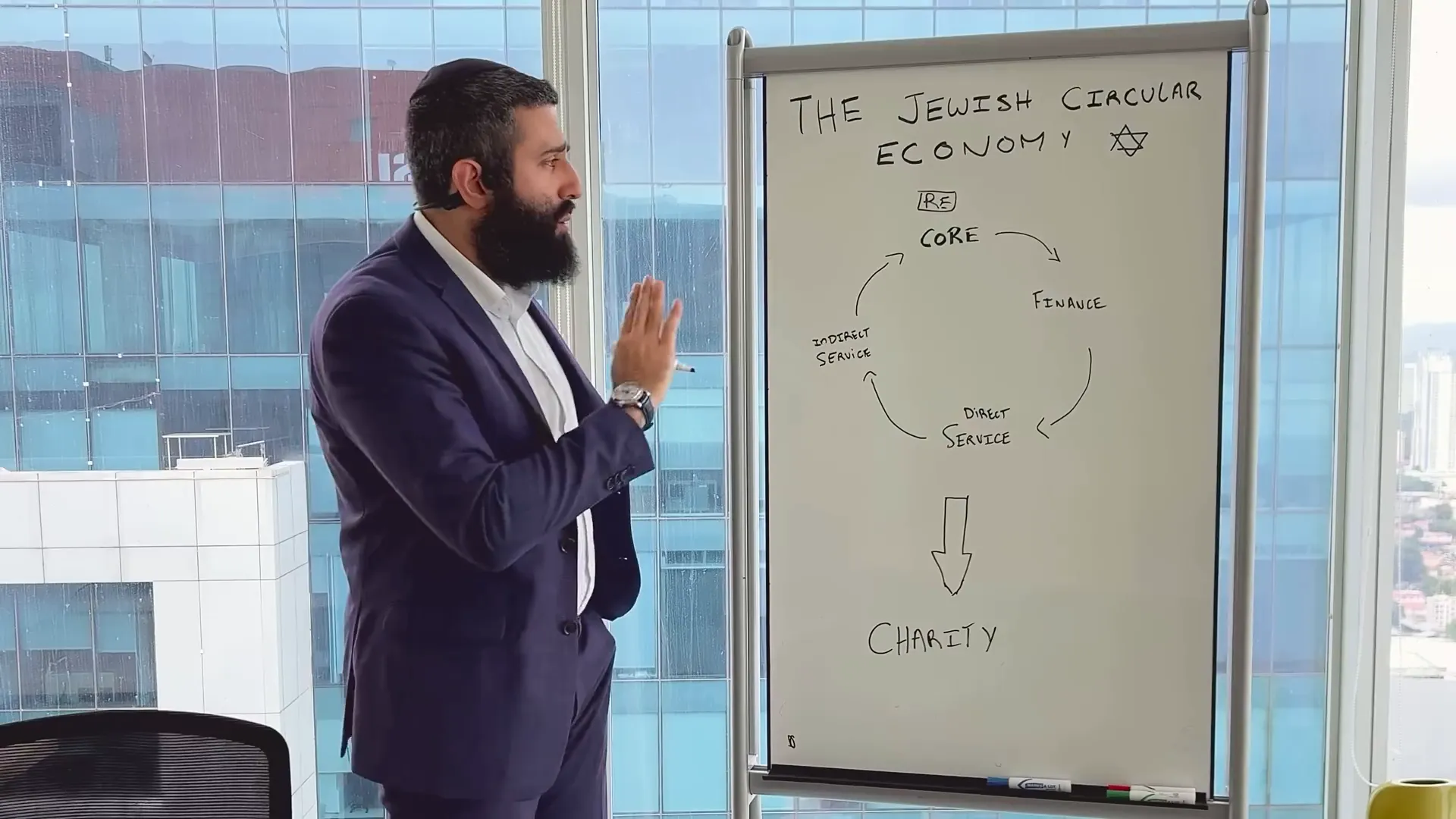
Let’s break down the circular economy using a real estate deal as a case study:
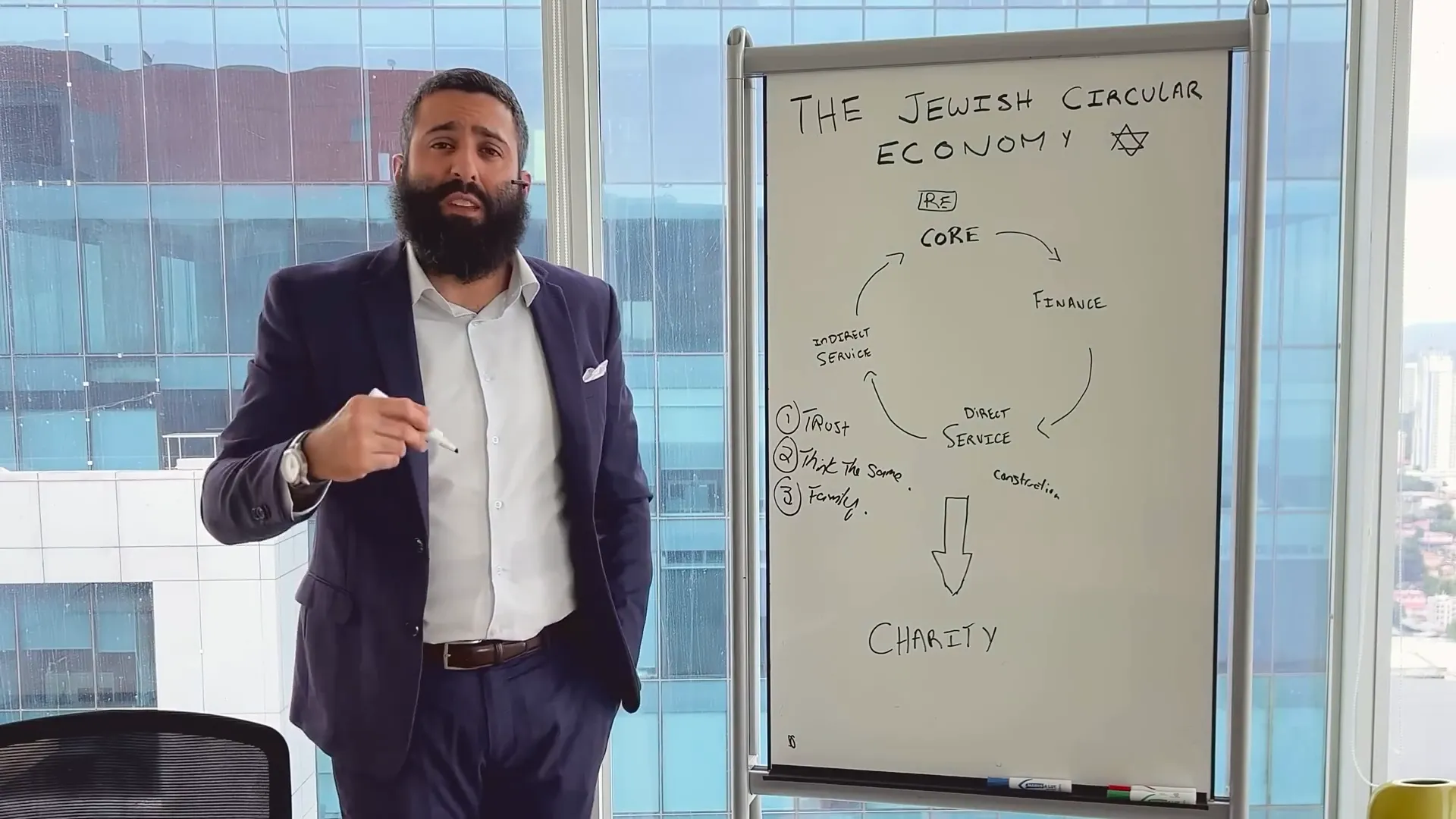
- A Jewish businessman acquires a real estate property, often facilitated by a Jewish broker or friend within the community.
- To finance the deal, he reaches out to a Jewish lender or mortgage broker—someone he trusts and likely knows personally through communal connections like synagogue.
- Once the deal is secured, the businessman hires Jewish companies for various services such as snow removal, cleaning supplies, and construction.
- Those service companies, in turn, rely on Jewish accountants, lawyers, and office space providers to support their operations.
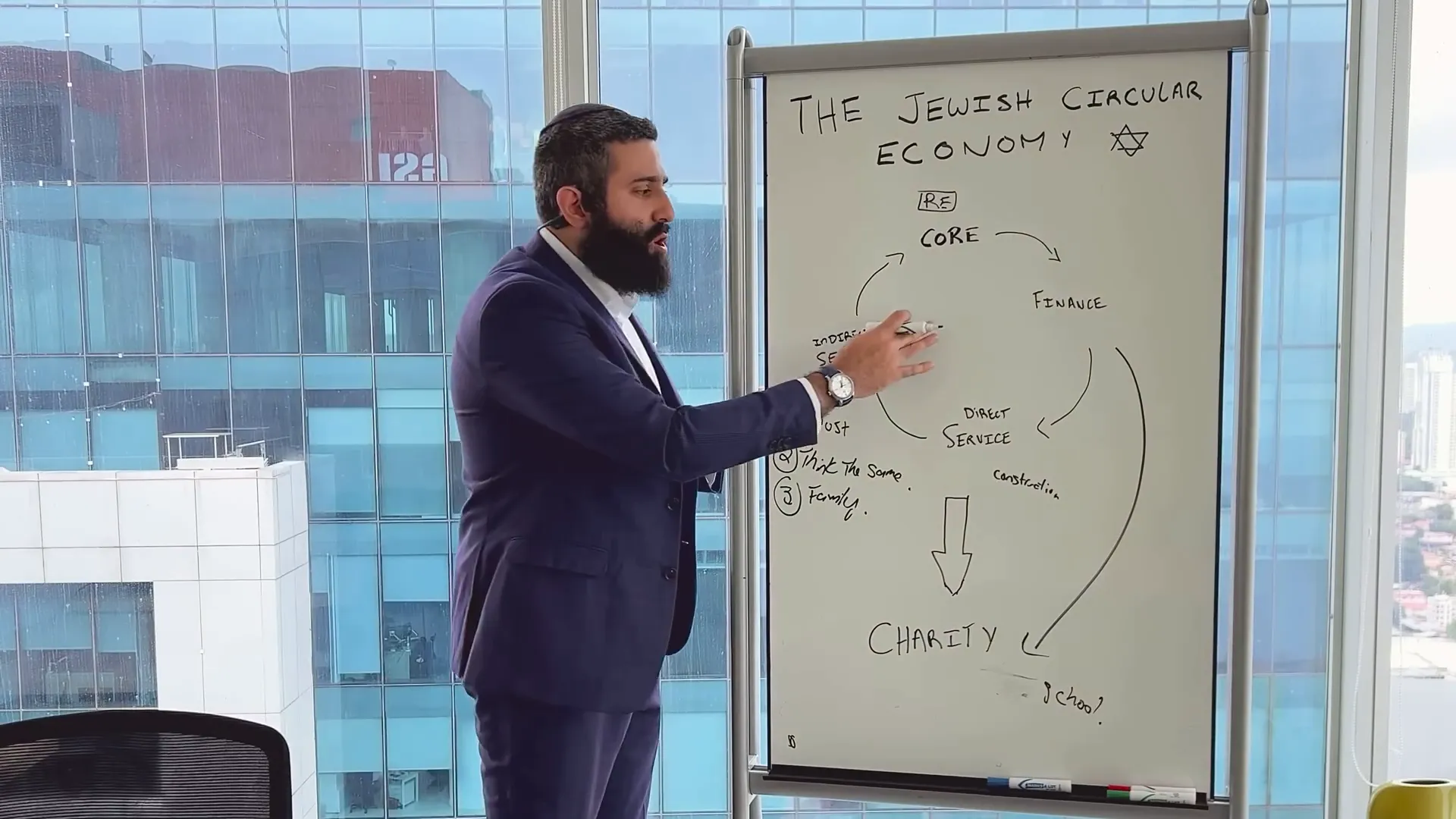
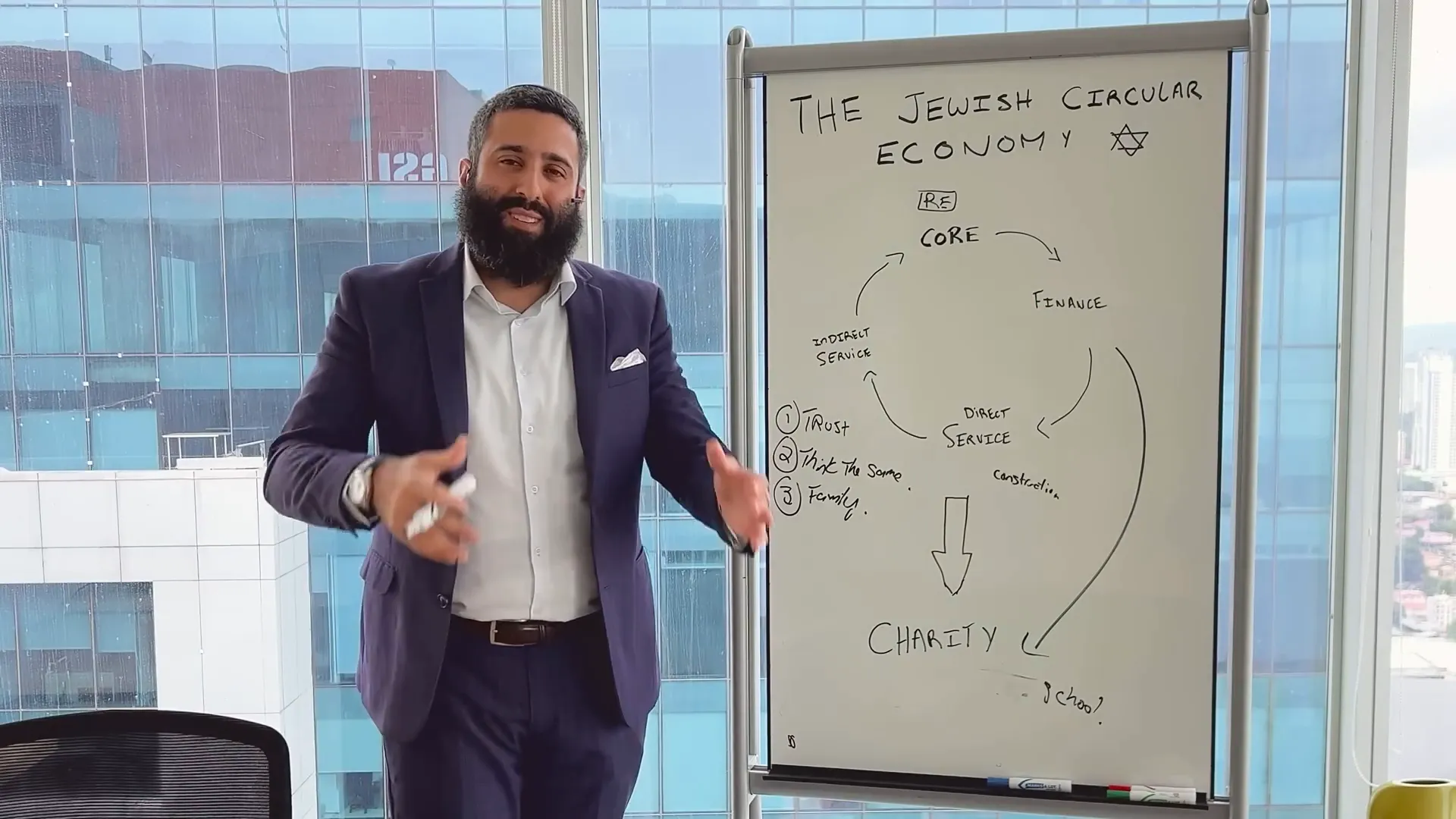
This creates a self-sustaining network where money, services, and trust circulate within the community, reinforcing economic stability and growth.
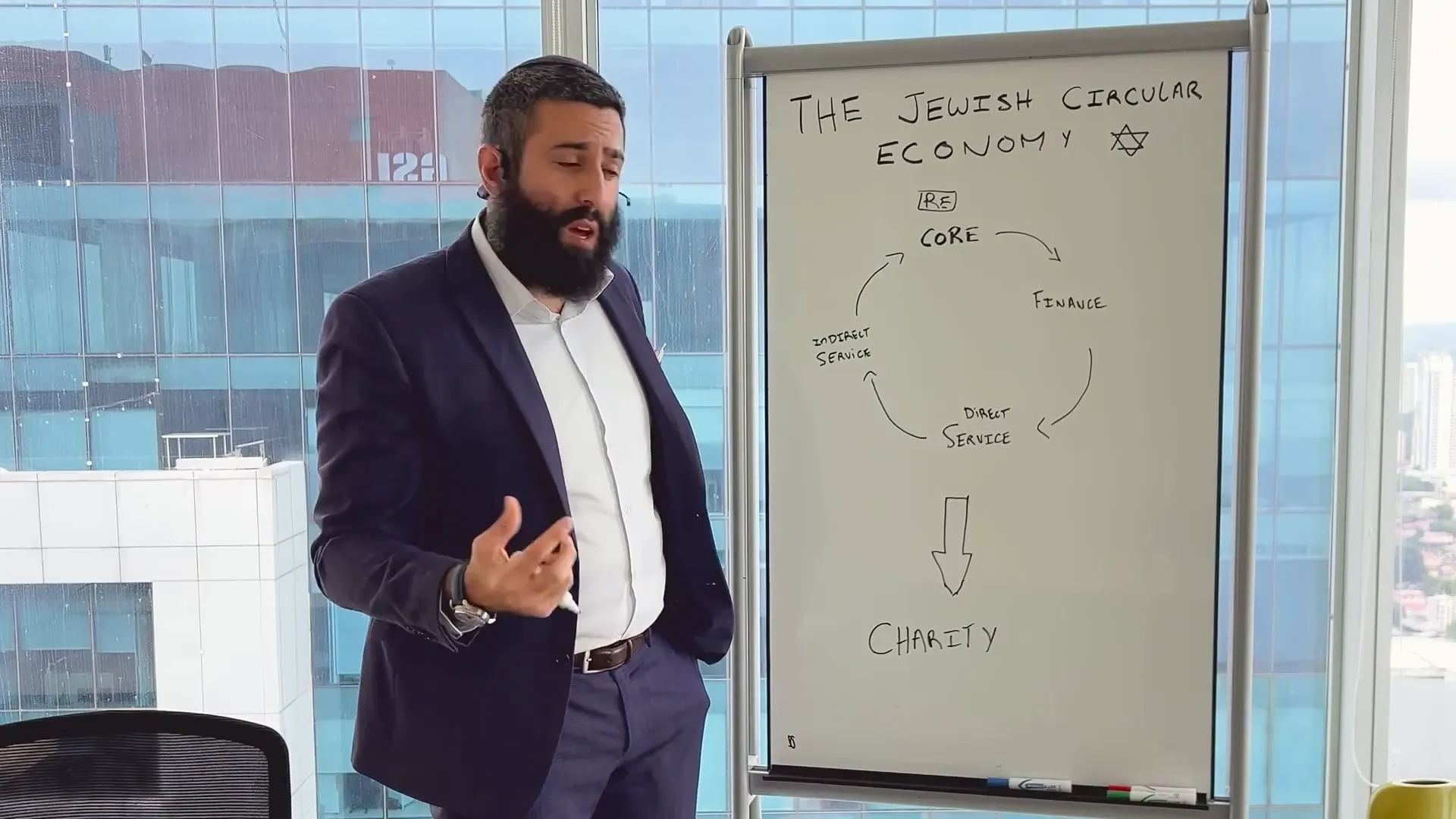 Berel Solomon emphasizes the importance of this network’s trust factor. Because all parties share common friends, rabbis, and social circles, they are motivated to treat each other with respect and integrity. No one wants to embarrass themselves or their community by failing to honor agreements or deliver quality services.
The Role of Charity in the Jewish Circular Economy
Another vital aspect of this economic model is the commitment to charity. Every business participant contributes at least ten percent of their profits to various charitable causes within their community—synagogues, schools, food banks, and disability centers.
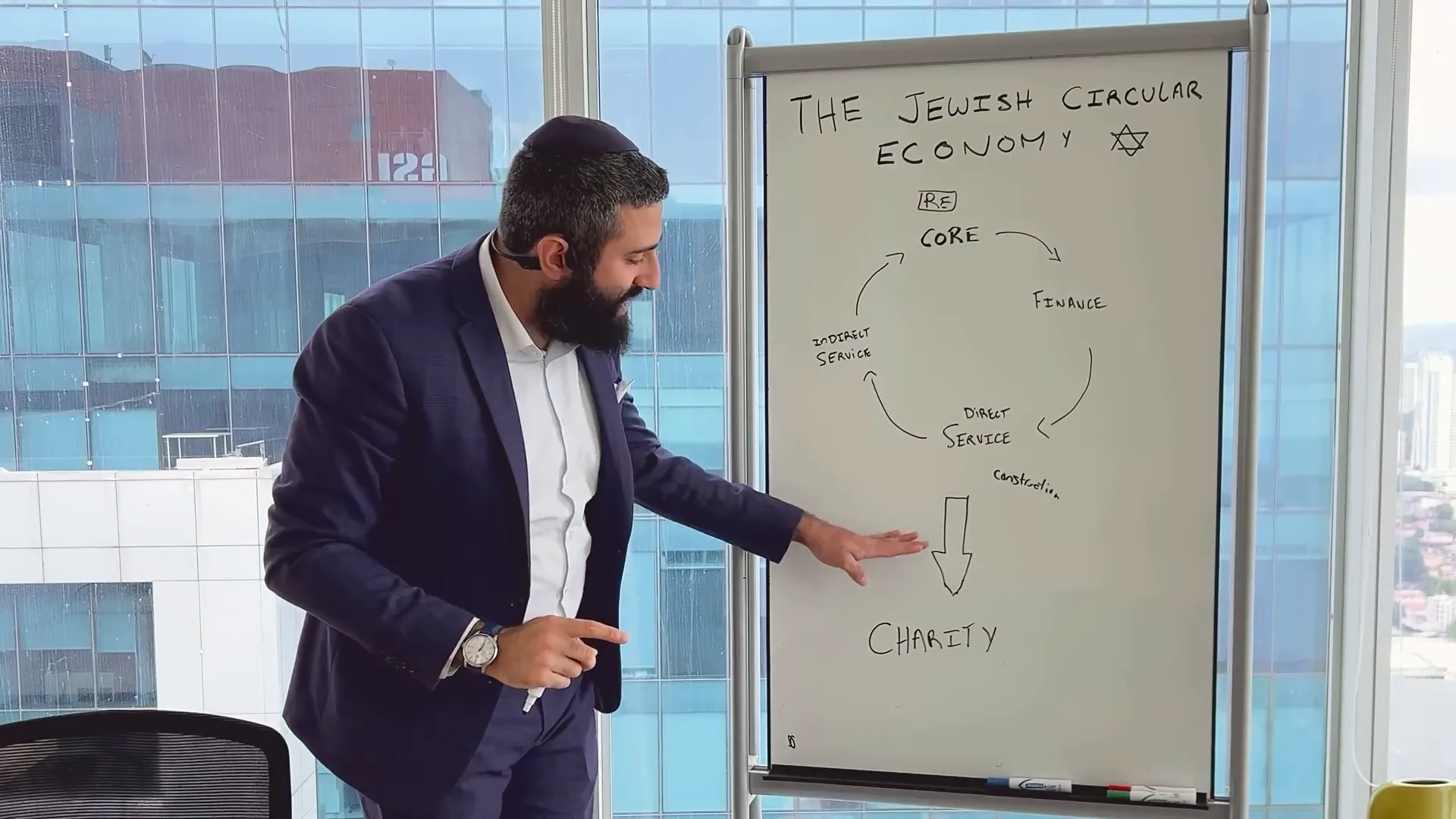 This reinvestment of wealth back into the community strengthens social institutions and provides essential services, creating a virtuous cycle where communal prosperity benefits everyone.
Why the Jewish Circular Economy Works: Trust, Shared Values, and Family
Berel Solomon outlines three core reasons why this circular economy model is so effective:
1. Trust
Because business is conducted within a close-knit community, disputes are rare and usually resolved amicably. Everyone knows each other’s reputation, and maintaining honor is paramount.
2. Shared Mindset
Members of the community think similarly, sharing priorities and values that guide their business decisions. This alignment reduces friction and makes collaboration smoother.
3. Family-Like Bonds
The Jewish community operates like an extended family. There is a genuine desire to see neighbors, cousins, and friends succeed, recognizing that individual success fuels collective well-being.
Applying the Circular Economy Model to Any Community
While this model is deeply rooted in Jewish traditions and values, Berel Solomon points out that the concept is universal and can be adopted by any community, regardless of religion, race, or background.
By fostering trust, shared values, and mutual support, any group can create a circular economy that uplifts its members and reinvests wealth back into communal growth.
Conclusion: Building Success Through Community
The Jewish circular economy is a powerful example of how business success can be achieved through ethical practices, trust, and community interdependence. By focusing on lucrative yet moral businesses, supporting one another, and committing to charity, the Jewish community has built a resilient and thriving economic system.
Whether you are looking to strengthen your own business network or foster economic growth in your community, the principles behind the Jewish circular economy offer valuable lessons on trust, shared purpose, and giving back.
As Berel Solomon reminds us, when everyone in the community does well, the benefits flow back to each individual, creating a cycle of success that is truly greater than the sum of its parts.
May this inspire you to build your own circular economy and witness the growth and prosperity it can bring.
God bless, and here’s to your success!

Be the first to comment