
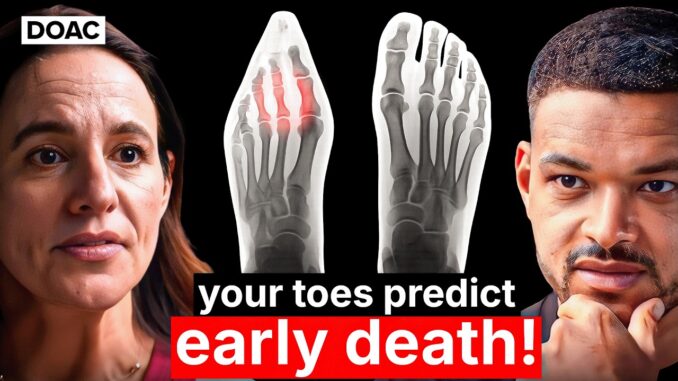

The Foot Expert: Your Toes Can Predict If You’ll Die Early! This Will Fix Plantar Fasciitis!
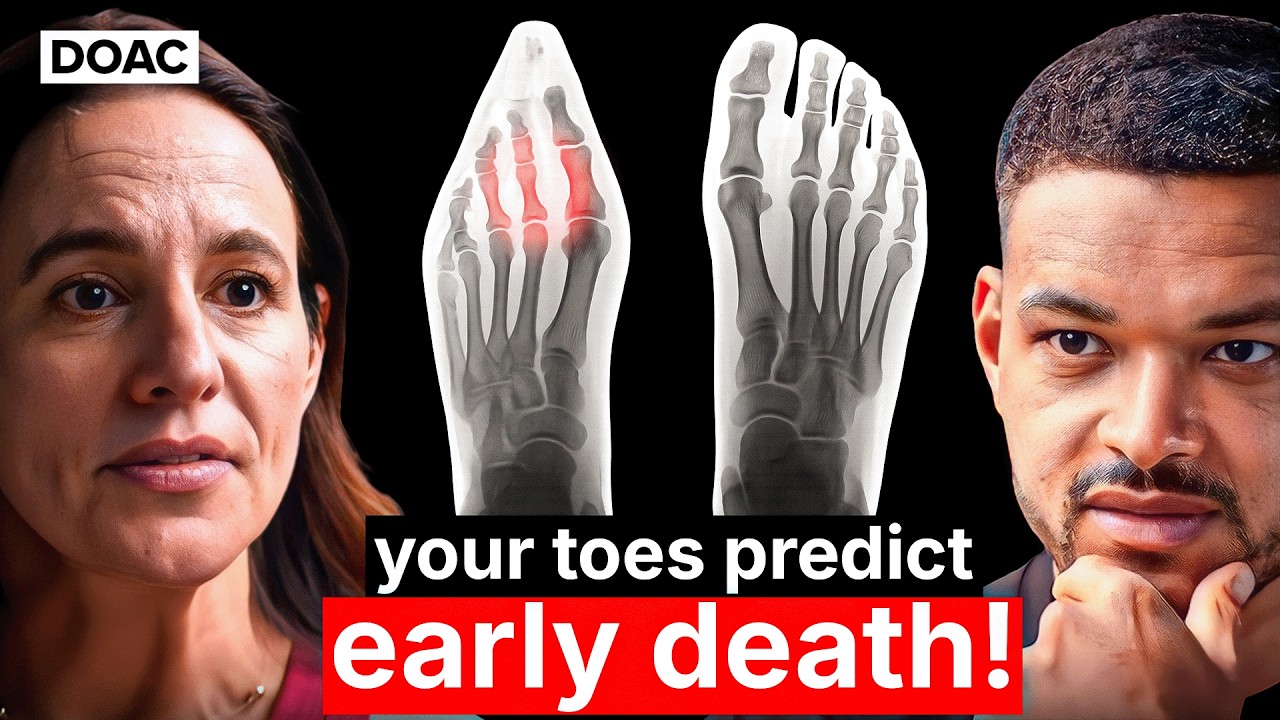 What if the secret to fixing back pain, avoiding dementia, and living longer lies quite literally beneath your feet? Dr. Courtney Conley, a renowned foot specialist and founder of ‘Gait Happens’ and ‘Total Health Solutions,’ is challenging everything we think we know about foot health. Through her expertise, she reveals the staggering impact foot pain has on our physical, emotional, and mental well-being, and shares actionable insights on how to strengthen your feet and transform your overall health.
Why Your Feet Matter More Than You Think
One in three people will experience foot pain, a statistic that is as alarming as it is common. Foot pain doesn’t just affect your ability to move; it can spiral into emotional distress, depression, and a decline in mental health. Dr. Conley shares from her personal journey as a ballet dancer and triathlete, having suffered from bunions, neuromas, and heel pain. “When you can’t walk or move, you can go to some pretty dark places,” she says.
Walking, an often overlooked activity, holds immense power. Research shows that taking 5,000 steps a day can reduce symptoms of depression and lower all-cause mortality risk by 15%. Increasing to 9,800 steps daily can cut dementia risk significantly. Yet, many of us fall short of these numbers in our sedentary lifestyles.

The Hidden Impact of Footwear on Foot Health
Footwear plays a critical role in foot function—and unfortunately, many of our choices are detrimental. Around 70% of children wear shoes that are too narrow, altering the natural structure of their feet from a young age. Narrow, tapered toe boxes compress the toes, weakening muscles and changing foot mechanics.
Dr. Conley explains, “The widest part of the foot should be the toes. When you put your foot in a tapered shoe, it changes the structure.” This leads to shortened calf muscles, altered pressure distributions, and ultimately, chronic foot problems.
 Men’s dress shoes and high heels are notorious offenders, often featuring elevated heels and stiff construction that distort natural foot positioning. This not only affects the foot but also cascades upward, influencing calf muscles, hamstrings, and even the back. “I see a lot of back injuries that relate to things like heels,” Dr. Conley notes.
Why Cushioning Isn’t Always a Cushion
Modern shoes often boast thick cushioning, which feels comfortable initially. But the trade-off is a loss of sensory perception. Our feet are packed with thousands of receptors that provide critical feedback to maintain balance and stability. Excessive cushioning dulls this sensory input, impairing foot function and increasing injury risk.
Dr. Conley advises, “If you’re standing on hard surfaces all day, some cushion is okay, but at least allow your toes to splay.” This natural toe spread is essential for balance and propulsion.

Common Foot Injuries and Their Origins
From bunions and neuromas to hammertoes and plantar fasciopathy (heel pain), many foot conditions stem from weak, improperly supported feet. Neuromas, such as Morton’s neuroma, are nerve irritations between the toes caused by a lack of forefoot splay and stability.
Hammertoes—claw-like deformities—are visible signs of abnormal load and dysfunction in the foot. Unlike other joints, the foot shows these aberrant loads externally, serving as a window into deeper mechanical problems.
 Plantar fasciopathy, one of the most common diagnoses, often arises from adding load too quickly without sufficient foot strength. Achilles tendinopathy and posterior tibialis tendon dysfunction also highlight the need for targeted strengthening of foot and calf muscles.
Movement as Medicine: The Power of Walking
Walking remains the most underrated, accessible activity to improve health. Average global step counts hover around 4,500 to 5,000 steps daily, with many people doing less. Even small increases in daily steps yield significant health benefits:
- An extra 500 steps can reduce cardiovascular mortality risk by 7%
- An extra 1,000 steps can reduce all-cause mortality risk by 15%
- Walking 7,500 steps or more daily can lower depression prevalence
Dr. Conley recounts a poignant story of a 27-year-old patient with chronic heel pain who was advised to limit his walking to 2,500 steps per day. This restriction led to depression and social isolation. Through gradual reintroduction of “microwalks” (short, manageable walks), combined with foot strengthening and proper footwear, the patient’s physical and emotional health dramatically improved.
Footwear Choices That Support Your Health
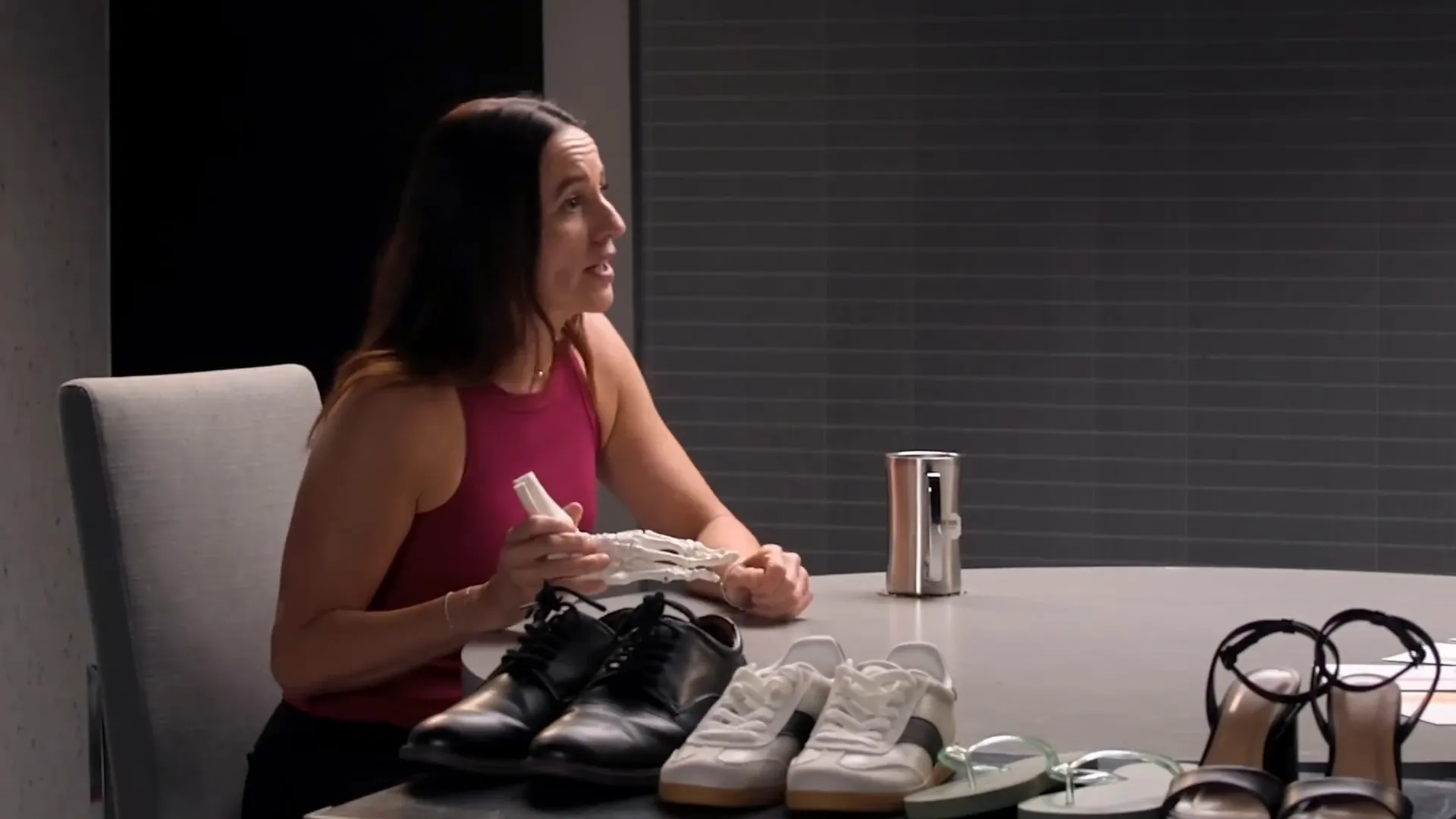
Dr. Conley recommends functional footwear with three key characteristics:
- Wide Toe Box: Allows toes to splay naturally, improving stability and reducing nerve irritation.
- Zero Drop: Heel and toe sit in the same plane, preserving natural foot position and muscle length.
- Thin and Flexible Sole: Encourages foot muscles to engage and strengthen by allowing better ground feel.
Examples include shoes like Vivo Barefoot and Ultra Running, which offer these features. However, transitioning from traditional cushioned shoes to minimalist footwear requires time and gradual adaptation to avoid aggravating foot pain.

The Truth About Super-Cushioned Running Shoes
Super shoes, such as the Nike Alpha Fly, offer technological advantages like toe springs and carbon plates that improve running economy by 2-4%. However, these features can weaken intrinsic foot muscles if worn exclusively during training. Dr. Conley advises using such shoes mainly for race days, while building foot strength in more supportive, flexible footwear during training.

Foot Strengthening Exercises: Your At-Home Foot Gym
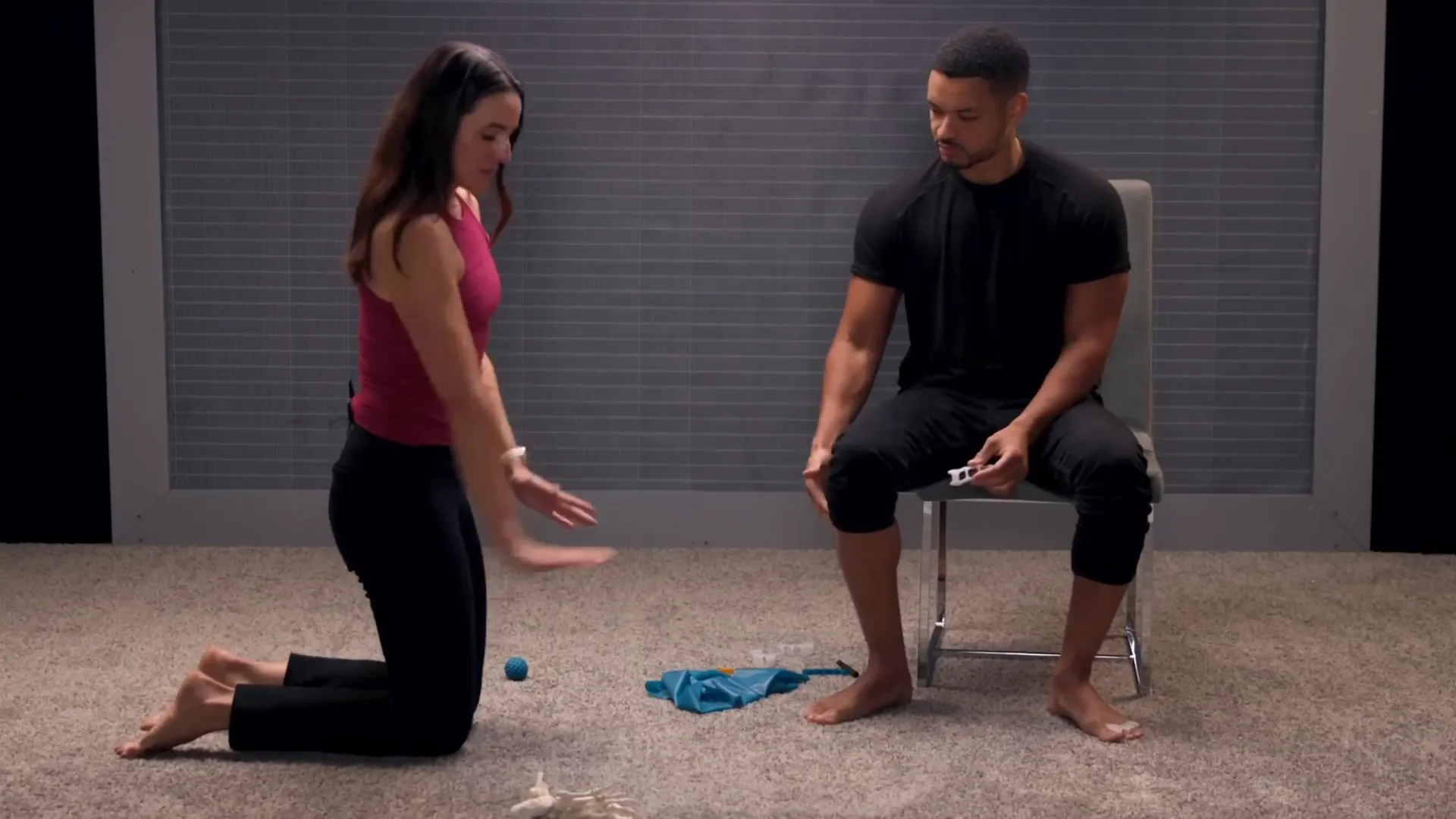
Strengthening your feet is essential to prevent injury and improve function. Dr. Conley shares her “foot gym” toolkit, including:
- Toe Spacers: To encourage toe splay and counteract years of cramped footwear.
- Toe Strengtheners: Resistance bands that work like bicep curls for your toes.
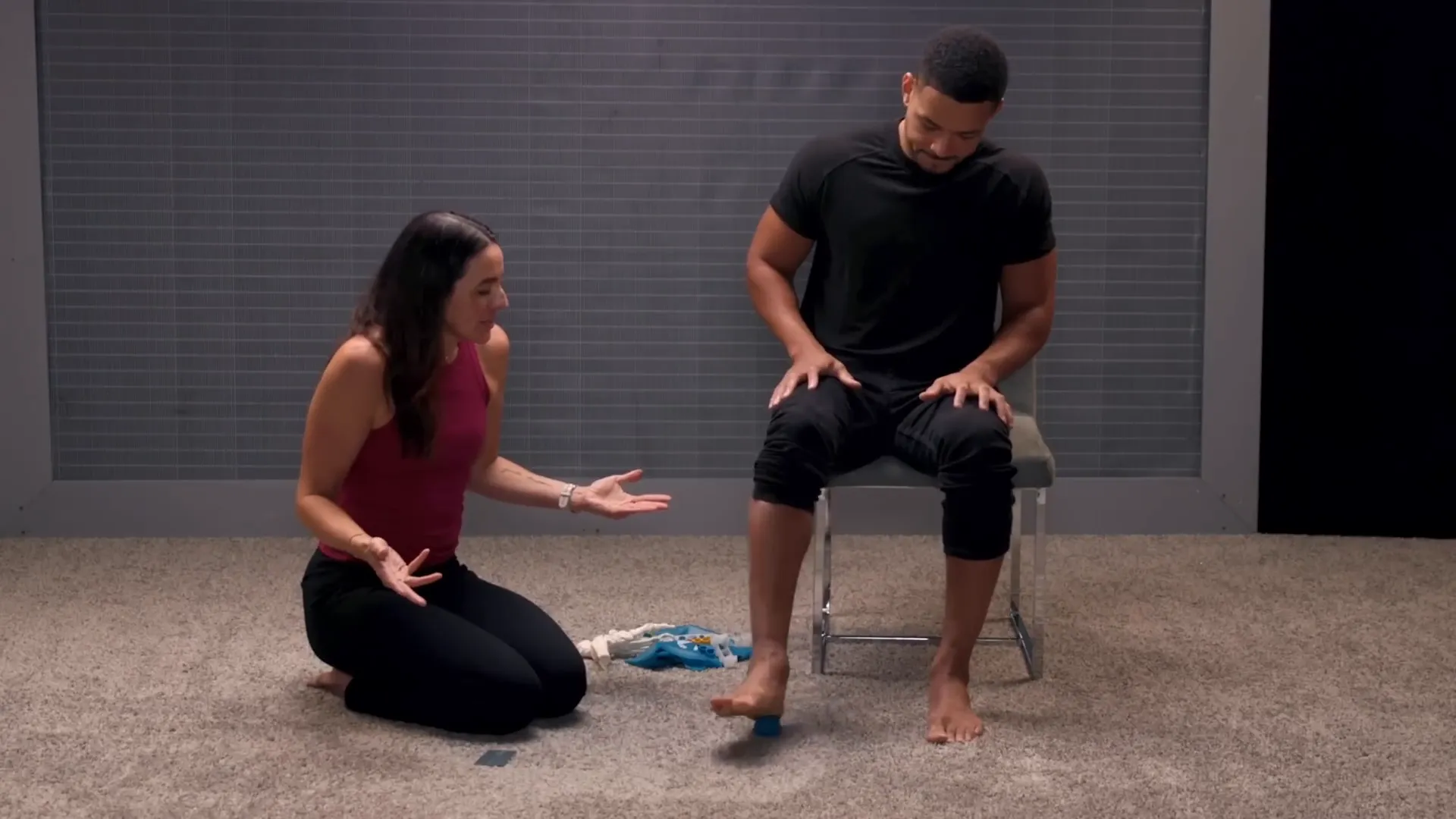
- Massage Balls: To stimulate receptors on the foot’s sole and improve sensory feedback.
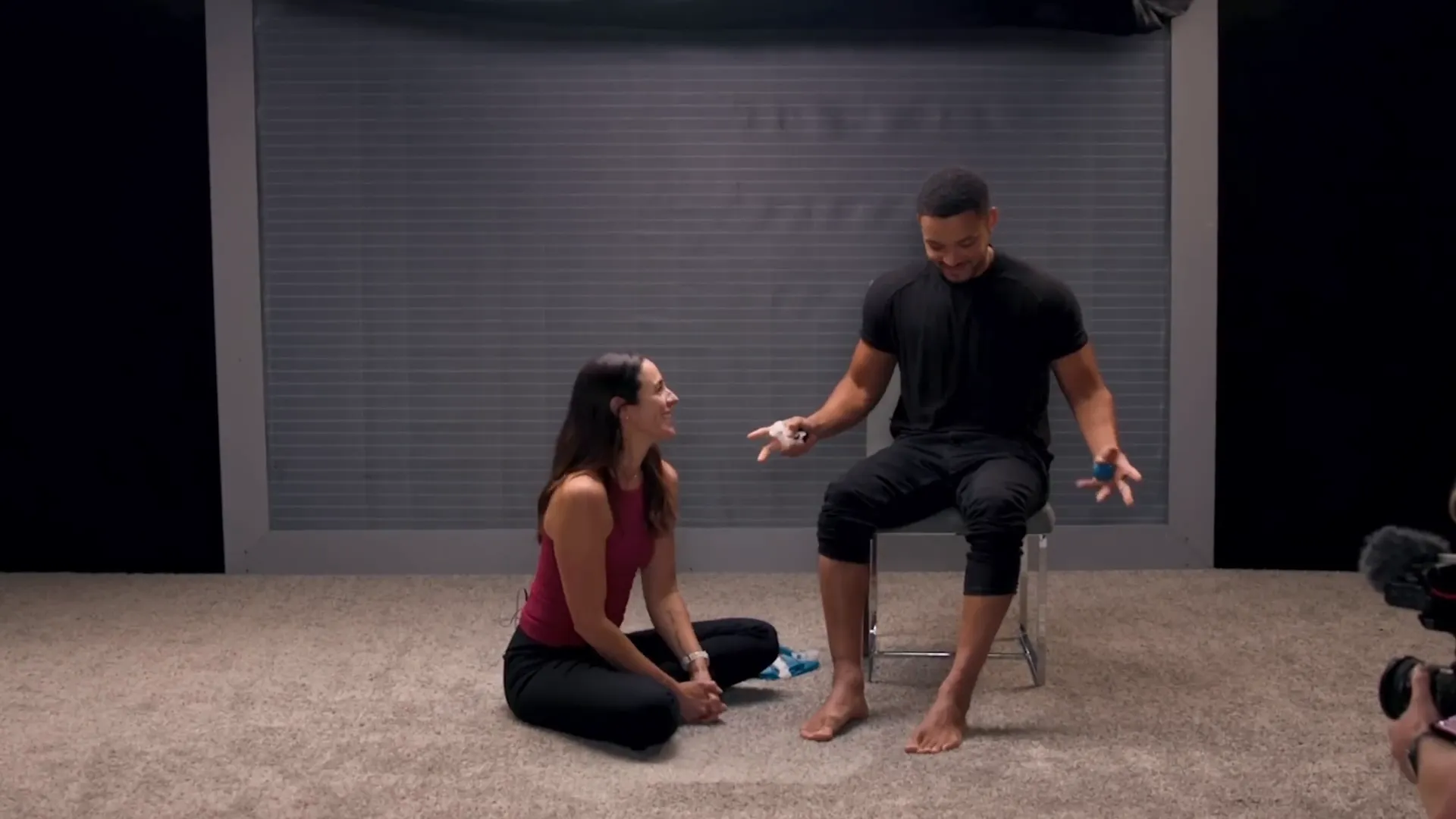 Simple exercises include lifting and spreading your toes, pressing toes into the ground while maintaining a tripod foot position, and using resistance bands to strengthen the big toe and little toe muscles. These exercises help build a resilient foundation from the ground up, supporting ankle, knee, and hip function.
Dr. Conley emphasizes the importance of ankle mobility, especially dorsiflexion (bending the ankle upward), which is often restricted by prolonged high heel use or stiff footwear. Improving ankle mobility and strength, particularly in the soleus muscle, is crucial for overall lower limb health and injury prevention.
Understanding Gait and Its Connection to Foot Health
Gait—the pattern of walking or running—is unique to every person but can reveal compensations and inefficiencies. Two common gait issues are overstriding (landing with your foot too far ahead of your body) and crossover (feet crossing the midline while walking or running). Both can reduce efficiency and increase injury risk.
Proper gait mechanics depend on foot strength and hip control. The foot must feel the ground to function correctly, but excessive shoe cushioning can dull this sensation, allowing poor gait habits to persist unnoticed.
Practical Tips for Better Foot Health
- Choose shoes with a wide toe box and zero drop. Avoid narrow, tapered, or high-heeled shoes for prolonged wear.
- Gradually transition from cushioned shoes to minimalist footwear to build foot strength safely.
- Incorporate foot exercises regularly, such as toe lifts, spreads, and resistance band curls.
- Take movement breaks throughout the day, including short “microwalks” to keep your system active.
- Focus on ankle mobility and strength to support healthy gait and reduce injury risk.
Dr. Conley also cautions against overreliance on orthotics and insoles without strengthening the foot muscles. While orthotics can provide short-term relief by offloading painful areas, the ultimate goal should be to regain natural foot function and reduce dependency on inserts.
Conclusion: A Strong Body Starts With Strong Feet
Our feet are the foundation of our entire body, influencing movement, stability, and overall health. Foot pain is more than just a nuisance—it can derail physical activity, mental health, and quality of life. By paying attention to footwear choices, increasing daily movement, and actively strengthening our feet, we can improve longevity, prevent injury, and enhance well-being.
Dr. Courtney Conley’s insights and practical advice illuminate a path toward healthier feet and, by extension, a healthier life. Whether you’re recovering from plantar fasciitis, aiming to prevent future injuries, or simply looking to move better, the journey begins with your toes.
Start small, transition thoughtfully, and give your feet the care they deserve. Your future self will thank you.

Be the first to comment