

Joe Rogan – What Israel Is Doing Is Unforgivable
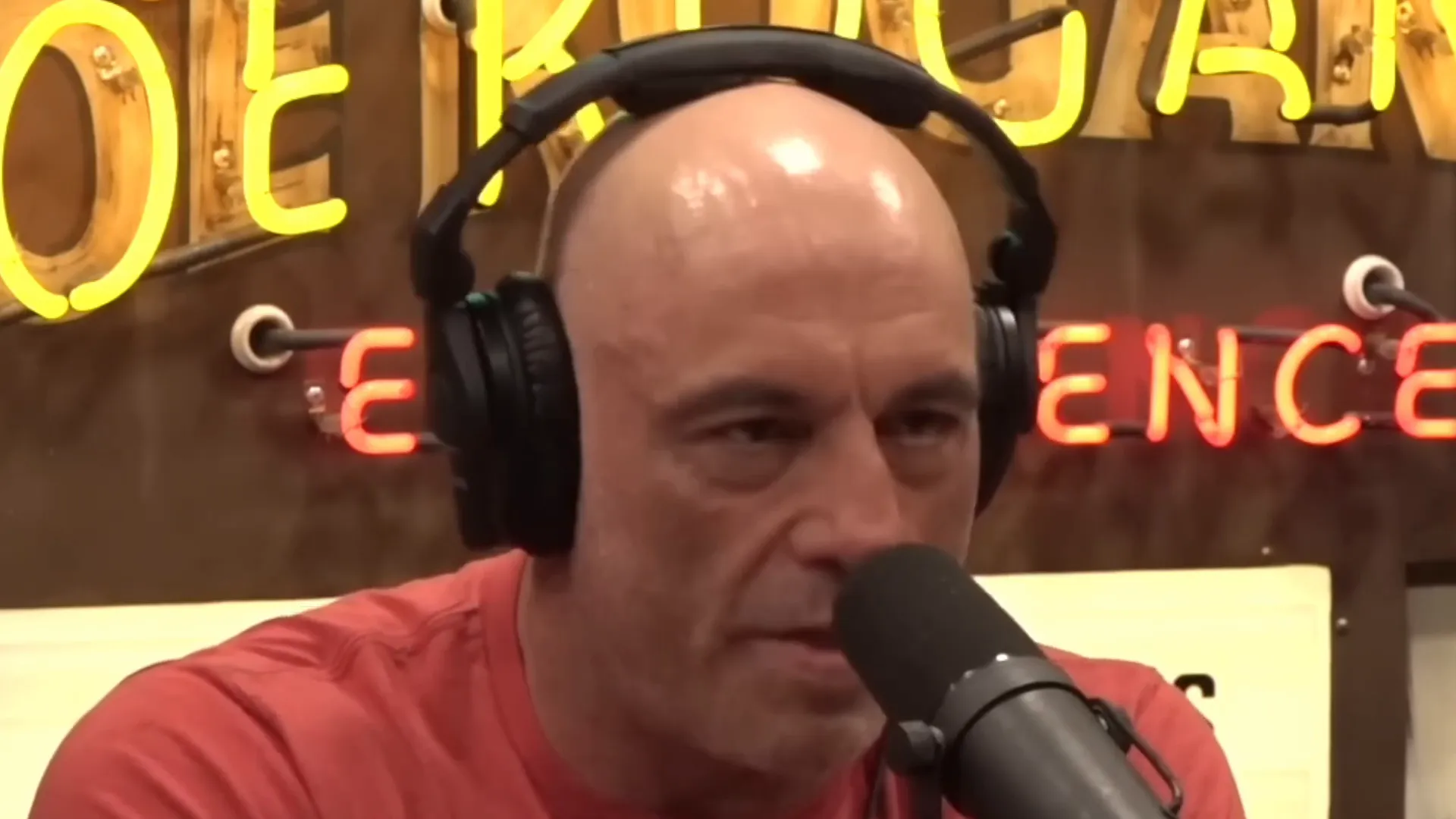
In a powerful and candid conversation on his podcast, Joe Rogan dives deep into the ongoing conflict in Gaza, expressing his strong condemnation of the actions taken and the devastating impact on innocent civilians. He challenges the prevailing narratives and calls for a more humane, rational approach to the crisis—one that recognizes the humanity on all sides and seeks true peace rather than endless violence. This article unpacks the key insights from Rogan’s discussion, exploring the complex emotions, political realities, and urgent need for change.
Seeing the Crisis Through a Human Lens
Joe Rogan begins by highlighting how many Americans are starting to question their country’s stance on the Gaza conflict. “They’re looking at what’s happening in Gaza, and they’re seeing images, and they’re saying, this is not what we should be as America,” he reflects. Rogan emphasizes the importance of embracing values like being “pro life, pro peace,” sentiments that he sees gaining traction as more people witness the human cost of the conflict.
He draws a parallel to the Vietnam War protests of the late 1960s, noting how initially unpopular opposition eventually came to be recognized as the correct moral response. Rogan believes the same will happen with the Gaza situation: “In the future, people will realize the correct response was, like, this is not the… yeah.”
The Horrors of October 7 and Its Aftermath
Addressing the tragic events of October 7, Rogan acknowledges the horror of the attack but quickly pivots to the disproportionate and brutal response inflicted on Gaza. “October seventh was awful. Absolutely. Obviously. Terrible attack,” he says, but adds, “what they’ve done to Gaza is fucking insane.”
He challenges the often-heard justification, “Israel has the right to defend itself,” by questioning what exactly Israel is defending itself against—”Children? Women and children that are getting blown apart? Aid workers that are getting killed?” Rogan insists that any rational conversation must acknowledge these devastating realities to be meaningful.
The Hardening of Hearts and Lost Empathy
Rogan points out a troubling emotional barrier among many, especially on the Republican side in the U.S., who struggle to see Palestinians as human beings with feelings and emotions. He explains that the trauma witnessed on October 7 has “hardened” some hearts, making it difficult for them to empathize with Palestinians.
He invites readers to imagine if such violence were happening in Scandinavia, underscoring how strange it is that empathy seems absent in this conflict despite its severity and proximity.
A Personal Story of Innocence Amidst Conflict
To illustrate the stark contrast between those living in conflict zones and others, Rogan shares a touching story about his five-year-old son, who was visiting grandparents in Amman, Jordan. During a FaceTime call, his son was alarmed by sirens and rockets, urging Rogan to go inside for safety—though Rogan was thousands of miles away in California, far from any danger.
When asked if he was afraid, his son responded not with fear for himself but concern for others: “I’m afraid that other people are… I want everyone to be okay.” This moment highlights the innocence lost and the deep emotional impact the conflict has even on children who may not fully understand war but feel its effects nonetheless.
The Universal Desire for Peace and Progress
Despite the violence and political strife, Rogan stresses that across Gaza, Israel, and the West Bank, people fundamentally want peace. “People want to live. People want to trade. People want to build,” he affirms. This desire for normalcy and growth is a driving mission behind Rogan’s own work—providing tools for people to improve their lives amid chaos.
He laments that the conflict continues largely because the region is “led by maniacs,” with leaders convincing their people that others—often strangers—are enemies. This cycle of fear and hatred perpetuates violence, with rockets launched and lives destroyed.
The Role of Leadership and Propaganda
Rogan sharply critiques the leadership on all sides, pointing out how they manipulate large groups by fostering enmity. “You have people that are in control of large groups of people that convince these people that these other large groups of people that they don’t even know are their enemies,” he explains.
This manipulation fuels ongoing violence and division, which is especially heartbreaking given the wealth of knowledge today about corruption, theft of resources, and abuse of power. Rogan finds it “crazy” that such conflict persists in 2025 despite these realities.
Hope in the Power of the Internet
Ending on a hopeful note, Rogan expresses optimism about the internet’s potential to break down barriers of propaganda and ignorance. “I’m really hoping the Internet is finally reaching its potential to start to open people’s minds and remove this veil,” he says.
In a world where information can be manipulated, the internet offers a chance to foster understanding and empathy—essential ingredients for any lasting peace.
Conclusion: A Call for Compassion and Rationality
Joe Rogan’s candid reflections on the Gaza conflict call for a shift from hardened hearts and political posturing to compassion, empathy, and reason. Recognizing the humanity on all sides and demanding accountability for the suffering inflicted is not just necessary—it’s urgent.
As more people around the world open their eyes to the realities on the ground, there is hope that the cycle of violence can be broken. It starts with seeing each other as human beings, seeking peace, and rejecting the narratives that divide us.
For those looking to understand the complexities and emotional depth of this conflict, Rogan’s conversation is a compelling invitation to listen, learn, and advocate for change.
In today’s digital era, the internet plays a crucial role in shaping our understanding of global conflicts. However, sometimes access to important information online can be unexpectedly blocked or restricted, making it harder to stay informed. Visit our sponsors affiliate
Overcoming such barriers is essential for fostering open dialogue and ensuring that diverse perspectives are accessible to all. By addressing these technical challenges, we can better harness the internet’s potential to promote empathy, understanding, and peace in complex situations like the Gaza conflict discussed by Joe Rogan.

Be the first to comment