


Tucker and Saagar Enjeti on the Dangerous New Developments in Pam Bondi’s Epstein Cover-Up
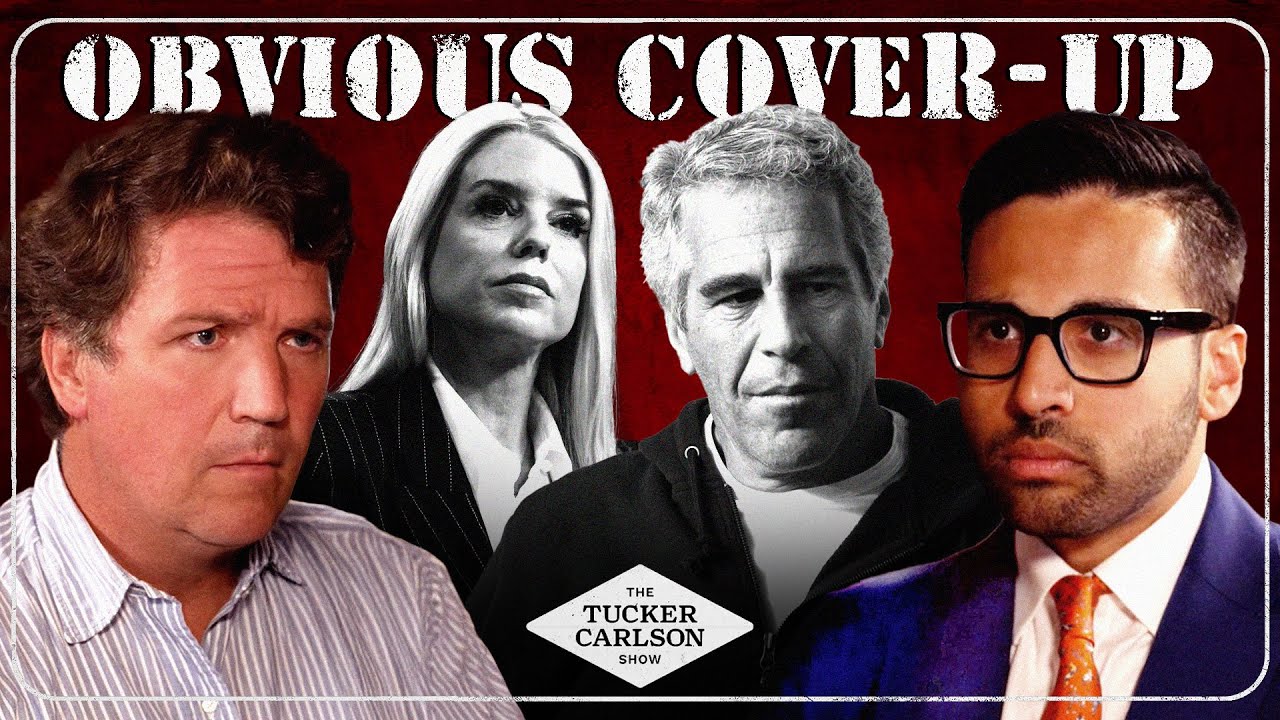
In a revealing and urgent discussion, Tucker Carlson and Saagar Enjeti delve into the troubling revelations surrounding the Jeffrey Epstein case and the recent actions of Pam Bondi’s Justice Department. Their conversation exposes a deep and systematic cover-up that intertwines powerful elites, intelligence agencies, and political interests, shaking the foundation of trust in American governance. They also explore wider themes of political betrayal, media manipulation, and the erosion of American sovereignty. This article distills their insights to shed light on these critical issues.
The Epstein Cover-Up: A Betrayal of Justice and Truth
The conversation begins with a startling admission: despite years of condemning Jeffrey Epstein as a criminal mastermind involved in blackmail and child trafficking, new statements from Pam Bondi suggest Epstein was innocent, had no clients, and died by suicide under mysterious circumstances in jail. Saagar Enjeti and Tucker Carlson reject this narrative, asserting that Epstein was murdered and that the entire case is a political charade.

Bondi’s public claims of possessing a client list and flight logs connected to Epstein’s victims have been contradicted by recent denials, adding to the confusion and suspicion. The Justice Department’s refusal to release full information and the redacted “Epstein files” handed to influencers appear to be performative gestures rather than genuine transparency.
This cover-up is not just about Epstein; it implicates billionaires like Bill Gates, Leon Black, Leslie Wexner, and high-profile political figures including former and current U.S. presidents and Israeli prime ministers. The cover-up extends into intelligence communities, with Jeffrey Epstein’s role as a conduit for high-stakes money laundering—particularly involving Israeli and U.S. intelligence—highlighted as central to the operation.
Enjeti draws parallels between the Epstein scandal and the Kennedy assassination, suggesting both events shattered public trust and exposed systemic corruption. The document released by the Trump administration dismissing blackmail claims and refusing to disclose key evidence is labeled as “complete bullshit,” signaling a deliberate attempt to bury the truth.
The Intelligence Community’s Role and Historical Context
Delving deeper, the origins of Epstein’s rise are linked to his expertise in financial manipulation and connections to figures like Leslie Wexner and Robert Maxwell, the latter described as a “sovereign wealth fund” brokering covert deals between Israel and Iran. Epstein’s activities allegedly included laundering money and funneling resources to intelligence operations, with the sex trafficking allegations intertwined with these covert functions.
The discussion highlights documented cases of pedophilia within the CIA that were covered up to protect intelligence operations, reinforcing the notion that Epstein’s case is part of a broader pattern of abuse and secrecy within powerful institutions. The speakers emphasize how the veil of secrecy and the culture of lying enable and inspire such behavior.
Media, Politics, and the Betrayal of the MAGA Movement
Both Carlson and Enjeti reflect on their personal journeys in media, exposing how mainstream outlets prioritize access and insider relationships over truth. Enjeti recounts his move from a White House correspondent role to independent media, driven by the desire to speak honestly about issues like the opioid crisis and political corruption without censorship or corporate pressure.
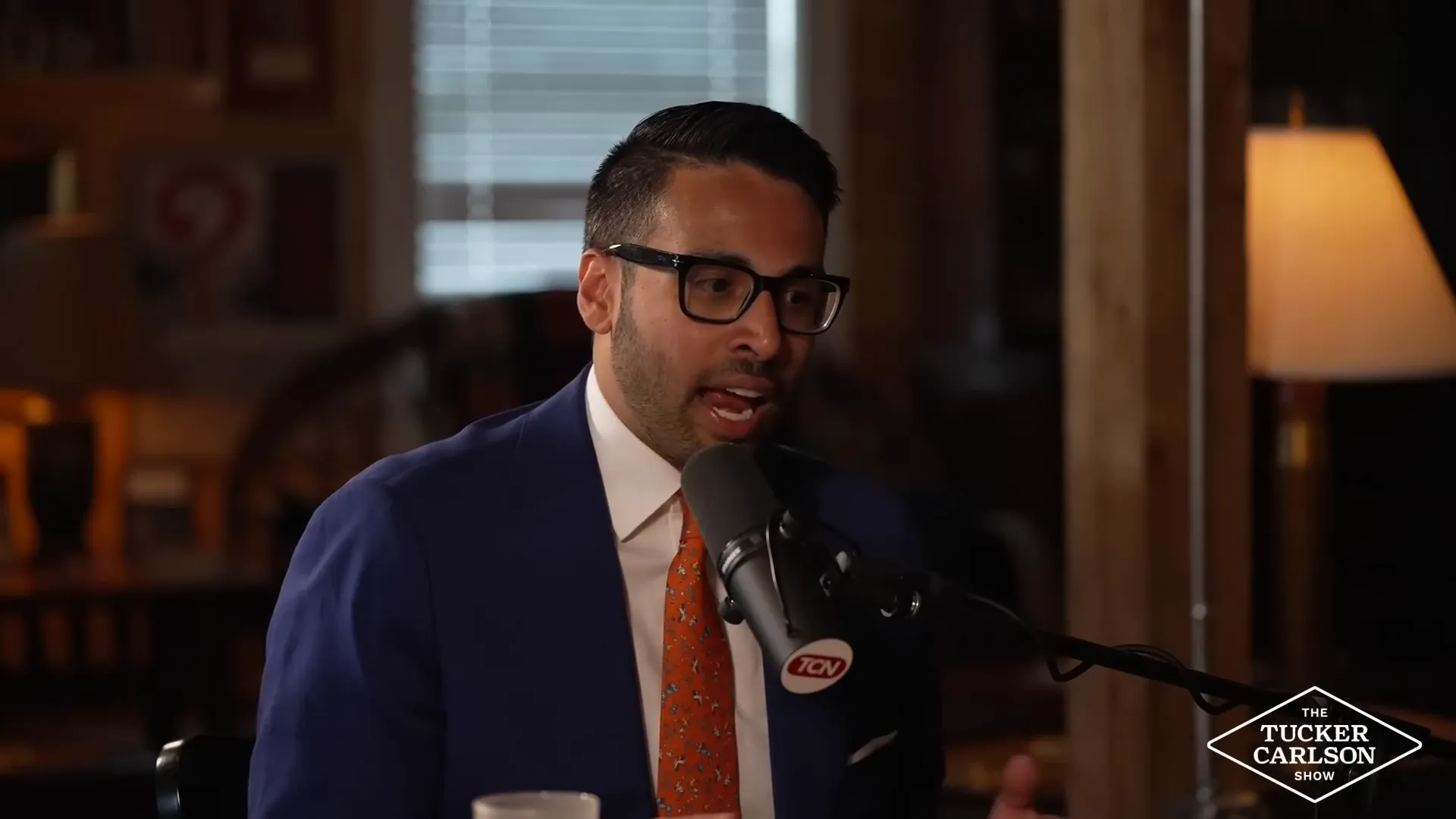
They criticize figures who initially promised transparency on Epstein but reversed course once in power, accusing them of lying to their supporters and enriching themselves while perpetuating the cover-up. This betrayal threatens to fracture the MAGA coalition, which was built on promises of putting America first and exposing corruption.
They also discuss how identity politics and foreign influence, particularly relating to Israel, have infected the right-wing movement, leading to contradictions that alienate many supporters. The weaponization of civil rights laws to suppress criticism of Israel is cited as a dangerous development undermining free speech and American values.
The Rise of Independent Media and New Voices
Despite the challenges, there is hope in the rise of independent media platforms like “Breaking Points,” co-hosted by Enjeti, which provide unfiltered analysis and foster honest dialogue. They contrast this with the performative and controlled nature of mainstream media, where access to power often trumps journalistic integrity.
The Broader Political Landscape: Foreign Policy and Domestic Exploitation
The conversation expands into America’s foreign policy, scrutinizing the disproportionate influence of Israel on U.S. decisions and the mismatch between American interests and those of its allies. They compare U.S.-Israel trade to relationships with countries like Singapore and Chile, noting the inconsistency of political attention versus economic ties.

They also critique the massive increase in defense spending, the inefficiencies of the military-industrial complex, and the risks of endless foreign entanglements, particularly with Iran. The history of Israeli preemptive strikes and regime change ambitions is examined as a source of ongoing instability and potential nuclear proliferation.
The Social Cost of Sports Gambling and Economic Precarity
Turning to domestic issues, Carlson and Enjeti condemn the explosion of legalized sports gambling as a predatory industry exploiting vulnerable Americans, especially young men. They reveal how a small percentage of gambling addicts generate the majority of revenue for companies like DraftKings and FanDuel, who actively encourage destructive behavior while banning skilled gamblers.
This epidemic of gambling addiction contributes to bankruptcy, domestic violence, and social decay, fueled by aggressive advertising and the normalization of high-risk betting via smartphones. They call for regulatory friction akin to alcohol and tobacco controls to mitigate harm.
Further, they discuss how financial exploitation through high-interest credit cards and payday loans deepens economic precarity, leaving many Americans one crisis away from bankruptcy. The political system’s failure to address these everyday struggles feeds frustration and radicalism.
Concluding Reflections: The Urgency for Truth and Reform
Carlson and Enjeti close with a sober reflection on the consequences of secrecy, lies, and corrupted leadership. The Epstein cover-up is emblematic of a broader crisis of trust and governance in America, one that endangers the republic’s future. They urge demand for transparency and accountability, warning that continued deceit risks violent upheaval.
They express cautious hope in political change, particularly in the coming years of Trump’s presidency and his relationship with Israeli leadership, while emphasizing the need for America-first policies that reclaim sovereignty and serve the interests of its citizens.
Ultimately, the discussion is a call to awaken from complacency, to challenge entrenched powers, and to pursue a more honest, equitable, and sovereign America.

Be the first to comment