


Tucker and Chris Cuomo Debate JFK/Epstein Files, DOGE, Joe Rogan, NATO, Transgenderism, and DEI
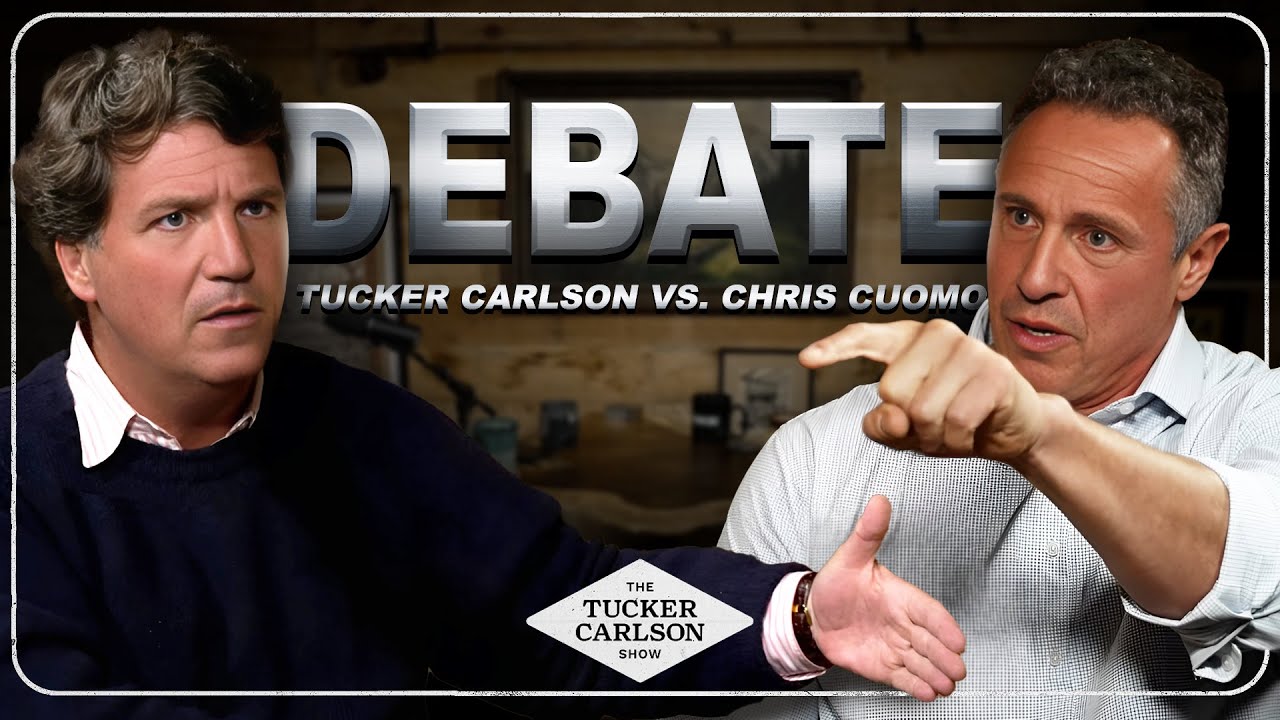
In a candid and wide-ranging conversation, Tucker Carlson and Chris Cuomo delve into some of the most pressing and controversial topics of our time. From media dynamics to political upheavals, and from cultural debates to geopolitical conflicts, this dialogue offers a nuanced exploration of what it means to be American today. Below, we unpack the critical themes they discussed, capturing their insights and perspectives that challenge conventional narratives and invite deeper reflection.
Media, Career Transitions, and the Changing Landscape
Reflecting on their personal journeys, Chris Cuomo acknowledges the tumultuous nature of the media industry. After his departure from CNN, he found unexpected support and freedom at NewsNation, where he feels encouraged to embrace his work without seeking approval from past affiliations. He emphasizes the importance of transparency and honesty in journalism, advocating for openness about conflicts of interest, such as not covering his brother Andrew Cuomo’s mayoral race to avoid bias.
“NewsNation has been what I would call a blessing in my life… They really believe in what I’m doing here and supporting me.” – Chris Cuomo
Tucker and Chris also touch on the evolving media landscape, highlighting Joe Rogan’s influence as a media figure who operates independently from traditional corporate structures. They discuss the rise of digital media, noting how power is shifting from institutions to individuals and independent voices. Yet, both express concern about the increasing consolidation in media ownership, warning that conglomerates may threaten the credibility that independent media currently holds.
Political Dynamics: Andrew Cuomo vs. Eric Adams and New York’s Challenges
The conversation shifts to New York politics, focusing on Andrew Cuomo’s mayoral run against incumbent Eric Adams. Chris shares his personal connection, describing Andrew as a mentor and expressing mixed feelings about the brutal nature of political campaigns. They discuss the complexity of governing a city like New York, emphasizing the need for strong rule enforcement to maintain order in a densely populated urban environment.
They agree that New Yorkers deserve safety and functionality, lamenting the city’s current state with rising crime and disorder. The debate touches on the necessity of leadership that is unapologetic in enforcing laws, yet respectful of democratic processes.
Debating Transgenderism and Cultural Shifts
A significant portion of the dialogue addresses the contentious topic of transgenderism, especially in relation to children and schools. Tucker expresses concerns about government and educational institutions promoting transgender ideologies to children, arguing this crosses a line and is destructive. Chris acknowledges these concerns but differentiates between tolerance and indoctrination, advocating for exposure to diverse beliefs while opposing coercion.
Both agree on the importance of protecting vulnerable groups from harm but debate the implications when protections for one group may infringe on the rights or safety of another, such as in school sports. The conversation reflects broader societal tensions about identity, rights, and the role of government in personal matters.
The JFK Assassination and Epstein Files: Questions of Transparency
Tucker and Chris turn to historical and contemporary mysteries surrounding the JFK assassination and the Jeffrey Epstein scandal. They express frustration over the continued secrecy and suppression of files related to these events, highlighting the implications for public trust in government institutions.
“There is clearly information in those files that are gonna make the CIA look bad… Someone is applying massive pressure to elected officials and has for a very long time, and I would like to know who that is.” – Tucker Carlson
The discussion raises concerns about the influence of hidden powers within government agencies and the chilling effect this has on democracy. They emphasize the need for transparency to restore trust and address the deep suspicions that arise when critical information is withheld from the public.
Unidentified Aerial Phenomena (UFOs) and Government Disclosure
Addressing the topic of UFOs, both commentators agree that while the exact nature of these phenomena remains unknown, the government has invested significant resources into studying them without providing clear answers. They argue that such secrecy is harmful to democratic accountability and fuels speculation.
Elon Musk, Corporate Power, and the Future of America
The conversation shifts to Elon Musk’s role in American society, particularly his efforts in restoring free speech through social media platforms like X (formerly Twitter). Tucker praises Musk’s contributions but also expresses concern about Musk’s understanding of government and social systems, especially regarding economic and judicial complexities.
They discuss the broader issue of billionaires and mega-corporations wielding disproportionate political influence, exemplified by figures like Ken Griffin. This raises alarms about accountability and the erosion of democratic control over national affairs.
Geopolitical Realities: NATO, Russia, and the Ukraine Conflict
Tucker and Chris provide contrasting views on the ongoing conflict in Ukraine. Tucker presents a critical analysis of U.S. involvement, emphasizing the lack of Ukrainian sovereignty since the 2014 coup and the problematic consequences of the war, including the destabilization of Ukraine and the proliferation of weapons on the black market.
He underscores the strategic dangers of the Russia-China alliance and questions the wisdom of escalating tensions with Russia, suggesting that peace negotiations are the only viable path forward.
Chris counters with a defense of Ukraine’s sovereignty and the legitimacy of its leadership, disputing claims about corruption and weapon sales. He highlights the complexity of the conflict and the challenges faced by all parties involved.
Immigration, National Identity, and American Unity
The dialogue tackles the controversial subject of immigration and its impact on American society. Tucker argues for an immediate halt to immigration to restore national cohesion, expressing concerns about cultural disunity and economic disruption amid technological change. He stresses the need for a unifying American identity based on shared values rather than race or ideology.
Chris acknowledges the challenges but emphasizes America’s historical role as a land of opportunity and assimilation, cautioning against framing immigration solely as a problem. They both agree on the importance of defining what it means to be American to prevent fragmentation.
Diversity, Equity, Inclusion (DEI), and Meritocracy
In a heated exchange, Tucker criticizes DEI policies for undermining meritocracy and fostering division by emphasizing race and sex over individual merit. He argues that the abandonment of standardized testing and merit-based systems has eroded the foundational American ideal of equal opportunity.
Chris offers a more nuanced perspective, recognizing the historical need for corrective measures to address past injustices, while cautioning against perpetuating division. They discuss the complexity of race as a social construct versus genetic reality, and the consequences of politicizing identity.
Transhumanism, Christianity, and the Future of Humanity
The conversation briefly touches on the philosophical and ethical concerns surrounding transhumanism—the merging of humans with machines—and its implications for the concept of the soul and human dignity. Tucker frames this as a profound spiritual challenge that contrasts with Christian beliefs about the sanctity of the individual soul.
Freedom of Speech and the Culture of Division
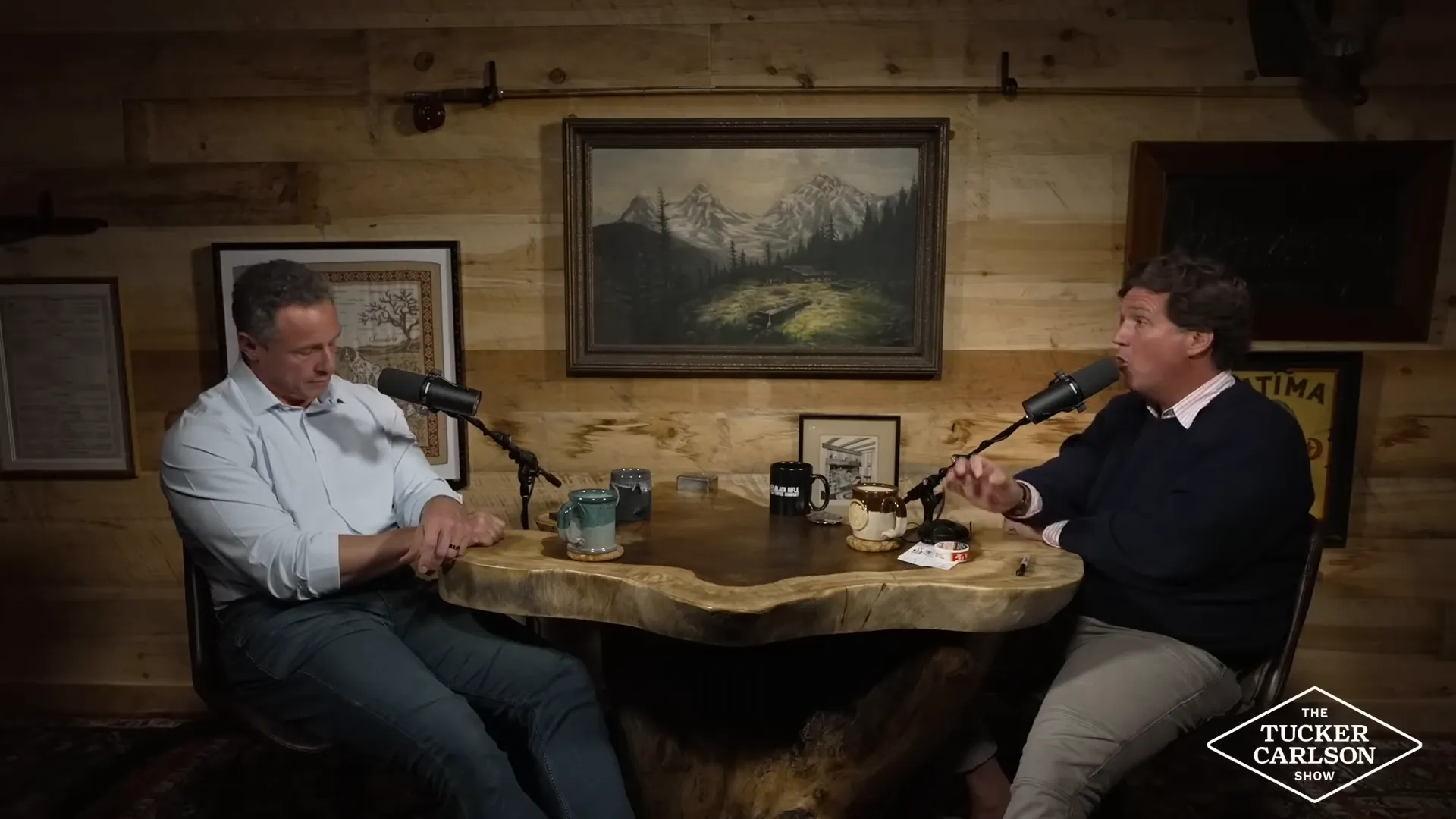
Both agree on the essential role of free speech in a democracy while lamenting the current climate of incivility and polarization. They reflect on how social media has amplified hostility and question whether society has gone too far in tolerating invective and insults. Yet, they caution against censorship, emphasizing the danger of suppressing dissent and the importance of respectful dialogue.
“If you live in a society where you’re not allowed to criticize the people in charge, you live in a tyranny.” – Tucker Carlson
Conclusion: The Power of Conversation and Understanding
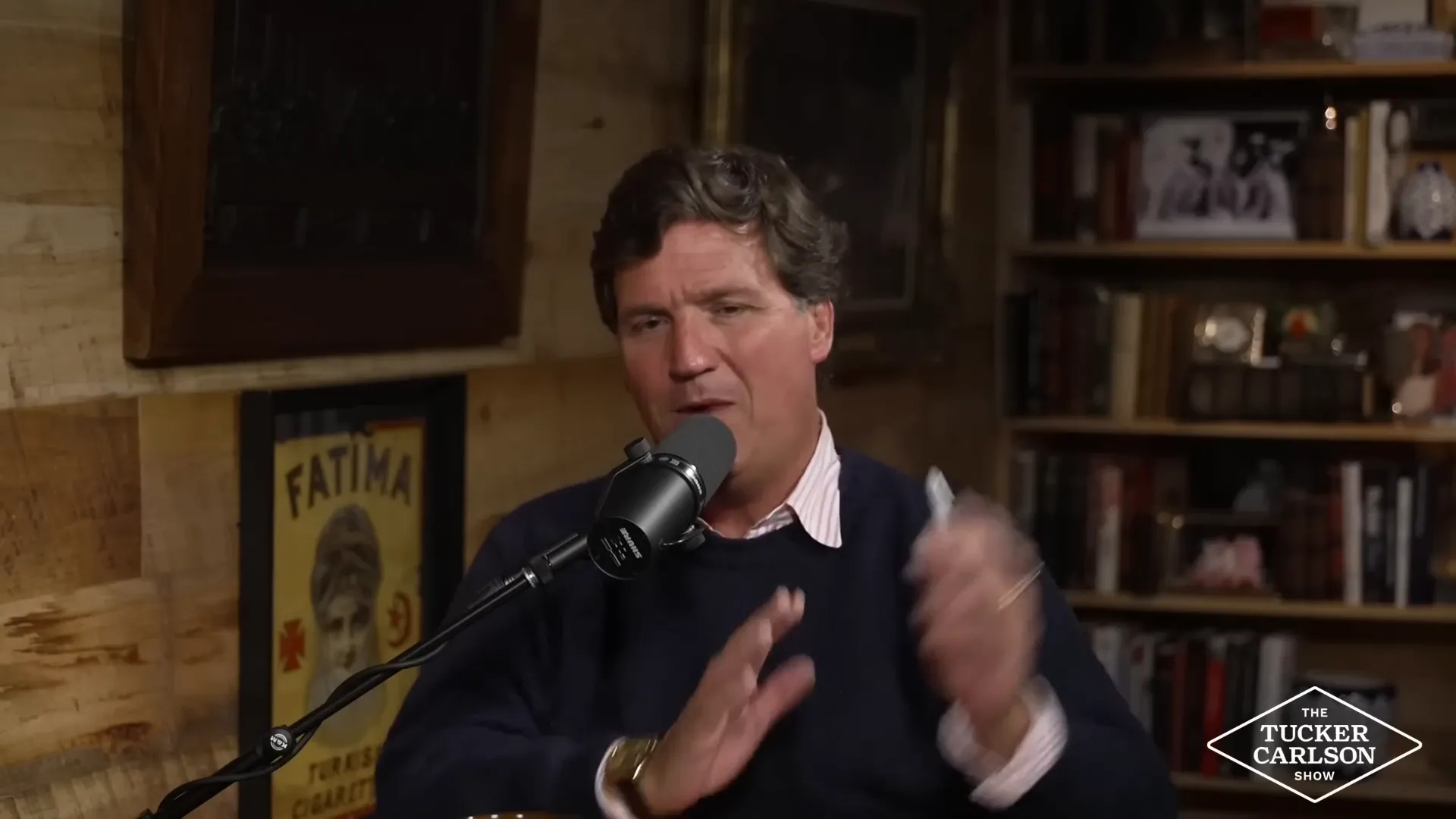
Despite their differences, Tucker Carlson and Chris Cuomo highlight the value of open conversation as a pathway to understanding in a deeply divided society. They acknowledge that while they may not agree on everything, respectful dialogue is crucial for healing and progress. Their exchange serves as a reminder that beneath political and cultural divides are shared human experiences and the possibility of common ground.
Watch the full conversation below to explore these topics in depth and hear more from Tucker Carlson and Chris Cuomo.

Be the first to comment