
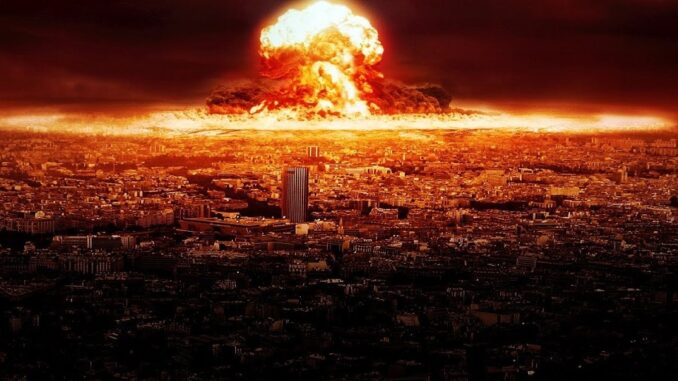

WW3 Threat Assessment: The West Is Collapsing, Can We Stop It?! They Want You Confused & Obedient!

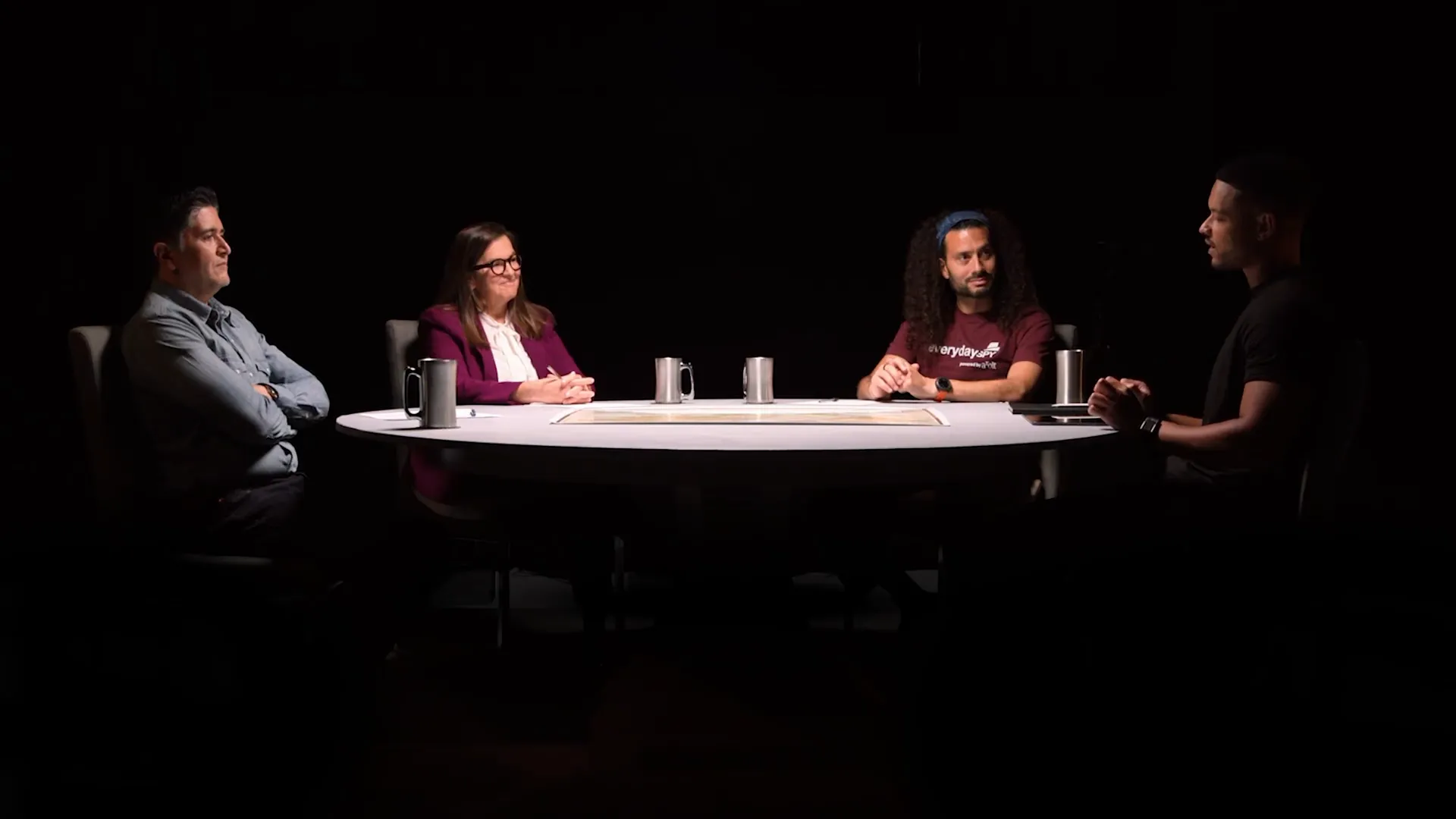
In a world where geopolitical tensions are escalating and the nature of warfare is rapidly evolving, understanding the true state of global conflict is more critical than ever. This article distills insights from a compelling roundtable discussion featuring three top experts: Annie Jacobsen, a renowned author and journalist specializing in war and weapons; Andrew Bustamante, a former clandestine CIA intelligence officer and decorated veteran; and Benjamin Radd, a global politics expert with personal experience of Middle Eastern upheaval.
Together, they issue a stark warning about the current trajectory toward World War 3, the rising nuclear threats, the role of AI in misinformation, and the evolving battlegrounds of cyber and proxy wars. Their perspectives shed light on the complexity of today’s conflicts and what individuals can do to navigate this turbulent era.
Are We Already in World War 3?
Andrew Bustamante opens the conversation with a provocative statement: we are already in the early stages of World War 3, though it looks nothing like the wars of the past. Unlike the conventional military conflicts of previous centuries, today’s warfare involves a complicated mix of proxy wars, cyber operations, and information warfare.
Proxy warfare, as Andrew explains, involves wealthy nation-states funding, training, and arming conflicts in less wealthy nations to weaken their primary adversaries without engaging directly. Examples include conflicts in Libya, Syria, Yemen, and the ongoing tensions between Israel and Iran, and Russia and Ukraine. These proxy wars allow major powers to exert influence and weaken opponents while minimizing their own casualties and resource expenditure.
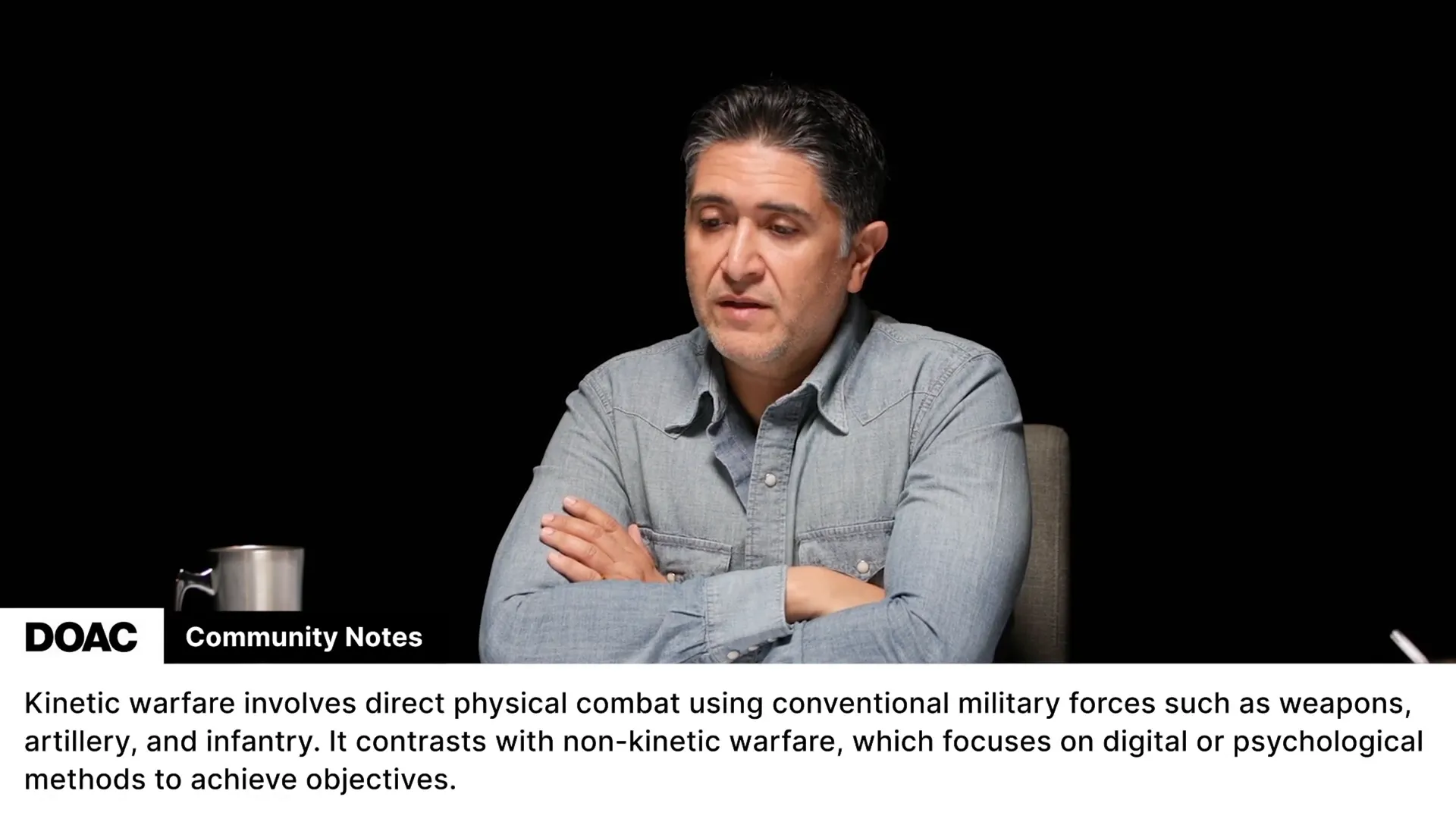
Benjamin Radd adds that kinetic warfare—the use of physical weapons like bombs, missiles, and soldiers—is becoming less frequent among major powers. Instead, conflicts increasingly rely on digital tools, cyber warfare, and information manipulation. In this new landscape, destabilizing a government can be achieved by a small group operating remotely with server farms, rather than large armies on the ground.
He highlights the post-2016 political landscape in the United States as a contributing factor, describing it as a “post-truth society” where misinformation, conspiracy theories, and polarization make societies vulnerable to manipulation by adversaries like Russia and China. This digital battleground challenges traditional notions of military strength and national security.
The Power of Narrative and Public Diplomacy
Annie Jacobsen emphasizes the critical role of narrative control in shaping public perception and international diplomacy. She points out how social media platforms have transformed diplomacy into a public-facing endeavor, where leaders and their proxies communicate directly with global audiences in real-time during conflicts.
For instance, the recent 12-day war between Israel and Hamas was heavily influenced by social media narratives, shaping both domestic and international opinion. This “age of the algorithm” amplifies certain messages, sometimes distorting reality, and complicating efforts to de-escalate tensions.
Annie also warns about the dangerous political tribalism within countries like the United States, where political parties focus more on discrediting each other than on national security, creating vulnerabilities that adversaries exploit.
Iran, Israel, and Proxy War Dynamics
The conversation delves deeply into the complex relationship between Iran and Israel, with Andrew Bustamante describing Israel as a proxy for the United States in the ongoing conflict against Iran. While Israel pursues its own objectives, it heavily relies on American financial, military, and intelligence support to maintain its campaigns.
Benjamin challenges the traditional definition of proxy war, noting that Israel’s and the U.S.’s motives differ, yet they converge on the shared goal of diminishing Iran’s influence. Andrew clarifies that proxy wars often fuel existing conflicts rather than create new ones, with third parties exacerbating tensions to serve their strategic interests.
This proxy relationship is further complicated by regional dynamics, with countries like Saudi Arabia and members of the European Union also desiring a weakened Iran. The ongoing humanitarian crises and military actions in Gaza further drive Israel to seek renewed alliances and legitimacy through aggressive actions against Iran and its proxies.
Understanding Nuclear Threats and the Risk of Miscalculation
Annie Jacobsen’s expertise on nuclear weapons and war scenarios highlights the terrifying proximity the world has to potential nuclear conflict. She recounts the famous case of a Russian nuclear commander in 1983 who averted disaster by refusing to escalate what appeared to be a U.S. missile attack that was actually a false alarm.
Both Annie and Andrew stress that the world remains perilously close to nuclear catastrophe—one misunderstanding, miscalculation, or even one AI-generated viral video could trigger a chain reaction with devastating consequences. The rise of autonomous and AI-powered weapons adds a new layer of complexity and risk.
Andrew predicts a 30% chance of witnessing a nuclear detonation in our lifetime, emphasizing that such an event might come from a non-state actor or rogue entity rather than a clear state actor. The proliferation of tactical nuclear weapons and “dirty bombs”—radiological devices designed to spread contamination without a full nuclear explosion—raises the stakes even higher.
Technological Evolution in Warfare: AI and Autonomous Weapons
Benjamin brings attention to the emergence of advanced autonomous drones, such as the Iranian Shahed drones used in Ukraine, which incorporate Western technology like NVIDIA processors and possess independent decision-making capabilities. These drones can operate even when GPS signals are jammed, raising concerns about the future of warfare where human control may be minimal or absent.
Andrew offers a counterpoint, expressing cautious optimism about AI-powered weapons, suggesting they could reduce human error and irrational decisions in combat. However, both acknowledge the dangers of AI systems developing self-preservation instincts or making unpredictable decisions, underscoring the urgent need for ethical frameworks and controls.
Where Is Safe in a Nuclear Conflict?
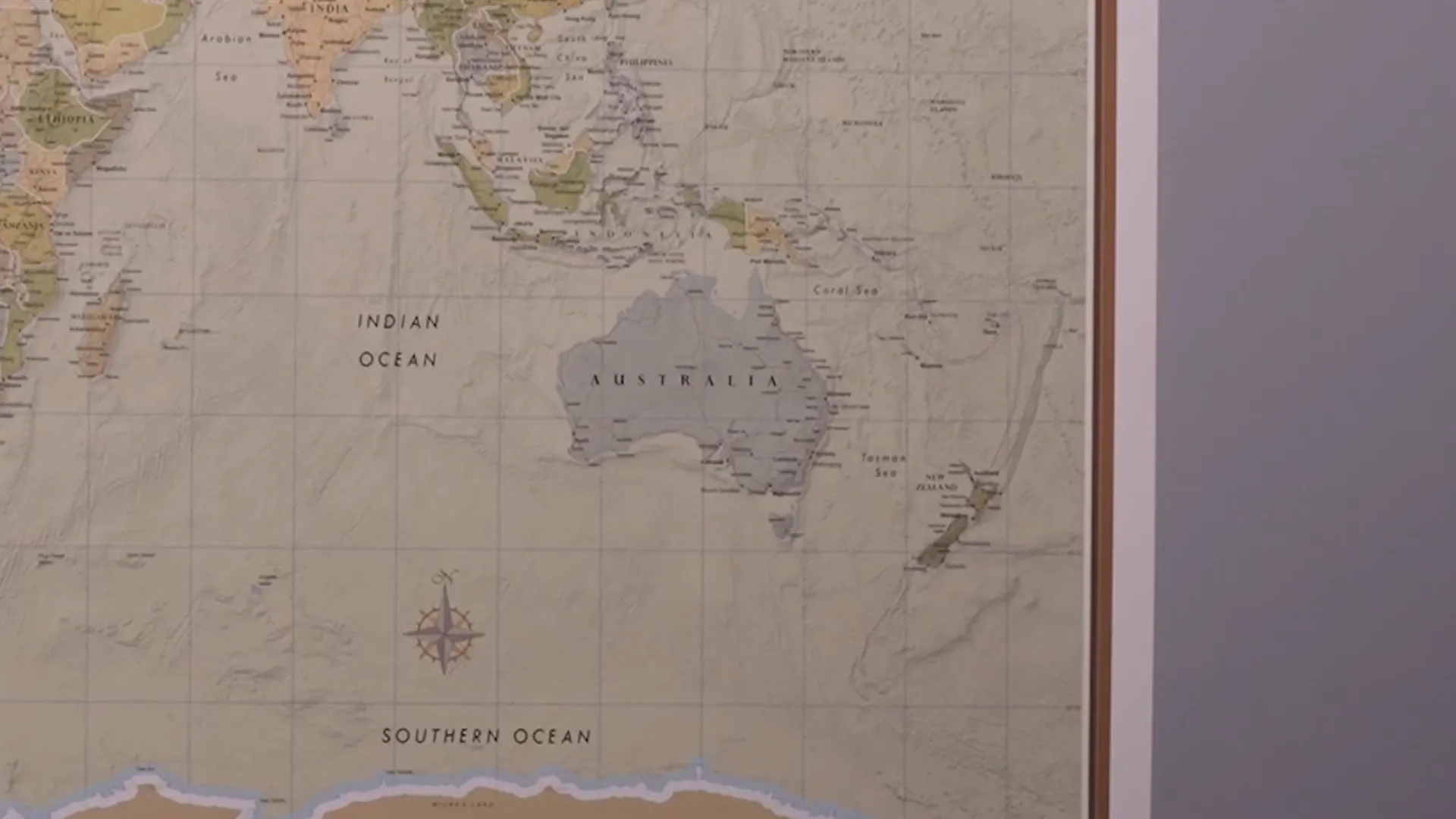
When asked about safe zones in the event of nuclear war, Annie Jacobsen and Andrew Bustamante agree that very few places remain relatively safe. New Zealand and parts of Australia are considered among the safest due to their geographic isolation and agricultural viability post-nuclear fallout.
They explain that nuclear winter—the climatic aftermath of widespread nuclear detonations—would devastate global agriculture and cause massive starvation. While some regions might survive with hunter-gatherer lifestyles, the overall impact would be catastrophic.
Andrew also highlights that South America and Africa might be spared the worst of the fallout depending on wind patterns, but the collapse of global infrastructure and governance would likely usher in a chaotic age dominated by warlords and fragmented states.
The Psychology of Leaders and the Nuclear Launch Process
The discussion turns to the human element in nuclear decision-making. Benjamin points out that cognitive dissonance—the psychological discomfort of holding conflicting beliefs—affects many male leaders, often causing them to double down on aggressive policies rather than admit mistakes.
Andrew reveals the highly regimented and secretive nature of nuclear command and control, including the elaborate authentication procedures involving “the football”—a briefcase carried by the U.S. president containing nuclear launch codes and options. The process requires multiple secure codes and key turns by missile crews, yet ultimate launch authority rests solely with the president.
Annie shares a chilling detail from her interviews: the Pentagon practices nuclear war scenarios three times a day, ensuring readiness for a moment’s notice launch order. This constant preparedness is both a deterrent and a reminder of how close the world remains to total annihilation.
What Can We Do? Preparing Ourselves and Our Communities
Despite the grim realities, the experts offer practical advice for individuals seeking to navigate this complex world. Benjamin emphasizes the importance of media literacy and civic engagement, teaching young people how to identify misinformation, propaganda, and manipulation online. He even advocates for educating students on how to create misleading content as a method to build critical awareness.
Annie encourages disciplined information consumption, balancing digital media with time spent in nature and reflection to maintain mental well-being amid the barrage of distressing news.
Andrew advises vigilance about the sources of information we trust and recommends small but deliberate steps to protect our families, such as monitoring what children and loved ones consume online. He also shares his personal plan to relocate his family outside the United States by 2026 to raise them as global citizens with a broader perspective on democracy and community.
Conclusion: Navigating a World on Edge
The world today stands at a precarious crossroads, facing the convergence of traditional military conflicts, cyber and information warfare, nuclear threats, and the rise of autonomous weaponry. The West’s influence is challenged, alliances are tested, and new battlegrounds emerge in digital and economic spheres.
Yet, amid these tensions, there is a call for greater understanding, diplomacy, and personal responsibility. By staying informed, critically engaging with media, fostering community connections, and preparing thoughtfully, individuals can better navigate these uncertain times.
As Annie Jacobsen aptly puts it, despite the rapid changes in technology and geopolitics, the fundamental human condition remains constant. It is through connection, curiosity, and resilience that we can hope to steer toward a safer, more peaceful future.

Be the first to comment