

Insta360 X5 vs. X4: Bigger Upgrade Than You Think
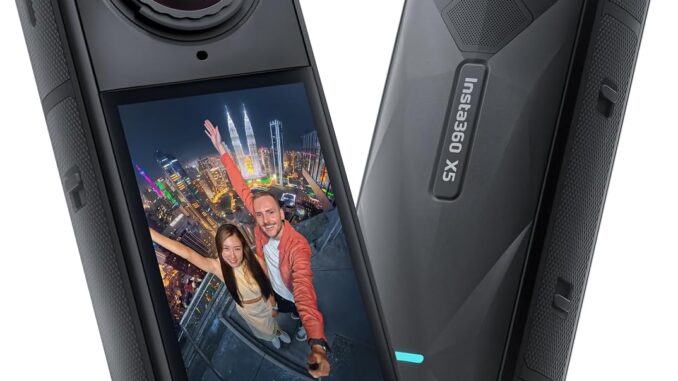
The world of 360 cameras keeps evolving rapidly, and Insta360 is at the forefront, releasing new models almost every year. After spending several weeks testing the latest Insta360 X5, I can confidently say that despite initial impressions of it being a modest upgrade, this camera brings several meaningful improvements that make it worth considering—especially if you’re passionate about immersive action sports footage or simply want better image quality from your 360 camera.
Why 360 Cameras Are Perfect for Action Sports
Last year, I picked up the Insta360 Explorer primarily for skiing and snowboarding videos, and it quickly became my favorite way to capture those experiences. There’s nothing quite like 360 footage to relive the excitement of skiing down a mountain—the immersive angles, the dynamic perspectives, and the sheer fun of editing the clips afterward make it a standout choice for winter sports enthusiasts.
The X5, much like its predecessor the X4, can shoot in 8K at up to 30 frames per second or 5.7K at up to 60 frames per second. On paper, those specs haven’t changed, but the magic lies beneath the surface with a larger sensor and upgraded image processing.
Sharper Images and Enhanced Colors
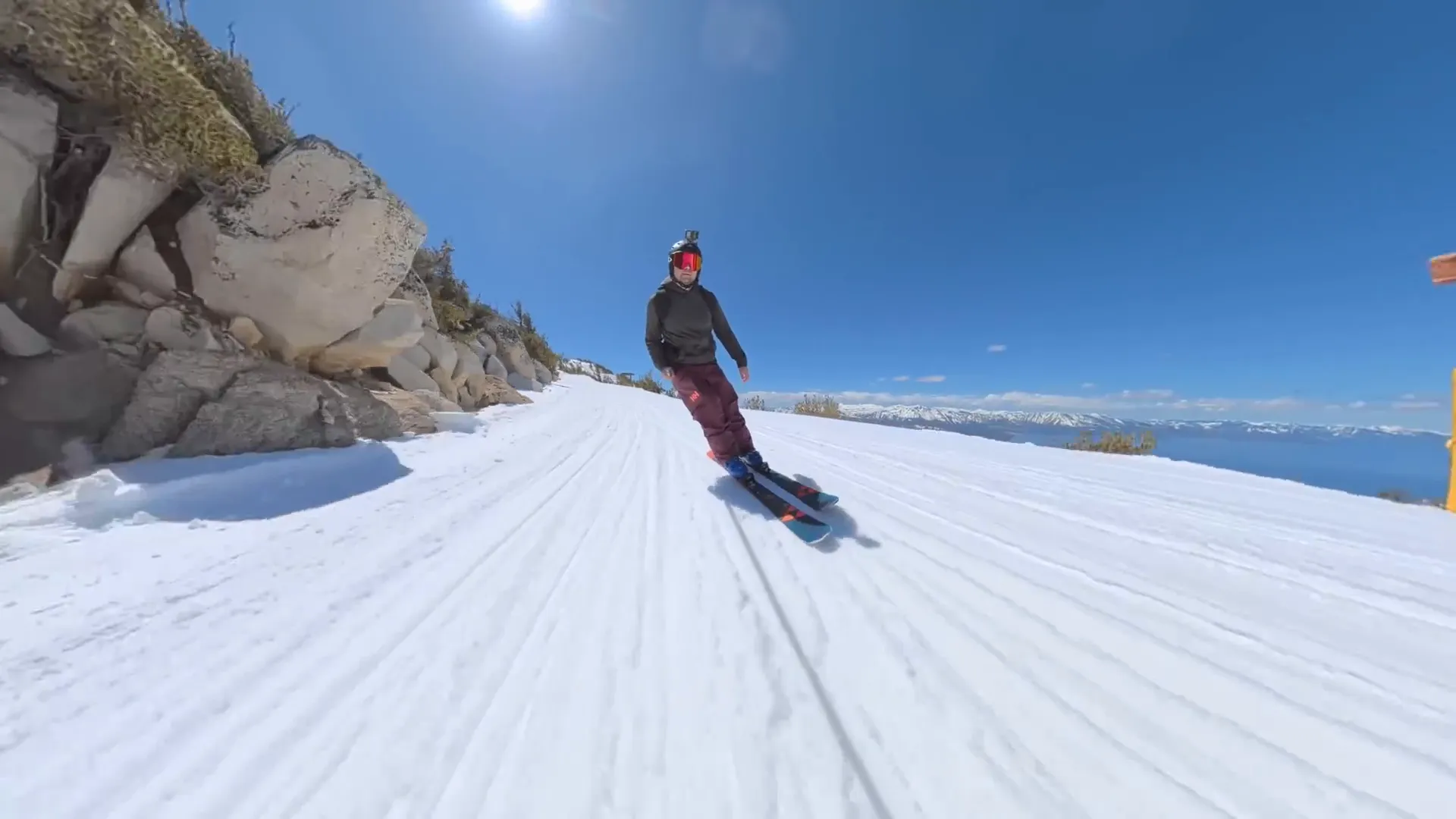
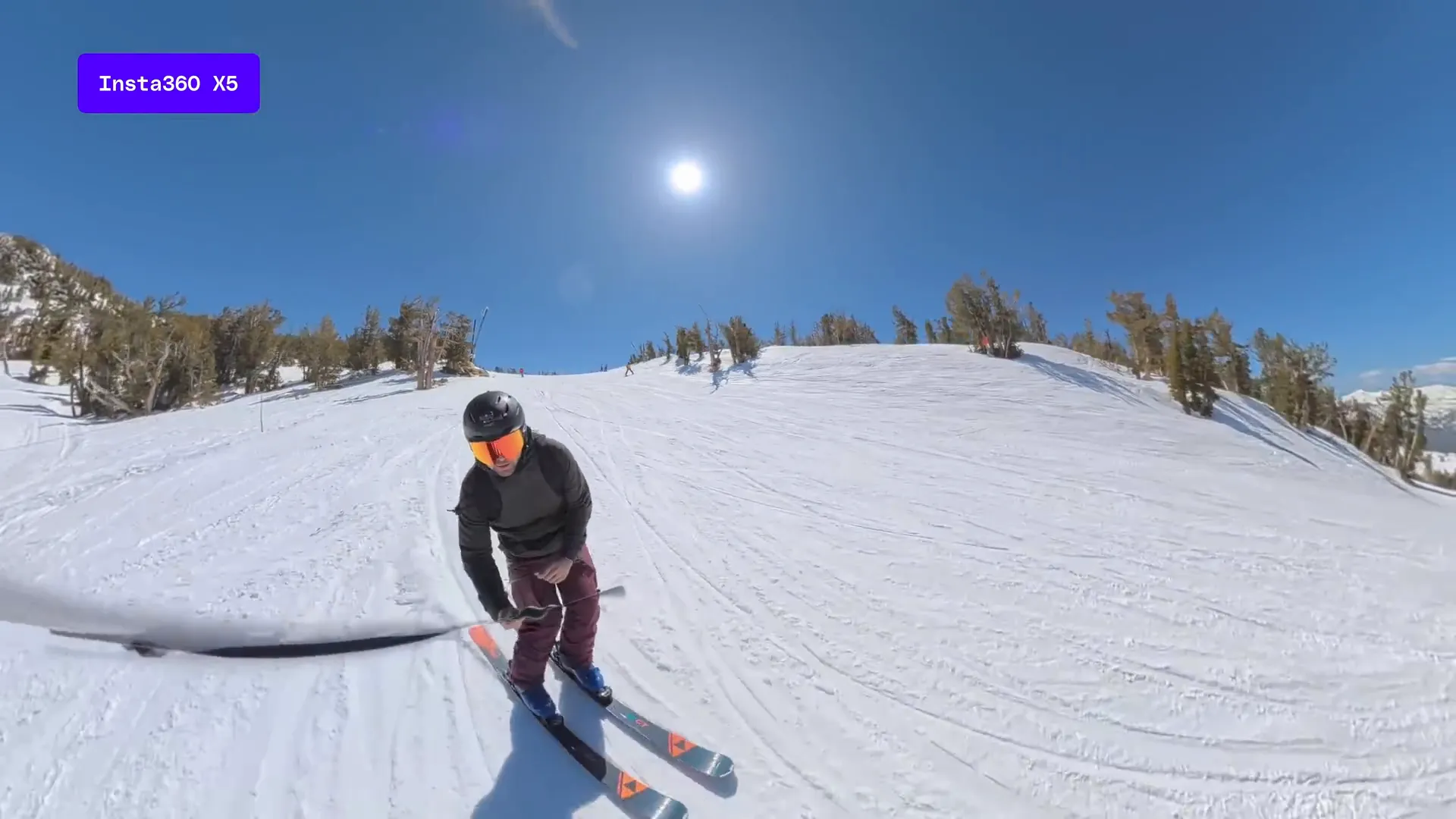
Comparing footage from the X4 and X5 side by side, both shot on the same selfie stick and in identical modes, the difference in image quality is clear. The X5 delivers much sharper edges, especially noticeable in background details like trees. But it’s not just about sharpness—the colors and overall image processing have been redefined, resulting in footage that looks cleaner and more vibrant.
One common issue I noticed with the X4 was a dark blotch effect on the sky in some shots, which is mostly eliminated in the X5. This subtle but important fix makes outdoor footage look more natural and pleasing.
Improved Audio with Redesigned Microphone Housing
Another significant upgrade is the completely redesigned microphone housing. This change is especially beneficial for windy environments—whether you’re skiing, riding a motorcycle, or attaching the camera to a vehicle. The X5 captures clearer audio with less wind noise, allowing engine sounds or ambient noises to come through more distinctly.
After testing the microphone by skiing down a hill, the audio quality was noticeably cleaner than before, making this a valuable upgrade for those who mount their cameras on fast-moving vehicles.
Better Low-Light Performance with PureVideo Mode
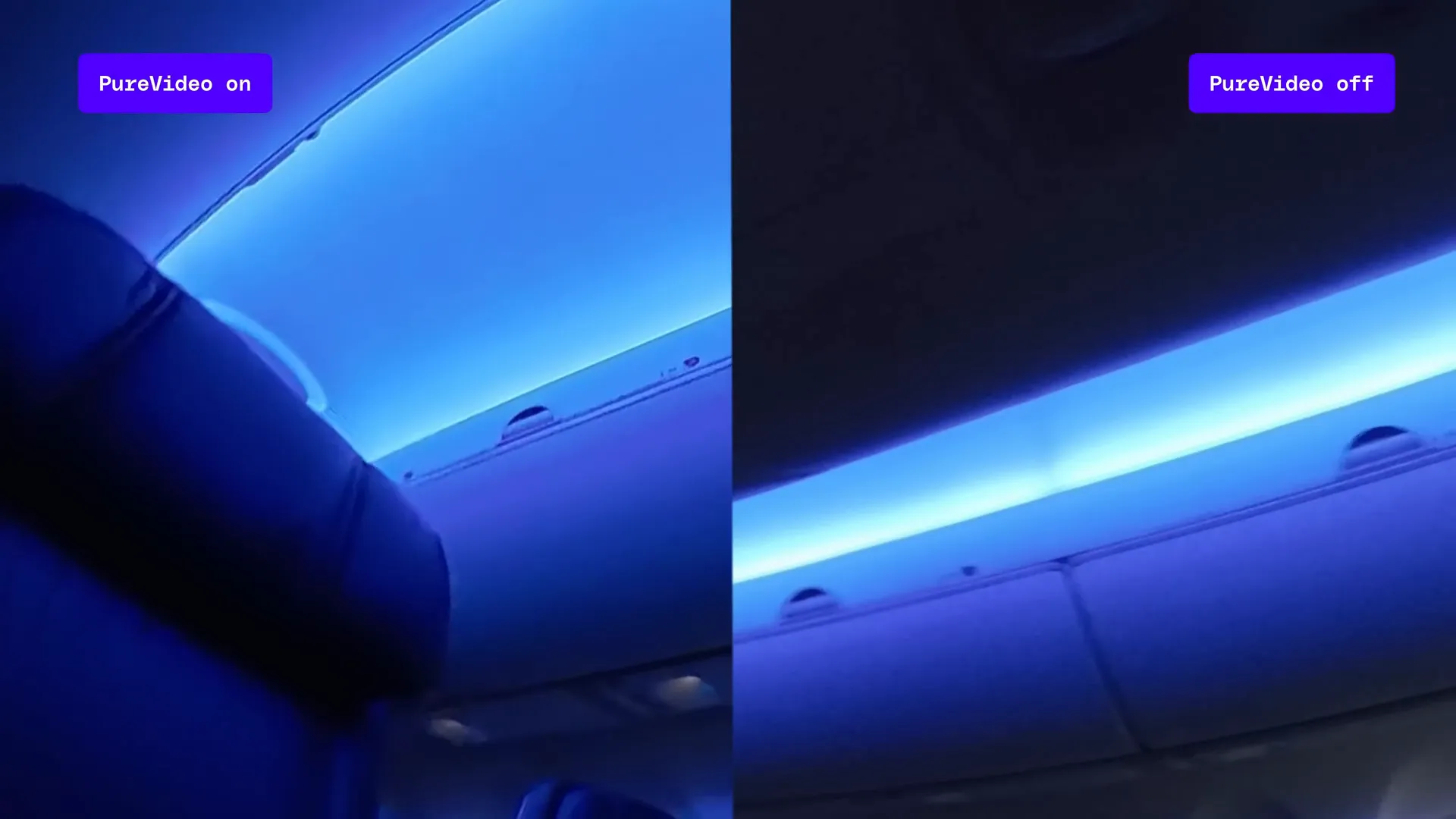
While 360 cameras excel in bright conditions, they traditionally struggle in low light. The X4’s footage in darker environments often appeared noisy, with poor dynamic range, patchy stitching, and unstable stabilization.
The X5 addresses these issues with a new mode called PureVideo, which cranks up post-processing to clean up noise, boost color punch, and enhance contrast. I tested PureVideo in multiple scenarios, and it consistently outperformed the standard video mode, delivering much cleaner and more usable low-light footage. This improvement opens up new possibilities for shooting in varied lighting conditions.
Log Video and HDR Shooting
One of the most exciting new features for videographers is the ability to shoot in log format, which allows for greater dynamic range and more flexibility in color grading during post-production. Currently, the log option only works in HDR mode, but Insta360 has confirmed plans to extend log support to other video modes in the future.
Additionally, the X5 now supports shooting 5.7K HDR video at 60 frames per second (previously limited to 30fps since the X3), enabling smoother and higher-quality HDR footage for those who want to push their videos further.

Self-Service Lens Replacement Made Simple
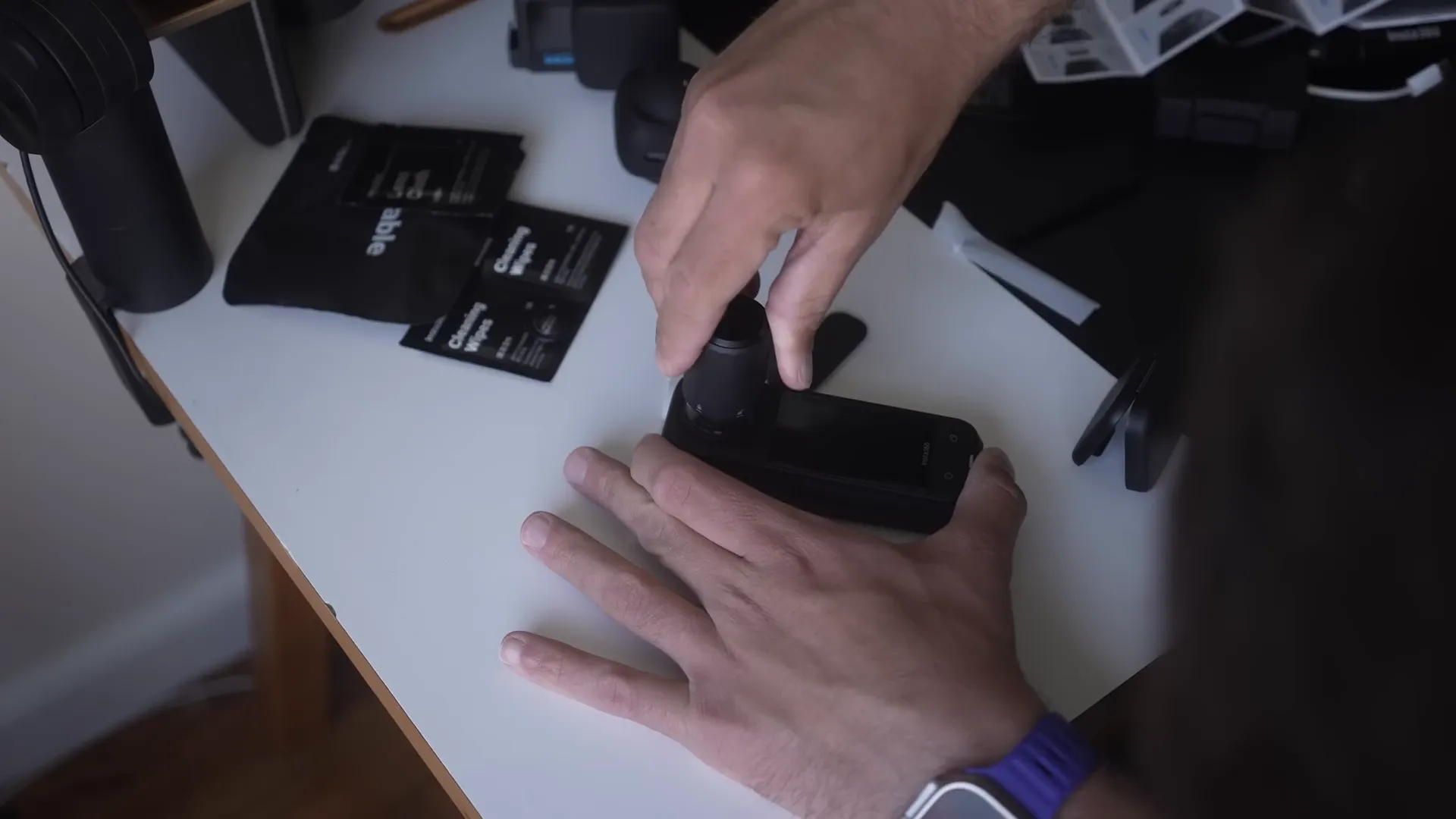
Lens damage can happen, especially in action-packed environments, but Insta360 has made it easier to manage repairs yourself. The X5 comes with a replacement kit (available for $30 per lens) that lets you swap out damaged lenses without professional help.
The process is straightforward: use the included tool to unscrew the old lens, remove it, insert the new lens, and screw it back in place. Insta360 also claims the lens glass is stronger than ever, so ideally you won’t need to replace them often. I did get a tiny scratch on my lens, but it was so minor that it didn’t affect footage quality at all.
Battery Life and Charging Improvements—With a Catch
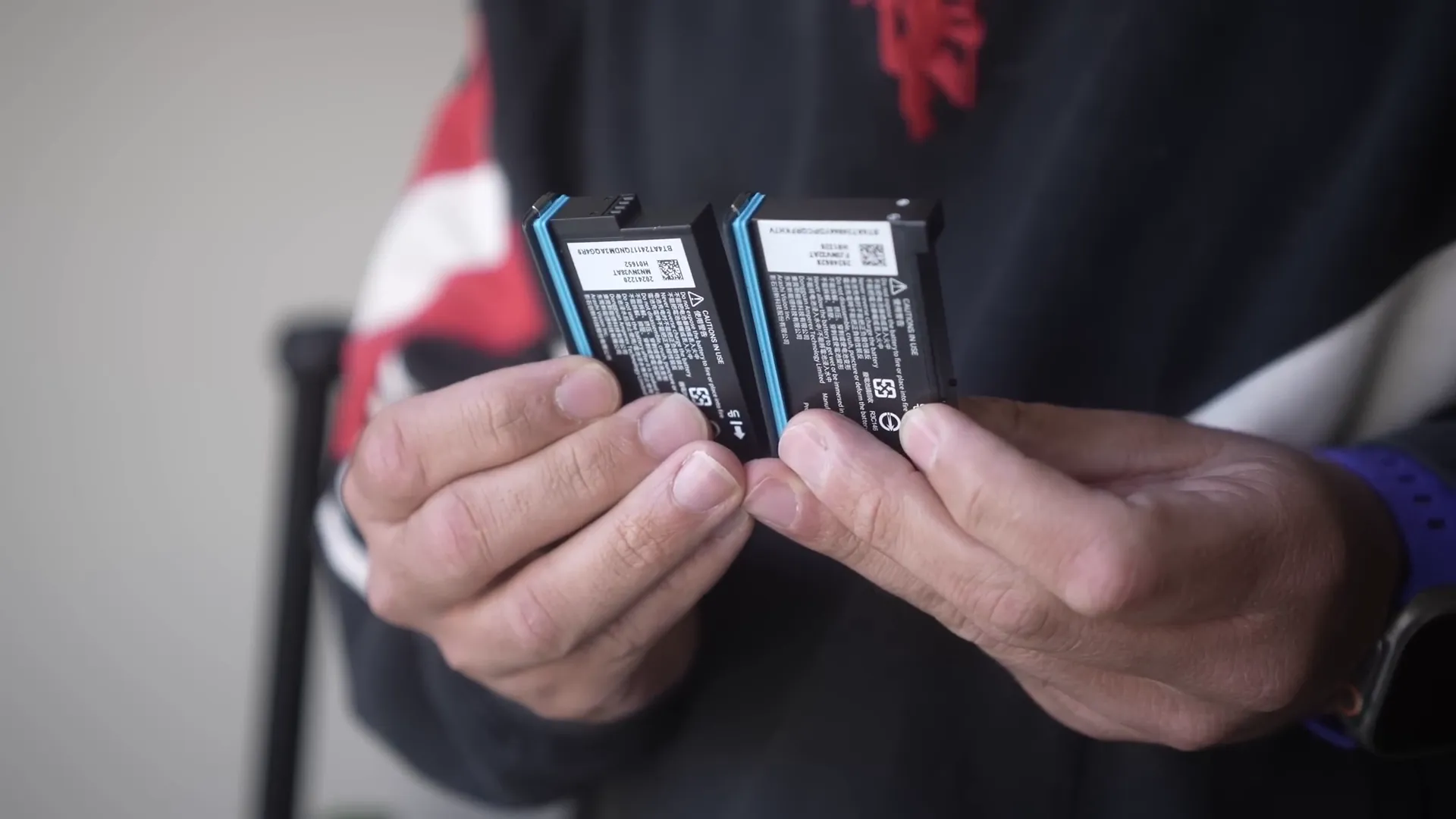
The X5 offers better battery life and faster charging compared to the X4, which is always welcome for longer shooting sessions. However, there’s a trade-off: the battery design has changed slightly, meaning old batteries from previous models aren’t compatible with the X5.
This decision is frustrating because the previous batteries were already good, and changing battery designs annually adds unnecessary environmental waste. It’s something to consider if you’re thinking about upgrading.
Revamped Mobile App and Editing Features
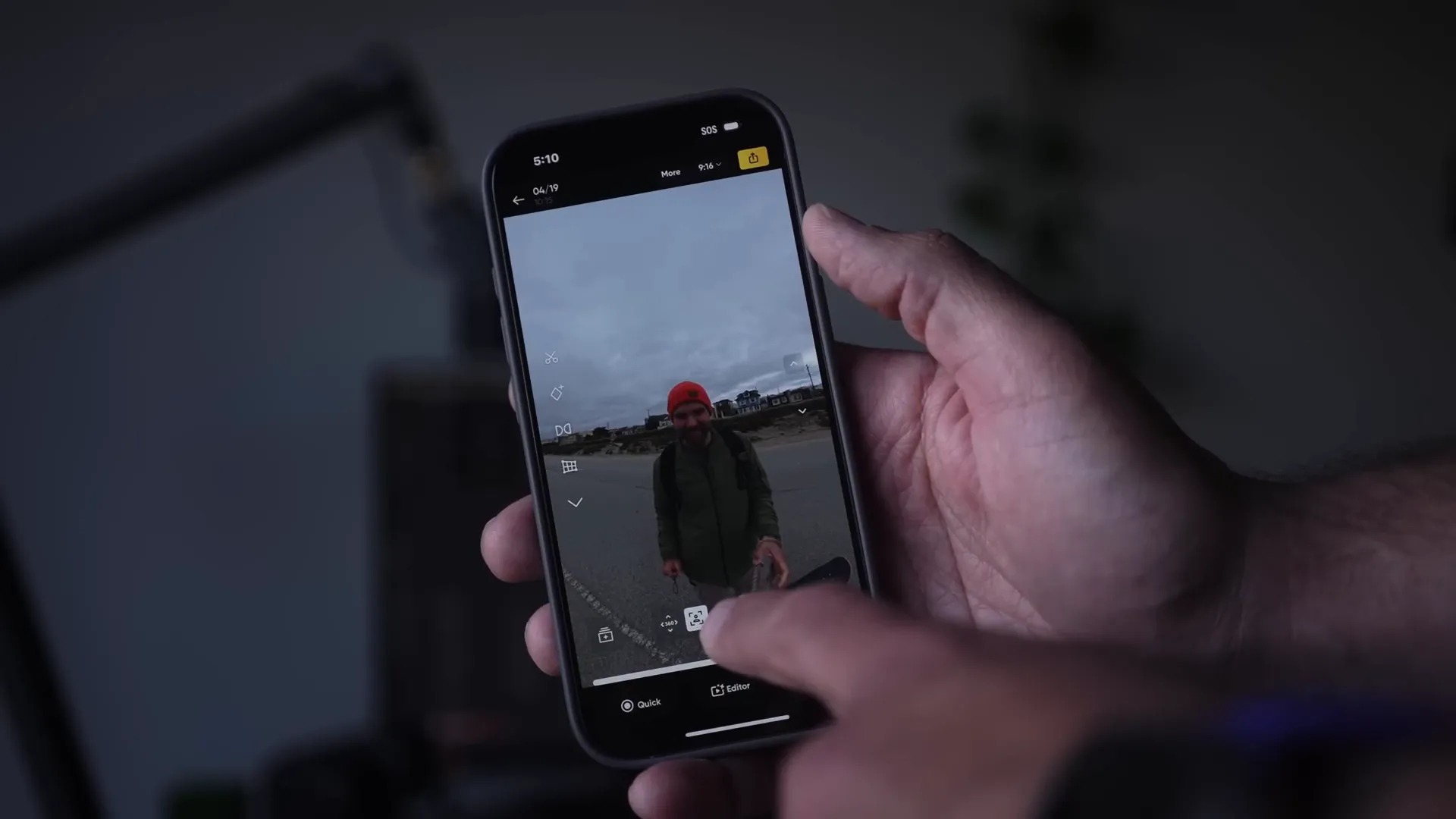
Insta360 has updated its mobile app to simplify the editing process, maintaining its reputation as one of the best 360 camera apps available. While the new interface has potential, I’m still getting used to some quirks—certain icons lack labels, and some features are inexplicably grayed out at times.
The new DWARP mode helps with lens distortion correction, but it can be inconsistent, turning on and off seemingly at random. Hopefully, future updates will smooth out these kinks.
Final Thoughts: Is the Insta360 X5 Worth It?
The Insta360 X5 is a fantastic 360 camera that currently dominates a market with little direct competition. Rumors hint at DJI entering the 360 camera space, and GoPro is expected to release a new GoPro Max soon, but for now, Insta360 is leading the pack.
That said, the X5 isn’t without its drawbacks. Both the X4 and X5 are heavier and bulkier than earlier models, which can be noticeable—especially when mounting on a helmet. Additionally, the price has increased to $550, $50 more than last year, making the upgrade decision a bit tougher.
If you prioritize image quality and improved audio, the X5’s enhancements alone could justify the upgrade. But if your current setup meets your needs, these incremental improvements may not be enough to make the jump this year.
Ultimately, the Insta360 X5 continues to impress with its thoughtful refinements and solid performance in both bright and low-light conditions. For anyone serious about immersive 360 video, it’s definitely a camera worth considering.
Thanks for reading, and if you want to see more skiing adventures and camera reviews, be sure to follow along!
Get yours from our affiliate link. Insta360 x5

Be the first to comment