
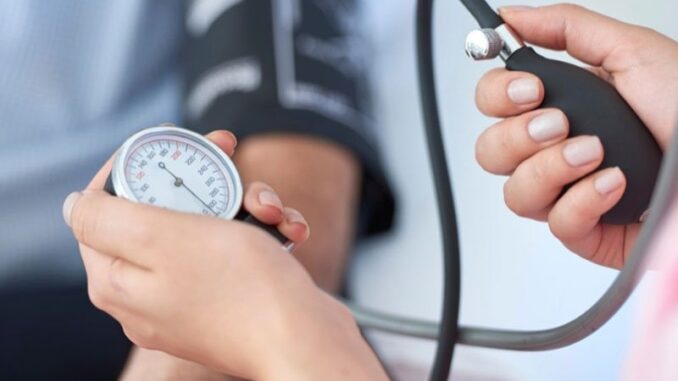

DON’T Trust Your Blood Pressure: What You Need to Know to Protect Your Heart and Health
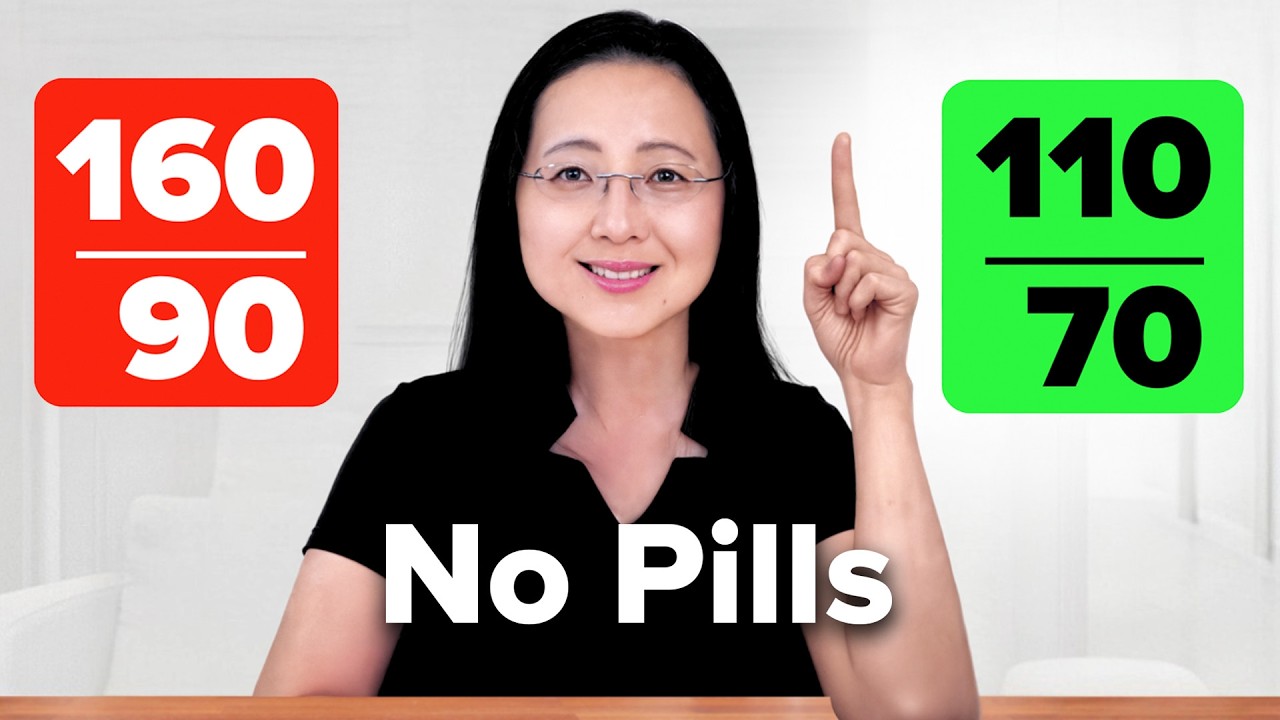
Blood pressure is often called the “silent killer” because it can quietly damage your body without any obvious symptoms. Yet, it remains one of the most critical indicators of your cardiovascular health and overall well-being. In this article, inspired by insights from Dr. Liu of Healthy Immune Doc, we’ll explore why you shouldn’t take your blood pressure for granted, how to properly monitor it, and practical lifestyle changes you can make today to lower your risk of heart disease, stroke, and other serious health issues.
Understanding Blood Pressure: The Basics
Blood pressure readings consist of two numbers: the top number (systolic) and the bottom number (diastolic). The systolic pressure measures the force your heart exerts on the walls of your arteries when it contracts to pump blood throughout your body. High systolic pressure is a major risk factor for heart attack, stroke, heart failure, and kidney disease, especially in people over 50.
The diastolic pressure, on the other hand, measures the pressure in your arteries when your heart is resting between beats. For people under 50, this number is particularly important because consistently high diastolic pressure (above 80-90 mmHg) also raises the risk of cardiovascular problems.
To remember which number matters more based on age, think of this mnemonic: S for systolic in seniors over 50, and D for diastolic or ding it, even under 50 counts.
Why You Must Monitor Your Blood Pressure Regularly
Many people rely solely on annual doctor visits to check their blood pressure, but this can be misleading. For example, Dr. Liu shares about her friend who ignored her blood pressure until she ended up in the emergency room with excruciating headaches caused by dangerously high blood pressure. This experience motivated her to start tracking her blood pressure daily and observe how lifestyle choices impacted her numbers.
Did you know that 60% of stroke patients arrive at the emergency room with abnormally elevated blood pressure? Moreover, for every 10 points above a systolic reading of 130 mmHg, the risk of long-term damage to vital organs like the brain, heart, and kidneys increases significantly.
Normal blood pressure is considered less than 120 mmHg systolic, regardless of age. Keeping your blood pressure under control is vital, and the first step is knowing your numbers by investing in a reliable blood pressure meter.
Choosing and Using a Blood Pressure Meter
There are two common types of blood pressure meters:
- Arm meters – More reliable and accurate.
- Wrist meters – Cheaper but less dependable.
To ensure your device is accurate, bring it to your doctor’s office and compare its readings with the medical-grade equipment. Remember to measure your blood pressure on both arms, as readings may differ slightly due to different blood vessels.
Using your blood pressure meter is straightforward:
- Locate the artery marker on the cuff and position it over your upper arm.
- Secure the cuff snugly at heart level.
- Press start and wait for the reading.
Always avoid taking readings over clothing, as it can affect accuracy.
Blood Pressure and Lifestyle: What You Eat Matters
Blood pressure is not just about genetics or medication; your lifestyle plays a huge role. Eating out frequently, especially at restaurants serving high-sodium, high-fat foods, can spike your blood pressure. Dr. Liu highlights how her friend noticed higher readings after eating out and connected the dots by tracking her diet alongside her blood pressure.
The American Heart Association recommends a healthy diet that is low in sodium and saturated fats but rich in potassium. Unfortunately, low-fat and low-salt foods often lack flavor, which is why many people prefer eating out or processed foods that are loaded with hidden sodium and unhealthy fats.
Here are some practical dietary tips:
- Reduce sodium: Limit processed foods, deli meats, and restaurant meals high in salt.
- Increase potassium: Eat plenty of fruits and vegetables like leafy greens and beets.
- Incorporate flaxseeds: Known as “brown gold,” flaxseeds can lower diastolic blood pressure by 7 points and offer additional benefits like reducing cholesterol and inflammation.
The Power of Leafy Greens and Magnesium
Adding leafy greens like arugula to your daily meals can have a profound effect on your blood pressure. Arugula contains four times more nitrates per serving than beets, which help your body produce nitric oxide—a molecule that relaxes blood vessels and lowers blood pressure.
Leafy greens are also rich in magnesium, a vital mineral that supports muscle relaxation, including the smooth muscles in your blood vessels. Unfortunately, modern agricultural practices have depleted magnesium levels in vegetables, so you may need to eat more greens than previous generations did to get the same benefits.
Understanding Blood Pressure Fluctuations and Stress
Blood pressure naturally fluctuates throughout the day, often peaking in the early morning hours between 4-8 AM due to surges in stress hormones like cortisol and adrenaline. This morning spike is a common time for heart attacks and strokes.
To reduce morning blood pressure surges:
- Avoid jumping out of bed suddenly; sit up slowly to acclimate your body.
- Drink water upon waking to counteract mild overnight dehydration.
- If you consume coffee, wait 30-60 minutes after waking before drinking it, as caffeine can temporarily raise blood pressure.
High anxiety and stress, such as “White Coat Syndrome” (blood pressure spikes in the doctor’s office), are not harmless. They reflect how your body reacts to stress and can also raise your blood pressure dangerously.
Simple remedies like hibiscus tea, which can lower blood pressure by about 6 points, offer natural support alongside lifestyle changes.
The Role and Reality of Blood Pressure Medications
While medications like calcium channel blockers can help lower blood pressure, they often come with side effects such as dizziness, fatigue, constipation, and swelling, which can discourage people from taking them consistently.
It’s important to understand that medications treat symptoms but don’t cure the underlying lifestyle causes of high blood pressure. Combining healthy lifestyle habits with medications when necessary is the best approach.
Dr. Liu emphasizes the importance of food as medicine, encouraging nutrient-rich diets over reliance on pharmaceuticals alone.
Movement: The Missing Piece
Physical activity is crucial for maintaining healthy blood pressure. You don’t need to be an athlete; simply incorporating more movement into your day helps keep your heart strong and blood pressure in check.
Ways to add movement include:
- Walking regularly, even short distances like to the store.
- Choosing stairs over elevators.
- Walking during breaks or while waiting.
- Doing simple exercises like walking up and down stairs for 30 minutes to lower blood pressure for several hours.
Building these habits may be challenging at first, but the benefits for your blood pressure, weight, blood sugar, and overall longevity are well worth the effort.
Conclusion: Take Charge of Your Blood Pressure Today
Blood pressure is a vital sign you cannot afford to ignore. Regular monitoring with a reliable blood pressure meter, combined with mindful lifestyle choices—especially diet and movement—can significantly reduce your risk of cardiovascular disease and improve your quality of life.
Remember, your blood pressure numbers tell a story about how your heart and blood vessels are functioning. By understanding these numbers and making informed choices, you empower yourself to prevent the silent damage high blood pressure can cause.
Start today by checking your blood pressure, reducing sodium intake, adding nutrient-dense foods like flaxseeds and leafy greens, managing stress, and moving more. Your heart will thank you.

Be the first to comment