
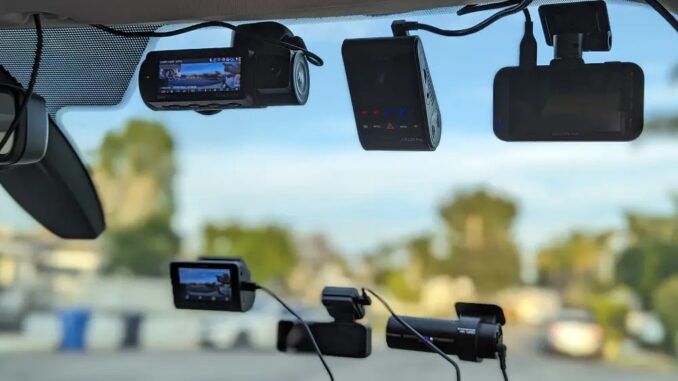

Exposed: How Police Twist Your Dash Cam Footage to Trap You
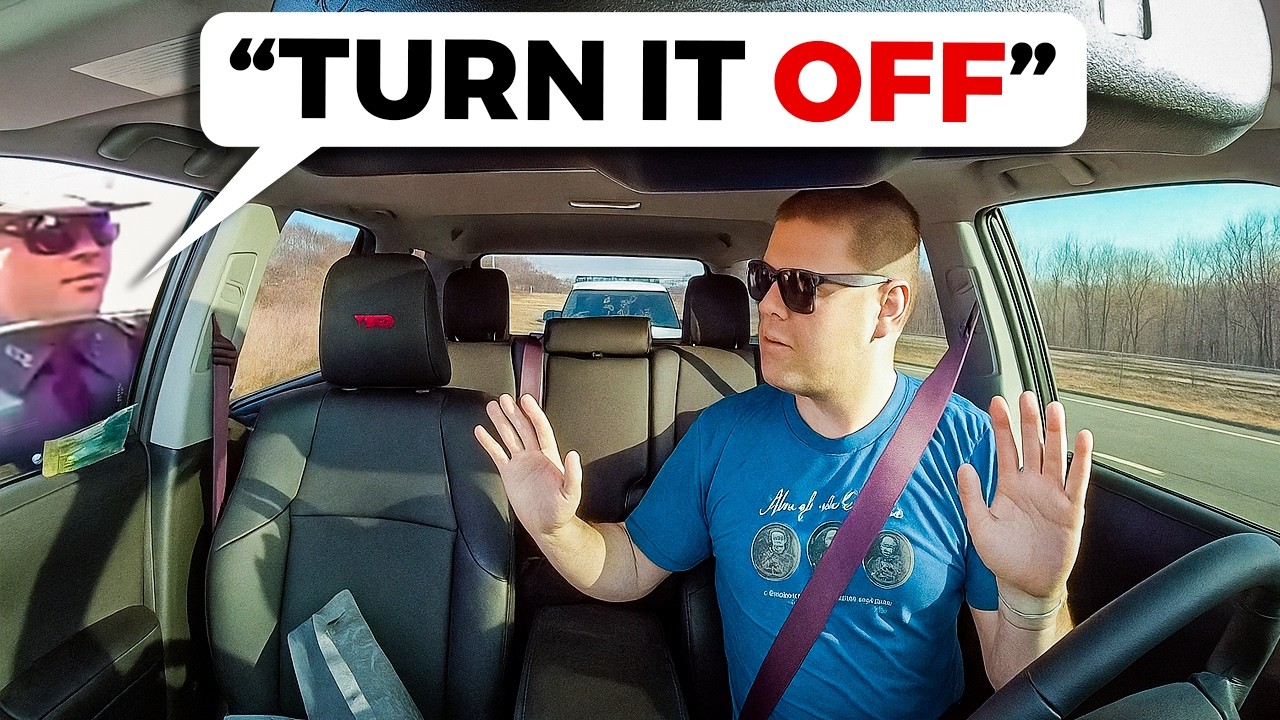
Thinking about installing a dash camera in your car to protect yourself from aggressive drivers, scammers, or even questionable police conduct? You’re not alone. More and more drivers are turning to dash cams to avoid false accusations and provide clear evidence on the road. But what if the footage you trust to keep you safe ends up being twisted and used against you? That’s exactly what legal expert Jeff Hampton explores in his insightful breakdown on the risks, benefits, and legal considerations of using dash cameras.
Jeff Hampton, founder of Hampton Law, dives deep into the pros and cons of dash cameras, revealing critical information every driver should know to use this technology wisely and legally. Here’s a comprehensive guide inspired by his expert advice that will help you understand when and how to use your dash cam footage to truly protect yourself.
The Risks of Using a Dash Camera
While dash cams seem like a straightforward way to capture the truth, they come with significant risks that many drivers overlook.
1. Your Footage Could Incriminate You
A dash camera records everything—not just the other driver’s mistakes. If you violate traffic laws, drive carelessly, or say something that can be interpreted as incriminating, that footage can be seized and used against you in court. Police and prosecutors are well aware of this and may actively seek to obtain your dash cam recordings during investigations.
Jeff shares a cautionary example: officers sometimes inventory vehicles after impoundment and later obtain warrants specifically to review dash cam footage to build a case against the driver.
Even jurors can be swayed by your behavior or attitude caught on camera, which may harm your case, especially if they don’t like what they see. So, while dash cams can help, they can just as easily hurt you.
2. Limited Perspective Can Work Against You
Dash cameras only capture a fixed angle and don’t show what the driver sees all around them. This narrow viewpoint can fail to record threats or important context that might explain your actions.
Jeff recounts a case where his client was threatened with a gun during a road rage incident. The client followed the aggressor to get his license plate number, but police misinterpreted the dash cam footage and doubted the client’s claim of self-defense because the camera didn’t capture the full context.
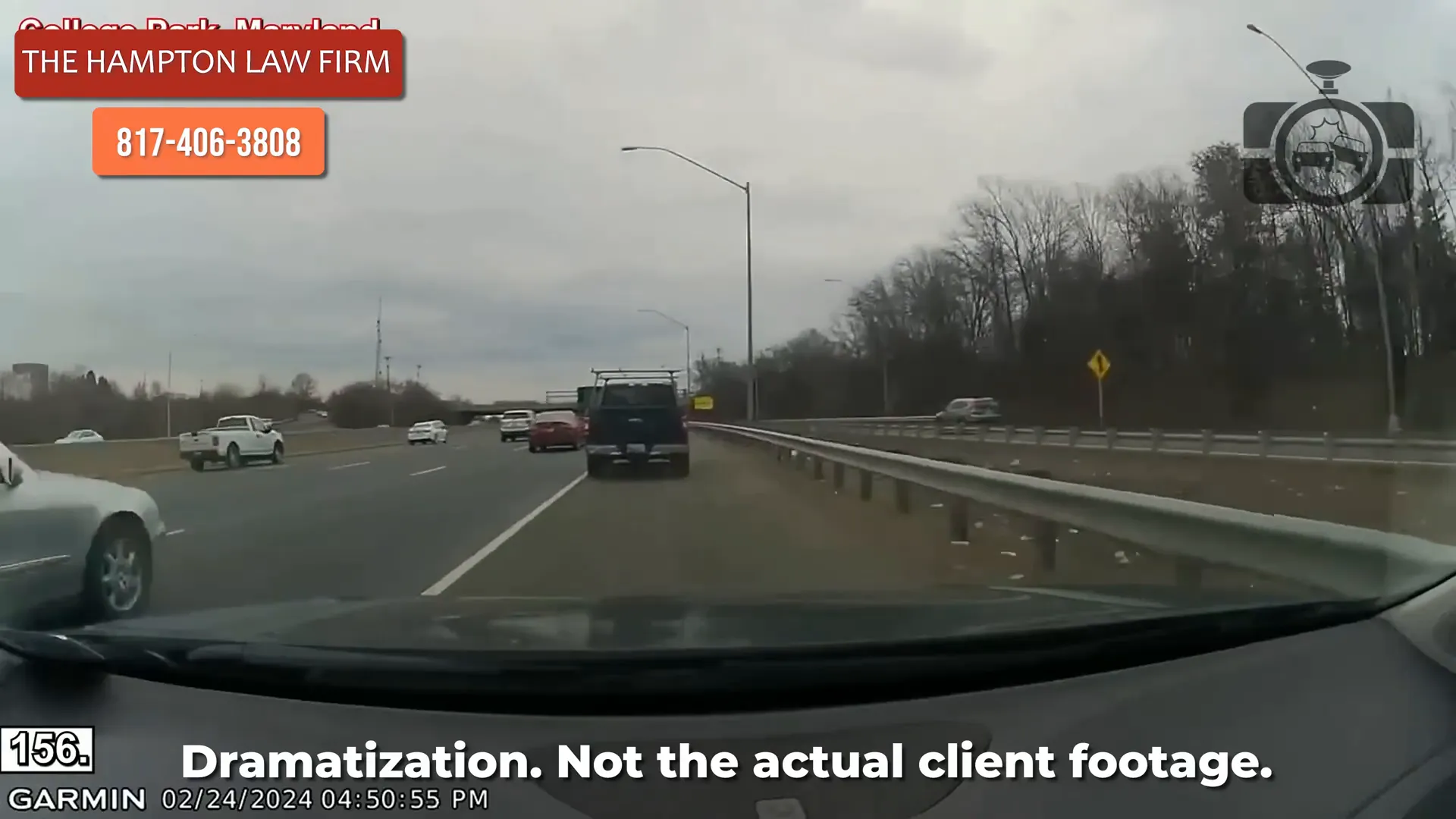
Police may interpret footage to fit their narrative, so unless you drive perfectly, your dash cam might be used against you at your worst moment.
3. Legal Privacy Concerns
Eleven states require all-party consent for audio recordings, which complicates dash cam use. However, you generally have the First Amendment right to record police in public as long as you don’t interfere with their duties.
Recording on private property, like a private parking lot, can violate privacy laws and render your footage inadmissible in court.
4. Introducing Footage in Court Can Open the Door to All Your Driving History
Using dash cam footage as evidence is often an “all or nothing” situation. In Texas, for example, the “rule of optional completeness” means if you introduce part of a video, the other side can introduce the rest.
If your footage shows another driver causing a crash, prosecutors may introduce earlier parts showing you speeding, weaving, or arguing, which can bias juries against you.
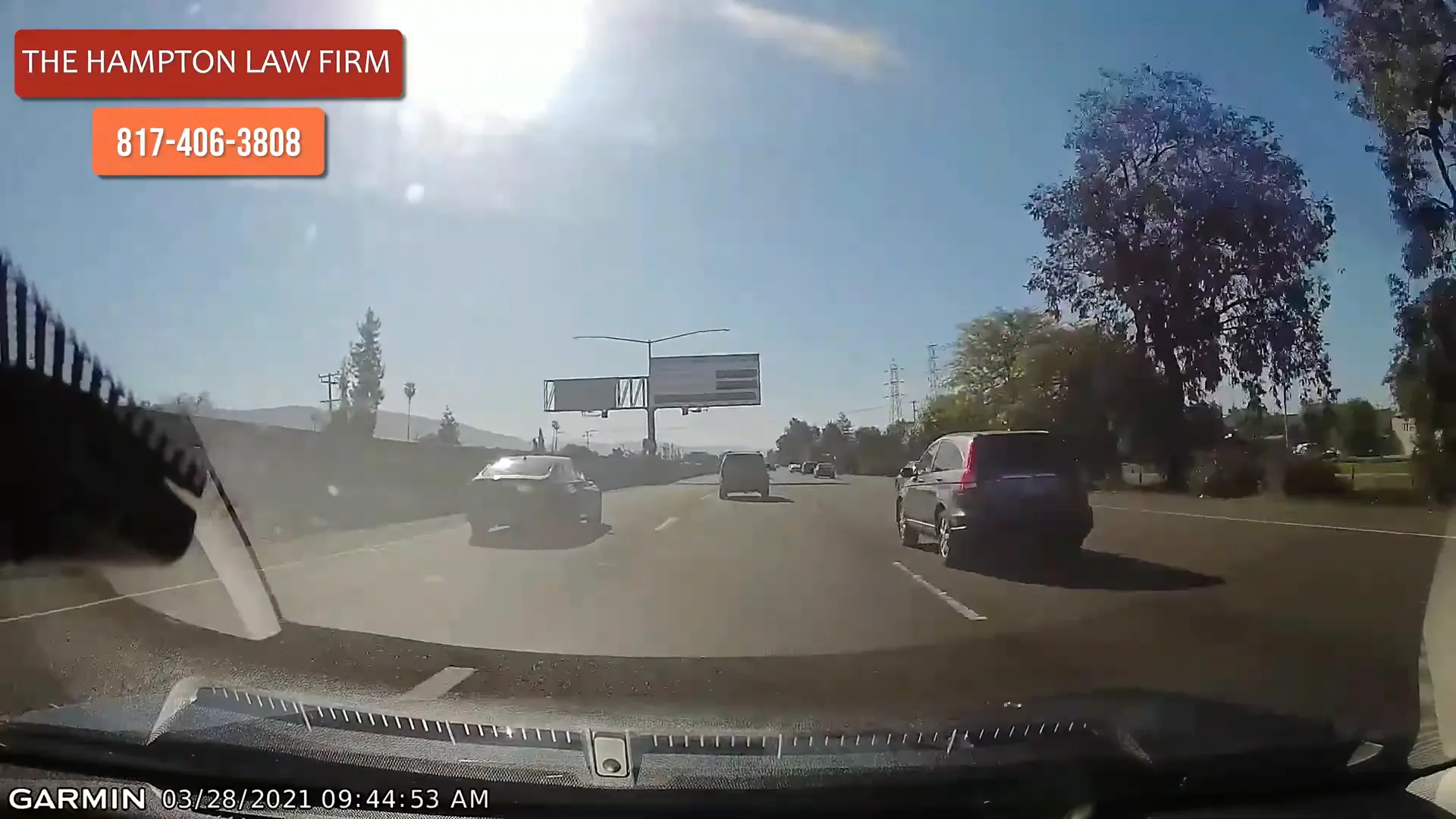
5. Technical and Storage Issues
If your dash camera isn’t properly maintained—like having insufficient memory or a dirty lens—your footage may be lost or unusable. Jeff has seen many clients lose crucial evidence because their cameras overwrote important clips.
6. Duty to Preserve Footage
Some states require you to preserve dash cam footage if it’s relevant to an investigation. Deleting or altering footage that relates to a crime or investigation can lead to felony evidence tampering charges.
For example, Ohio’s law makes it a felony to alter or destroy evidence knowing it has value in a proceeding. Texas law is similar and covers destruction during ongoing investigations. Jeff shares a case where a client deleted dash cam footage after a self-defense shooting, risking tampering charges.
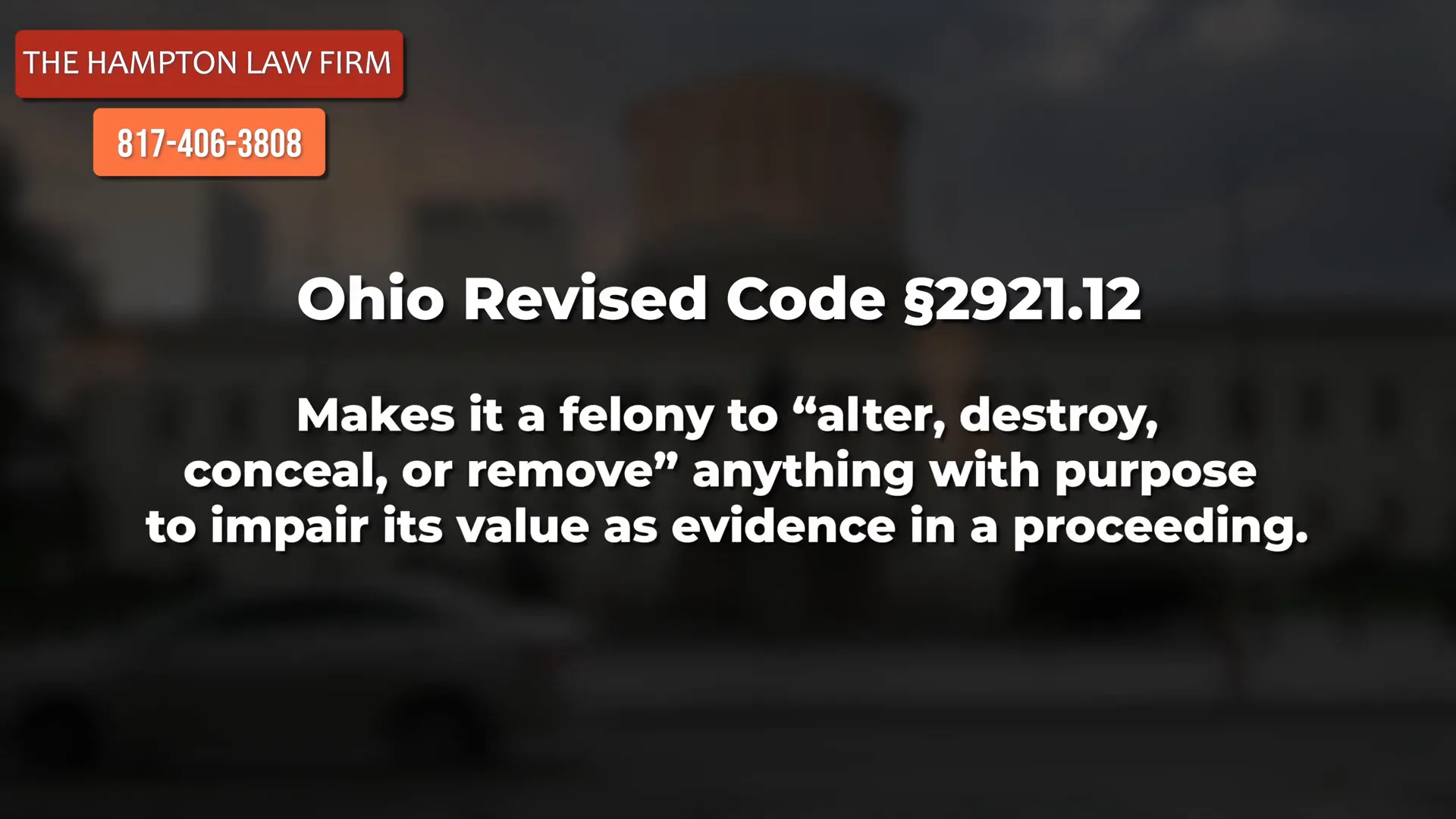
Even if you’re not criminally charged, courts may impose sanctions for “spoilation of evidence” if you destroy relevant footage.
The Benefits of Using a Dash Camera
Despite the risks, dash cams offer powerful advantages that can protect you in many situations.
1. True Objective Evidence During Police Encounters
Dash cams provide an impartial record of interactions with police officers, holding them accountable when they violate your rights. Unlike police body cameras, which officers can sometimes turn off or cover, your dash cam runs independently and captures everything.
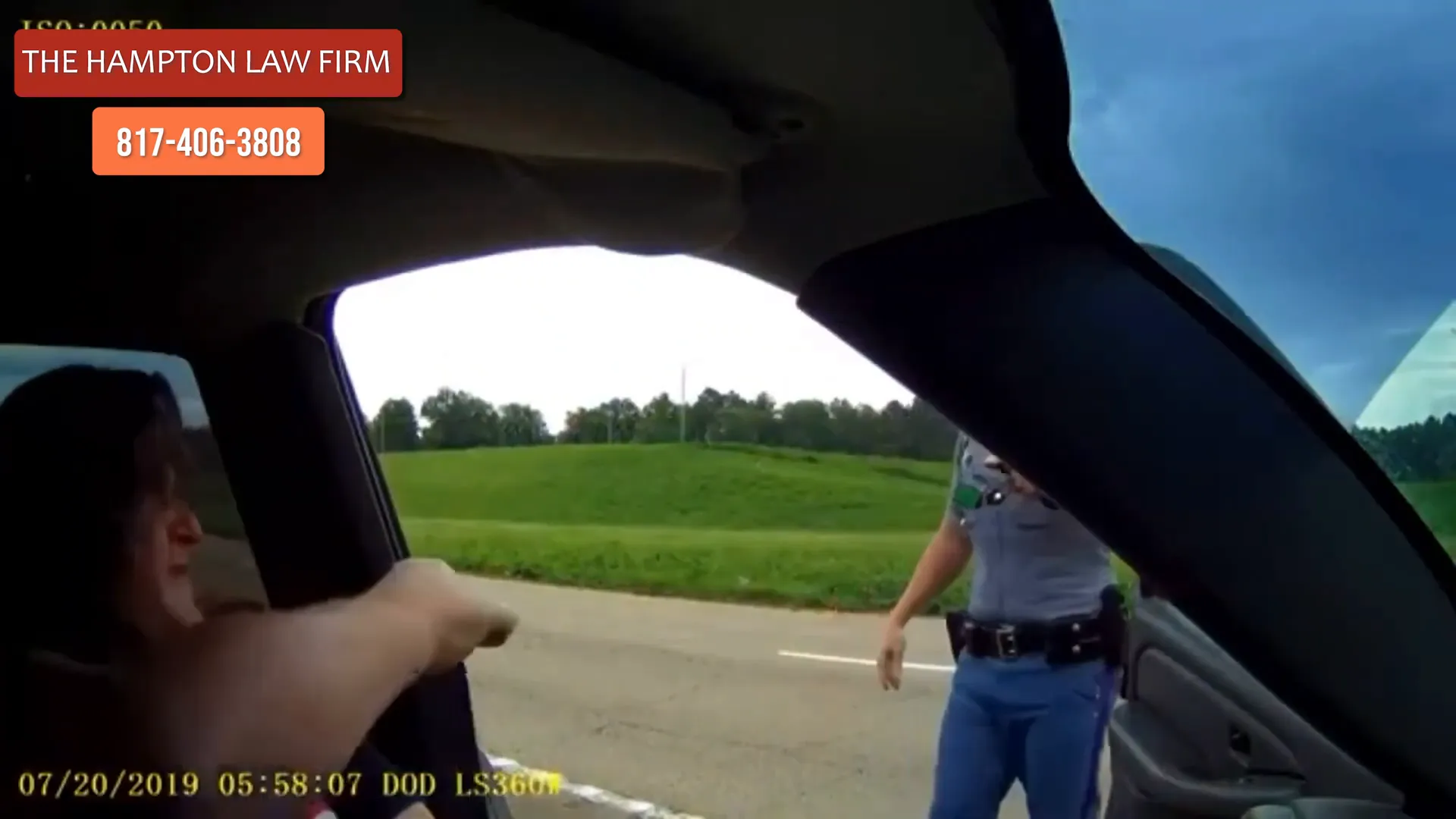
Jeff highlights the Supreme Court case Scott v. Harris, where dash cam footage was used to determine whether police acted properly during a high-speed chase. You have a First Amendment right to record police performing public duties, and officers cannot force you to turn off your camera.
2. Protecting Self-Defense Claims and Road Rage Incidents
If you’re a gun owner or carry a firearm in your vehicle, a dash cam can be crucial in proving you acted in self-defense. Police often assume the person with the weapon is the aggressor, especially without impartial witnesses or footage.
Jeff shares road rage cases where dash cam footage exonerated clients from false assault claims. Properly positioned cameras can clearly show who was the aggressor and who was defending themselves.
3. Combating False Driver Claims and Insurance Fraud
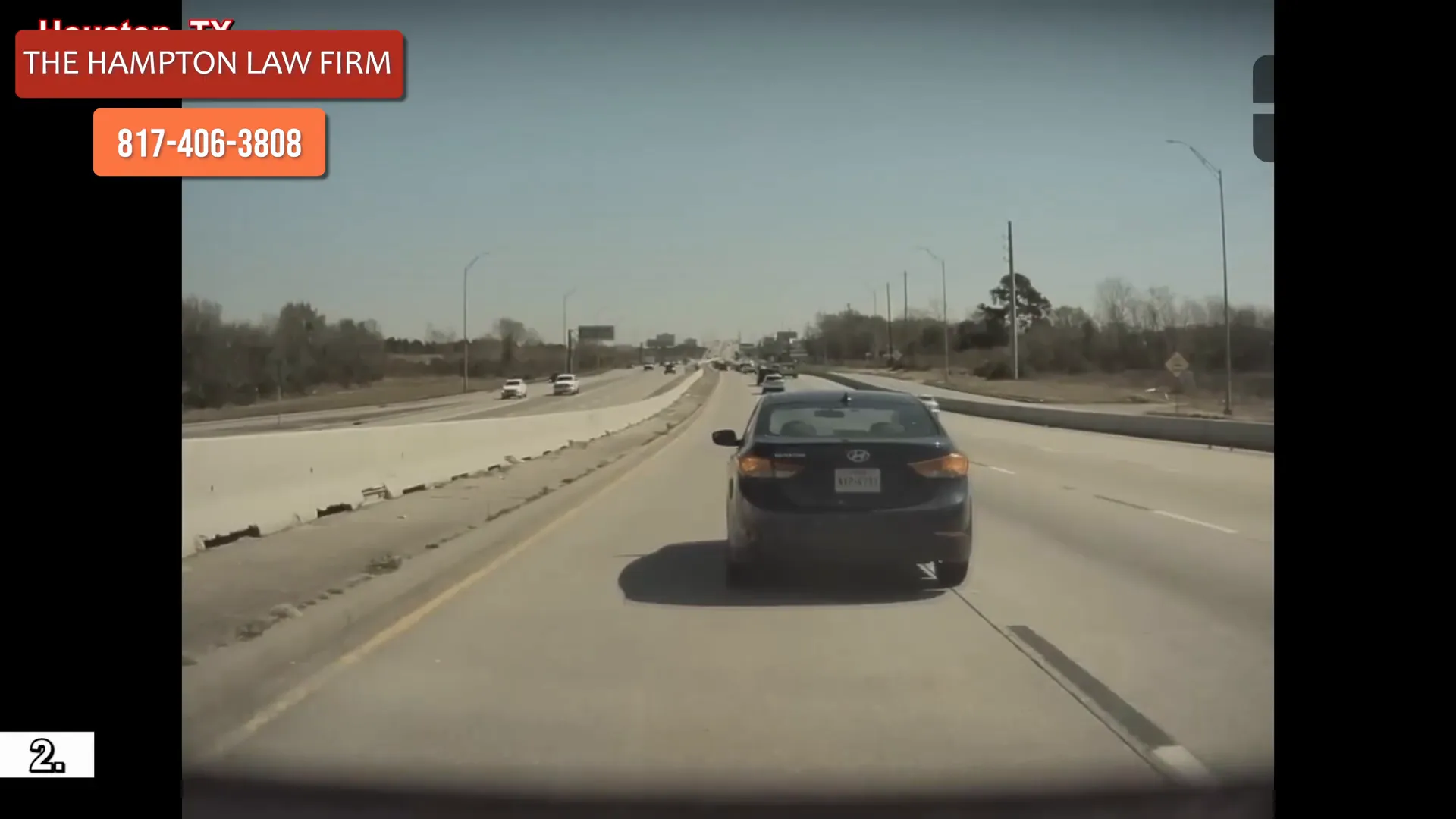
Dash cams are invaluable against staged accidents and “crash for cash” scams, where drivers deliberately cause collisions or fake being hit to file fraudulent insurance claims.
Having irrefutable video evidence helps protect your insurance claims and provides grounds for civil action against scammers.
4. Proving Your Innocence When It’s Your Word Against the Police’s
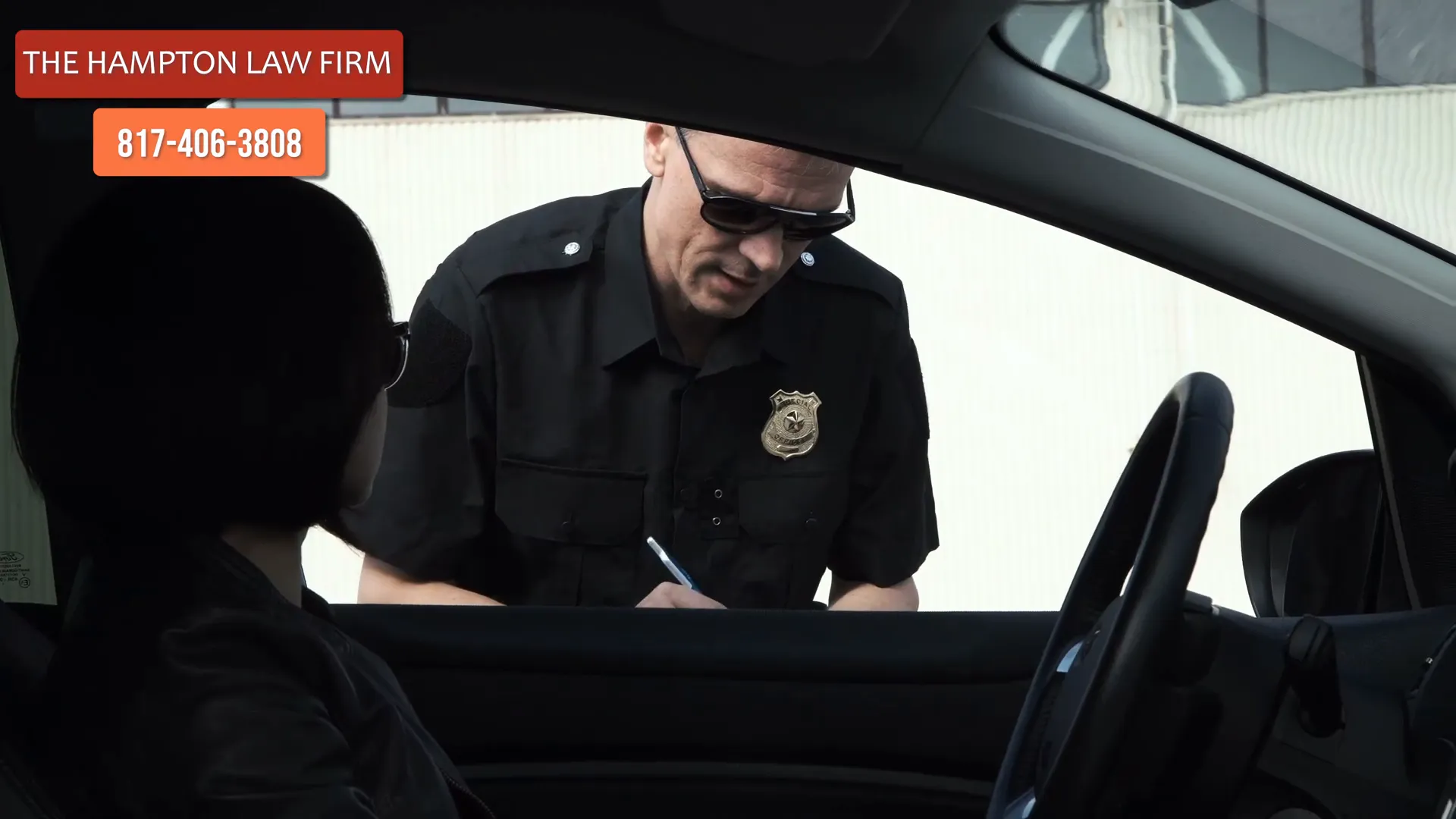
Unfortunately, police reports often favor officers’ accounts over civilians’. Dash cam footage can shift that balance by clearly showing police misconduct or false accusations, helping you prove your innocence.
Legal Rules You Must Know When Using Dash Cameras
Do You Have a Duty to Disclose or Share Your Footage?
You do not have to immediately hand over your dash cam footage to police. Always consult an attorney before sharing any recordings. Jeff advises against volunteering your footage or even telling officers you have a camera running during a traffic stop. Let the officer expose themselves if they act improperly while you remain calm and silent.
Remember, you have the right to remain silent and to have a lawyer present before answering questions. Talking while your camera is recording can waive these rights and make everything admissible in court.
When Can Police Seize Your Dash Cam?
Your dash camera is your personal property and protected under the Fourth Amendment. Police can only seize it:
- With your consent (which you should never give)
- With a valid warrant
- Under exigent circumstances (very rare, like an ongoing crime that requires immediate access)
Outside of these, cops generally cannot take your dash cam or footage on the spot.
Where Should You Mount Your Dash Camera?
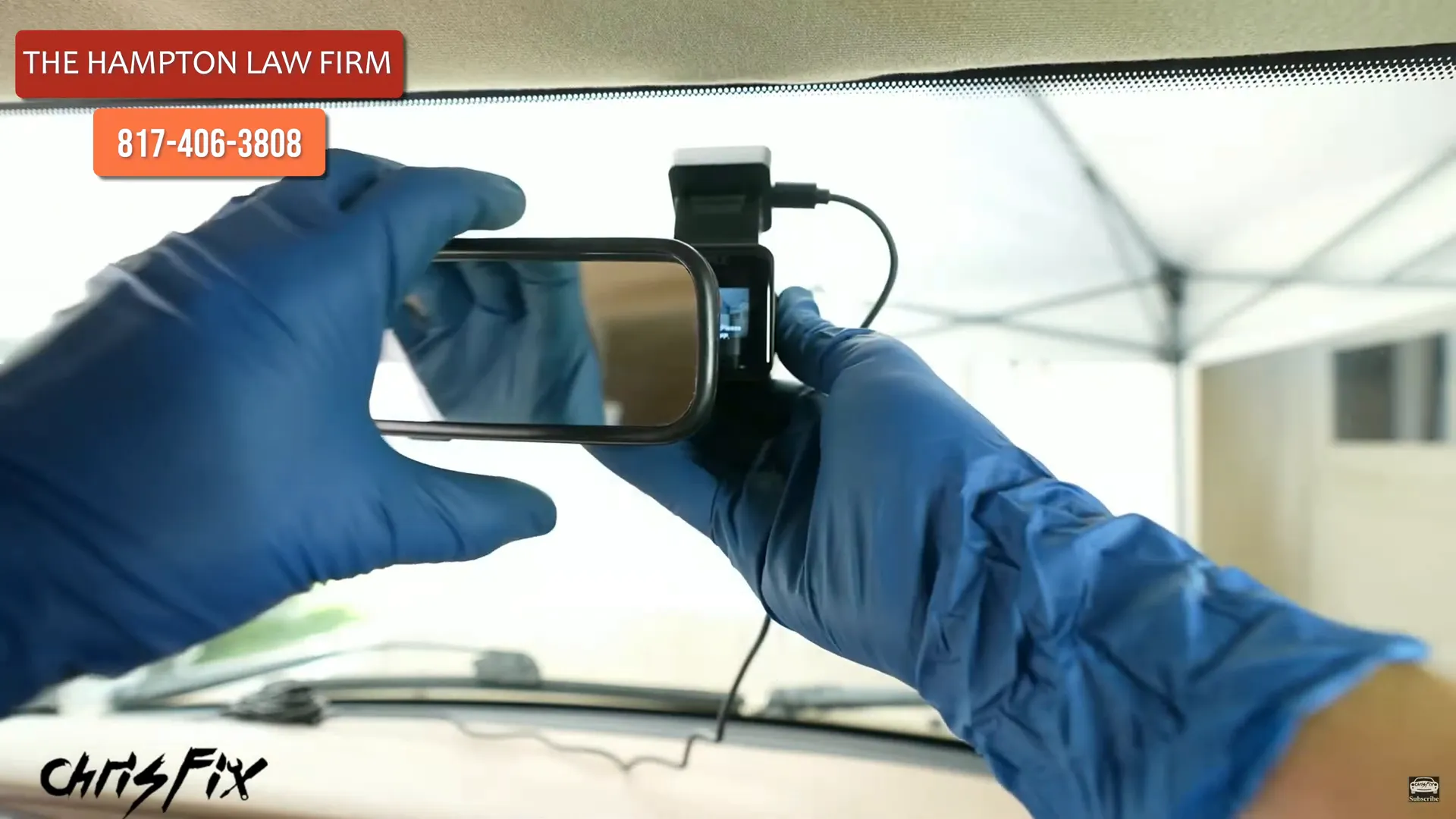
Almost all states prohibit placing anything on your windshield that obstructs your view. Dash cams are usually allowed if mounted behind the rearview mirror or on the dashboard. However, some states have stricter rules. For example, California and Illinois require dash cams to be within specific small areas on the windshield.
If a cop spots your dash cam placed illegally, they might use that as an excuse to pull you over and possibly search your car. Always check your state’s laws and install your dash cam accordingly.
Real-Life Example: Dash Cam Footage Saves an Innocent Driver
In one memorable case, a woman staged being hit by a car while walking on the roadside. Without dash cam footage, it would have been her word against the driver’s. But the video clearly showed the entire staged incident, saving the driver from wrongful arrest and possible charges.
Conclusion: Is a Dash Cam Worth It?
Dash cameras come with both significant pros and cons. They can protect you from false accusations, police misconduct, and insurance fraud—but they can also capture incriminating evidence or be misinterpreted against you. The key is understanding the legal landscape, maintaining your camera properly, and knowing when and how to share footage.
If you decide to install a dash cam, do so thoughtfully and keep these guidelines in mind. Remember, your rights are paramount—don’t hand over footage without legal advice, and always exercise your right to remain silent.
What do you think? Is a dash camera something you should have in your vehicle? Share your thoughts and experiences.
For more expert legal insights and updates, check out Hampton Law’s YouTube channel.

Be the first to comment