
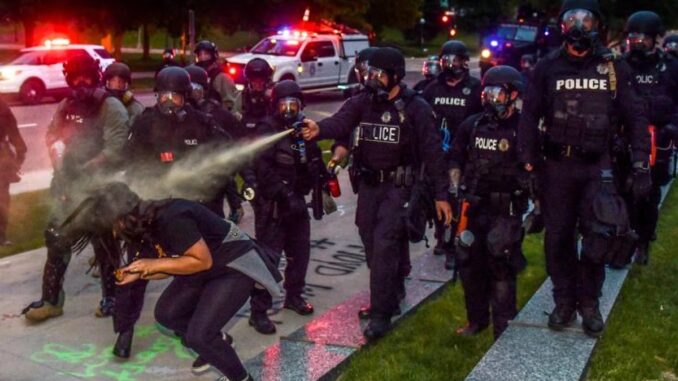

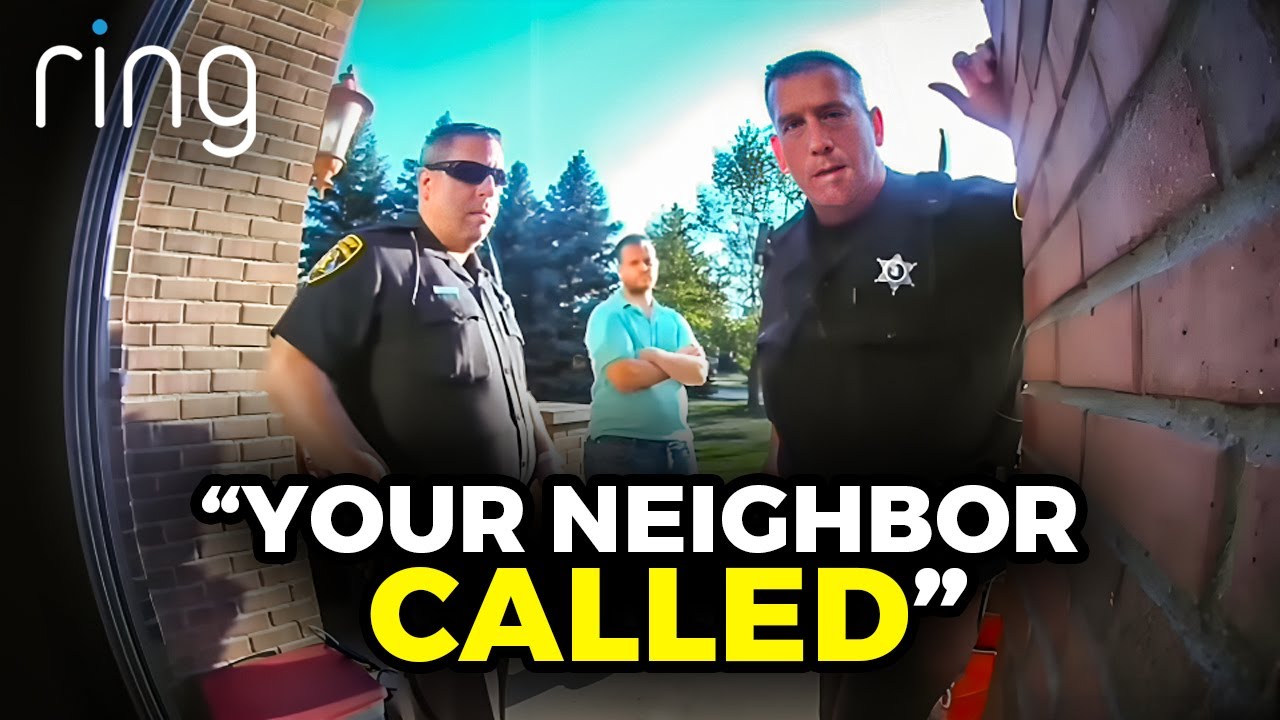
Imagine it’s a Friday night. You’re finally relaxing after a hectic week. Your favorite music is playing, maybe a bit louder than usual, but nothing extreme. Then suddenly, there’s loud knocking at your door. You open it to find two police officers shining flashlights in your face, acting like you’ve just committed a serious crime. “We had complaints about noise,” one says. “You’re disturbing the peace,” the other adds.
Hold on a second. Your music might be up, but it’s not shaking the walls. You’re ready to apologize and turn it down, when the second cop peers past you, looks inside your house, and says, “We’re going to need to come in and take a look for a minute.” Search your house over a noise complaint? That sounds crazy, right? But is it even legal? Or is this noise complaint just a flimsy excuse for cops to get inside and poke around?
He is Jeff Hampton from Hampton Law, and after handling thousands of cases and over a hundred jury verdicts, he has seen firsthand how police stretch vague laws like “disorderly conduct” to turn innocent moments into legal nightmares. Today, he is giving you the tools to stop cops cold in their tracks.
What Is Disorderly Conduct?
If you ask a cop mid-confrontation, you might get a blunt answer like, “You’re just causing trouble, pal.” That’s the problem—it’s a catch-all term. Every state has its own version, but they often use vague phrases like “unreasonable noise,” “offensive language,” “loitering,” or “tumultuous behavior.”
For example, in New York, Penal Law Section 240.20(2)(o) says you’re guilty of disorderly conduct if you, “with intent to cause public inconvenience, annoyance, or alarm, or recklessly creating a risk thereof, use abusive words or make obscene gestures in public.” One officer’s annoyance could be another person’s normal Tuesday night vent session after a bad date.
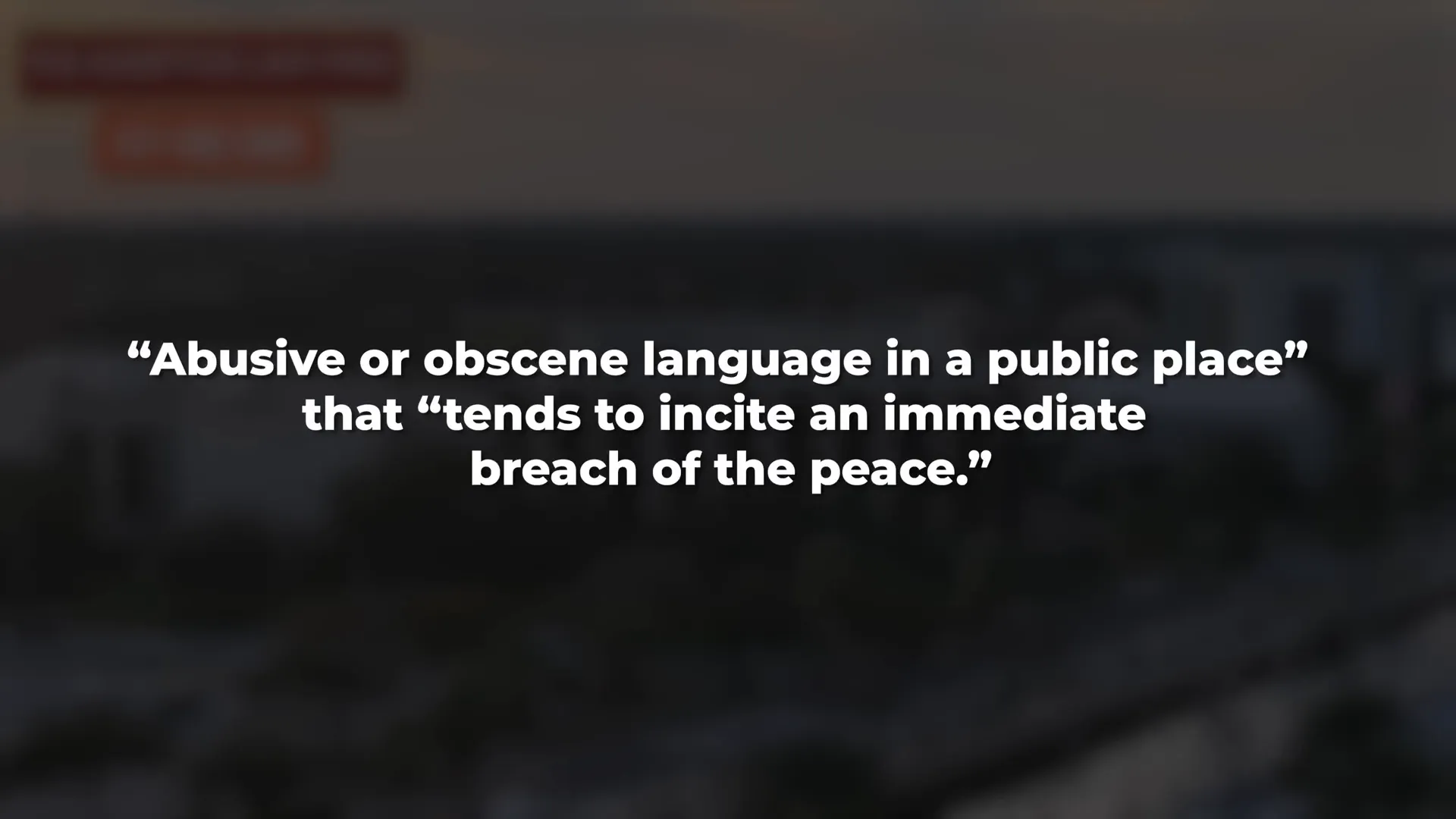
In Texas, you’re guilty if you use “abusive or obscene language in a public place that tends to incite an immediate breach of the peace.” Notice the wiggle room? Who decides what’s abusive? Who decides what’s immediate?
These laws were originally designed to stop real public disruptions—think fist fights breaking out in a bar or loud obscenities rattling families in a park. But the way these laws are written is, believe it or not, by design. The fuzziness hands cops a tool to tag almost anything they don’t like.
These disorderly conduct laws evolved from old vagrancy and loitering laws straight out of a Charles Dickens novel. In 1972, the Supreme Court slammed one such law in Papachristou v. Jacksonville. Back then, Jacksonville, Florida had a law so broad it criminalized “rogues, vagabonds, and night walkers”—basically anyone the cops didn’t vibe with.
The Court said no way. The law was too vague and gave police a blank check to arrest whoever they wanted, often targeting drifters or minorities. Sound familiar?
The key legal concept you must know: disorderly conduct under modern laws is supposed to have a public dimension. New York’s highest court said in People v. Manafo, “a person may be guilty of disorderly conduct only when the situation extends beyond the exchange between individual disputants to a point where it becomes a potential or immediate public problem.”
So shouting at somebody in your private home? Not disorderly conduct. But drawing a crowd or inciting a mob? That could be different.
But here’s the catch: who decides what’s public or disruptive? Too often, it’s the cop staring you down, and their threshold is always very low. If you do anything even mildly offensive to them, get ready for disorderly conduct charges.
How Cops Use Disorderly Conduct as a Pretext
Here’s how officers often use disorderly conduct to get what they really want:
- To search you: They might claim you’re being too loud or disruptive as a pretext to pat you down or search your belongings. Then they use the disorderly conduct charge to claim probable cause.
- To escalate the encounter: Ask a cop why they’re bothering you, and suddenly your question is “disorderly.” Boom, cuffs on.
- To retaliate against recording: Pull out your phone to record, and they claim you’re disturbing the peace by standing too close.
- The crowd sweep: At a protest or bar closing, cops round up anyone they think is “too mouthy” and slap disorderly conduct charges on them.
Don’t believe cops will use noise complaints as a pretext? Watch this video from Childress, Texas, where cops arrived for a noise complaint but ignored the law and violated homeowners’ rights.
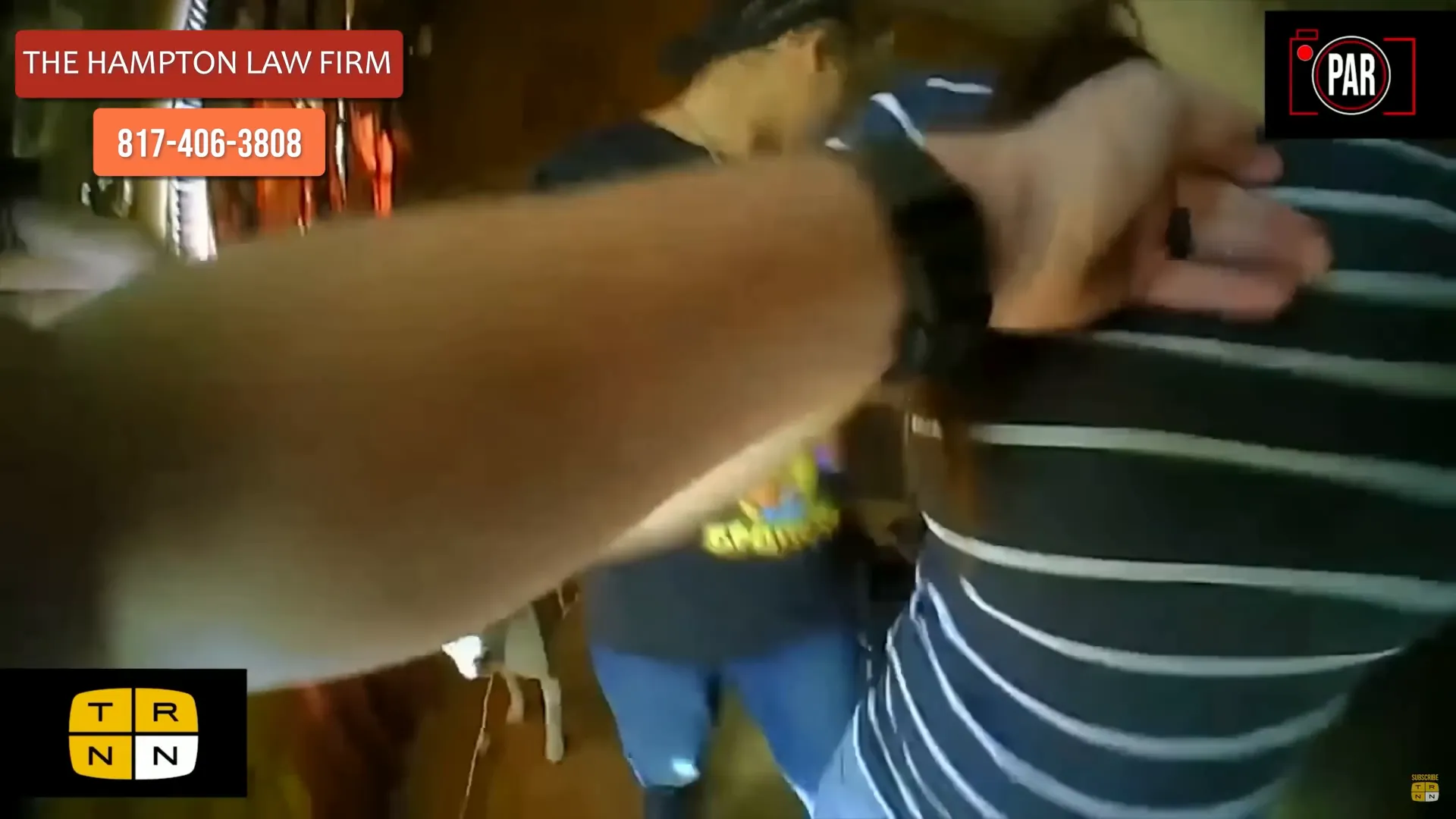
Notice the cop arrives claiming a noise complaint but there’s no actual loud music or noise. The law requires cops to be 50 feet away and measure 65 decibels or more with an approved sound meter to establish a violation. Here, the cops were just guessing.
There was no consent to enter, no search warrant, and no exigent circumstances like a medical emergency or fleeing felon. Yet the cops force their way inside, violating the homeowner’s Fourth Amendment rights.
Pro tip: Never leave your door open for cops to follow you inside. If you see cops pulling up, go back inside, shut and lock your door. Otherwise, you might end up with cops barging in uninvited.
Landmark Supreme Court Rulings That Protect You
Thankfully, the Supreme Court has grown skeptical of vague disorderly conduct laws. Here are some heavy hitters that help protect your rights:
- Terminillo v. Chicago: A man gave a speech in public that riled some people. Cops arrested him for disorderly conduct, but the Court said speech that stirs anger is protected under the First Amendment.
- Gooding v. Wilson: Georgia banned “opprobrious words” — outrageously disgraceful or contemptuous language. The Court struck down the law as too vague, emphasizing laws must be razor sharp.
- City of Houston v. Hill: Houston made it a crime to interrupt cops. Raymond Hill yelled at an officer harassing his friend and was arrested. The Supreme Court trashed the law, stating, “The freedom to verbally challenge police without risking arrest is what separates a free nation from a police state.”
These rulings make it clear: cops can’t just arrest you for ticking them off. Even offensive or crude speech is protected as long as it doesn’t incite violence. You don’t lose your rights just because someone with a badge is offended.
But remember, street-level cops may not know these rulings or simply don’t care. They might still cuff you, betting you won’t fight back. Many defendants don’t realize they have a winning hand and fold too soon in court.
State-Specific Laws Offering Extra Protection
Beyond federal protections, some states provide extra Fourth Amendment safeguards:
- Washington: Has “Farrier warnings” requiring cops to tell you that you can refuse consent to searches of your car, home, person, or property. If cops fail to warn you, any seized evidence is inadmissible.
- Texas: Disorderly conduct for offensive language must show it affected the public, not just bruised an officer’s ego. In Mathis v. State, the Texas court threw out charges because there was no public alarm caused.
- Oregon: State constitution strongly protects speech. In State v. EJJ, a teenager yelling at a cop during his sister’s arrest was protected from obstruction charges on appeal.
- New Mexico: Has a quirky law against touching a house “insolently,” meaning showing rude or arrogant disrespect to a home, which can trigger arrest.
Federal law is your baseline, but your state laws might give you more muscle against vague disorderly conduct charges.
How to Protect Yourself: Battle-Tested Moves
Here’s what you can do if cops try to use a noise complaint or disorderly conduct as a pretext to violate your rights:
- Stay ice cold. Be as calm as possible. Cops want you to get upset and use that emotion against you to claim you’re disruptive.
- Know your rights and assert them. You have the right to remain silent and refuse a search. If not detained, ask, “Officer, am I free to leave?” If yes, walk away calmly.
- Don’t physically interfere or invade officers’ personal space. Rapid movements or getting too close can be twisted into a threat to officer safety, leading to extra charges.
- Use your words wisely. Calling a cop an expletive pig is free speech but will almost certainly provoke arrest. Understand the difference between your rights and how cops might misuse your words.
- Be aware of your surroundings. In public protests, you have more freedom to speak. But in isolated residential areas, cops can more easily claim you’re disturbing the peace.
- Vent to the camera, not the cops. Record and narrate the situation on your phone without directly addressing officers. This protects your First Amendment rights and documents police misconduct.
- Record, record, record. Video evidence is your best friend if things go south. It can show you weren’t disruptive and that cops overreacted.
- Avoid stacking charges. Don’t resist arrest or flee. Cops will try to pile on charges like resisting arrest or assaulting a public servant if you physically resist.
Final Thoughts
Disorderly conduct laws are vague by design, giving police a tool to harass or intimidate. But knowing your rights, staying calm, recording interactions, and understanding both federal and state protections can make a huge difference. Never let a flimsy noise complaint become a gateway for cops to violate your privacy or freedom.
If you want to learn more about protecting yourself, including what to do if cops cover or disable your porch camera, check out my next video where I break down those rights and strategies.
For more legal insights and updates, visit Hampton Law’s YouTube channel.

Be the first to comment