


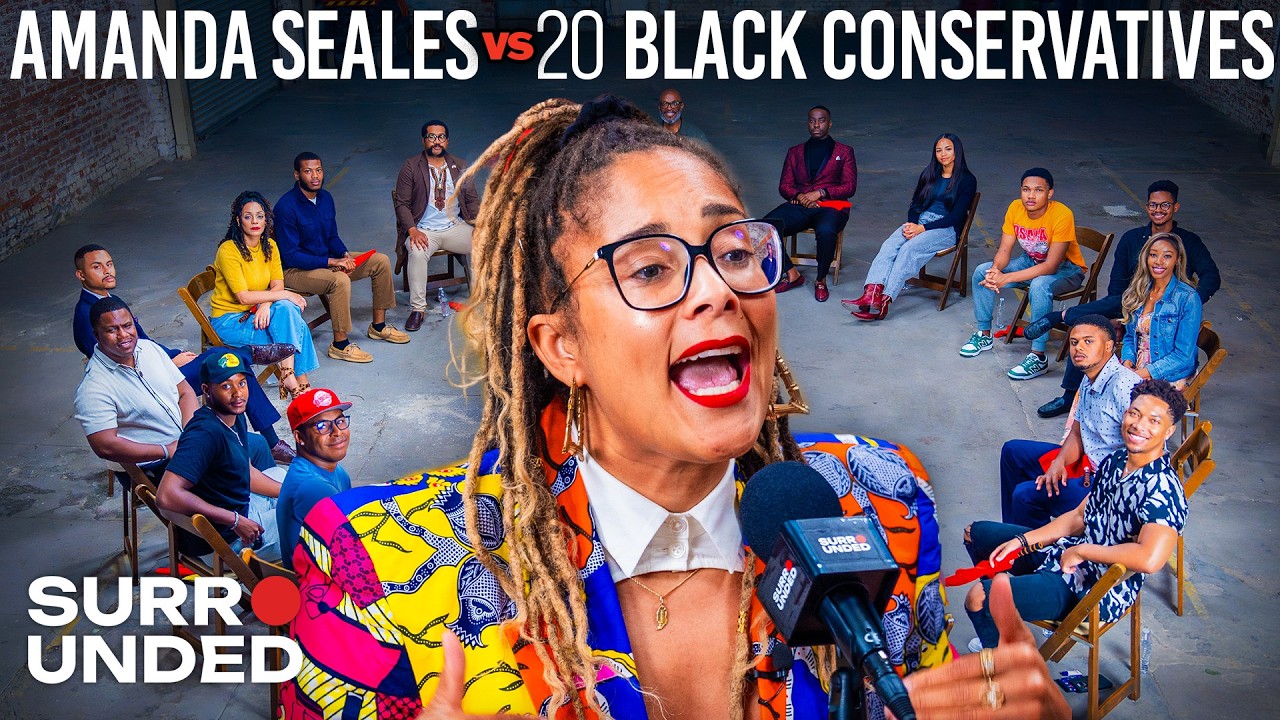
Hosted by Jubilee. Amanda Seales—comedian, actor, cultural critic and host—moderates a pointed, sometimes heated conversation that brings one Black radical into dialogue with twenty Black conservatives. The discussion moves through four core claims: reparations, black-on-black crime, systemic racism, and whether conservatism meets the needs of the working class. Readers can return to Jubilee’s channel here

Introduction: A conversation that refuses to stay comfortable
Amanda Seales opens the forum with the stated intention of making art that educates and then immediately leans into controversy: she frames herself as a “radical” confronting a room of Black conservatives. The tone is assertive, sharp, and unapologetic—Seales repeatedly pushes back on interruption, calls for respect in debate, and insists the conversation must hold multiple truths at once.
Claim #1 — Reparations are just and necessary
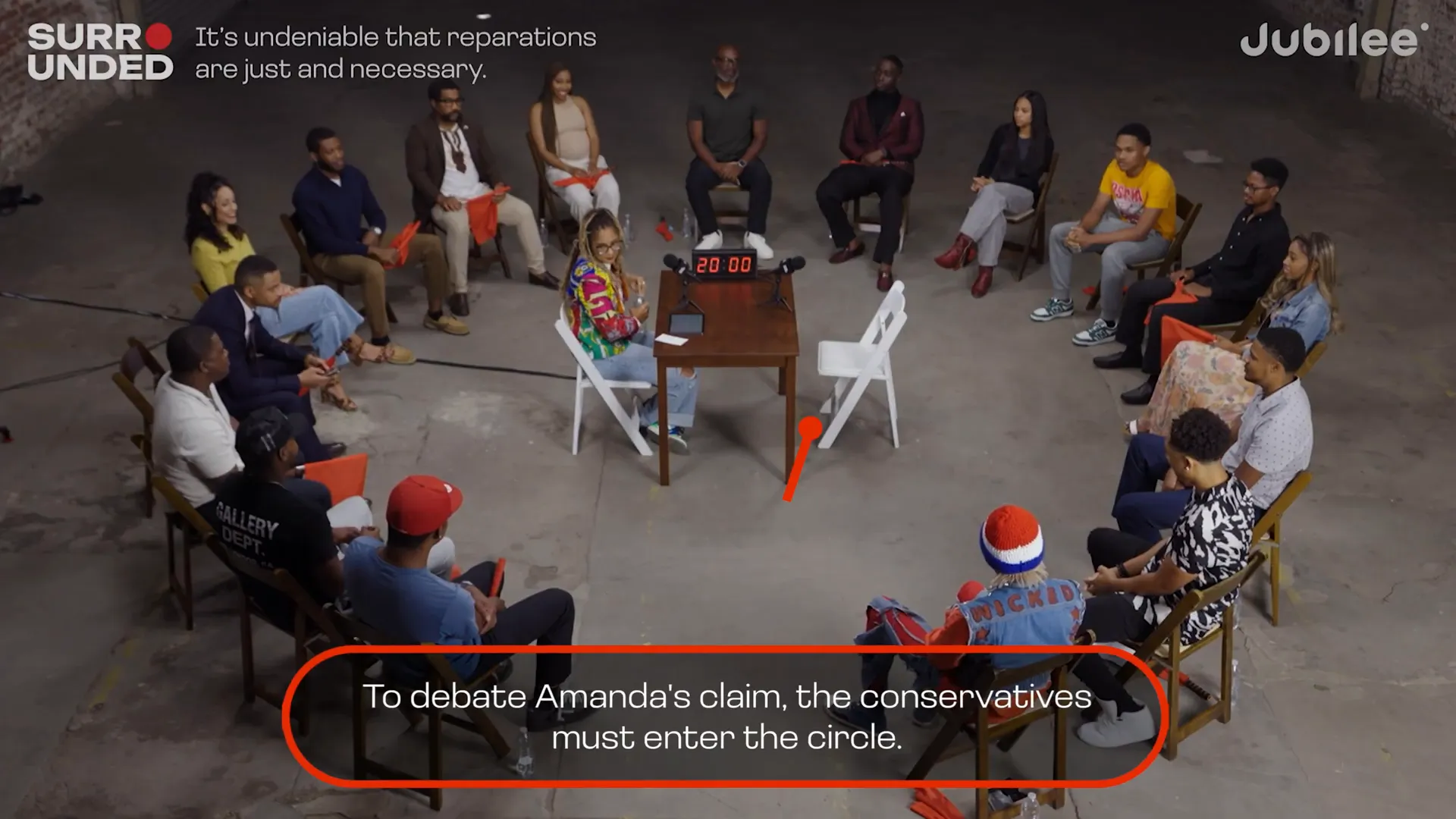
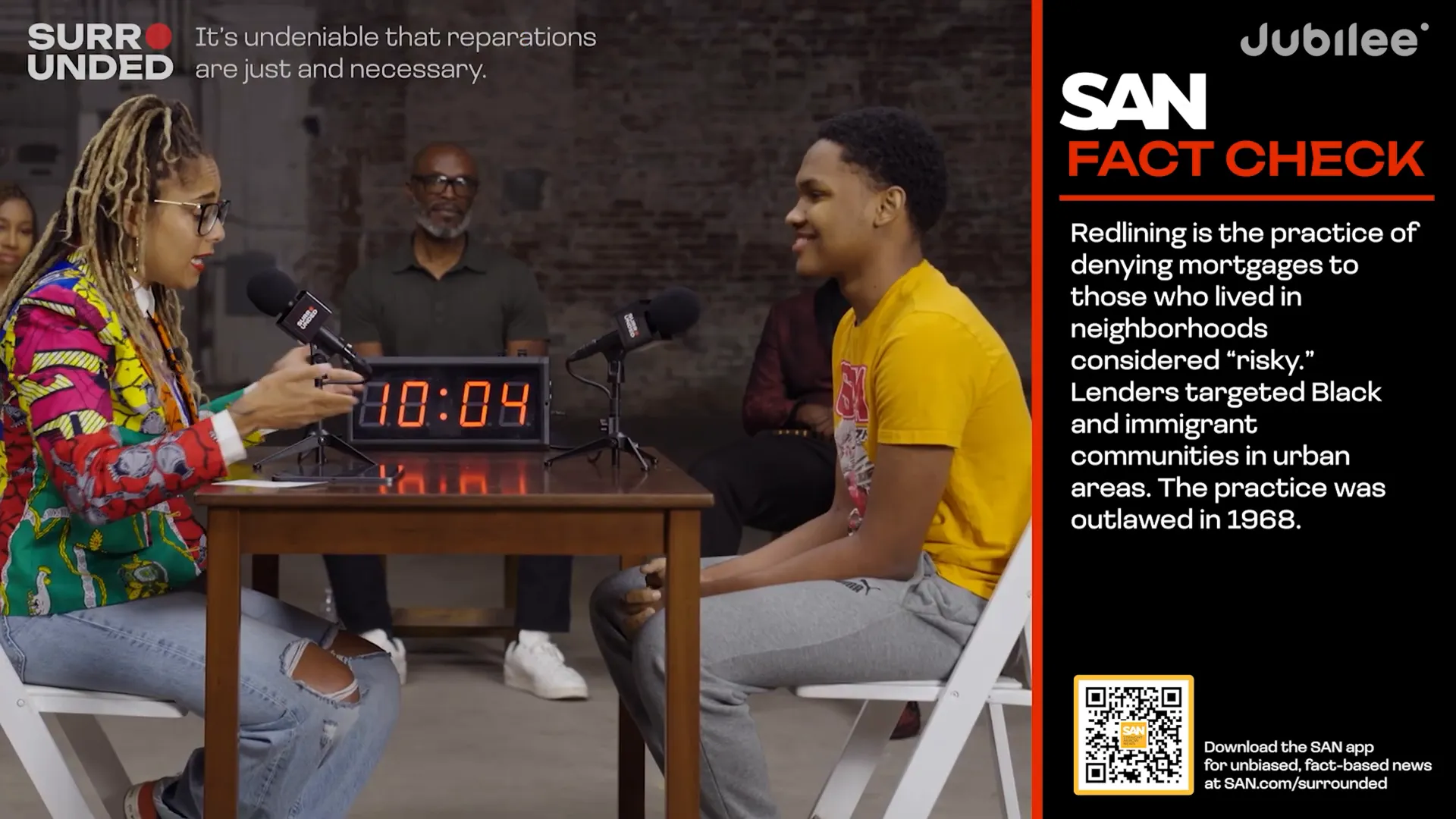
The first major claim Seales advances is that reparations are morally necessary and pragmatically defensible. She distinguishes between reparations (acts of repair for harms) and remunerations (monetary compensation for unpaid labor), arguing that both are owed to Black Americans for centuries of unpaid labor, property theft, and structural impediments like redlining and predatory lending.
Key points and pushback
- Opponents question logistics: who would receive reparations, how they’d be funded, and whether cash payments would meaningfully change outcomes.
- Seales reframes the question: reparations are an ethical repair and a policy tool. They can take many forms—direct payments, targeted public investments (housing, education, food access), and programmatic remediation for property theft and redlining.
- Funding models discussed: reparations committees often estimate historical wage loss and seek to apply that calculation to municipal, state, or federal benefit pools.
“Reparations are an act of repair… we see you now.” — Amanda Seales
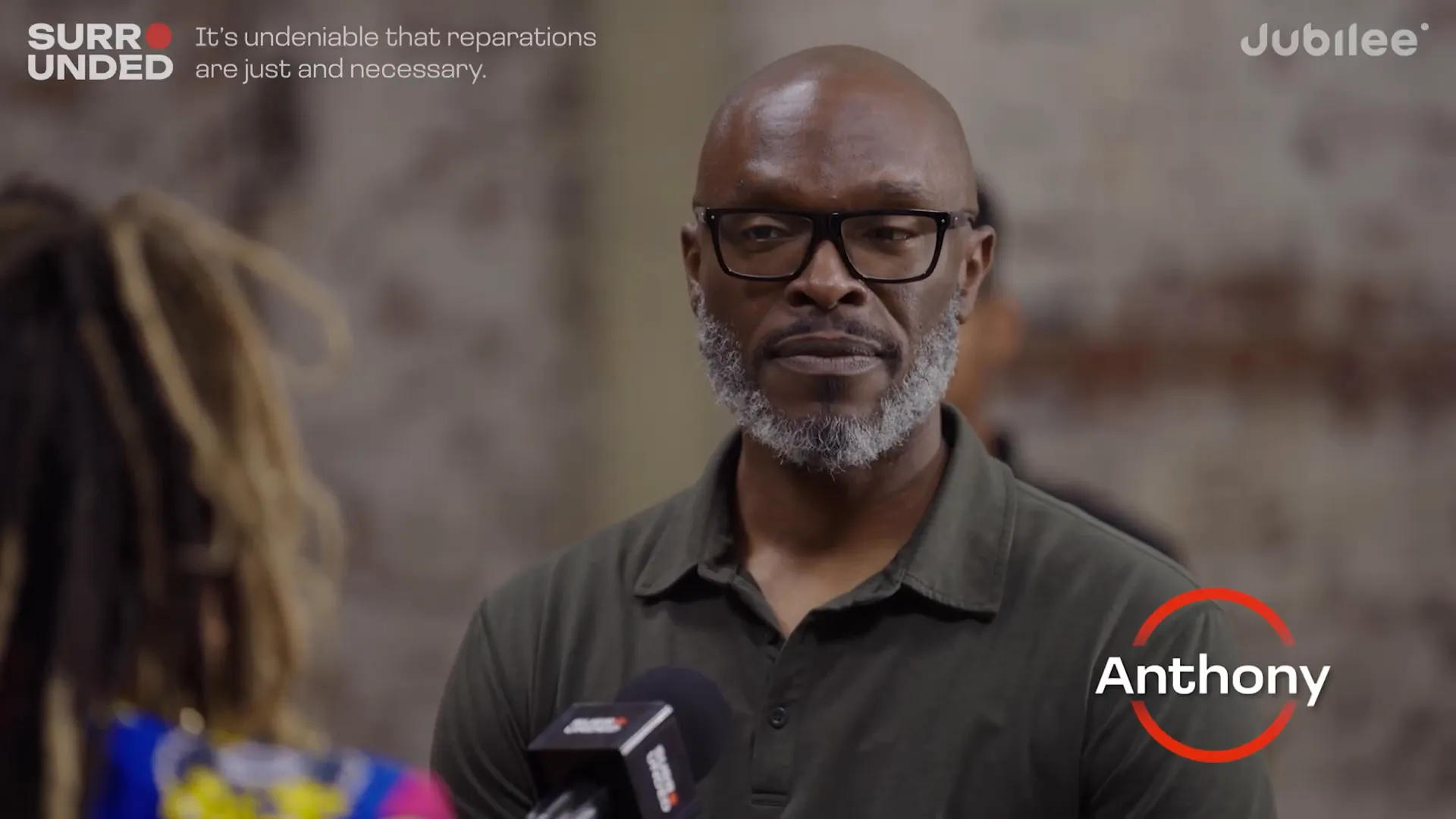
Seales also pushes back on the notion that reparations would simply be a transfer of tax dollars that fail to address root causes. She emphasizes that public spending reflects values: investing tax dollars to repair historic and ongoing harms is a choice about what a society prioritizes.
Claim #2 — “Black-on-Black crime” is a result of underinvestment and over-policing
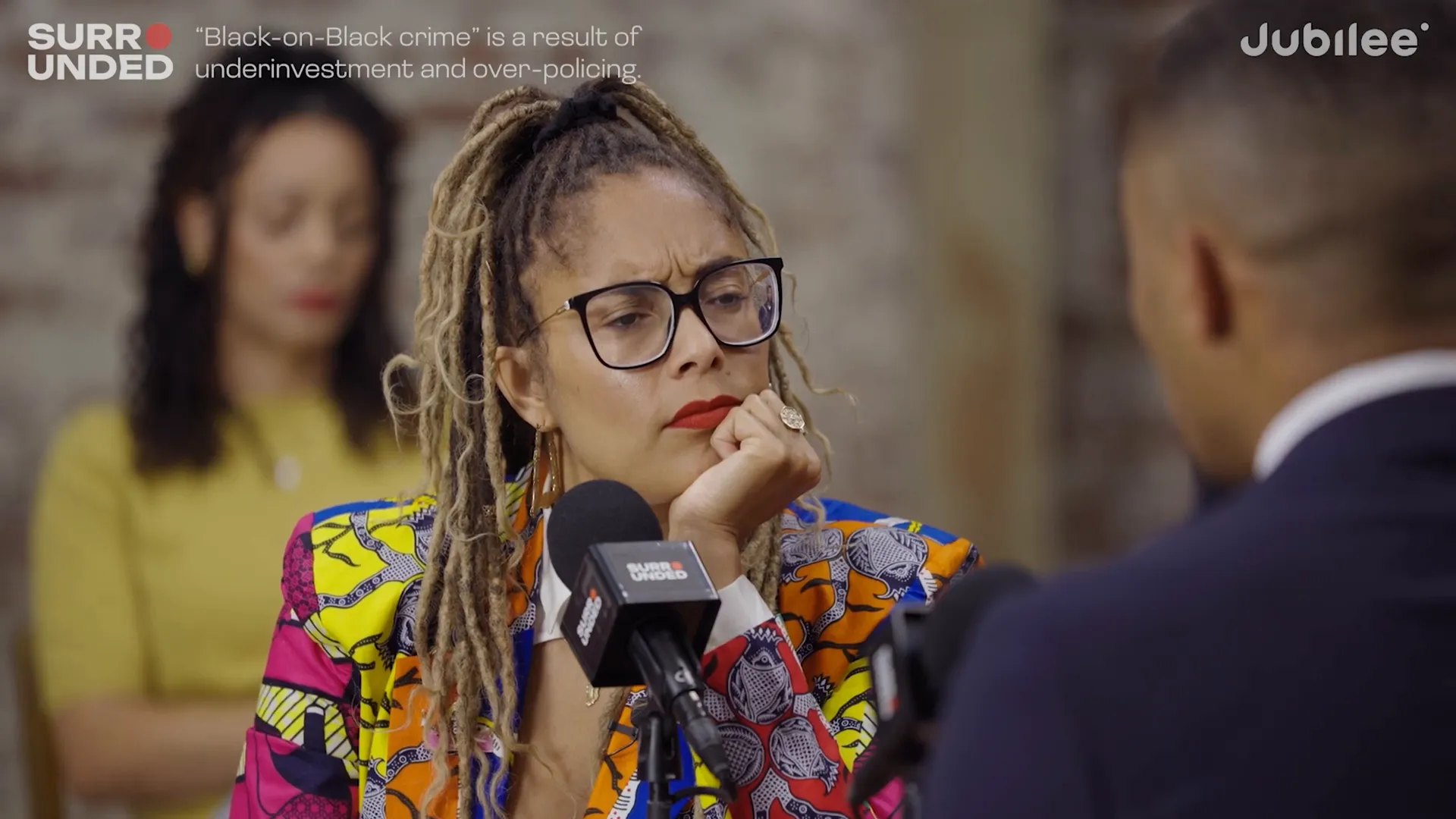
Seales’ second claim centers on how lack of investment and punitive policing practices create the conditions for violence and incarceration. She rejects a singular, moralizing explanation—such as “bad choices” or father absence—as sufficient, arguing instead for a multi-layered analysis that includes public policy, educational funding, and mass incarceration practices.
What the panel brought to the table
- Some panelists argued accountability, family structure, and cultural values are primary drivers of violence in Black communities.
- Seales counters that these individual-level explanations ignore structural barriers: schools starved of resources, aggressive policing, and criminal-justice practices that funnel young people into prisons.
- She highlights community-led solutions—violence interruption programs in Detroit, New York, and Baltimore—that reduce conflict but lack sustainable funding.
“You can clean your house and bar the windows from people shitting in it.” — Amanda Seales (paraphrased)
The conversation recognizes real trauma—panelists share personal losses to community violence—while also interrogating how data, policing, local funding, and corporate decisions shape outcomes.

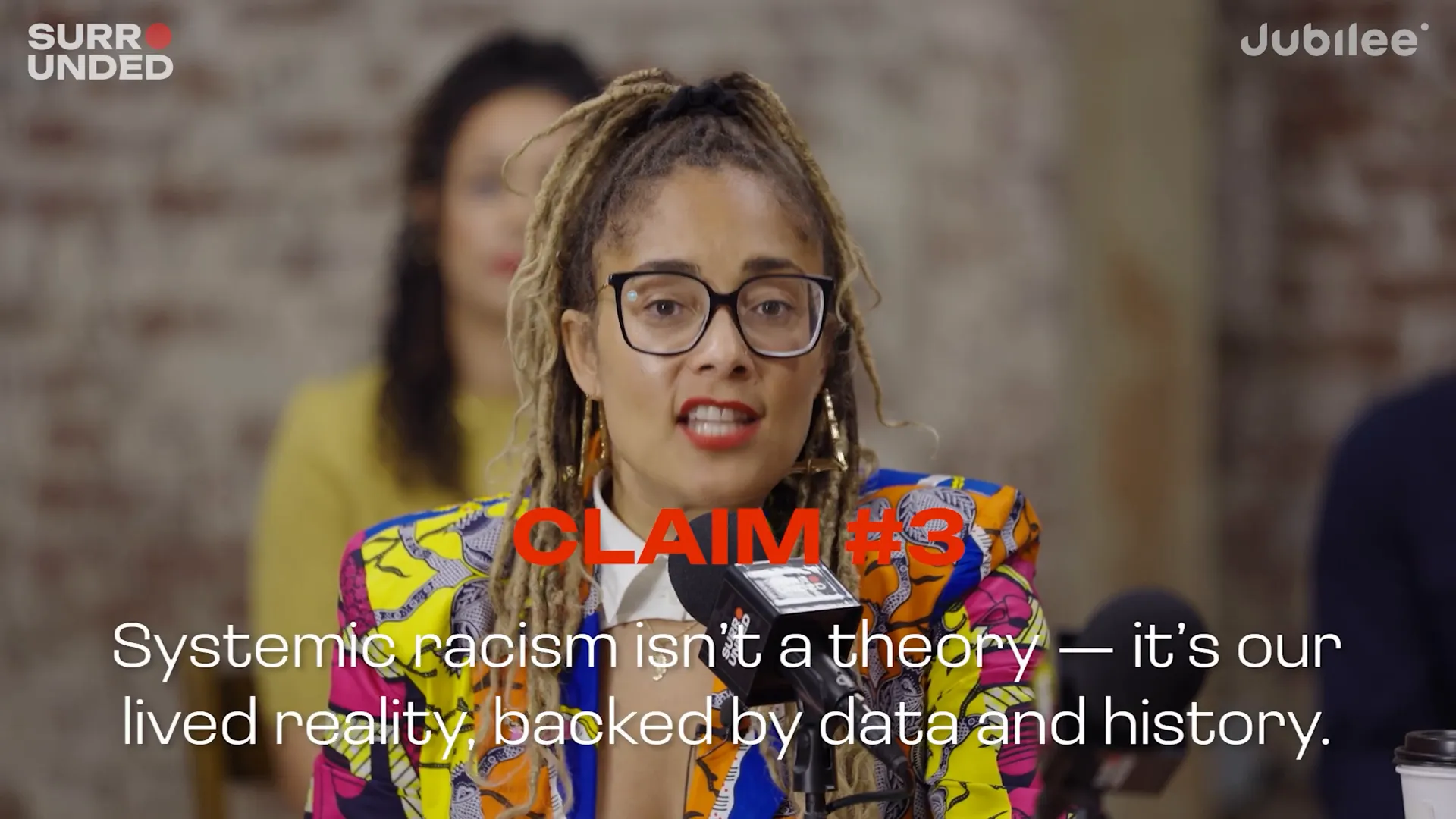
Claim #3 — Systemic racism isn’t a theory; it’s lived reality backed by data and history
Seales makes the case that systemic racism is not mere rhetoric. She uses concrete institutional examples—redlining, biased home appraisals, disparate incarceration rates, and school-to-prison pipelines—to demonstrate how practices persist even after discriminatory laws are repealed.
Examples and evidence highlighted
- Redlining: historically codified housing discrimination lowered property values and limited generational wealth.
- Appraisals: cited examples where identical homes appraised at different values depending on perceived occupants.
- School funding & private prisons: ties between third-grade literacy, punitive pipeline metrics, and later incarceration rates.
- Criminal justice data: longer sentences and higher incarceration rates for Black people for comparable offenses.
“We were three-fifths human in law; the legal and cultural residue of that still shapes opportunity.” — Amanda Seales
Panelists who had experienced upward mobility argued that individual success means systems can be overcome. Seales acknowledged individual triumphs while emphasizing that systemic forces still unevenly shape opportunities and outcomes.
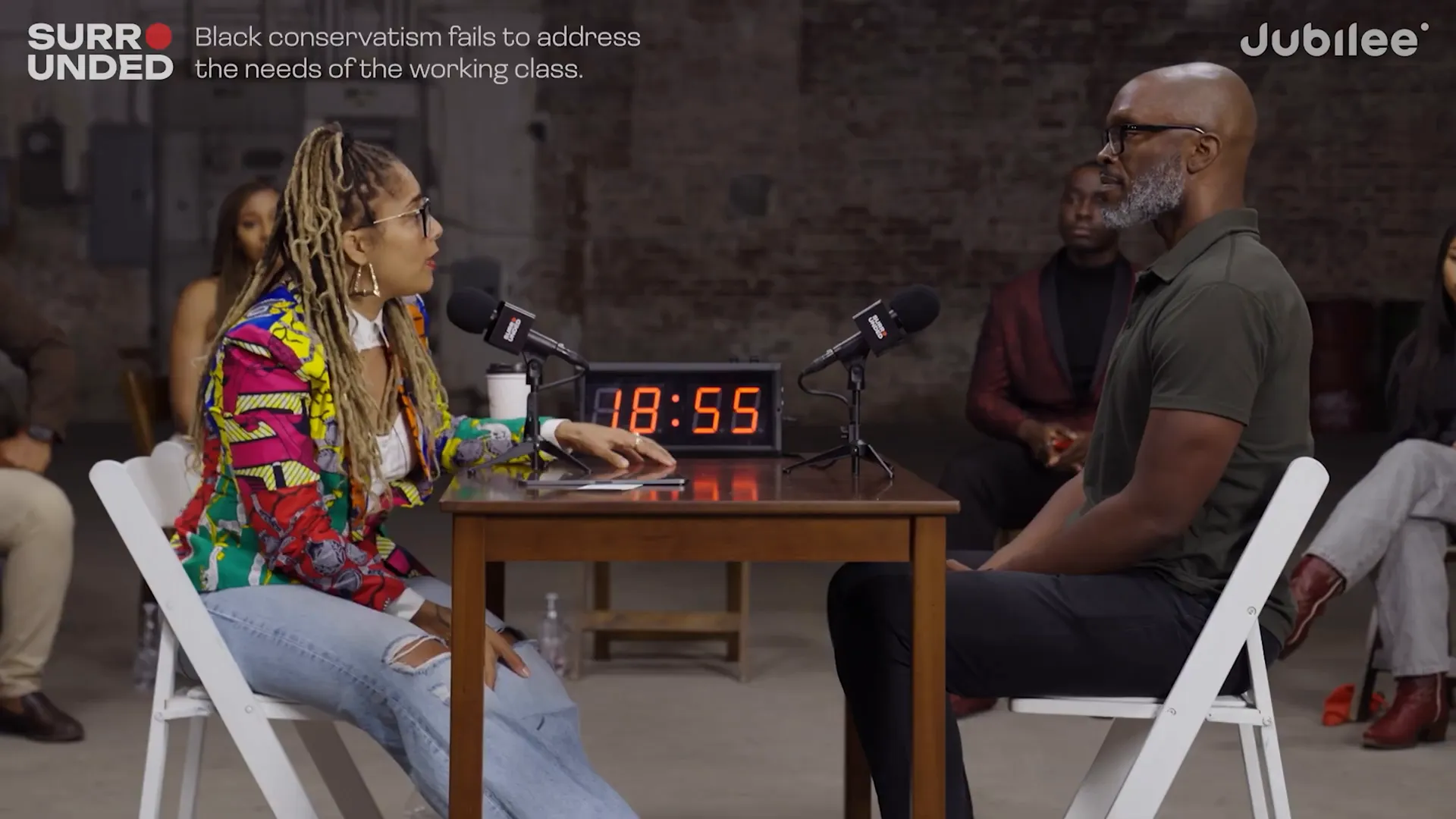
Claim #4 — Black conservatism fails to meet the needs of the working class
Seales argues that conservative rhetoric—emphasizing personal responsibility, entrepreneurship, and trades—can sound practical, but often fails to create the structural pathways workers need: union protections, consistent wages tied to cost of living, and protections against corporate extraction.
Specific tensions
- Skills and trades: many on the panel promoted vocational training and self-sufficiency as real solutions—practical, immediate, and valuable.
- Labor rights and law: Seales pointed to efforts in certain Southern states to block unionization or prevent formal recognition of service-worker unions, which limits bargaining power and wage parity.
- Historical context: She noted unions historically excluded Black workers and, at times, white-led policies and violence aimed at keeping Black labor out of higher-paying trades.
“Go out and work” is not sufficient if the system purposefully narrows the opportunities and protections available to workers. — Amanda Seales
John-Samuel’s claim: Walk away from the Democratic Party
John-Samuel raised a provocative political claim: Black people should leave the Democratic Party and stop being treated as electoral tokens. He described being used for campaign mobilization and then neglected between cycles. Several participants—across ideological lines—agreed on the practical frustration of being taken for granted.

Seales responded with nuance: both parties have historically and presently failed Black communities in different ways. She asked for independent political imagination beyond binary party loyalty—calling for policies and systems that actually repair harm and expand opportunity.
“Neither party is for Black people if the system won’t let people pick their leaders or hold power to account.” — Amanda Seales (paraphrased)
Tone, takeaways, and the limits of a single conversation
The forum is messy by design: interruptions, pointed personal stories, and passionate disagreements make the hour feel like a snapshot of broader debates within Black America. Seales’ approach is unapologetically radical in that she insists on naming structural forces while also calling for community responsibility.
- Reparations: framed as both moral and practical repair; not reducible to a single cash payment.
- Violence and accountability: individual responsibility and structural investment coexist as explanations—both matter.
- Systemic racism: Seales emphasizes institutional practices that persist despite legal changes.
- Political allegiance: participants argue for independent thought, not monolithic party membership.
Conclusion
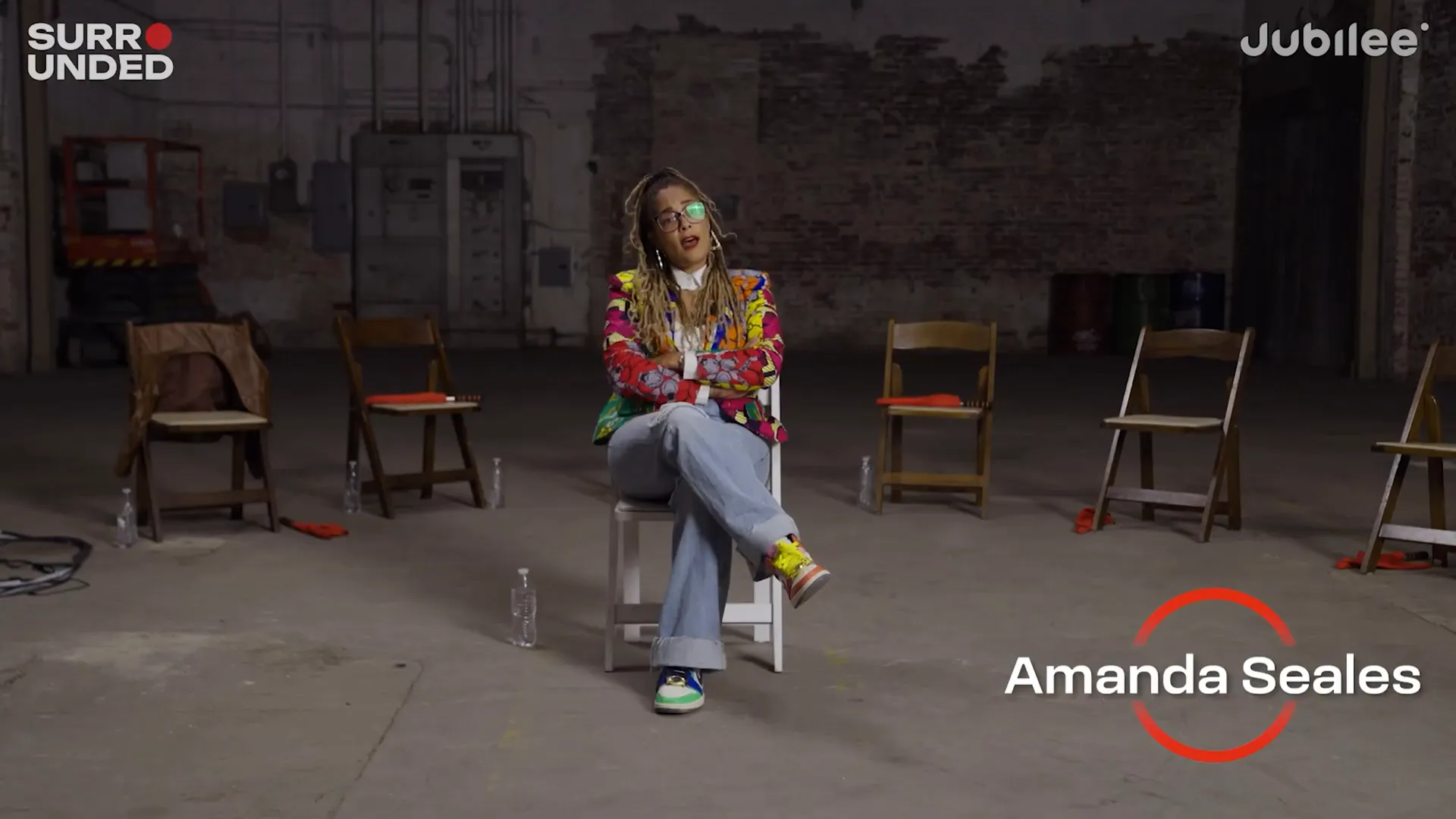
This conversation—hosted by Jubilee and moderated by Amanda Seales—doesn’t produce tidy answers. Instead it models civic argument: citizens disagree loudly but can also refine their positions through direct challenge. Seales insists on both structural diagnosis and cultural agency. Whether the reader agrees or not, the exchange underlines an essential point: policy, history, and personal responsibility must all be part of any agenda that aims to improve the material and moral life of Black communities.

Be the first to comment