
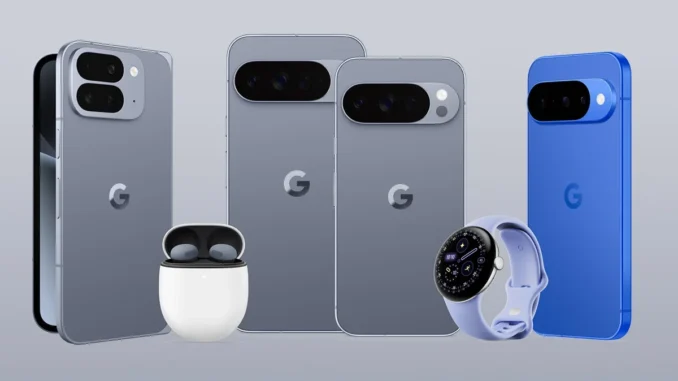

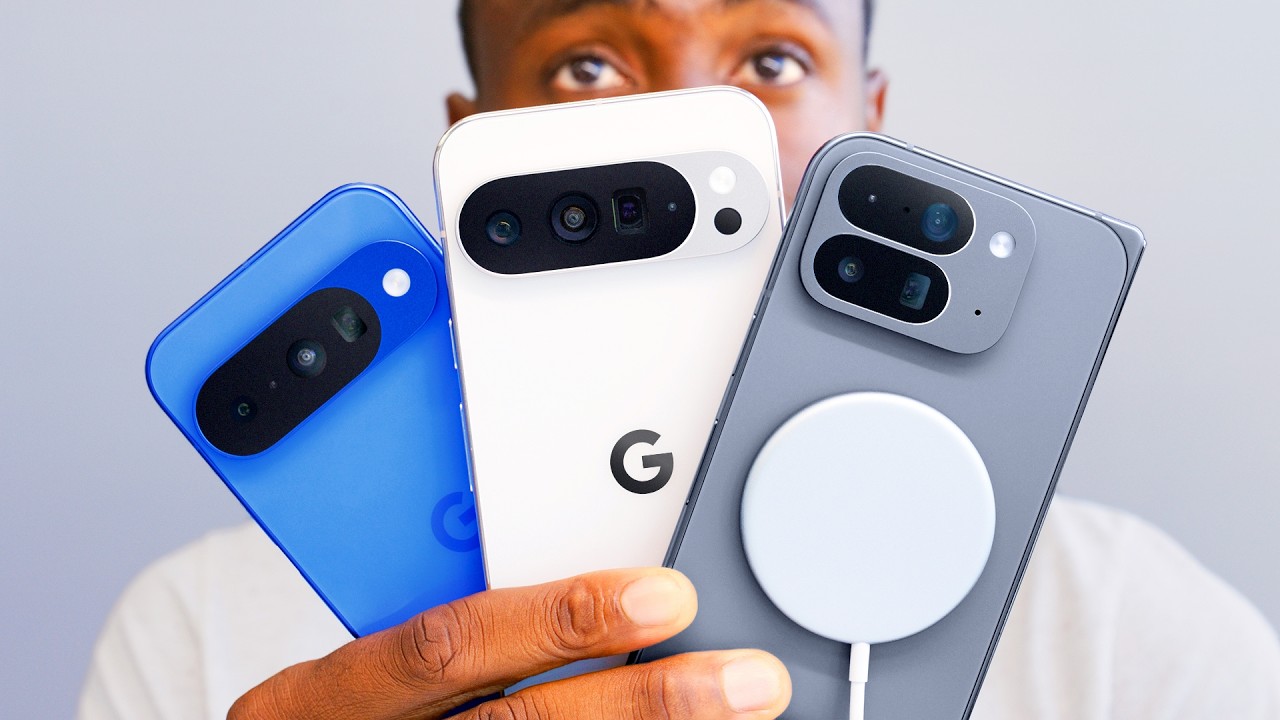
Marques Brownlee delivers first hands-on impressions of Google’s tenth-generation Pixel family — the Pixel 10, Pixel 10 Pro, Pixel 10 Pro XL, and the Pixel 10 Pro Fold. Fresh from competing with Team USA in Chengdu, Marques walks through design updates, hardware changes, the new Pixel Snap ecosystem, camera differences, and the software features that keep the Pixel line feeling uniquely “Google.” This write-up summarizes his early impressions, key specs called out in the hands-on, and what to watch for in full reviews.
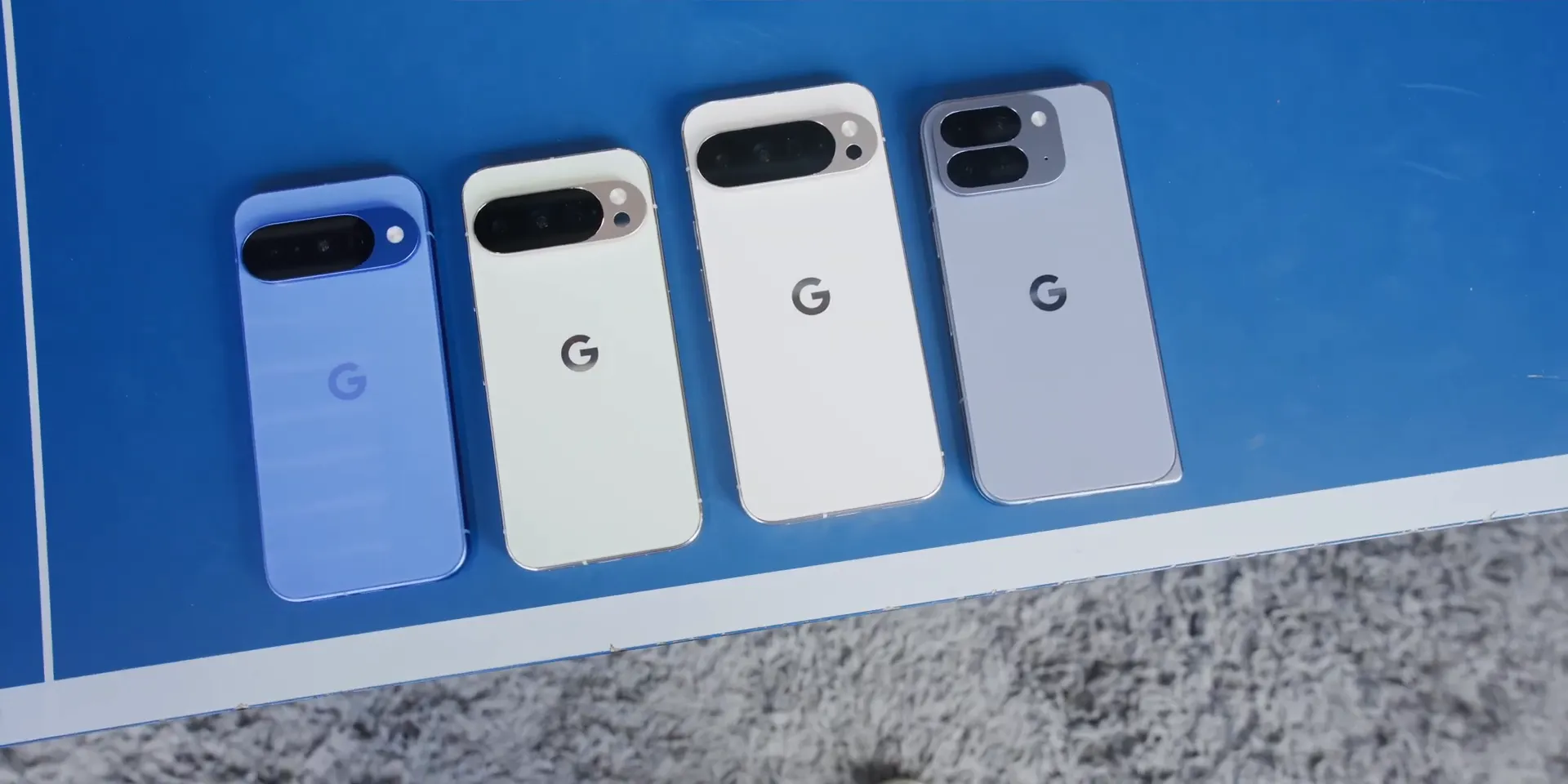
Quick overview: what’s new this year
Marques frames the Pixel 10 series as a more “flagship-y” Pixel: better materials, brighter displays, and some features previously reserved for Pro models now trickling down to the base phone. The headline improvements are twofold: the base Pixel gains triple cameras, and the entire lineup gains Pixel Snap (Qi2 + magnets) compatibility.
Notable shared upgrades
- Glass & build: Gorilla Glass Victus 2, IP68 rating maintained.
- Display: Brighter peak brightness (up to ~3000 nits called out for some panels).
- Speakers: Upgraded top speaker and metal-matched speaker grills.
- Pixel Snap (Qi2): Magnetic charging and accessory ecosystem (15W wireless on most phones).

Pixel Snap: Google’s take on magnetic accessories
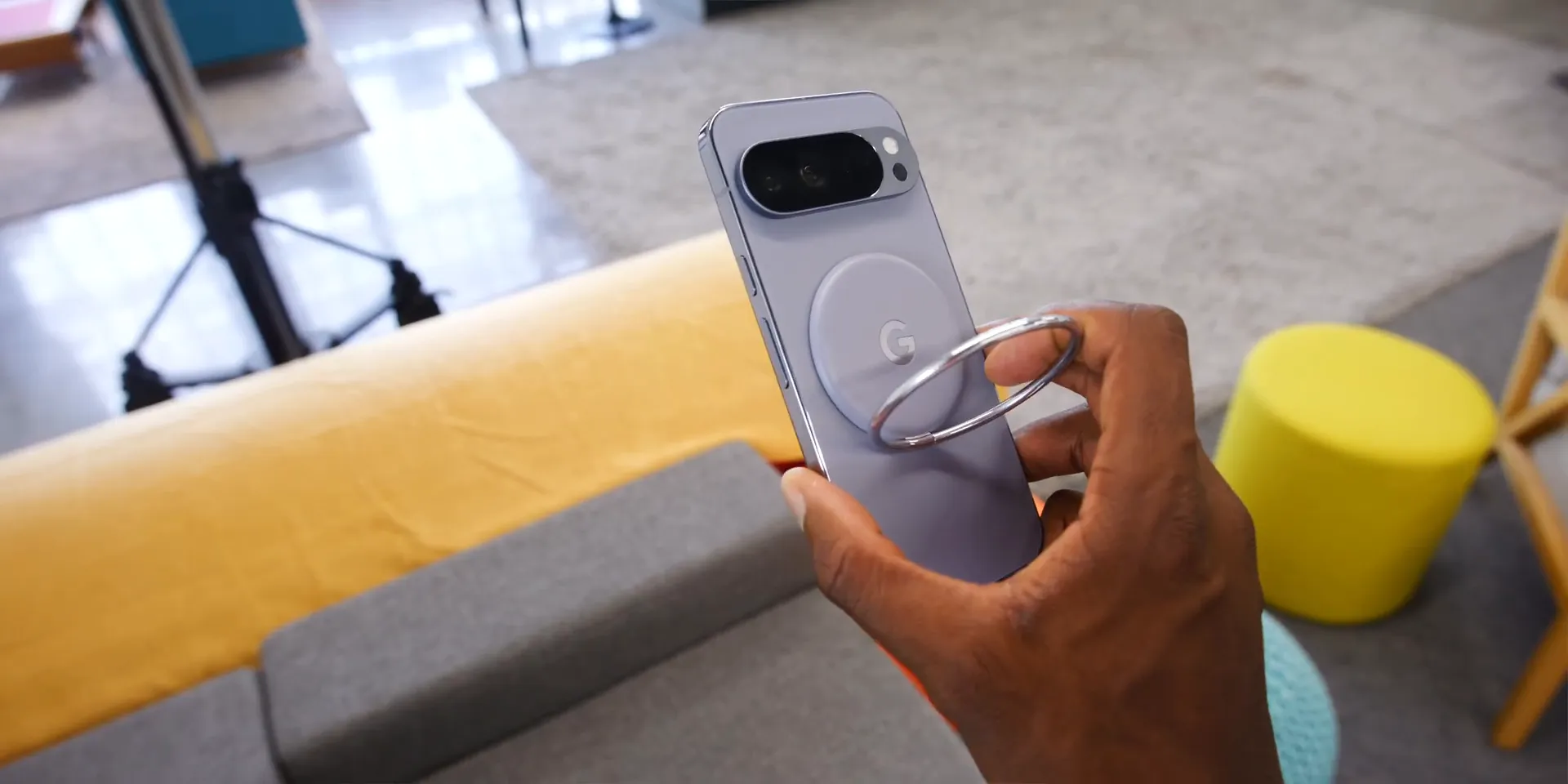
One of the most unexpected and welcome additions is Pixel Snap — Google’s branding for Qi2 wireless charging with an integrated magnet array. Marques emphasizes how meaningful this is: it unlocks a whole ecosystem of magnetic chargers, stands, and accessories, and the magnets align with iPhone MagSafe accessories as well.
- Charging: 15W wireless charging with Pixel Snap on most models.
- Accessories: Google will sell a $40 Pixel Snap puck and a $30 Pixel Snap ring stand; third-party MagSafe-style accessories are compatible.
- Practical note: Pixel Snap is functionally MagSafe — same alignment and many accessories will latch on.
Cameras: triple shooters on the base Pixel, higher-res sensors on the Pros
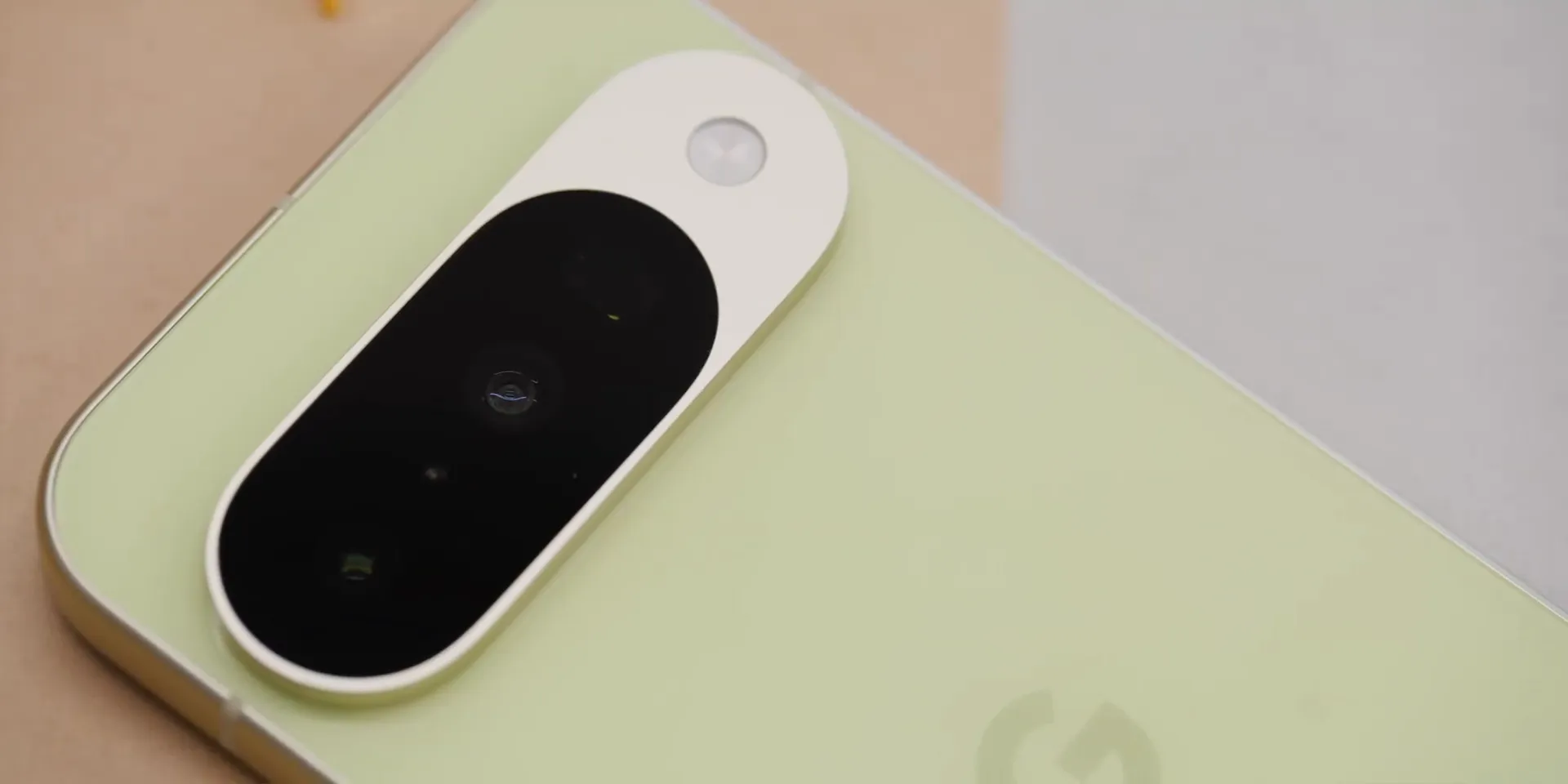
Marques calls out a significant change: the base Pixel 10 now has three cameras. That narrows the hardware gap between the base and Pro models, which has historically been a sticking point for buyers.
Pixel 10 (base)
- 48 MP primary sensor
- 13 MP ultrawide
- 10 MP 5x telephoto
Pixel 10 Pro
- 50 MP main camera
- 48 MP ultrawide
- 48 MP 5x telephoto
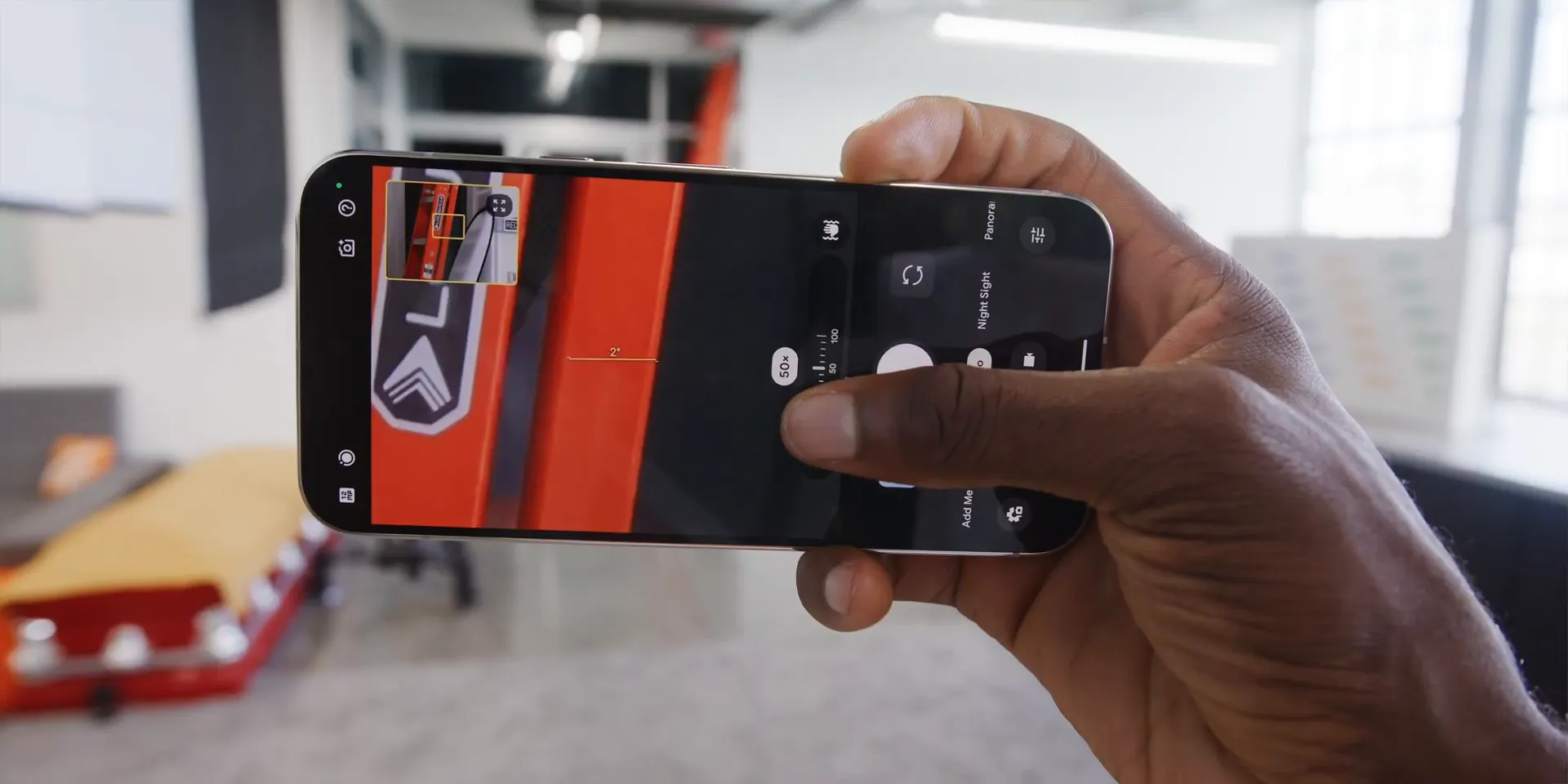
- Higher-resolution telephoto enables much deeper zoom (up to 100x with AI-assisted processing)
Marques explains that the Pro’s telephoto has noticeably higher resolution, enabling far more aggressive digital zoom and ProRes Zoom features that rely on AI to sharpen high-zoom images. The base Pixel is limited to around 20x zoom. Both phones share similar focal lengths, but the Pro’s sensors and extra resolution broaden practical zoom range.
Pixel 10 Pro XL: the “bigger” Pro
The Pro XL is mostly an iteration on size and battery: bigger screen, bigger battery (5,200 mAh), and higher wireless and wired charging ceilings. Marques highlights the practical benefits rather than radical hardware leaps.
- 5,200 mAh battery
- Up to 45W wired charging (vs 30W on smaller models)
- Qi 2.2 wireless charging enabling up to 25W wireless (vs 15W elsewhere)
- Higher baseline storage and a little more thermal headroom
Pricing for Pixel 10, Pixel 10 Pro, and Pixel 10 Pro XL remains unchanged from last year: $799, $999, and $1,199 respectively.
Pixel 10 Pro Fold: refinement rather than reinvention
Google’s second-generation foldable is described as an evolutionary improvement. Marques calls out the hinge redesign as the most important change: a smaller, gearless hinge reduces the outer-bezel asymmetry so the outside screen feels closer to a conventional phone when closed.
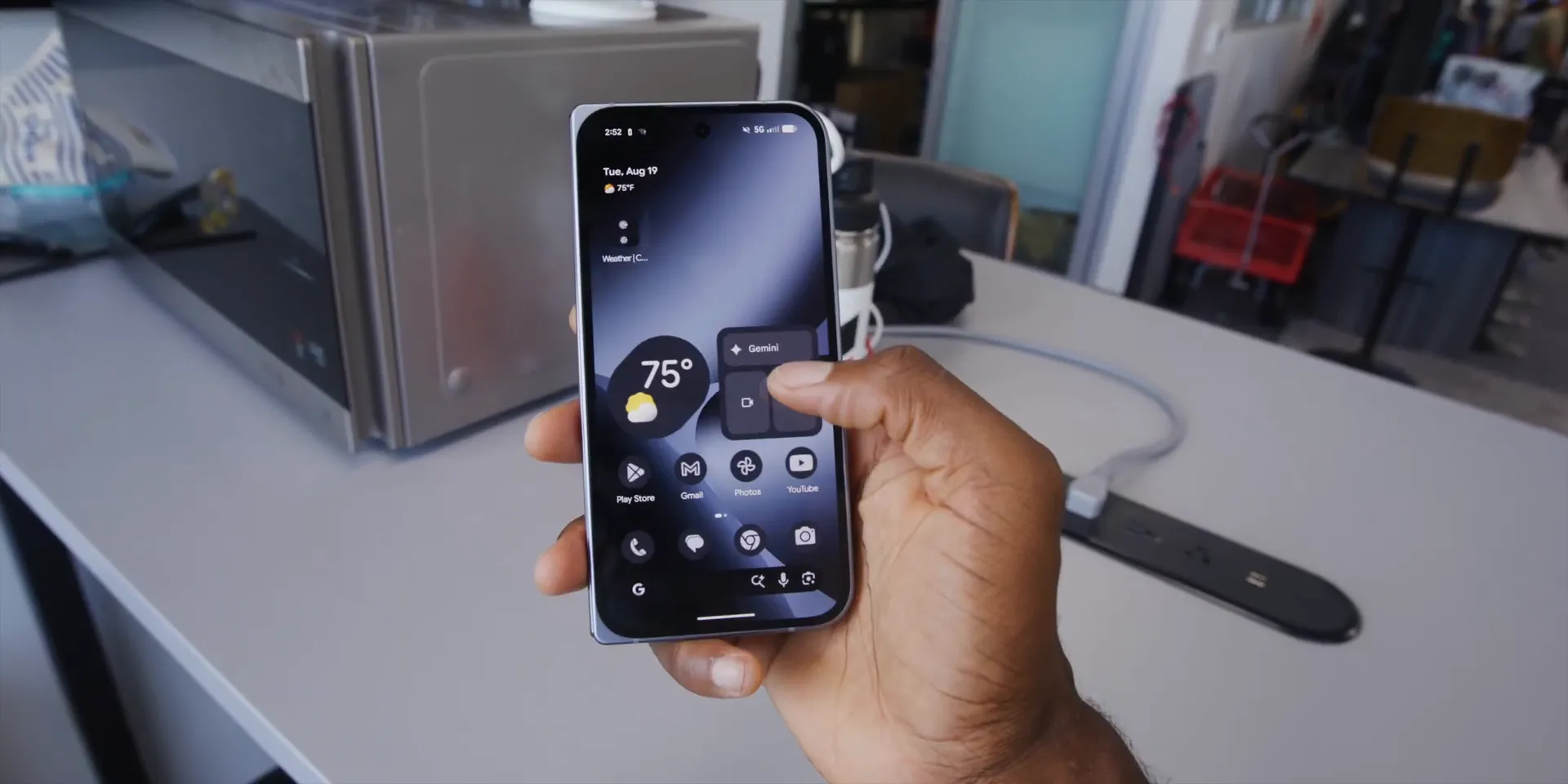
- Outer display: Slightly larger 6.4″ outside screen, 20:9 aspect ratio, 60–120Hz variable refresh.
- Inner display: ~8″ square interior display with a noticeable but not severe crease.
- Durability: IP68 dust and water resistance — notable first for a foldable.
- Battery: ~5,000 mAh, Pixel Snap (Qi2 15W), Tensor G5, up to 16GB RAM and 1TB storage options.
- Cameras: 48 MP primary (new), 10 MP 5x telephoto, 10 MP ultrawide with macro.
- Price: $1,799 — unchanged from last generation.
Overall, the Fold is more polished but not transformative compared with other foldables. Marques points out it doesn’t out-innovate the competition in areas like crease reduction, ultra-fast charging, or camera breakthroughs — but the software and Pixel ecosystem remain the differentiator.
Software: where Pixel still leads
Marques stresses that the Pixel’s identity has rarely been about raw spec wars. Instead, Google doubles down on software-driven differentiation. Two features stood out in the hands-on:
Magic Cues
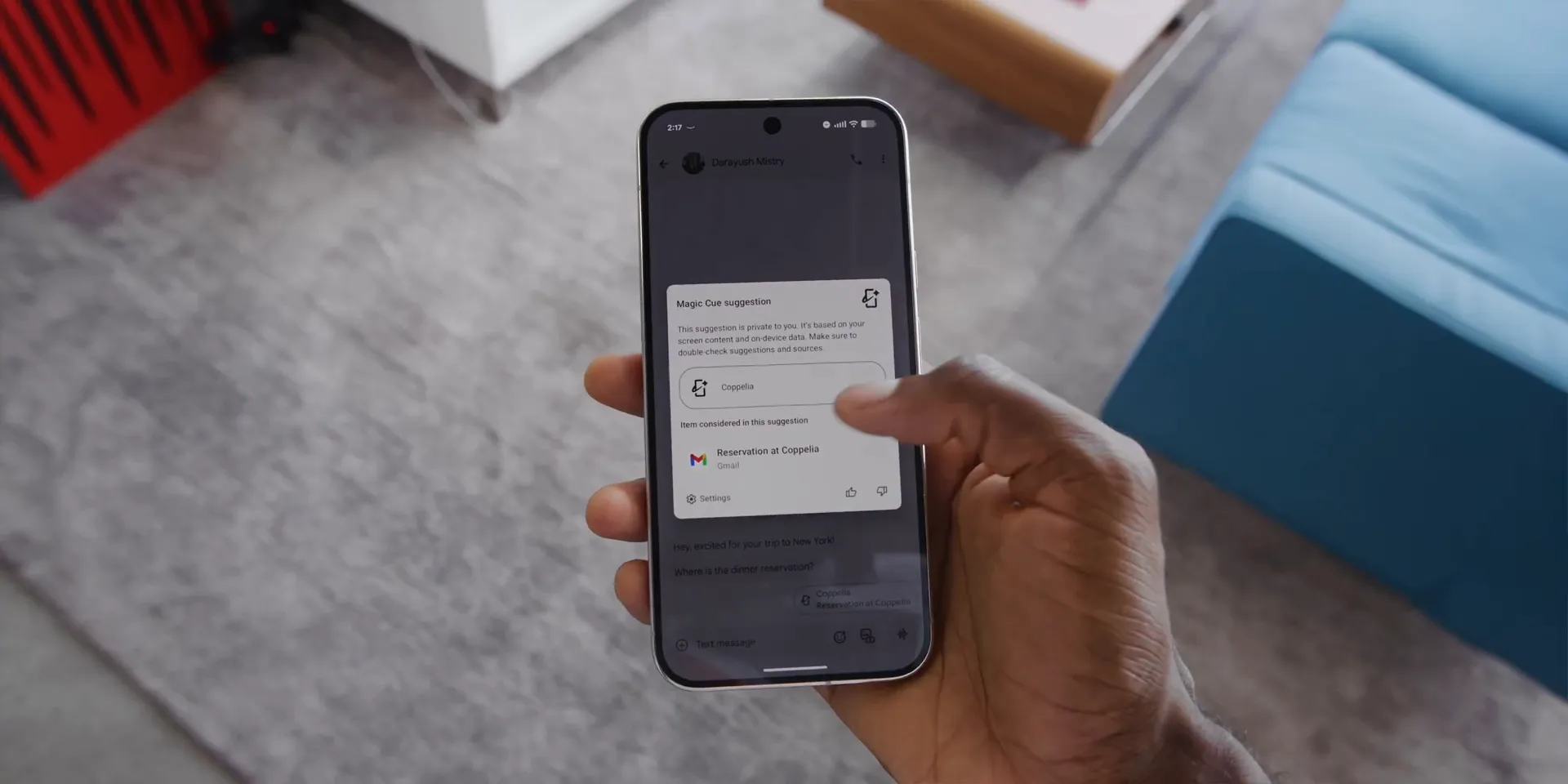
Magic Cues pulls contextual info from across a user’s Google account (Gmail, Calendar, reservations, flights) and surfaces it exactly where it’s relevant — for example, dropping a dinner reservation into a Messages conversation or surfacing flight details when dialing an airline. Marques calls this the kind of cross-product convenience only Google can plausibly deliver because of the breadth of its services.
Conversational Editing
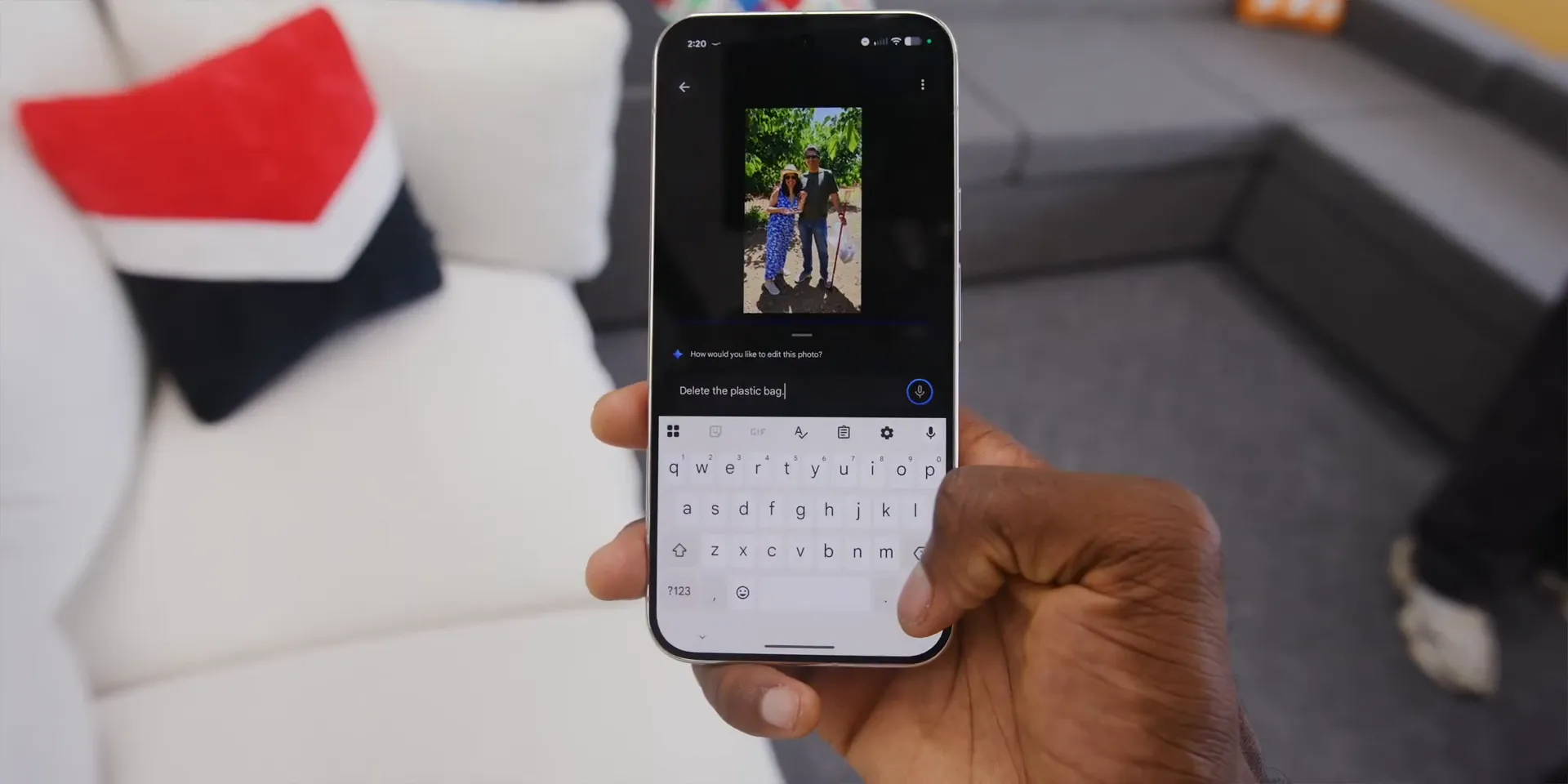
Conversational Editing is one of the most striking demos: users can tell Google Photos what edit they want, and the phone (via cloud-assisted AI) performs generative edits like removing a plastic bag from a picture, changing sky color, or adding elements. Marques was impressed with how natural the flow felt — type or speak a request, wait a few seconds while the edit processes, and get a polished result. Limits mirror Magic Editor’s rules (faces are treated carefully), but this capability coming to Google Photos broadly — not just Pixel 10 — is a major step.
Tensor G5: AI-first silicon, not a raw-performance crown
All Pixel 10 models ship with Tensor G5, a 3nm chip that prioritizes on-device AI, TPU workloads, and improved image processing. Marques tempers expectations: Tensor G5 probably won’t leapfrog flagship Snapdragon chips in raw CPU/GPU benchmarks, but Google’s focus is different — on-device models, image signal processing, and features like the ones above.
In early hands-on use Marques found the phones to feel smooth and snappy in normal multitasking and navigation. He promises benchmarks and deeper performance testing in upcoming full reviews to see how the Tensor family ages over time.
Other hardware: watch and buds
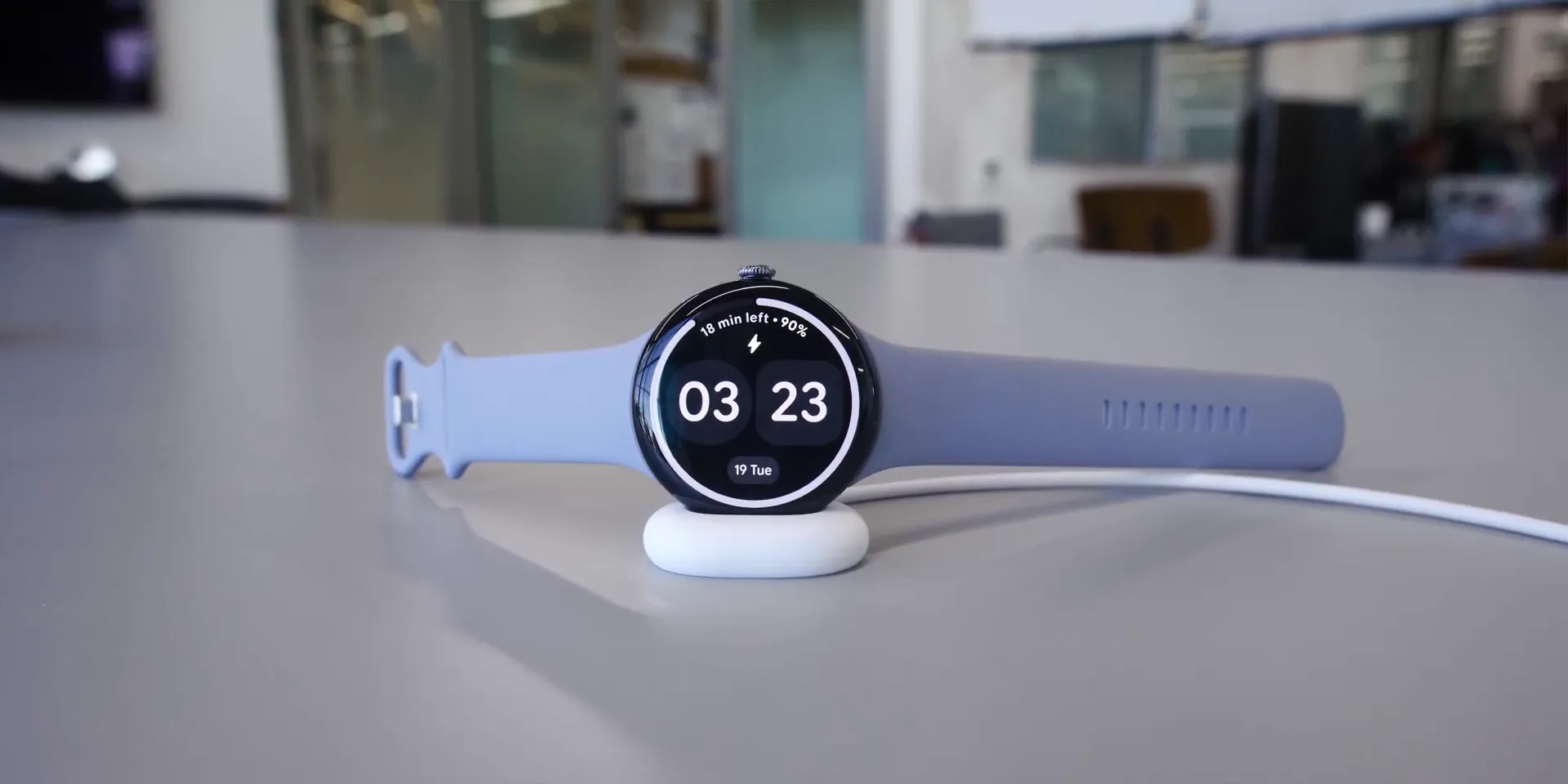
Google also unveiled a new Pixel Watch 4 and Pixel Buds A-series updates alongside the phones. Marques notes the Watch 4 has a brighter, larger, more domed display, faster charging on a new dock, and roughly 25% longer battery life. The new Pixel Buds add active noise cancellation — useful companions for Pixel owners.
Initial takeaways
- Pixel 10 series is notably more premium-feeling and closes the hardware gap between base and Pro models in meaningful ways (triple cameras and Pixel Snap on the base model).
- Pixel Snap (Qi2 magnets) is a big win. Magnetic accessories and 15W wireless charging bring Pixels closer to the iPhone/MagSafe accessory world.
- The Pro models still offer higher-resolution sensors and more RAM/storage, but the base Pixel is much stronger this year than in prior generations.
- The Fold is refined and practical (IP68, better hinge), but it’s an evolution rather than a radical reinvention.
- Software features — Magic Cues and Conversational Editing — are the areas where Google continues to lead and where the Pixel’s value proposition shines.
Colors, price, and availability notes
- Pixel 10 colors called out: Obsidian, Frost, Indigo, Lemongrass.
- Pixel 10 Pro colors called out: Moonstone, Jade, Porcelain.
- Pricing remains similar to last year: Pixel 10 ($799), Pixel 10 Pro ($999), Pixel 10 Pro XL ($1,199), Pixel 10 Pro Fold ($1,799).
Where to watch the full hands-on and upcoming reviews
For the original video hands-on and Marques Brownlee’s deeper testing and benchmarks, visit his YouTube channel: https://www.youtube.com/channel/UCBJycsmduvYEL83R_U4JriQ
Marques promised full reviews, camera tests, and benchmarks coming soon. If readers care about real-world performance, long-term battery life, or a camera shootout between the base and Pro models, those are the videos to watch next.
Return link to the creator’s channel

Be the first to comment