
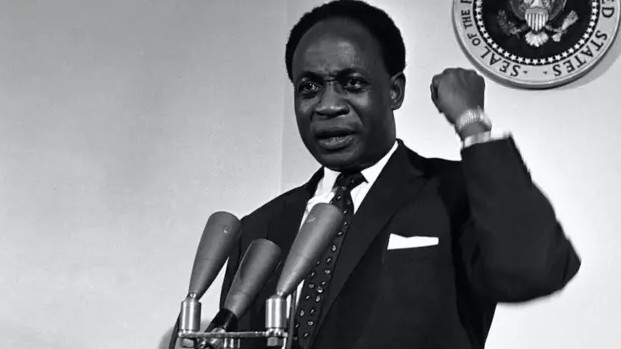

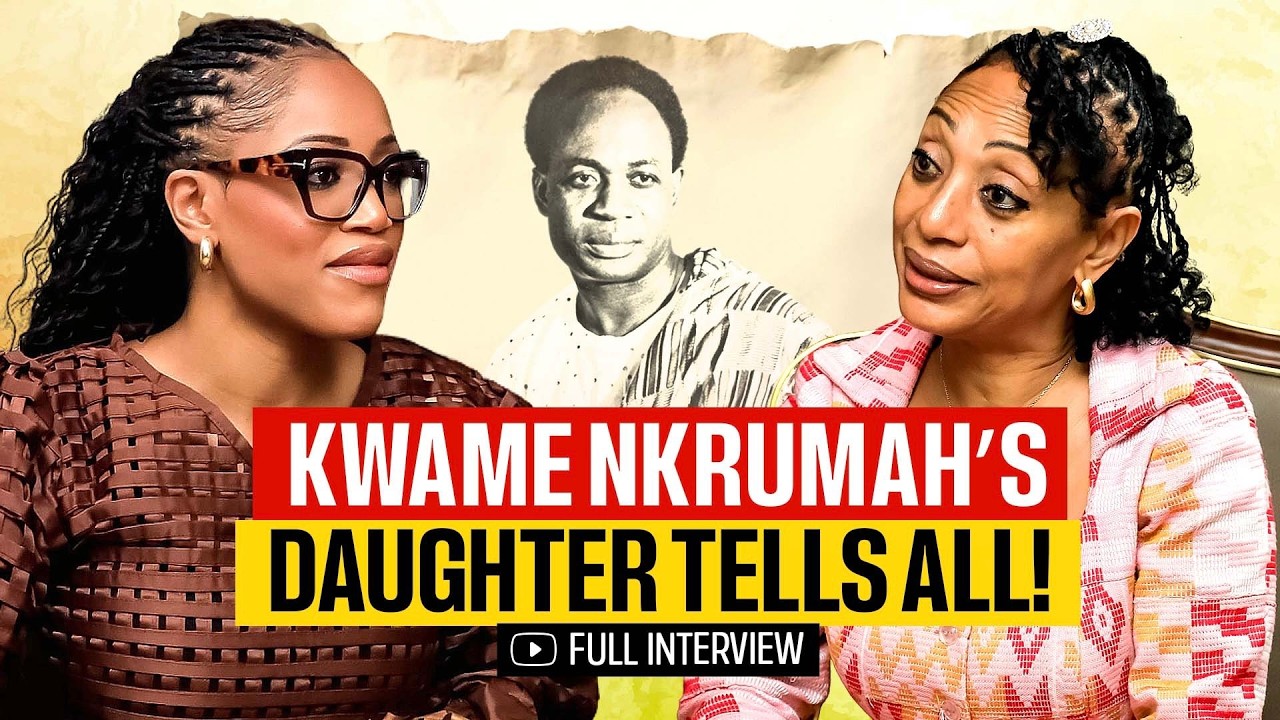
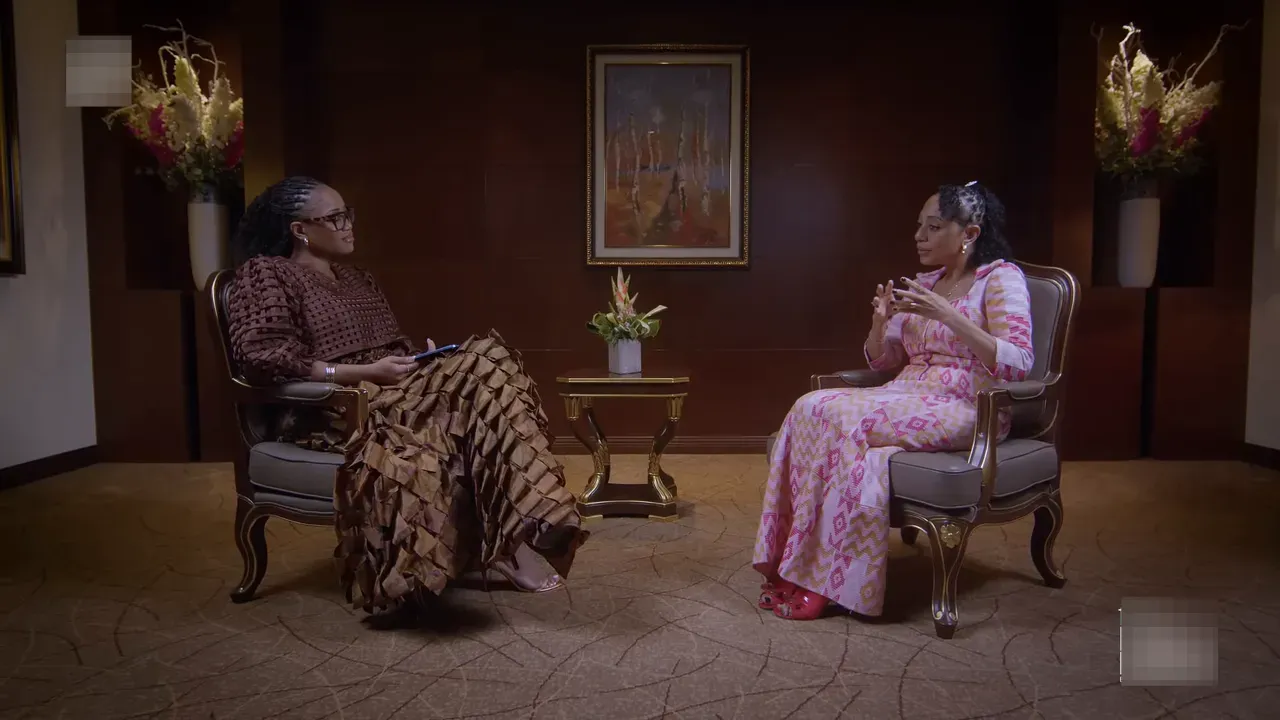
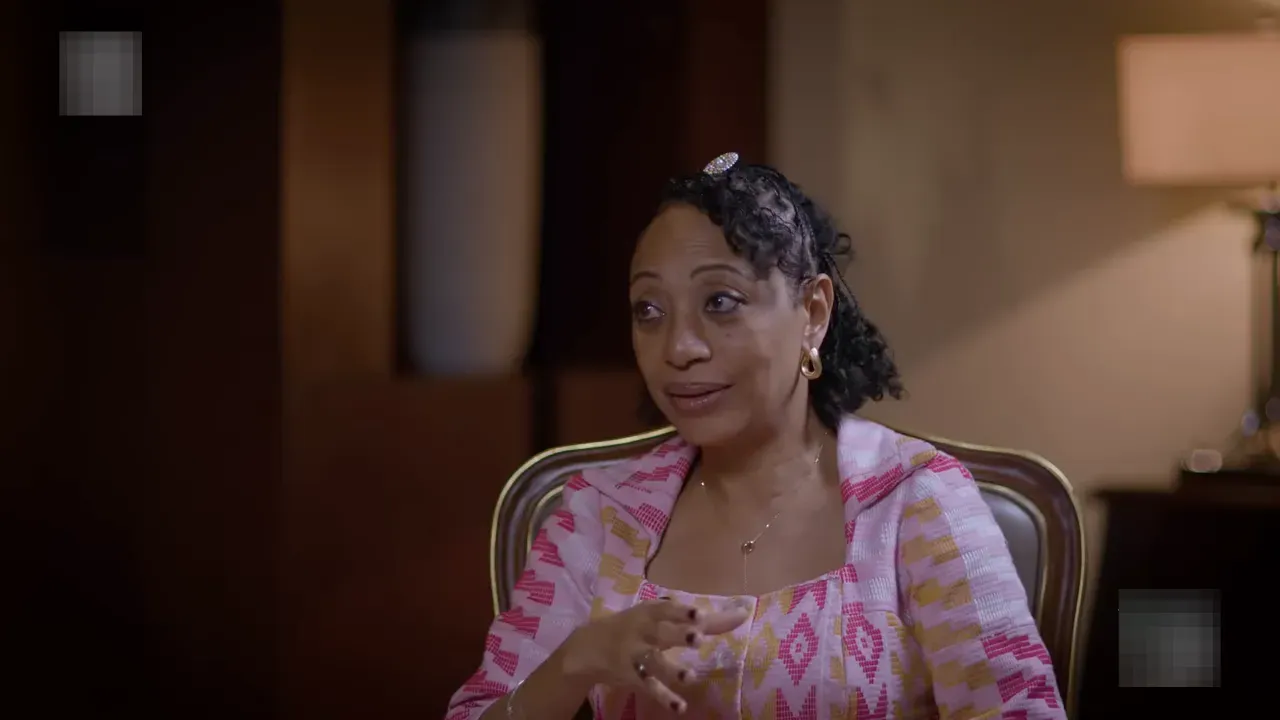
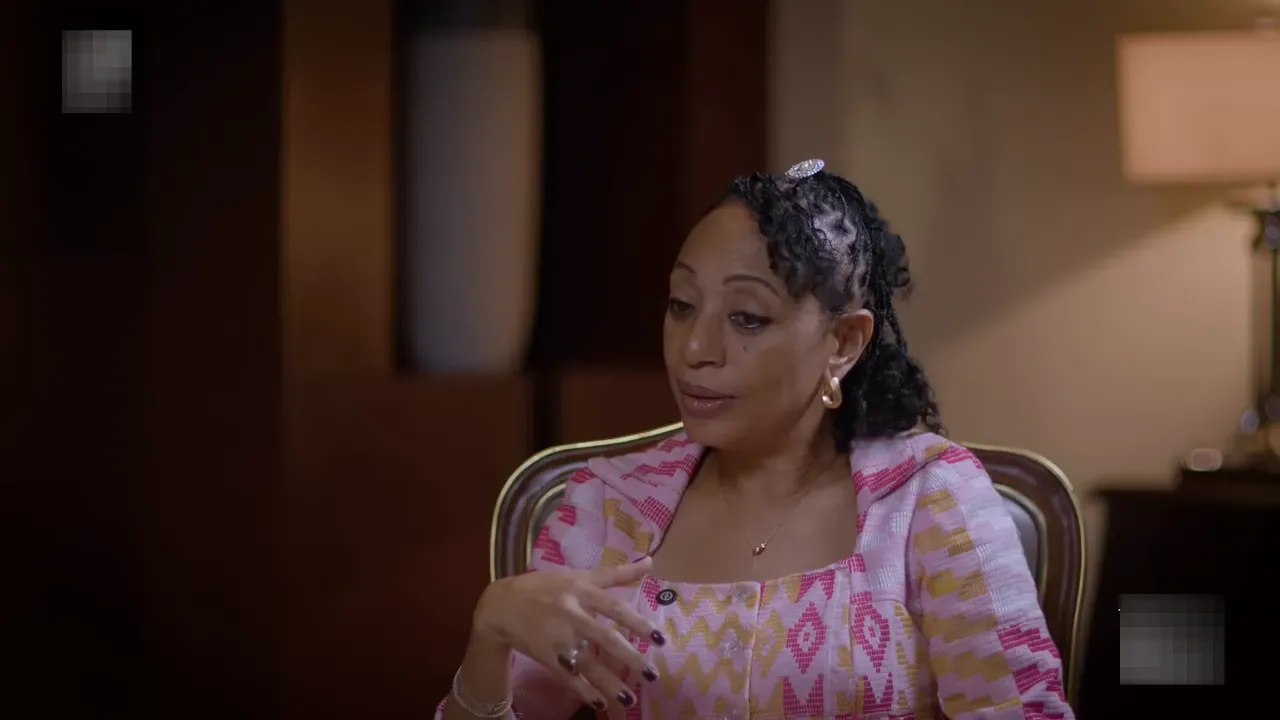
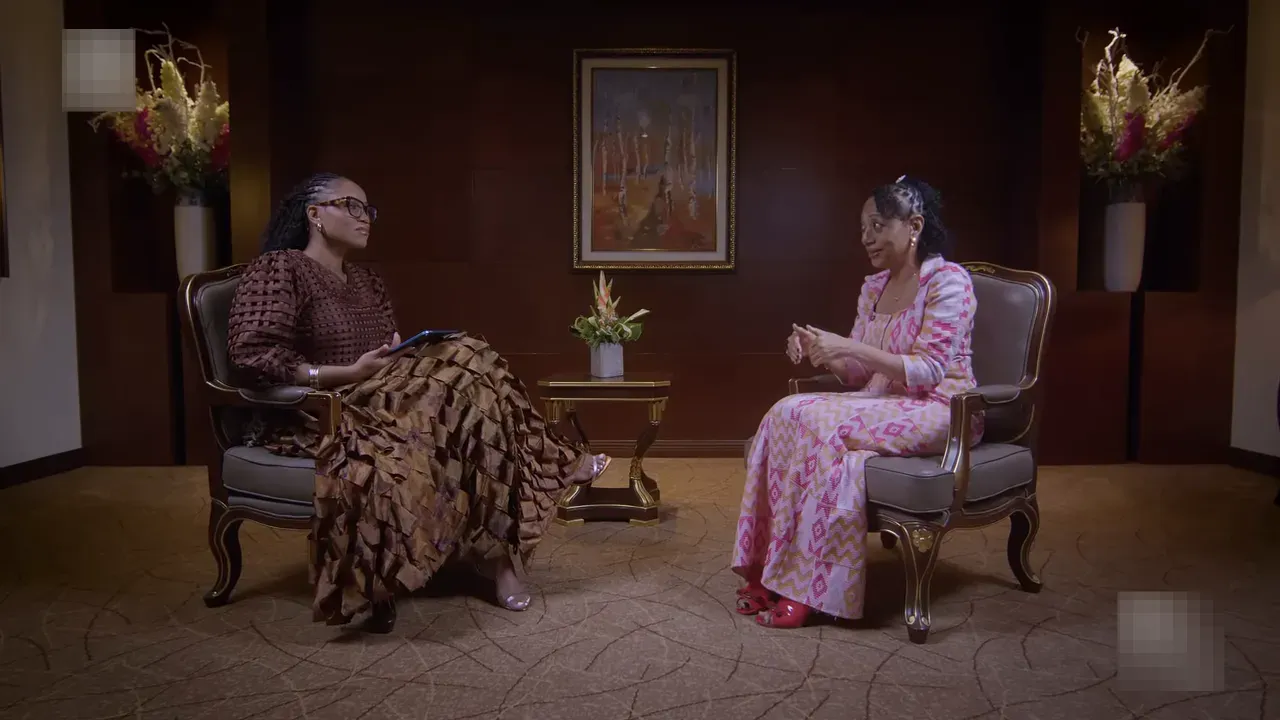
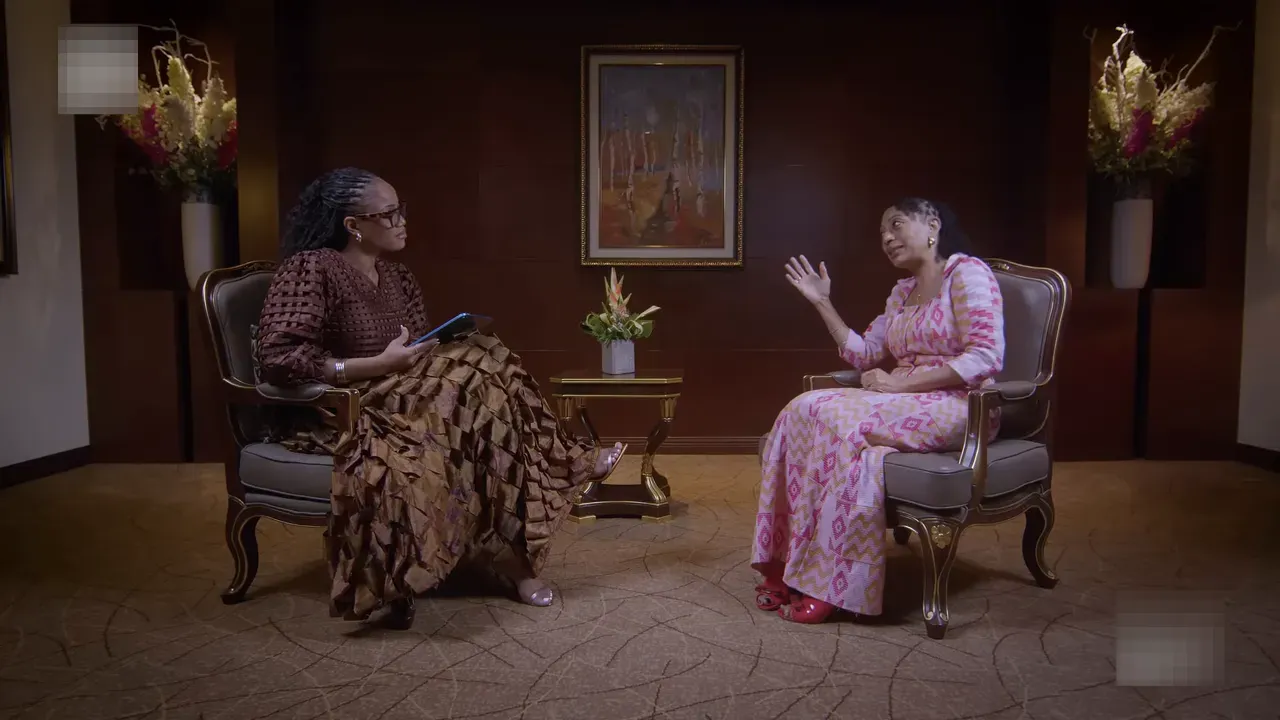
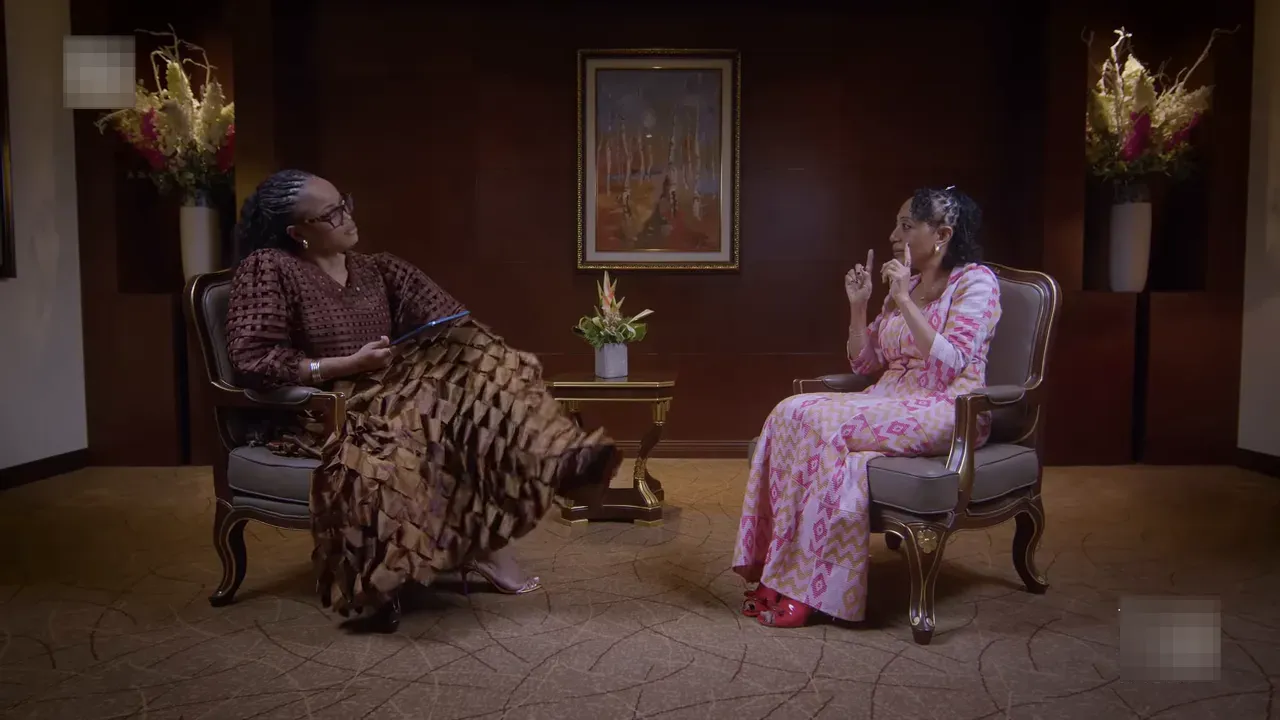
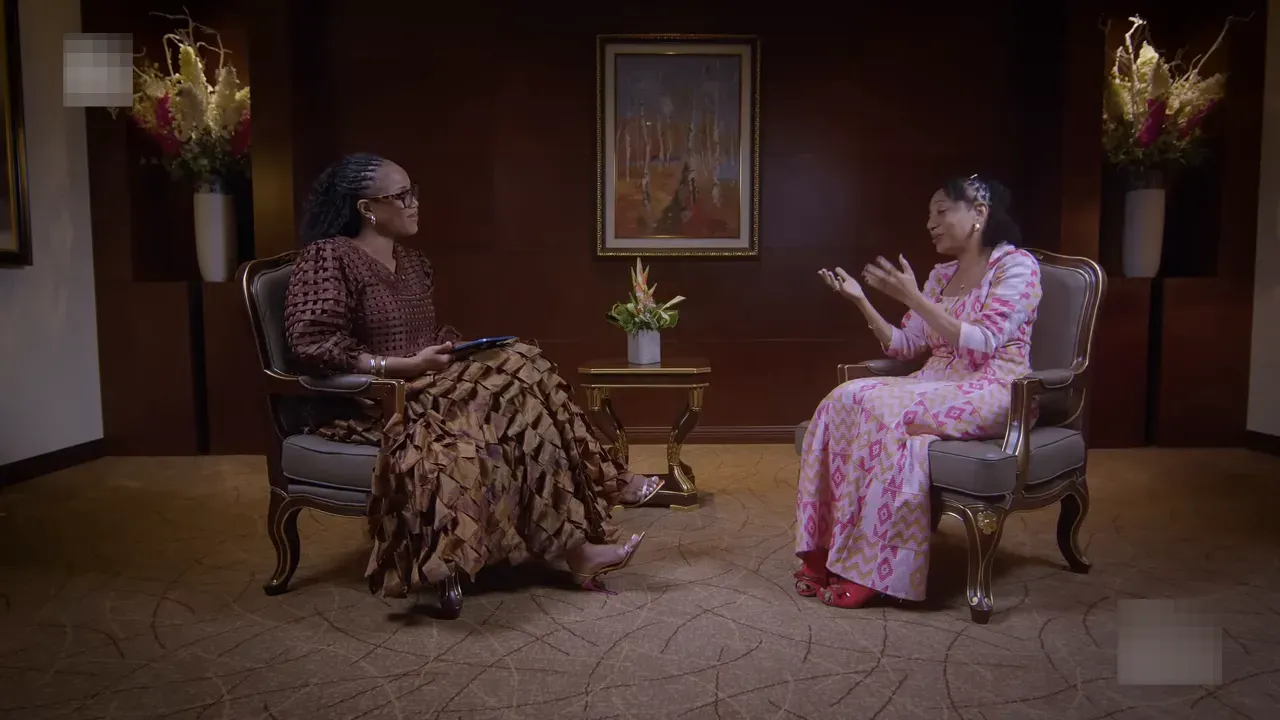
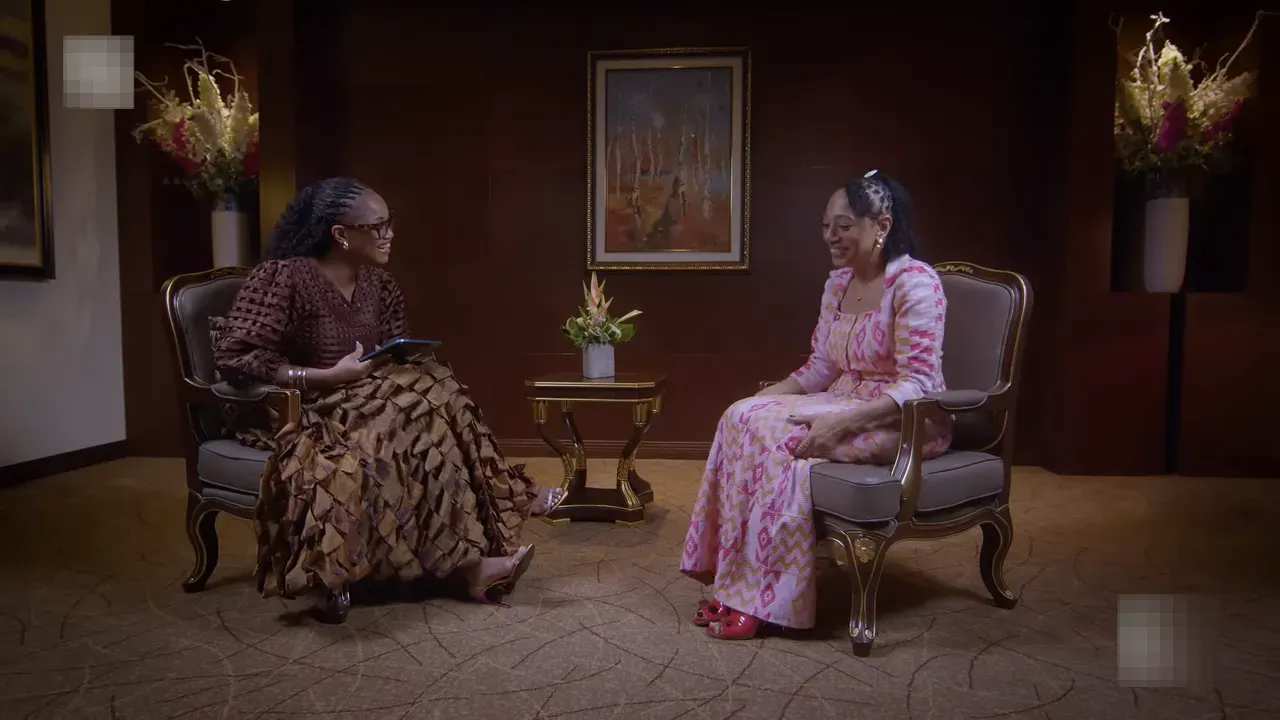
PanaGenius TV presents an intimate conversation between host Sandra Babu-Boateng and Samia Nkrumah, daughter of Ghana’s first president, Kwame Nkrumah. In this revealing interview Samia recounts the morning of the 1966 coup, life in exile, her father’s strategic vision for African unity and industrialization, and the ongoing struggle to reclaim his legacy. For more from the creator of this interview, visit PanaGenius TV
Introduction: a personal and political inheritance
Samia Nkrumah speaks with a voice shaped by both family and history. She frames Kwame Nkrumah not merely as a father but as a leader whose ideas still matter. Throughout the interview she draws together personal memory, archival detail, and a call to action for a new generation of Africans to study the blueprint he left behind: industrialization, continental unity, and political models adapted to African realities.
The morning the flagstaff fell: memories from February 24, 1966
Samia remembers the coup in visceral detail—waking to gunshots, huddling in her mother’s room with her brothers, and the phone call to the Egyptian embassy that set their escape in motion. She describes the terror of being moved under armed escort and the comfort her mother offered before leaving their home: “even if they fire at you, nothing is going to happen to you.” Those first traumatic hours shaped Samia’s understanding of politics as lived experience.
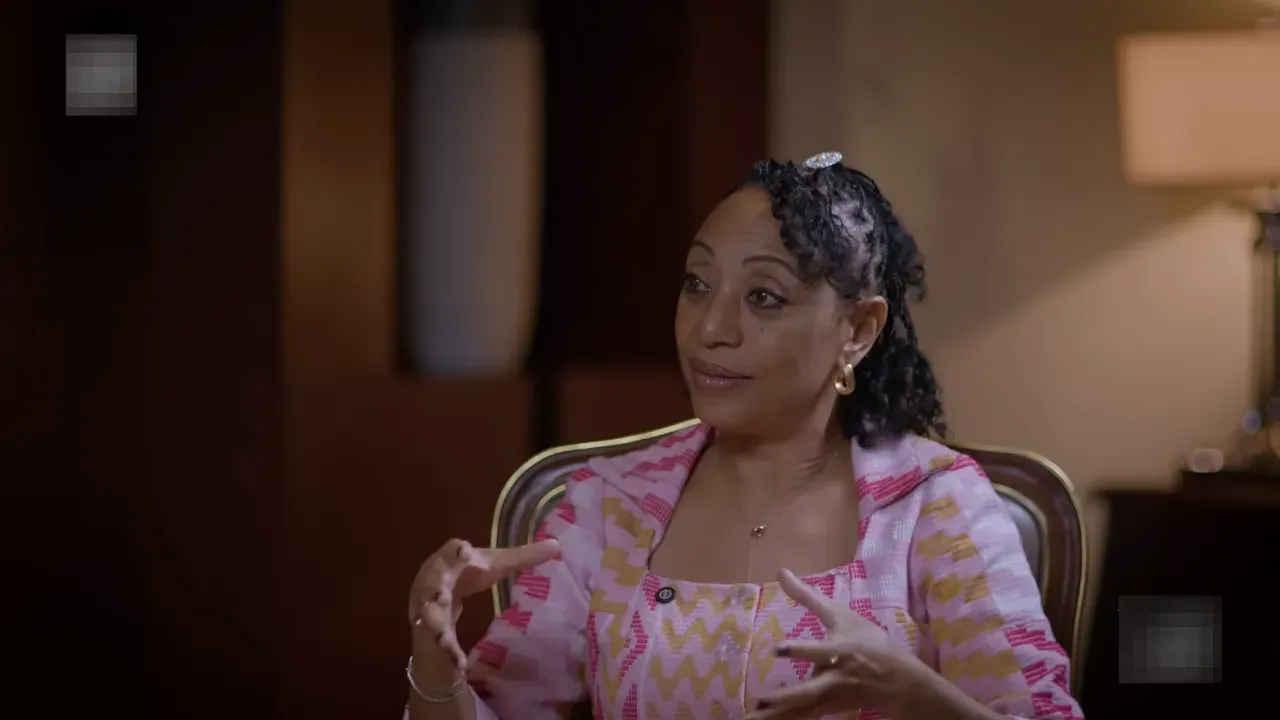
“We woke up at the sound of gunshots.” — Samia Nkrumah
Exile, solidarity, and surviving in Cairo and Conakry
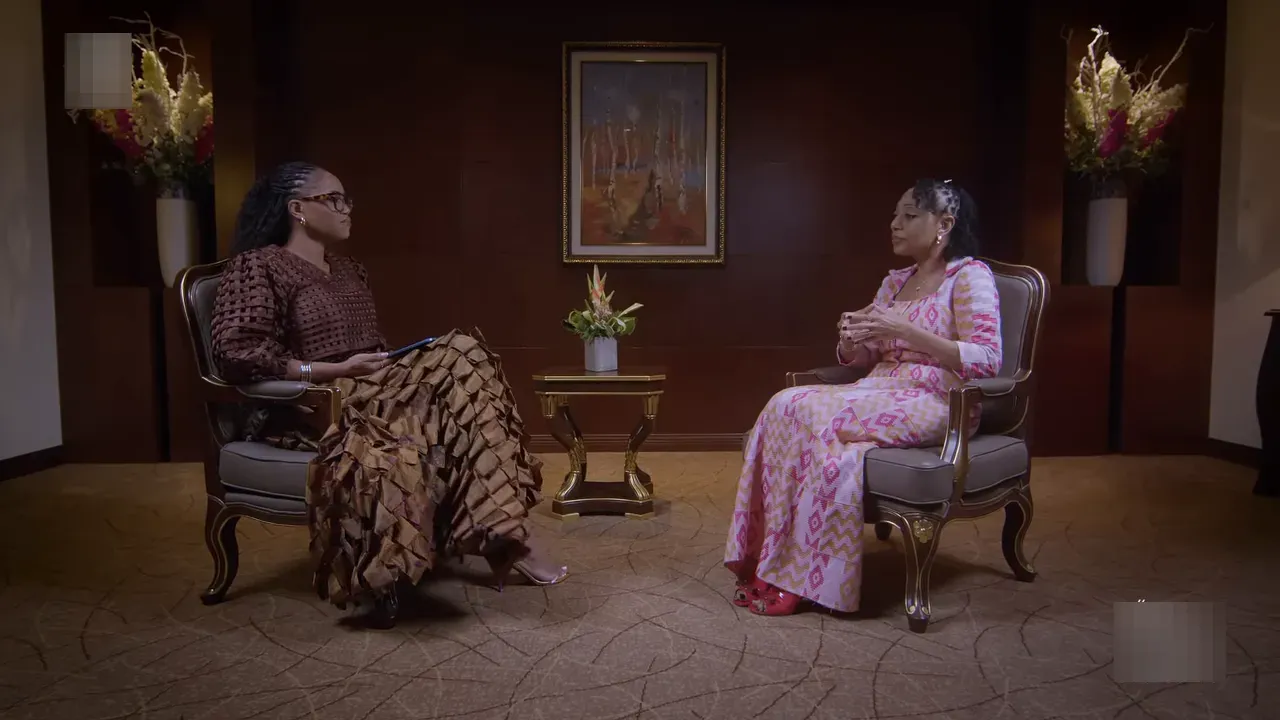
Exile led the family to Egypt and later Guinea. Samia stresses the vital role of international friendships—especially with Gamal Abdel Nasser and other African and global leaders—which made refuge and intellectual community possible. In Cairo she met families of other liberation leaders; in Conakry she was exposed to the network of pan‑African solidarity that kept the dream of unity alive even after political defeat.
The blueprint: industrialization, continental planning, and a union government
At the heart of Samia’s defense of her father is a concrete development agenda. Nkrumah’s seven‑year plan, factories, dams and the near‑complete mining refinery projects were not symbolic gestures—they were a strategy for economic independence. Samia emphasizes that Nkrumah’s proposals anticipated modern debates about food sovereignty, manufacturing, and the developmental state. She argues that studying those proposals can help solve present challenges.
“We neither look East nor West, we look forward.” — Kwame Nkrumah (quoted by Samia)
Three pillars for African union (as Samia recounts)
- Continental economic planning — common markets, common currency, single bank of issue, coordinated communication and monetary systems.
- Common defense — harmonized security structures that avoid duplicated cost and conflicting loyalties.
- Common foreign policy — one voice and collective diplomacy on the global stage.
Samia stresses that Nkrumah did not demand loss of all sovereignty; rather he envisioned a federation where specific competencies are pooled for the common good—much like models later adopted elsewhere in the world.
Was he a dictator? The context behind contested decisions
Samia confronts the label of “dictator” head‑on. She places constitutional changes and one‑party experiments against the backdrop of newly independent states confronting economic sabotage, Cold War pressures, and the imperative of rapid industrialization. She insists that every major decision under Nkrumah was driven by political context, constitutional processes and the urgency of nation‑building. Samia also admits there were excesses and offers an apology on behalf of Nkrumah’s movement where people were unjustly harmed—seeking reconciliation, not recrimination.
New colonialism: a warning that remains relevant
Samia highlights Nkrumah’s prescient critique of neo‑colonialism. Published and distributed to leaders in the mid‑1960s, his warnings about economic dependency, loss of sovereignty over food and energy, and the role of collaborators apply directly to today’s debates about foreign investment and unequal partnerships. Samia argues that genuine partnership must be mutually beneficial and led by African agency; otherwise dependency simply morphs into a new form of control.
Pan‑Africanism and the African diaspora
Samia reiterates her father’s expansive definition of nationhood: Africa is a nation that includes its diaspora. Nkrumah’s years at Lincoln University, in Harlem and in London connected him with Du Bois, George Padmore, and other thinkers who shaped his conviction that liberation was global and that political strategy required intellectual and cultural work—rewriting African history, building institutions, and mobilizing Africans everywhere.
Partnerships with global powers: pragmatism over alignment
Samia reminds readers that Nkrumah was a non‑aligned leader who sought partnerships across the world—China, Eastern Europe, India, the US and Europe—based on mutual benefit, not domination. She believes his emphasis on diversified diplomacy and technical cooperation is still the most pragmatic approach for African development today.
Reclaiming the narrative: education, declassification and cultural memory
One of the strongest calls in the interview is for intellectual reclamation. Samia calls for Nkrumah’s writings—especially Africa Must Unite and Neo‑Colonialism—to become common reading in African schools and universities. She points out that declassified documents have confirmed external interference in the 1966 coup and that demons‑ demonization in Ghana has obscured the full range of his ideas. Reintroducing his thought into curricula would, she says, help decolonize minds and create a popular constituency for continental projects.
Samia Nkrumah today: politics, a foundation, and a book
After years abroad Samia returned to Ghana following her mother’s burial in 2007. She reengaged with public life, won a parliamentary seat, and became chairperson of a party that traces its roots to her father’s movement. She insists the task ahead is collective: reorganizing parties that claim Nkrumah’s legacy, building a development state that works with private enterprise, and cultivating leaders who prioritize humility over ostentation.
Samia is writing a memoir—provisionally titled Living Within Nkrumah—to tell the personal and public story of a family and a movement. She is also establishing the Kwame Nkrumah Foundation to centralize his work and make his ideas accessible for study and action.
Small human details: the man behind the myth
Amid policy and politics Samia shares small, humanizing details: her father loved highlife music, danced, ate local food with his hands, and favored abunubunu (green soup). These moments offer a reminder that public figures are also private people—rooted in culture and family.
Conclusion: why Nkrumah still matters
Samia Nkrumah’s account is part memoir, part manifesto. She insists that Nkrumah’s core ideas—continent‑wide economic planning, industrialization, pan‑African solidarity and political models adapted to African realities—remain actionable. Her message is twofold: reclaim and teach the ideas, and mobilize citizens (the African street) so those ideas can reenter politics as popular demands rather than elite projects.
“The African street must take up Pan‑Africanism… because that’s when our leaders will listen.” — Samia Nkrumah
Readers and students of African history are invited to read Nkrumah’s works, study the declassified records surrounding 1966, and join the conversation about the structures needed for a truly independent and prosperous Africa.
Further resources
- PanaGenius TV channel
- Look for Samia Nkrumah’s upcoming memoir (working title: Living Within Nkrumah) and the Kwame Nkrumah Foundation website when it launches.
- Recommended readings: Kwame Nkrumah, Africa Must Unite; Kwame Nkrumah, Neo‑Colonialism: The Last Stage of Imperialism; archival collections on the 1966 coup and declassified intelligence reports.
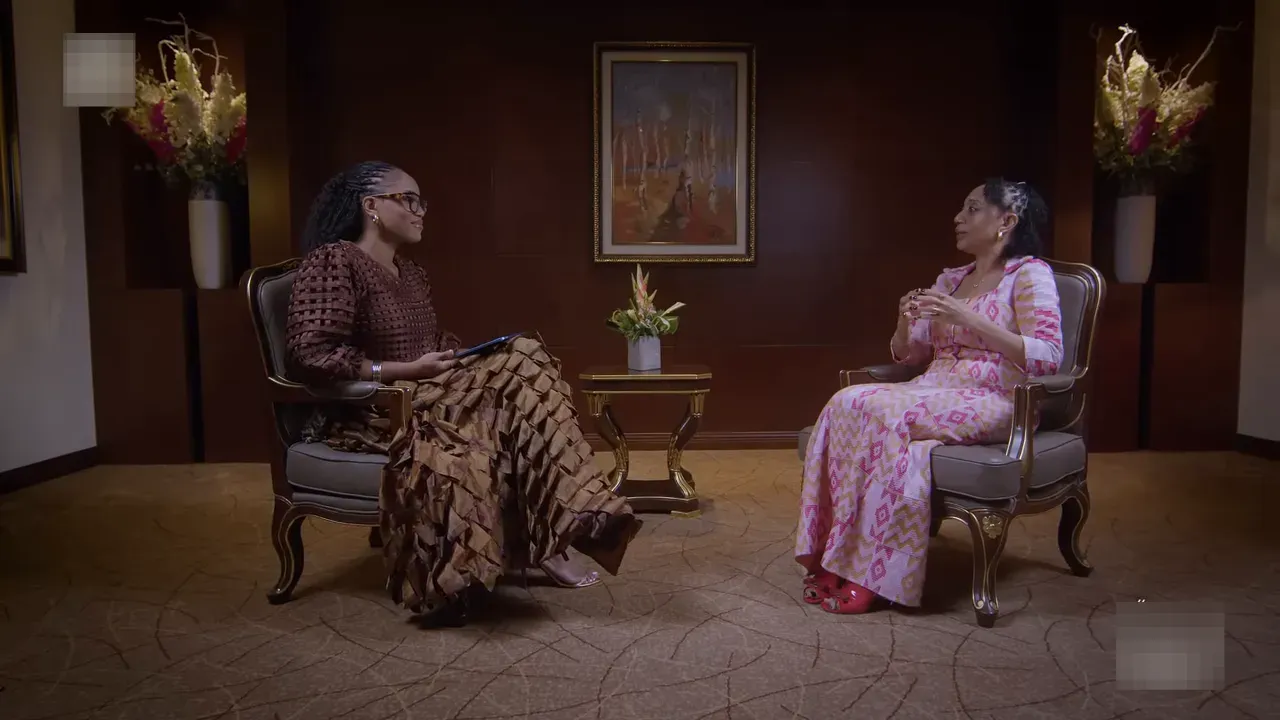
Watch the full interview
Watch the complete conversation, presented by PanaGenius TV, to hear Samia’s full recollections and arguments in her own voice:

Be the first to comment