


Rory Reid of Autotrader takes the wheel of the all-new Lamborghini Temerario — the successor to the Huracán — to find out whether its radical new powertrain, design and technology deliver the drama Lamborghini is known for. His verdict? Initial doubts evaporate once the car is driven hard: the Temerario is ferocious, intoxicating and, in many ways, the most complete Lamborghini on sale today. For more from Autotrader, visit their channel
Outline
- First impressions — name, looks and expectations
- Powertrain breakdown: twin-turbo V8 plus hybrid
- Performance numbers and on-road sensation
- Sound, EV mode and the rev-happy character
- Design, options and the Alagrita lightweight package
- Interior, tech and creature comforts
- Driving impressions: handling, brakes, gearbox and drift mode
- Verdict: is this the best Lamborghini today?
First impressions: a name and a look that divide opinion
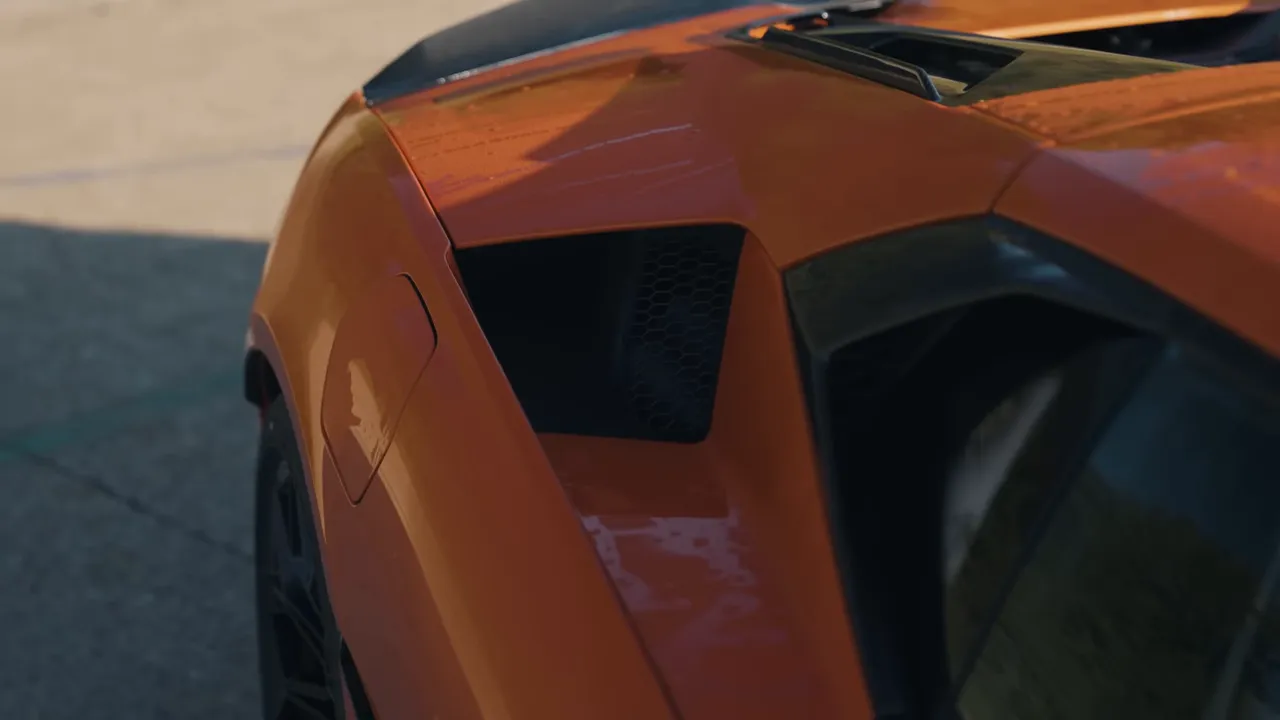
At first glance, the Temerario provokes mixed feelings. Rory admits the name — derived from a famous fighting bull and meaning “reckless” in Spanish — didn’t land for him immediately. He also found some front-end proportions odd: ultra-thin headlights paired with oversized hexagonal daytime running lights that almost look like two different designs stitched together. Still, the profile and rear are undeniably striking, with a dramatic exposed rear-wheel section that, as Rory notes, evokes a superbike.
Powertrain: a purpose-built twin-turbo V8 and plug-in hybrid system
The boldest change from the Huracán is under the bonnet. Instead of the naturally aspirated V10, Lamborghini fitted a ground-up 4.0-litre twin-turbo V8 built in Sant’Agata. It’s paired with a plug-in hybrid system (similar to the one used in the Revuelto) that adds two electric motors on the front axle and a third motor integrated within the V8’s housing.
Together the package produces a staggering 920 PS (metric horsepower). Crucially, the combustion engine alone delivers about 800 PS — 160 PS more than the Huracán’s V10 despite losing two cylinders — thanks to the twin turbochargers running around two and a half bar of boost. Ordinarily that would bring significant turbo lag, but the hybrid electric assistance fills in the low-end, making the response immediate.
Key technical numbers
- Combined output: 920 PS
- Engine (internal): ~800 PS from the 4.0-litre twin-turbo V8
- Turbo boost: ~2.5 bar
- Battery: 3.8 kWh (plug-in hybrid)
- Electric-only range: roughly 6–7 miles
Performance: blistering acceleration and genuine top-end speed
Numbers on paper are wild, but it’s on the road where the Temerario truly impresses. Rory describes the first proper run as mind-bending — thrust mode launches the car with such ferocity he loses track of speed. The Temerario comfortably exceeded 200 mph on a stretch where the previous top speed he’d hit was about 185 mph.
- 0–62 mph (0–100 km/h): 2.7 seconds
- 0–124 mph (0–200 km/h): 7.3 seconds
- Top recorded stretch run: over 200 mph
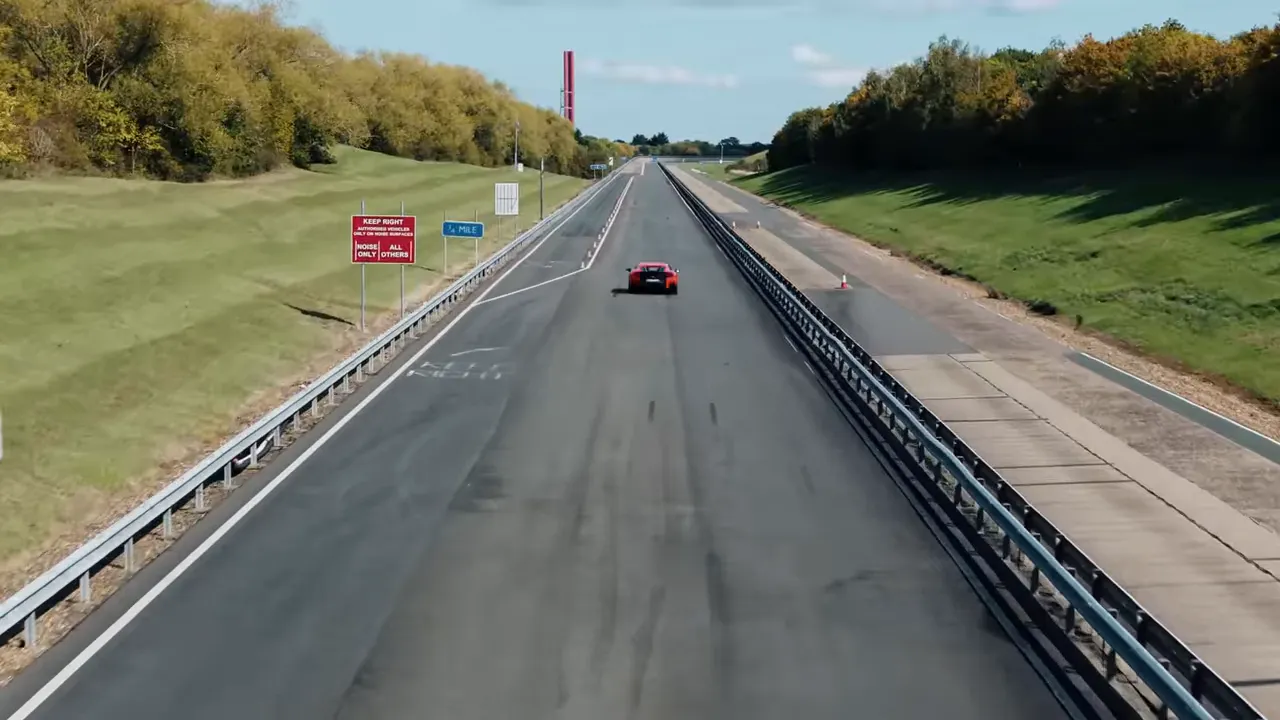
The way the power builds is worth noting: electric motors provide immediate shove up to around 4,000 rpm, then the V8 takes over and the car literally screams to the redline. Because the V8 delivers the majority of thrust, the overall character still feels recognisably Lamborghini rather than a heavily electrified GT.
Revs, sound and EV mode
One of the most surprising features of the Temerario is how high the engine revs. Rory finds it addictive: he was revving into the 9,000–10,000 rpm band in second gear at 90 mph — an almost stratospheric experience on public roads and a clear reminder of the engine’s sporting intent.

Sound initially disappointed him on low-power settings — in quieter modes the car can sound muted or almost diesel-like — but in Corsa the V8 transforms. Thanks to its flat-plane crank character, the note becomes a screamer rather than a roar, and the high-rev antics are intoxicating. The electric system also provides a dedicated EV mode, but with only 3.8 kWh of battery capacity that mode is limited to short urban runs (around 6–7 miles). Its primary role is performance support rather than long-range electric driving.
“It doesn’t feel overtly electrified. It still feels like a Lamborghini.”
Design and aerodynamic choices
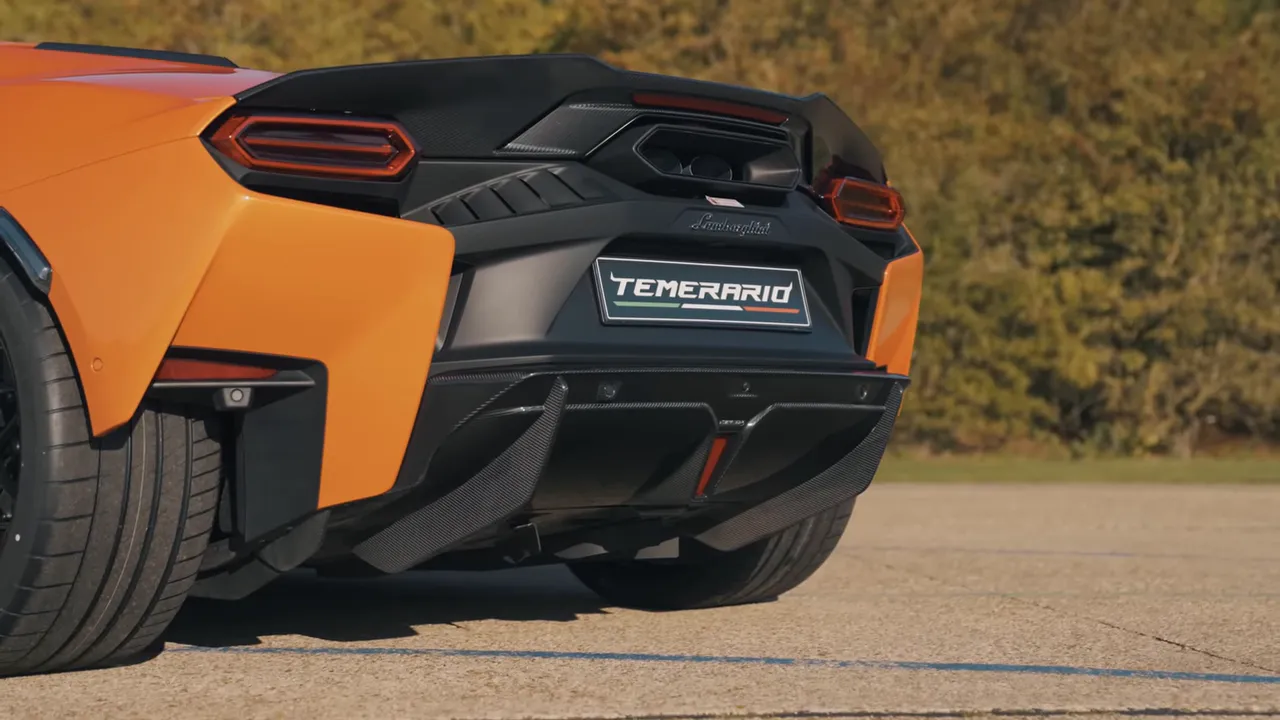
While Rory prefers the earlier Huracán styling in some respects, the Temerario has definite highlights. The rear treatment — including centrally mounted exhaust outlets, a two-pipe exit, a massive diffuser and hexagonal taillights — gives the car a long-tail, race-inspired presence. The switch to a V8 freed up space under the car, allowing Lamborghini to run a larger diffuser and greater downforce.
Alagrita lightweight package
The optional Alagrita pack is focused on track performance: carbon fibre components (splitter, side skirts, engine cover, etc.) shave about 25 kg and increase downforce by 67%. Expect a roughly £40,000 premium for the package, pushing the price toward £300,000 for the spec seen here.
Interior and tech: fighter-jet feel with modern usability
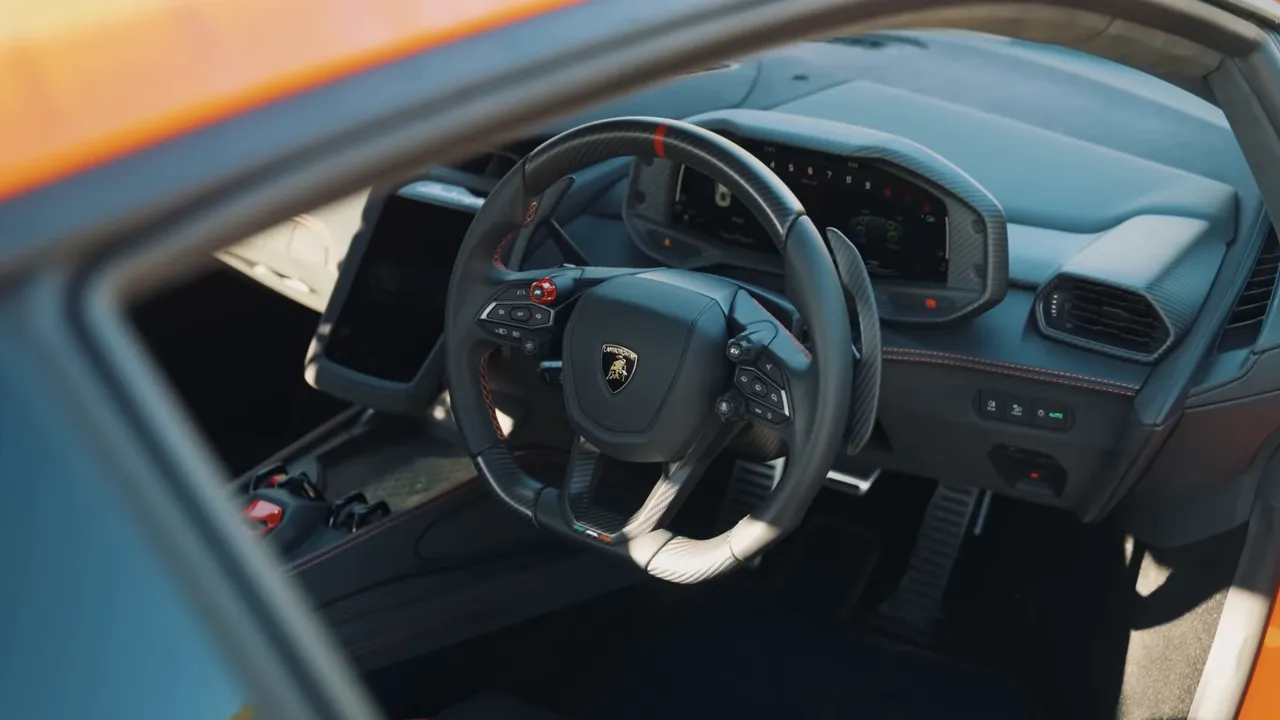
The cabin continues Lamborghini’s “pilot” philosophy: dramatic, angular and driver-focused. Rory notes the Temerario feels more comfortable than previous models thanks to a longer wheelbase — more legroom and headroom, and even helmet-space indentations in the roof for track use.
Highlights of the interior include:
- Three displays: driver cluster, centre infotainment and passenger screen
- Ability to swipe apps between screens — passenger can monitor g-forces while driver checks tyre temps
- Usable storage, USB ports and a pop-out cup holder
- Start/stop button hidden under a dramatic red flap
One small gripe posted by Rory: the left footrest sits a touch forward compared to the right foot, but this is a minor irritation in what is otherwise a very liveable supercar cockpit.
Driving impressions: chassis, steering, brakes and gearbox
Where the Temerario truly shines is in its balance of savage straight-line speed and genuinely usable handling. Rory calls the steering fingertip-light but precise; it gives enough feedback to inspire confidence even if he’d prefer a touch more heft. The agility is exceptional, and despite hybrid weight penalties, he felt no real compromise in cornering dynamics.
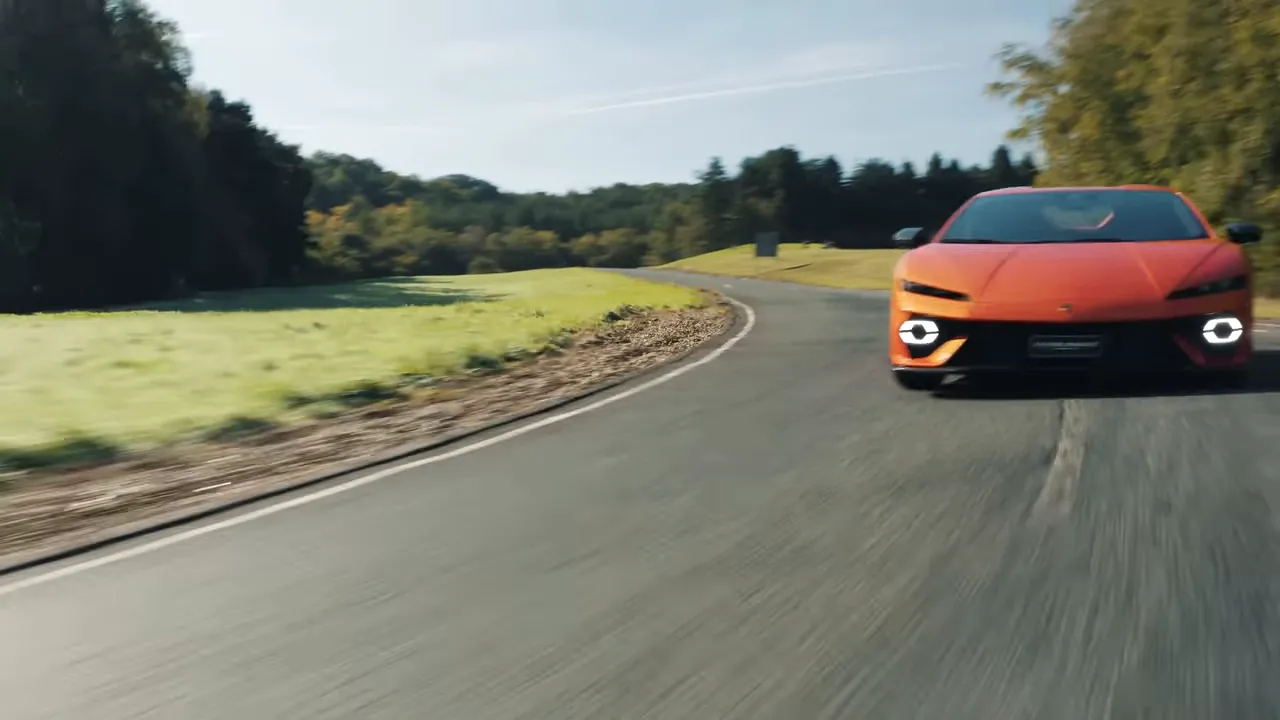
Electronic aids are tuned to be forgiving yet encouraging. In one corner Rory overdid the power and the ESC intervened to protect the driver — the car lets you explore its limits but has enough systems to keep things tidy. Braking is handled by 410 mm carbon-ceramic discs up front, which Rory praises for their ability to scrub speed and instil confidence when committing to high-speed maneuvers.
The twin-clutch gearbox shifts crisply and even rewards mid-shift throttle with a little shove, making gear changes part of the fun whether or not a driver wants to wring the engine to 10,000 rpm.
Drift mode
For the first time in a Lamborghini, the Temerario includes a dedicated drift mode with three selectable drift angles. It’s not as intuitive as in some previous models, but it allows drivers to explore oversteer in a more controlled way.
Price, options and who this car is for
The Temerario is a halo supercar: extreme performance, advanced tech and a high price tag. The Alagrita lightweight pack alone adds about £40,000, and fully specced cars can approach the £300,000 mark. It’s aimed at buyers who want a car that combines daily usability with the ability to be exploited on track — those who want raw speed without sacrificing driver engagement.
Verdict
Rory Reid’s final assessment flips his opening doubts on their head. Initially left cold by the name, styling nuances and the loss of a naturally aspirated V10, the driving experience makes everything make sense. The twin-turbo V8 hybrid is not a compromise — it’s an evolution. Rory goes so far as to say the engine is better than the Huracán’s V10 in terms of spread, revs and usable performance, even if the soundtrack is different.
“This engine is better than the one you got in the Huracán. It might not be better sounding, but the way it feels, the way it spreads, the way it screams and the power it generates is just incredible.”
In short: the Temerario fuses everyday usability with savage speed and excellent handling. For Rory, it doesn’t just stand among the best Lamborghinis ever built — it may well be the best available right now.

Further viewing and credits
This review was produced by Rory Reid for Autotrader. For the full driving footage, tests and in-car sound, visit the Autotrader YouTube channel

Be the first to comment