
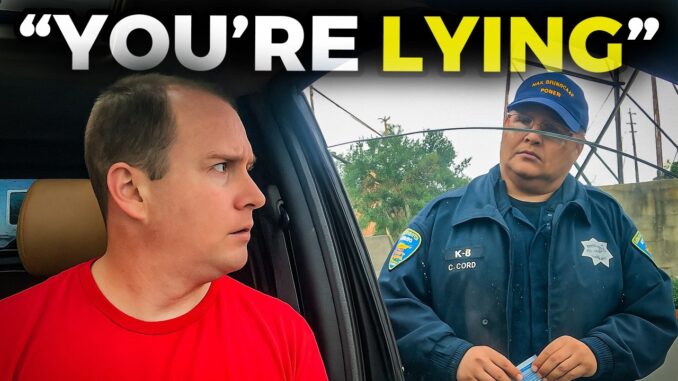

LAWYER: Favorite LIES Police Love to Use & How to Shut Them Down
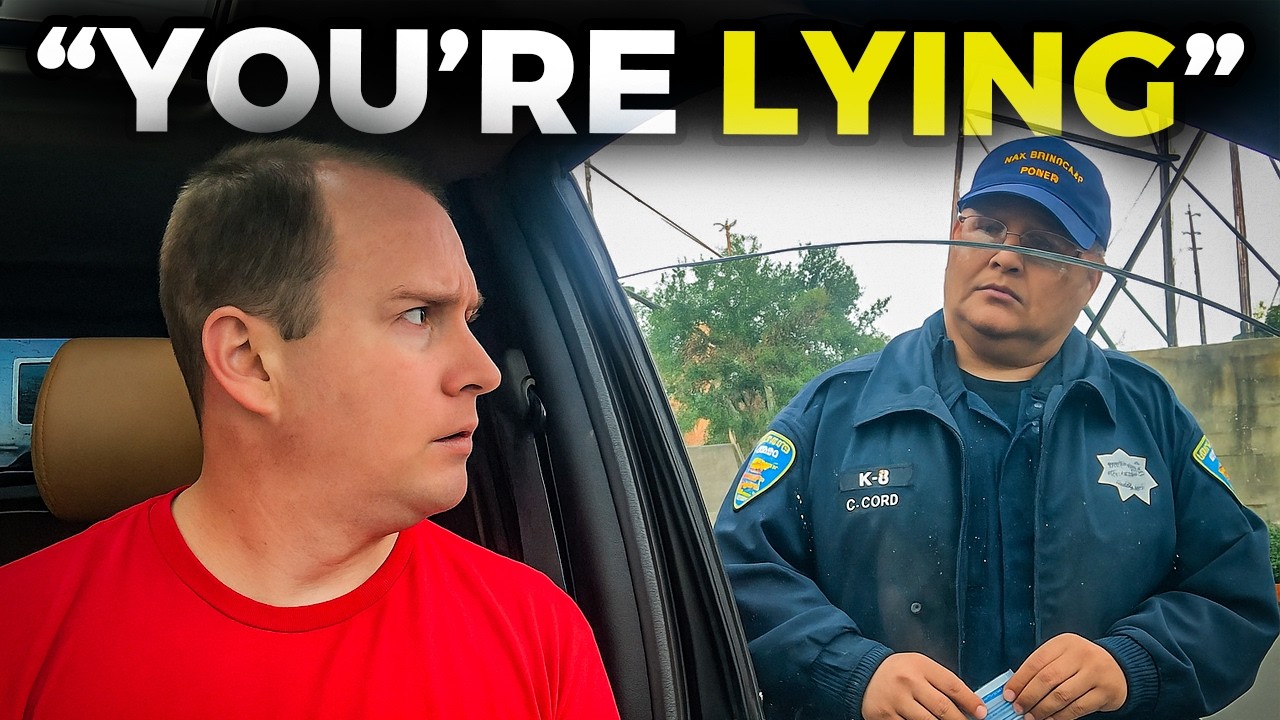
Think police officers are always truthful? Unfortunately, that’s not the case. From questioning to traffic stops and arrests, law enforcement officers are often trained to lie when it suits their objectives. These lies can sound perfectly reasonable — until they turn your life upside down. Some of these tactics have even led innocent people to spend years behind bars. Understanding these common police lies and knowing how to respond can protect your constitutional rights and help you navigate encounters with law enforcement safely.
1. The Classic Bluff: “We Found Your DNA at the Scene”
One of the oldest and most effective tricks cops use is claiming they have scientific evidence against you — like your DNA or fingerprints at a crime scene — even when they don’t. This tactic is legally permitted thanks to the landmark Frasier vs. Kupp Supreme Court case, which ruled that police lying about a co-defendant’s confession to obtain a voluntary confession is acceptable.
In Oregon vs. Mathiason, police falsely told a suspect they had his fingerprints at a burglary scene. No fingerprints actually existed, but under pressure, the man confessed, and the court upheld the confession. This is not a hypothetical scenario. Consider the case of Robert Davis, a 17-year-old from Louisiana who falsely confessed after hours of interrogation based on fabricated evidence claims. He was sentenced to life in prison and only freed 15 years later when DNA evidence proved his innocence.
The key to surviving this bluff is to remember that police only need to create the illusion of evidence. If confronted with such claims, firmly say:
“I exercise my right to remain silent, and I will not answer any further questions unless my attorney is present.”
Then, stay silent. Remember, this is a psychological poker game — cops are allowed to bluff, and reacting gives away your “hand.”

2. Emotional Manipulation: “Your Friend Already Gave You Up”
This lie preys on your loyalty and trust. Police often claim your friend or family member has already confessed and implicated you, which they use to break down your resistance. They know social bonds are fragile under pressure.
In Illinois, Kevin Fox was told his wife had confessed to covering up their daughter’s death — a complete fabrication. Under extreme emotional distress, he confessed and spent over eight months in jail before DNA evidence cleared him. His family later won a $15 million settlement for wrongful prosecution.
Police use this tactic to spark emotional responses that get you talking. Resist the urge and respond with:
“I exercise my right to remain silent. I will not answer any further questions unless my attorney is present.”
3. The “Good Cop” Promise: “We Can Help You If You Talk”
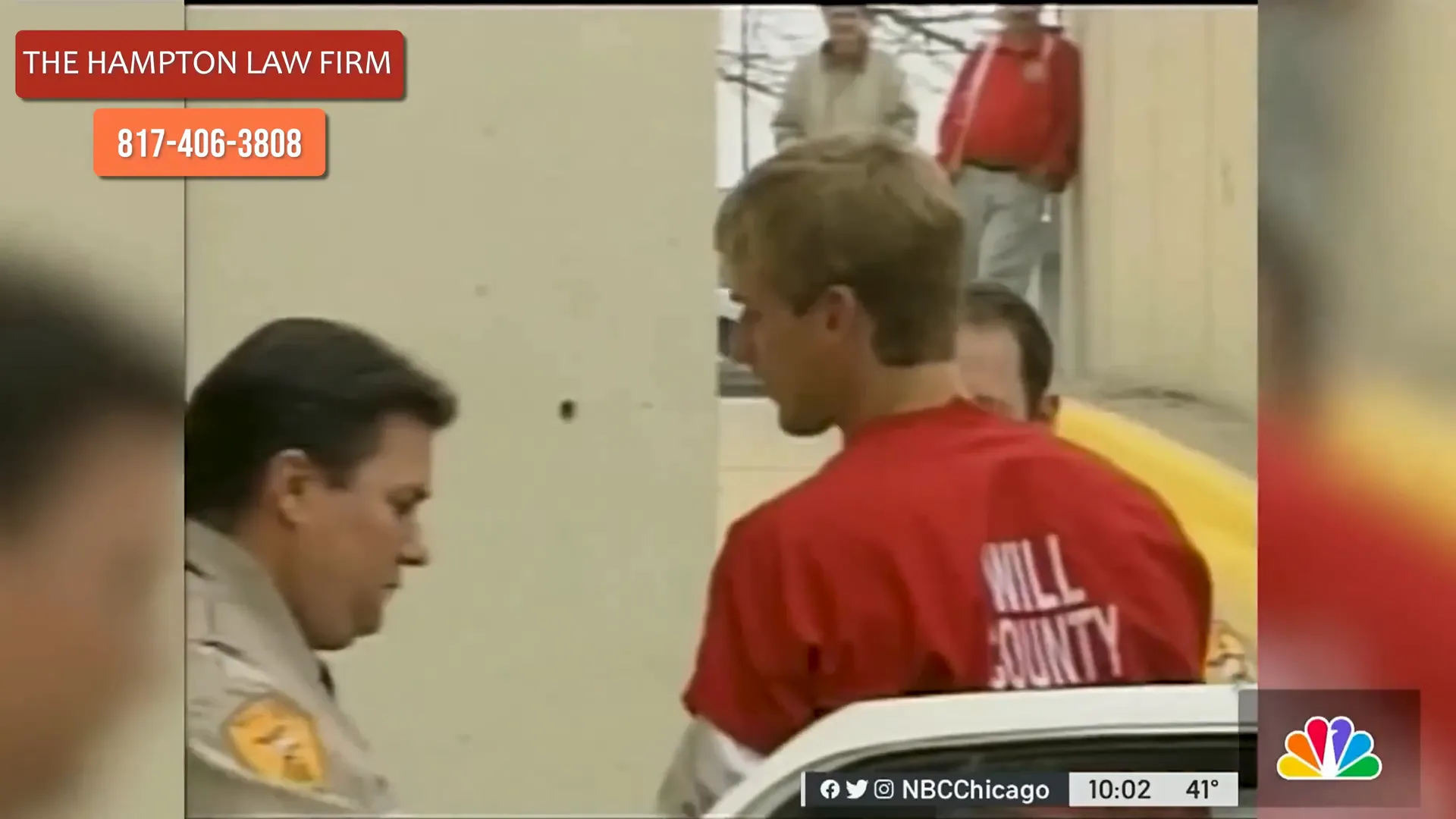
Police often pretend to be your ally, promising that cooperating will make things easier or that they’ll “go to bat” for you. This is a classic good cop lie designed to coax you into talking.
However, anything you say can be twisted against you, even innocent comments. The US Supreme Court allows vague promises because they do not constitute coercion — only explicit promises do. For example, in the case of Adrian Thomas, he was told 67 times that admitting to accidentally hurting his infant son would save the child’s life and avoid jail. The child had already died, and the confession was later thrown out for being coercive.
If you hear vague promises like “I’ll see what I can do,” or “help us help you,” remember:
These are lies. Always exercise your right to remain silent and ask for your attorney.
4. The “Just a Chat” Trick: “You’re Not Under Arrest”
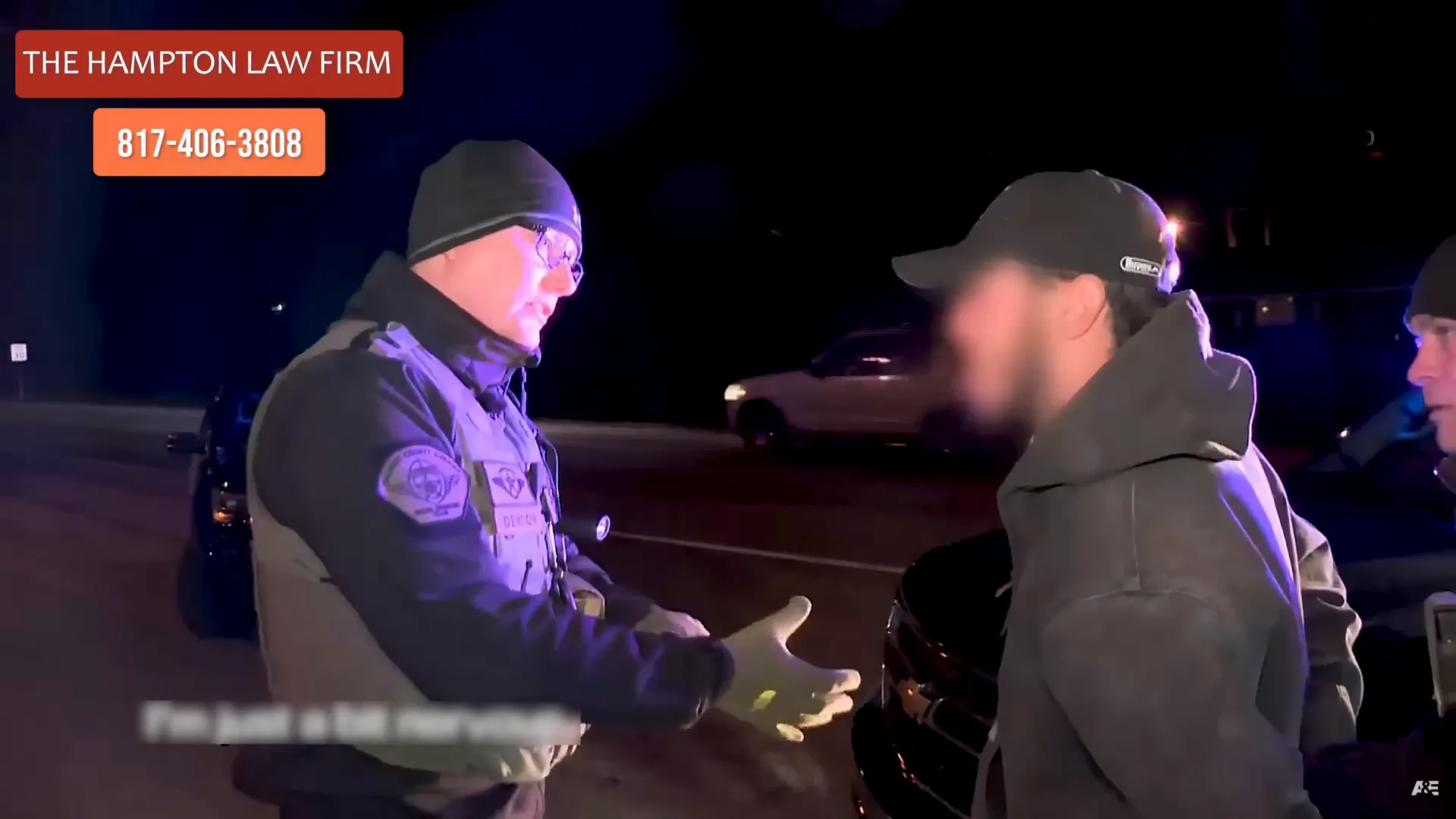
Officers often claim they’re simply having a voluntary conversation and not detaining you. No Miranda warnings, no handcuffs, just a friendly chat — sometimes even over coffee. This is a common way to bypass your rights.
In Tyler Edmonds’ case, a 13-year-old was taken to a police station for “just a chat” with no lawyer or guardian present, leading to a false confession. Years later, he was exonerated, but only after losing precious time.
If you find yourself in this situation, politely ask:
“Officer, am I being detained? Am I free to leave?”
If the answer is no, calmly walk away. If you’re not free to leave, immediately say:
“I exercise my right to remain silent, and I will not say another word until my attorney is present.”

5. The False Release: “You’re Free to Go, Just One More Question”
Police may try to lull you into a false sense of security by telling you you’re free to leave but need to answer “just one more question.” This tactic often leads to further questioning and traps.
The 14-day rule is a legal loophole allowing police to re-question you after two weeks even if you previously invoked your rights. The infamous Brendan Dassey case from the “Making a Murderer” documentary shows how police used this to extract confessions after multiple reapproaches.
If this happens, repeat firmly:
“I’ve already said this once, and I’ll say it again. I exercise my right to remain silent, and I will not answer your questions unless I have my lawyer present.”
6. The Warrant Bluff: “We’ll Get a Warrant If You Don’t Let Us In”
Officers often threaten to obtain a warrant if you don’t consent to a search, pressuring you to open your door. In Bumper vs. North Carolina, the Supreme Court ruled that consent gained under the false claim of having a warrant is invalid.
In 2010, Atlanta’s Red Dog unit routinely told residents they’d return with a warrant if denied entry, forcing compliance under false pretenses.
If confronted, calmly ask:
“Officer, do you have a warrant?”
If the answer is no, say:
“I do not consent to a search,”
and close the door. Consent obtained through intimidation is not valid consent.
7. The Trojan Horse: “We Just Want to Clear This Up”
This lie sounds like police are being helpful and just want to hear your side of the story, but it’s a setup to get you talking and potentially incriminating yourself.
Sixteen-year-old Jeff Deskovic was brought in under this pretense and ended up confessing to a murder he did not commit, spending 16 years in prison before DNA proved his innocence.
If police try this, respond with:
“Officer, happy to answer your questions, but I don’t really know what’s going on here. I’m going to need my attorney present, and I will not answer any further questions until they are here.”
8. The “We’ve Got Enough to Arrest You” Bluff
Police may claim they already have airtight evidence against you to make you feel hopeless and coax a confession. The United States vs. Rogers case confirmed that cops can say they have enough evidence as long as they don’t make explicit promises in exchange for cooperation.
Paul House from Tennessee was falsely accused and pressured into confessing, only to be cleared later by DNA evidence.
When faced with this, say:
“Officer, I have no idea what you’re talking about. I exercise my right to remain silent, and I want an attorney present.”
Don’t try to prove your innocence by talking — it’s nearly impossible to prove a negative, and anything you say can be twisted.

9. The Undercover Cop Lie: “I’m Not a Cop”
There is a common myth that if you ask someone if they’re a cop, they have to tell you. This is false. In Illinois vs. Perkins, an officer posed as an inmate and obtained a confession legally. Similarly, the “Mister Big” technique in Canada involves police pretending to be criminals to gain trust and confessions.
Trust is easy to fake, and when people feel safe, they often say too much.
General rule: Don’t tell anyone, including police, about anything in your past that you don’t want used against you.
10. The Guilt Trip: “If You Have Nothing to Hide, You Shouldn’t Mind a Quick Search”
This is a classic guilt trip disguised as logic. The Supreme Court in Schneckcloth vs. Bustamante ruled that police do not have to inform you of your right to refuse a search.
In Minnesota, Abdi Mahamud agreed to a search during a traffic stop without knowing he could refuse. Police found cash and assumed it was drug money, causing him a year-long fight to get his property back despite no charges.
Police want you to believe only guilty people exercise their rights, but constitutional rights protect everyone — especially the innocent.
Respond firmly:
“Officer, I do not consent to any searches. I exercise my right to remain silent, and I will not say another word unless my attorney is present.”
Conclusion: Know Your Rights and Use These Phrases
Police lies are common and, frustratingly, legal. Here’s a quick recap of the top lies and bluffs they use:
- “We found your DNA” – Lie
- “Your friend already gave you up” – Lie
- “Talking always helps” – Lie
- “We’re just chatting here” – Lie
- “We’ll go easy on you” – Lie
- “We’ll get a warrant if you don’t cooperate” – Bluff
- “You’re free to go” – Could be a setup
- “We just wanna clear this up” – Trap
- “We’re not cops” – Undercover trick
- “You’ve got nothing to hide” – Guilt trip
Every one of these tactics is 100% legal, but now you know the exact phrases to shut them down and protect yourself:
I exercise my right to an attorney.
I exercise my right to remain silent.
I refuse all searches.
Am I free to leave?
Being armed with these phrases is often your best defense against police manipulation and lies. Remember, exercising your rights is not an admission of guilt — it’s a crucial step toward protecting your freedom.
For more on staying safe during police encounters, check out the next guide on how to stop cops from tricking you during a traffic stop.

Be the first to comment