


From the White House to the Playroom: Parenting with the Obamas

In a heartfelt and insightful conversation, former President Barack Obama joins Michelle Obama and Craig Robinson to explore the complexities of raising emotionally intelligent boys. Drawing from personal experiences and thoughtful reflections, they dive into the challenges and joys of parenting in today’s world, emphasizing the importance of community, emotional awareness, and adaptability. This article unpacks their discussion, offering valuable guidance for parents and caregivers eager to nurture well-rounded young men.
A Personal Encounter That Sparked Reflection
Michelle Obama opens with a charming story about a fan encounter during a basketball tournament in Wichita, Kansas. A woman approached her for a picture and, after a side hug, asked, “What did he do?” — referring to her husband Craig. Michelle cleverly responded by turning the question around, sparking a playful yet meaningful conversation about expectations and assumptions around men’s behavior.
Welcoming Barack Obama to the Conversation
The episode takes a special turn as Barack Obama joins the discussion, bringing his unique perspective as a father of two daughters and a public figure. Michelle and Craig warmly welcome him, sharing light-hearted banter about their relationships and the public’s curiosity about their marriages and family dynamics.
Listener Question: Raising Emotionally Intelligent Boys
A listener named Emma from San Francisco poses a thoughtful question: How can we raise emotionally intelligent, competent young men in a culture that often promotes restrictive and harmful ideas about masculinity? She expresses concern about the online ideologies influencing her younger brothers and seeks advice on fostering positive change.
Parenting Starts With the Right Partnership
Barack emphasizes that the foundation of effective parenting, whether for boys or girls, is having the right partner. He praises Michelle for being an incredible mother, highlighting their shared approach of unconditional love combined with firm structure. From early bedtimes to teaching respect and responsibility, their parenting philosophy centers on raising adults who understand consequences and learn from mistakes.
Hands-On Fatherhood and Shared Responsibilities
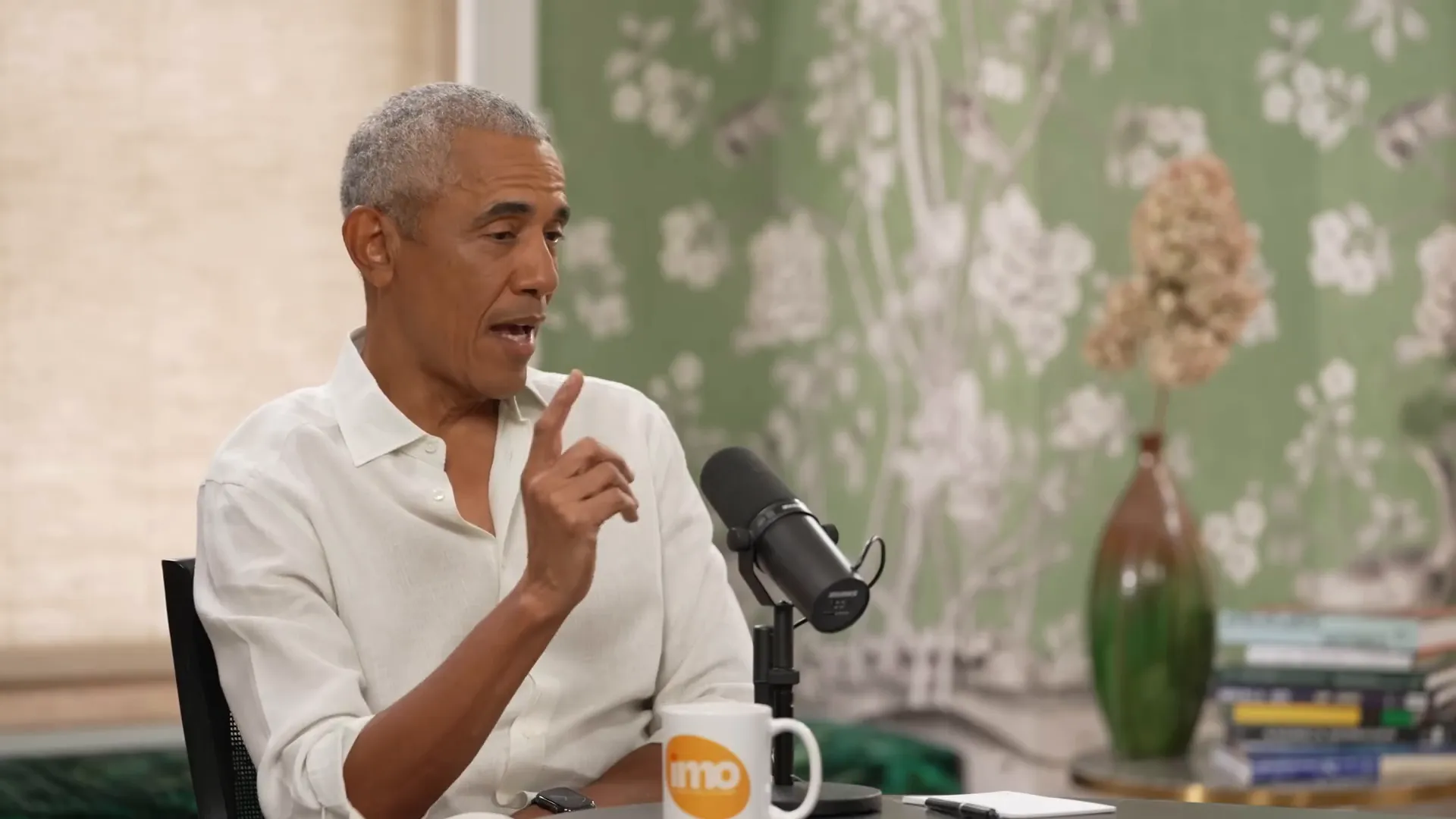
Michelle highlights Barack’s engaged role from the very beginning, noting how they shared childcare duties equally. Barack took the night shifts to allow Michelle to rest, and he even sleep-trained their daughters—demonstrating that fatherhood is about active involvement, not just presence. This partnership built strong bonds that continue to thrive today.
Common Values Across Different Backgrounds
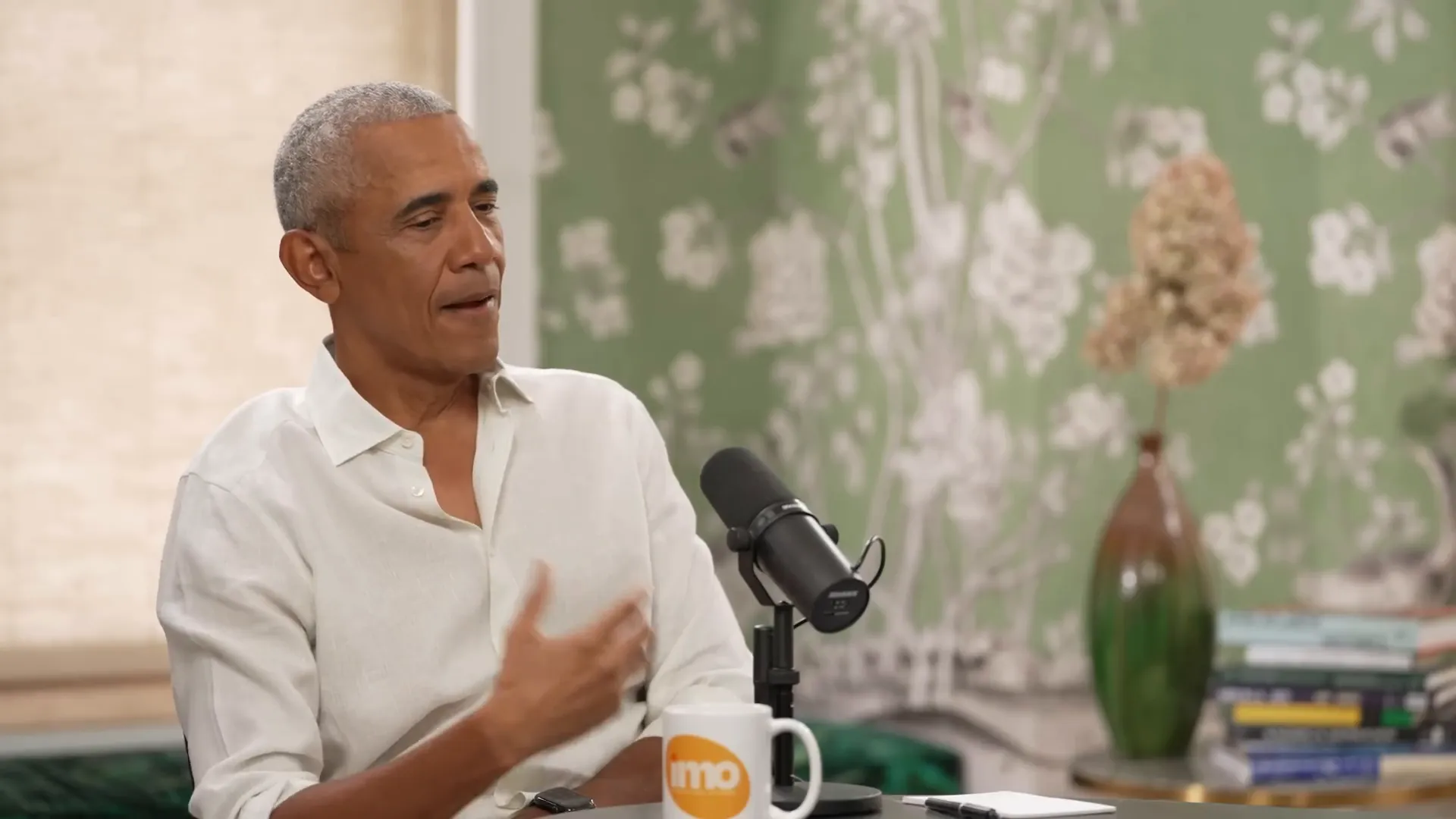
Michelle reflects on how Barack’s upbringing was vastly different from hers, yet they developed remarkably similar core values—honesty, authenticity, humor, and calmness. Barack shares his experience growing up without a father present, piecing together role models from various figures in his life, which shaped his understanding of manhood.
Defining Manhood: Then and Now
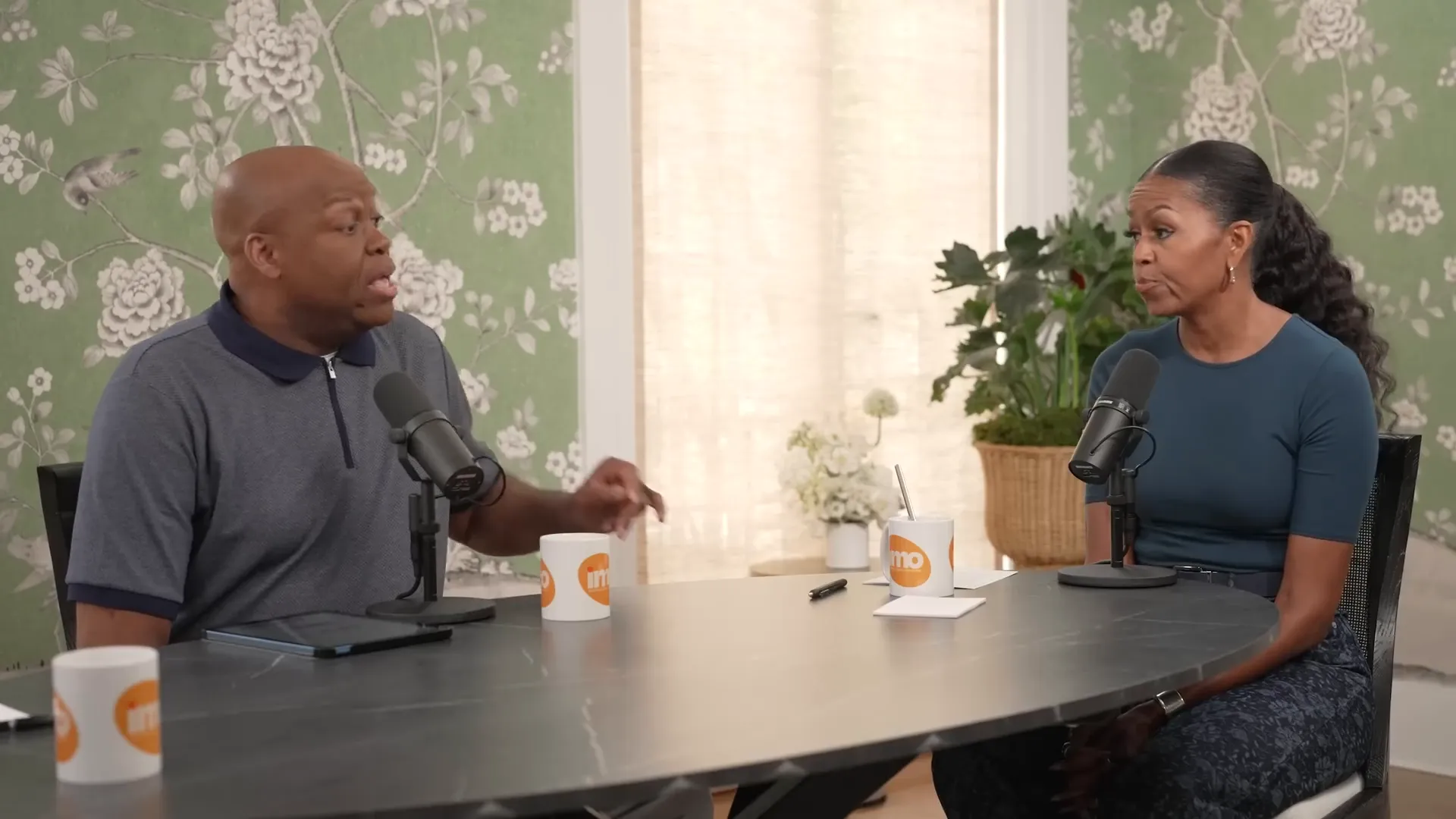
Both reflect on traditional notions of manhood they were raised with—strength, stoicism, and responsibility, often tied to providing and protecting. Barack shares a vivid childhood story from Jakarta, Indonesia, where at age ten, he navigated airport challenges alone, illustrating early lessons in self-sufficiency and problem-solving.
Parenting Across Generations: Changing Contexts and Challenges
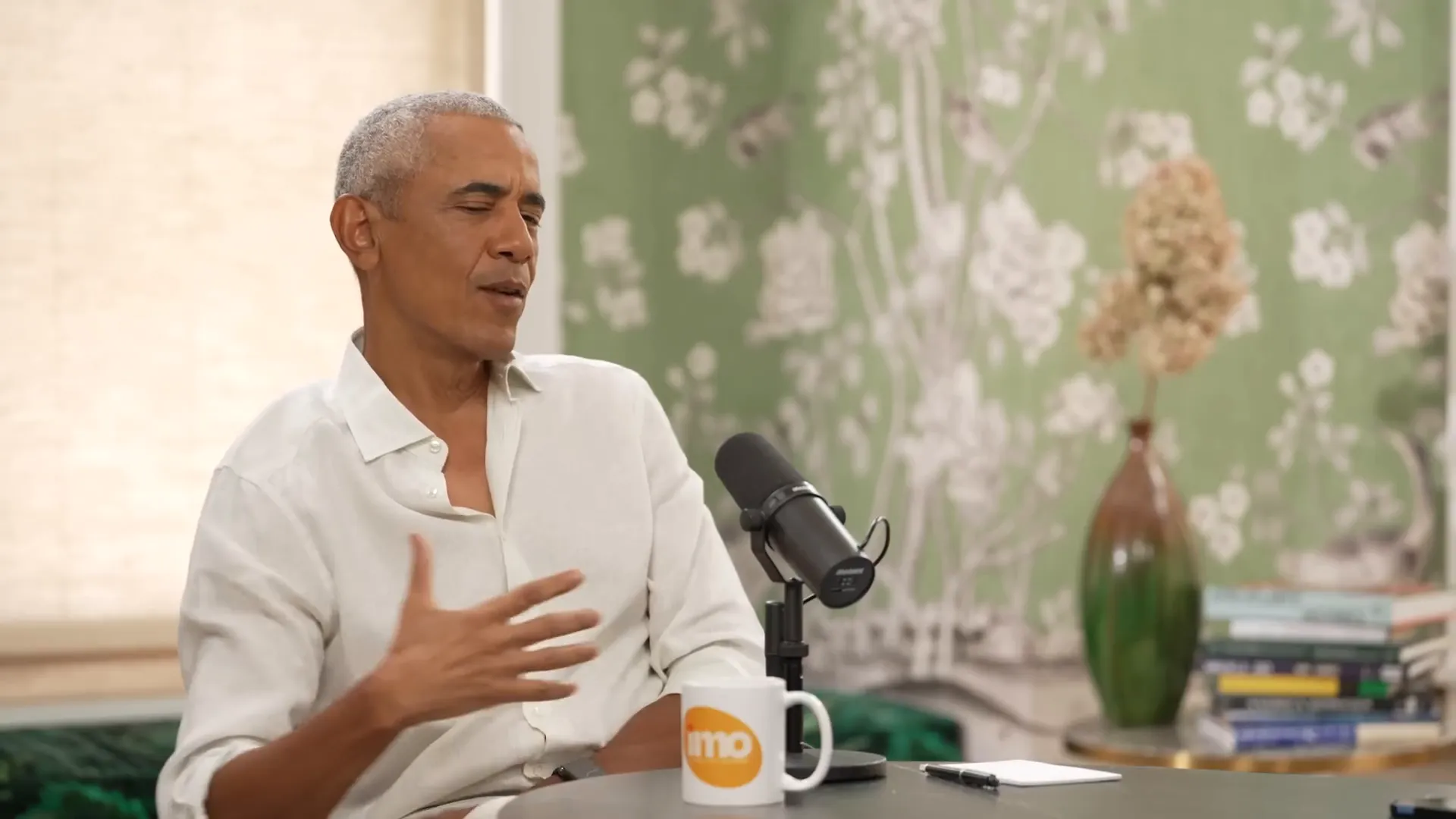
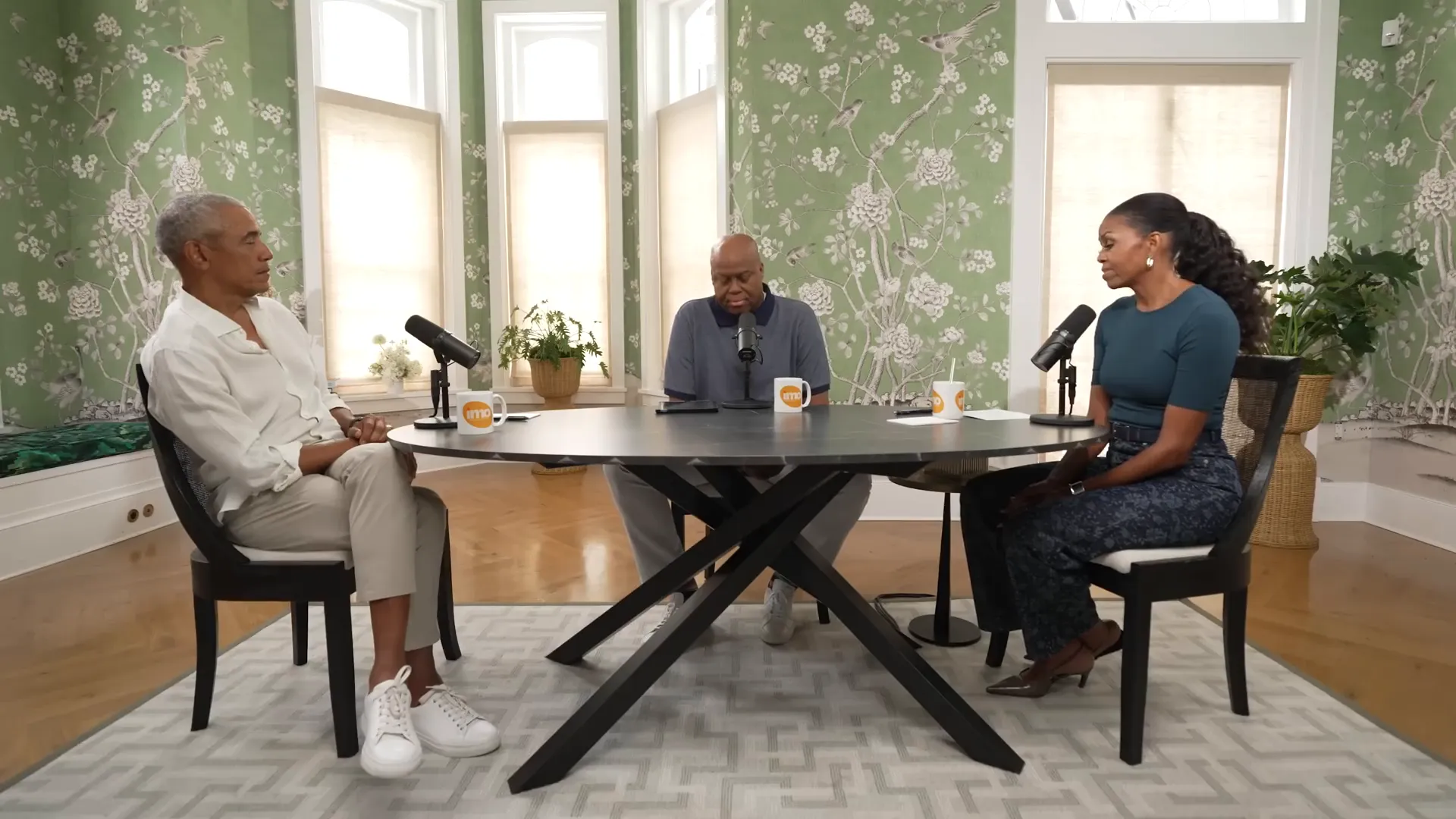
The discussion turns to how parenting has evolved, especially regarding safety concerns and digital influences. Michelle and Barack discuss how contemporary parents often rely on playdates and community supervision more than in the past due to increased risks. They also reference media like the Netflix series Forever as examples of positive representations of Black boyhood that foster important conversations about emotional intelligence.
Lessons from Their Fathers and Gender Roles
Craig shares the positive lessons he took from his father, such as the importance of work ethic, humor, and common courtesy like walking on the street side and opening doors for women. Yet, he also acknowledges the clear gender roles that he initially accepted but later sought to adjust in his own parenting, especially in the age of social media and changed societal expectations.

Courtesy, Kindness, and Emotional Growth
Barack and Michelle highlight that many traditional “manly” traits are external behaviors designed for safety and respect, but internal emotional awareness was often neglected. They discuss the lack of dialogue about boys’ internal feelings—hurt, fear, vulnerability—and how crucial it is to teach boys emotional intelligence as a defining characteristic of mature manhood.
Maintaining Male Friendships and Emotional Sharing
The conversation explores how men can sustain meaningful friendships, countering the growing loneliness among men. Barack shares stories of his lifelong friends who supported him throughout his presidency and beyond. Craig talks about intentionally nurturing friendships, especially after becoming a father, by prioritizing deep conversations and emotional openness.
Community: A Crucial Element in Raising Boys
Michelle addresses the challenge many mothers face raising sons alone and the significant impact of absent male role models. Barack stresses the importance of exposing boys to a diverse range of men in the community—elders, teachers, family friends—who can provide guidance and model various positive expressions of masculinity beyond stereotypes.
Broadening Boys’ Interests Beyond Sports
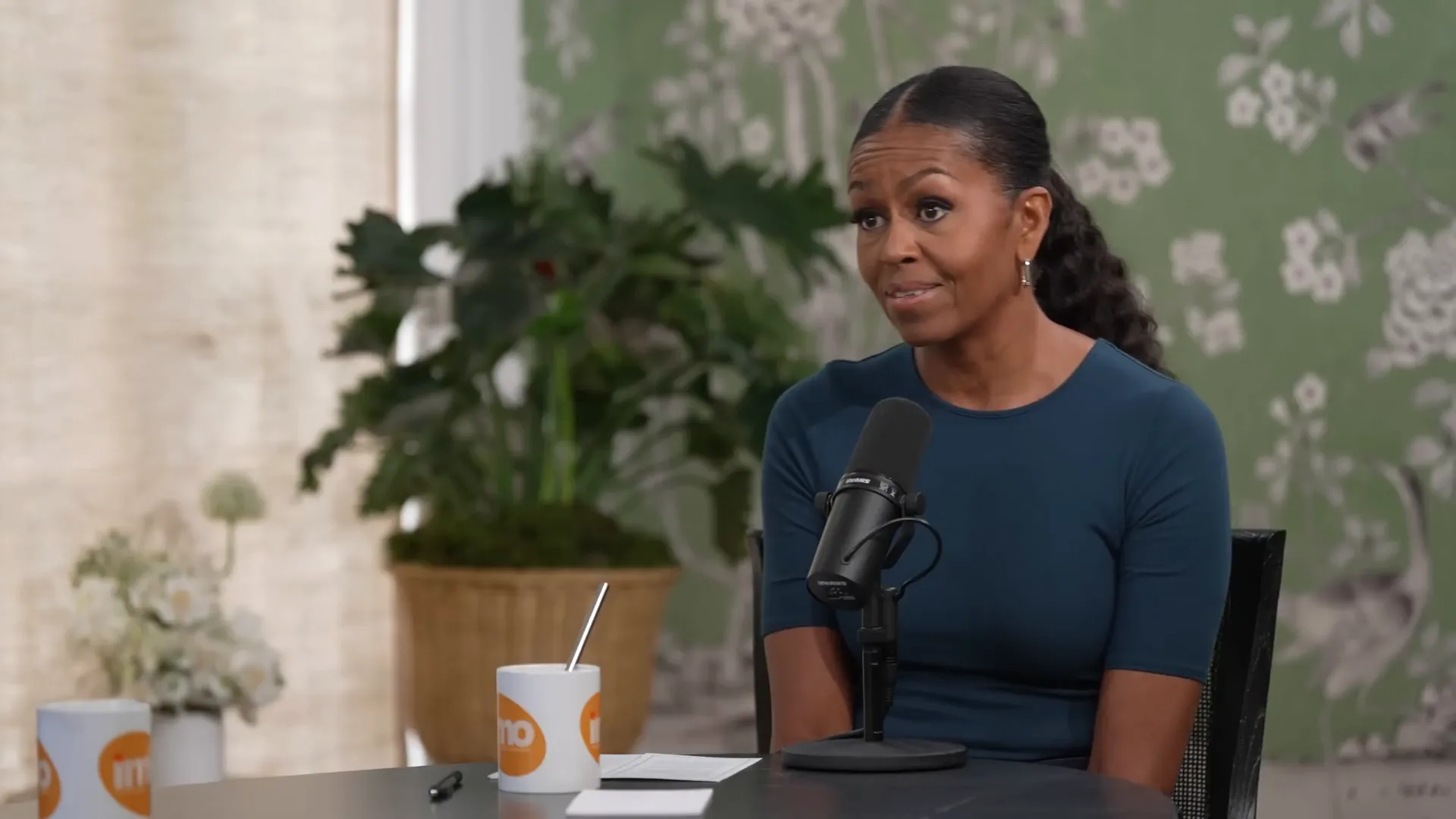
While sports can build teamwork and discipline, the trio agrees on the need to encourage boys to explore arts, language, and other social activities. Barack shares how his mother took him to art museums and plays, enriching his perspective and allowing him to develop interests beyond traditional male domains.
Helping Boys Access and Express Emotions
They discuss the importance of creating space and time for boys to unfold emotionally, highlighting that this process is not efficient or formulaic but requires patience and intentionality from parents. Teaching boys to recognize, articulate, and work through their feelings is vital for their growth into emotionally healthy men.
A Healthier Future for Young Men
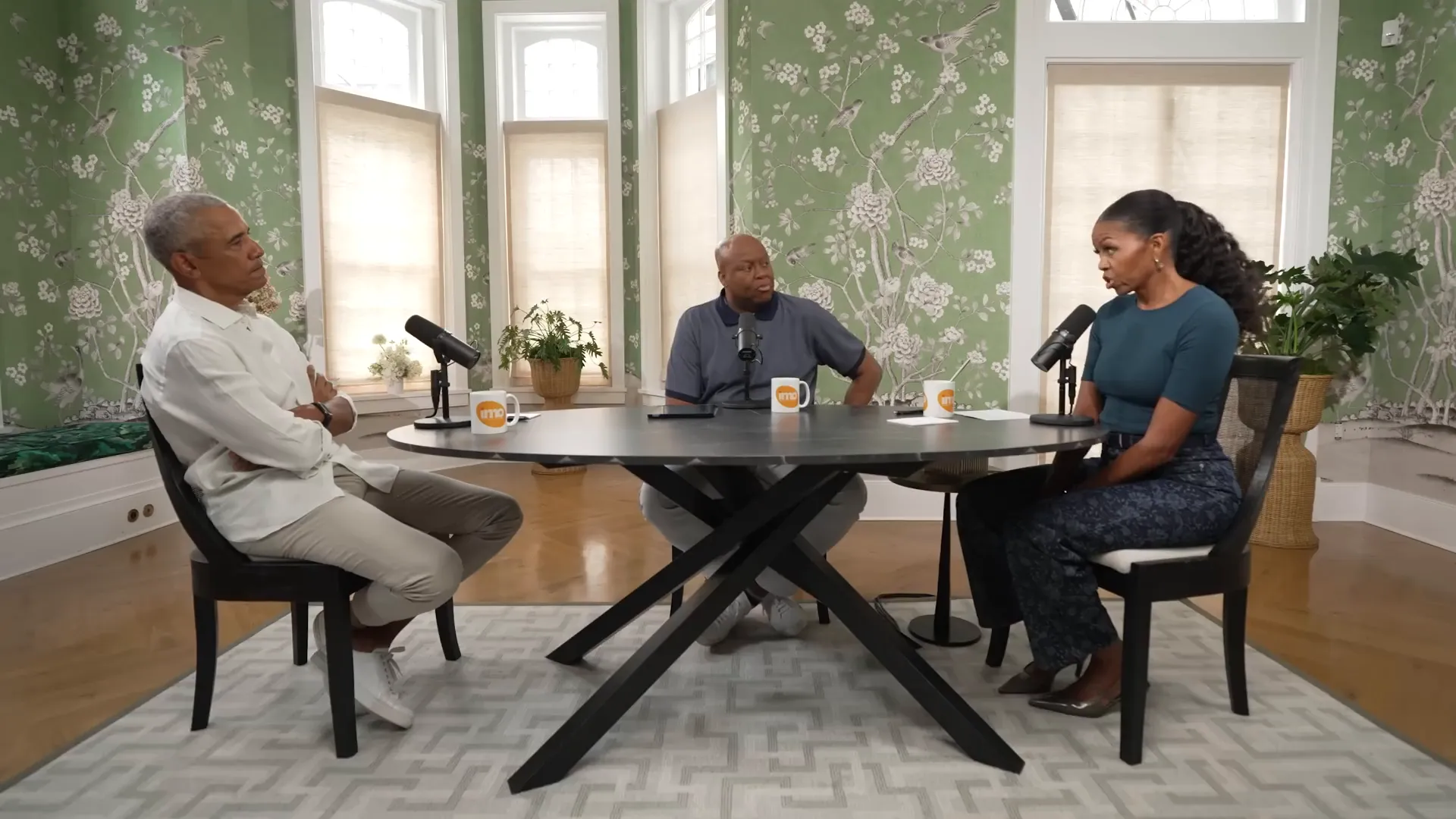
Barack expresses optimism about the next generation, noting that young people today are more open to diverse models of masculinity. He stresses the need to invest intentionally in boys’ development, just as society has done for girls, to foster confident, kind, and responsible men. This, in turn, benefits everyone, including women and communities at large.
Brotherly Love and Community Support
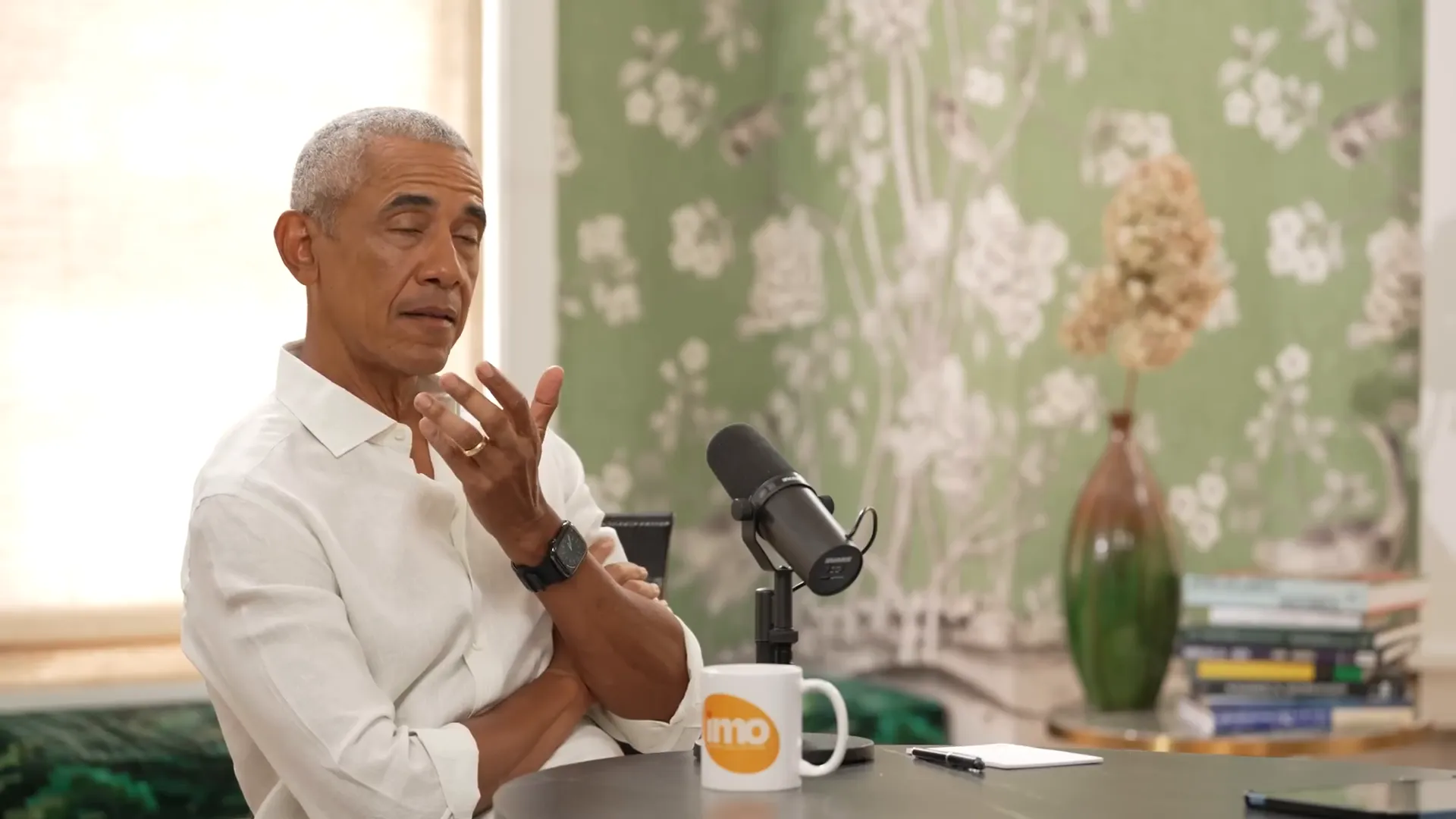
As the conversation wraps, Michelle and Craig express gratitude to Barack for being a positive role model and an integral part of their family’s community. They celebrate the love and learning their daughters have gained from him and the extended family, underscoring again the power of community in shaping children’s lives.
Final Thoughts
Raising boys to be emotionally intelligent, compassionate, and competent men requires more than just love—it demands community, diverse role models, intentional parenting, and a willingness to embrace emotional complexity. Barack Obama’s reflections, alongside Michelle and Craig’s experiences, offer a roadmap for parents navigating these challenges. By fostering open conversations, encouraging diverse interests, and building supportive networks, we can raise boys who not only thrive but also contribute positively to the world.

Be the first to comment