

Martin Eberhard Breaks His Silence: The Real Story of Tesla’s Founding
Behind every revolutionary company lies the story of its founders, and Tesla is no exception. In this exclusive deep dive, Martin Eberhard, Tesla’s original cofounder and first CEO, shares his candid reflections on the beginnings of Tesla, the challenges faced, and his perspective on the company’s evolution. From the spark of inspiration to the creation of the iconic Roadster, and his nuanced views on autonomous driving and AI, Martin offers a rare glimpse into the authentic roots of one of the world’s most valuable companies.
The Birth of Tesla: From Idea to Reality
Martin Eberhard’s journey to founding Tesla was anything but conventional. Before Tesla, Martin and his friend Marc Tarpenning had already made waves by cofounding NuvoMedia, the creator of the Rocketbook—the world’s first handheld web-connected e-reader, predating the iPad and Kindle by over a decade. This experience laid a foundation in innovation and entrepreneurship that would soon pivot towards electric vehicles.
The idea for Tesla came to Martin during a date with his future wife at Disneyland. Inspired by the potential of electric motors—specifically the AC induction motor invented by Nikola Tesla—and driven by concerns about climate change and oil dependency, Martin set out not to create just another car, but a high-performance electric sports car that would change perceptions.
“I wasn’t actually looking for an idea for a company. It’s the other way around. I started off thinking maybe I’ll go buy myself a sports car… But I didn’t want to buy another petroleum powered car.”
Rejecting the failed attempts of past electric cars aimed at the low-end market, Martin chose a different path: to compete on performance and innovation rather than price. This approach opened doors to using lithium-ion batteries, a technology that was expensive but superior, making Tesla the first commercial car to ship with these batteries.
Engineering Challenges and Strategic Partnerships
Building a car from scratch was no small feat, especially for Martin and Marc, who were not automotive engineers. Recognizing the need for expertise, they partnered with Lotus, a company known for its lightweight, mid-engine sports cars. The Tesla Roadster borrowed the Lotus chassis but featured a unique body, a longer frame, and proprietary components including a crash structure designed for safety.
To further prove the viability of lithium-ion batteries and electric drivetrains, Martin financially rescued AC Propulsion, a struggling company with a promising electric car prototype called the tzero. Together, they converted the tzero to lithium-ion power, showcasing the potential of the technology and using it to attract investors and talent.
“We drew out, sitting in a cafe almost literally on a napkin, an architecture for battery management. Once we believed it would work, we said we have the big pieces put together. We can probably start a company.”
The Naming of Tesla and Early Funding
The name “Tesla Motors” was inspired by Nikola Tesla’s AC induction motor, with Martin crediting his wife Carolyn for encouraging him to settle on the name during their Disneyland date. Interestingly, the pronunciation Martin uses is “Tesla” (with the emphasis on the first syllable), a point of debate among fans and media.
Fundraising was challenging. The team initially sought between $5 to $10 million and ultimately raised nearly $7 million, with Elon Musk as the lead investor. Martin reflects candidly on his struggles with fundraising, admitting he may have given away more equity than necessary but recognizing that the vision was outside the conventional VC comfort zone.
“Almost all VCs think they’re experts on cars because they have a Porsche or BMW… They couldn’t imagine an electric car that didn’t sound like their Ferrari or Corvette.”
Vision vs. Reality: Tesla’s Evolution
Martin’s original vision for Tesla was clear and focused: start with the Roadster, then develop luxury sedans and SUVs, and eventually drive prices down to create a mass-market electric vehicle. He expresses disappointment that Tesla canceled plans for a low-cost car, which he believes the world truly needs.
While Tesla under Elon Musk expanded into autonomous driving, AI, and even robotics, Martin admits these were not part of the original plan. He remains skeptical of full self-driving technology, especially concerning safety and responsibility in the event of accidents. For him, the idea of a robotaxi or fully autonomous vehicle is a tough sell, given the current technological and ethical challenges.
“One of the troubles with autonomous cars is it assumes that cars are the answer. And I’m not convinced in urban environments that cars at all whether they’re autonomous or not is the answer.”
Reflections on Leadership, Conflict, and Legacy
Martin’s relationship with Elon Musk is complex. While he acknowledges Musk’s role in turning Tesla into a global giant and making it one of the most valuable companies, he also recounts legal battles and public disagreements stemming from his departure from Tesla in 2007. Despite the conflict, Martin expresses a sense of pride and satisfaction in the revolution Tesla started, noting that every major car company now produces electric vehicles because of the Roadster’s success.
He also offers candid advice on leadership and company culture, emphasizing the importance of careful hiring and standing firm against employees who leverage their positions unfairly.
“If you have an employee do that to you, frog march them to the door. That’s the end. I caved, and that was a mistake.”
Life After Tesla and Views on Technology
Today, Martin considers himself retired but remains active as a lecturer on entrepreneurship, electric vehicles, and energy. He enjoys hobbies such as hiking, kayaking, and restoring vintage computers, reflecting a passion for technology beyond the automotive world.
When asked about the design of newer Tesla models, Martin critiques the aesthetics, calling the Cybertruck a “dumpster” and describing other models as “a bar of soap in a wind tunnel,” admiring aerodynamics but longing for more inspiring designs.
Regarding artificial intelligence, Martin is cautious. He shares concerns about AI’s potential misuse, especially deep fakes and misinformation, and warns against over-reliance on AI for critical thinking, particularly in education. He believes AI lacks an innate sense of morality and emphasizes the difficulty of programming ethical behavior into machines.
“It’s an algorithm. It doesn’t think the way you or I do. It has no innate sense of morality… it’s not something that’s taught, it’s built into your head when you’re born.”
Final Thoughts on Success, Respect, and Legacy
Martin sums up his values by prioritizing respect over money and power. He acknowledges that he is not a billionaire but is content with the life he has built, focusing on family, health, and happiness. His story is a reminder that success is multifaceted and personal.
When asked if he still owns Tesla shares, Martin confirms he does, having held on longer than most, though he sold much of his original stock early on.
“I’ve owned shares in Tesla longer than anybody. Not a lot, but some. I sold most of it probably too soon from a financial perspective. But I’m fine.”
Martin’s journey—from a visionary engineer to a pioneer of the electric car revolution—offers invaluable lessons in innovation, perseverance, and staying true to one’s values amidst the whirlwind of startup life and corporate drama.
His story is not just about Tesla; it’s about the spirit of entrepreneurship that drives change and the human side of technological revolutions.
For those interested in the intersection of technology, entrepreneurship, and electric vehicles, Martin Eberhard’s reflections provide a rare and insightful perspective on where it all began and where it might go next.
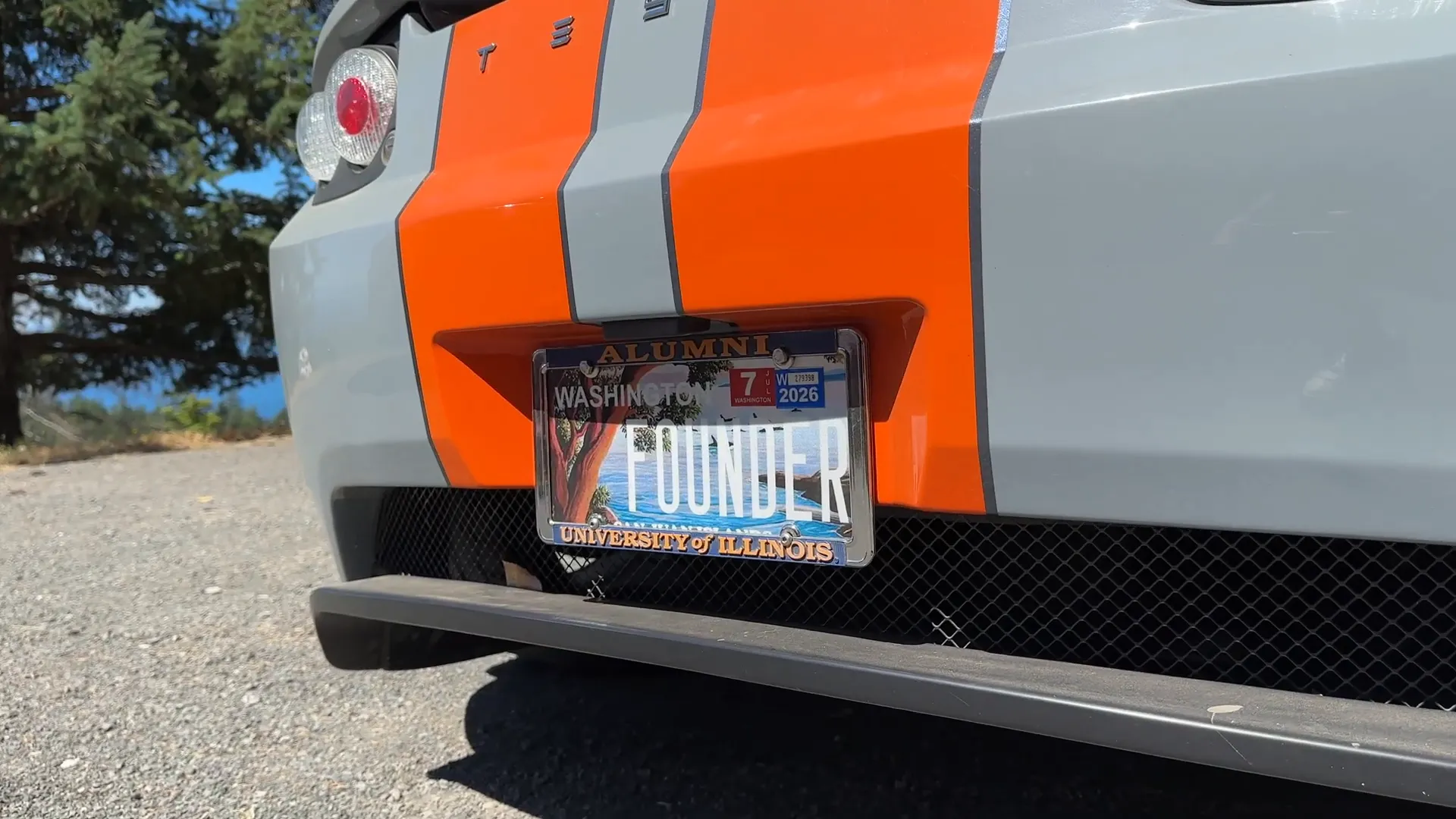
If you want to explore more about the incredible evolution of electric vehicles and hear firsthand from the people who shaped the industry, Martin’s story is a must-know chapter in the Tesla saga.

Be the first to comment