
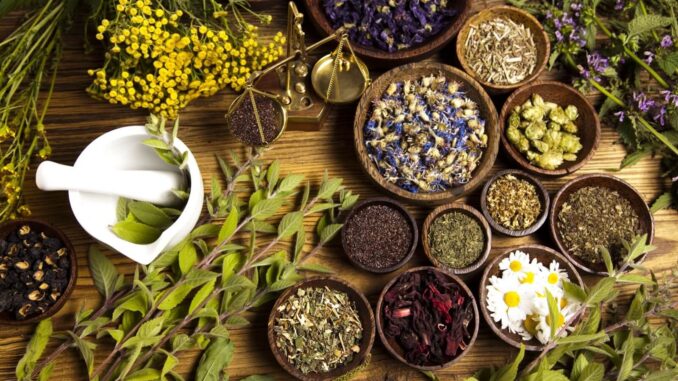


This article was inspired by a conversation hosted by Steven Bartlett on The Diary Of A CEO with herbal medicine pioneer Dr. Simon Mills. Below I distill the practical, evidence-aware advice Simon shares about using plants, spices and simple habits to support gut health, immunity, inflammation and long‑term brain and cardiovascular health. For the original episode and more interviews, return to The Diary Of A CEO channel: https://www.youtube.com/channel/UCGq-a57w-aPwyi3pW7XLiHw
Why herbal medicine still matters — and why I practice it
After five decades using medicinal plants clinically, I still find the same truth: plants are powerful, fast-acting and often undervalued. Modern medicine has spectacular strengths, but it also leaves many people living with chronic complaints — tiredness, pain, poor digestion, erratic sleep and low energy — long after conventional treatments have been exhausted.
Plants are part of human life and evolution. My aim is simple: translate old wisdom into a scientific framework that fits alongside conventional healthcare. Most of the remedies I discuss are immediately testable at home — you can feel the effect within minutes or hours.
“Be thy medicine” — Hippocrates (and the practical truth behind it).
The gut and the microbiome: the root of many problems
Almost everything starts in the gut. The digestive tract runs decision-making processes we don’t consciously control: digestion, signalling, immune activity and hormones. Overlaid on this is the microbiome — trillions of microbes with far more genetic capacity than our own cells. They literally run large parts of our physiology.

Consequences:
- Antibiotics can devastate microbial biodiversity and create long‑term health risks.
- Many chronic inflammatory conditions trace back to disruption in gut function and the microbiome.
- Plant foods (polyphenols, fibers, pigments) are the microbiome’s preferred fuel — so “eat the rainbow.”
Antibiotic resistance: why it’s urgent and how to be smarter
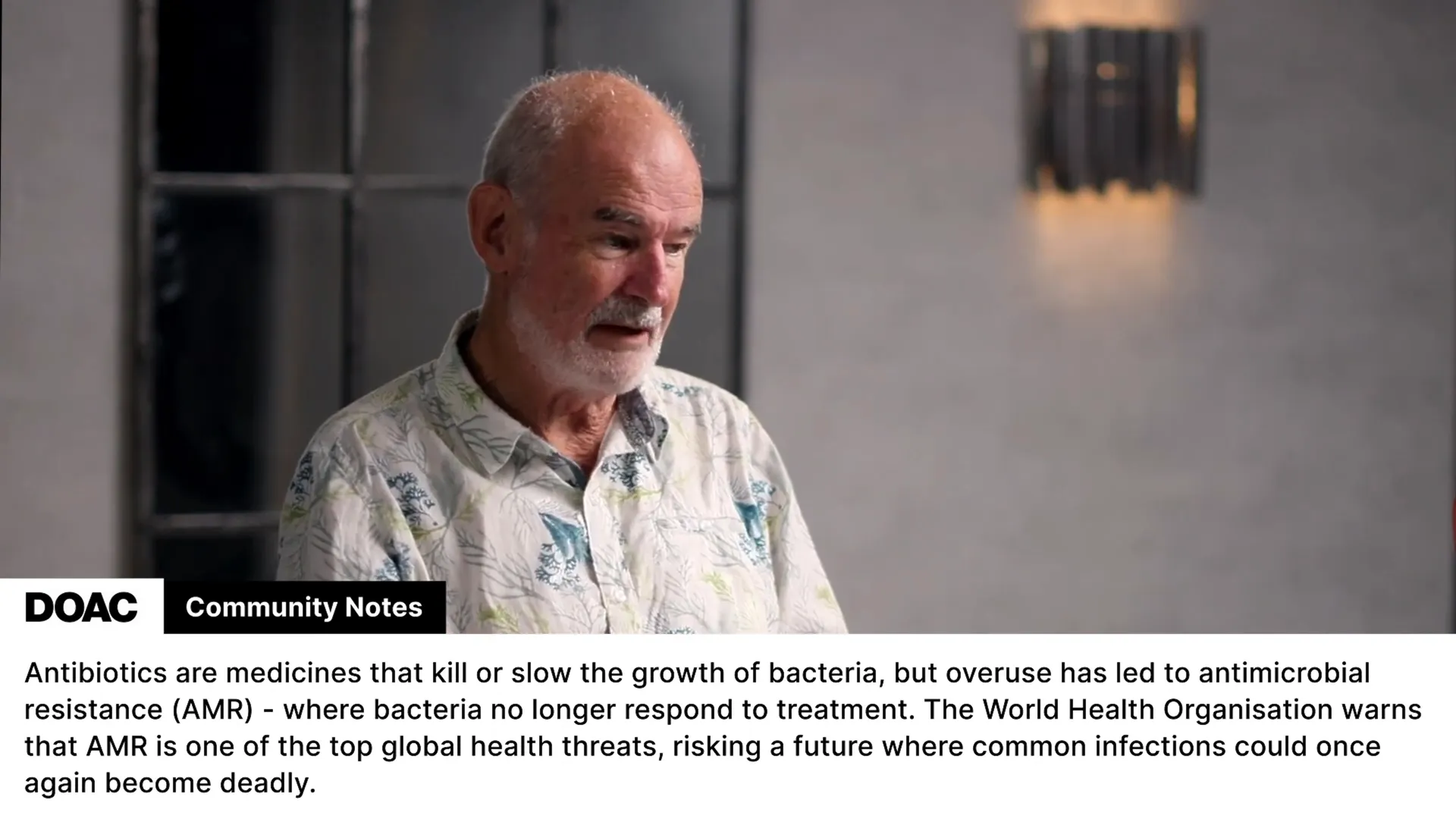
The World Health Organization describes antimicrobial resistance as one of the top global threats. Overprescription and use in agriculture are accelerating the problem — hospital infections that used to be treatable are becoming dangerous again.
Guiding principles I use in practice:
- Take antibiotics when clearly needed (serious bacterial infections, specific gut infections), but avoid routine use for viral illnesses.
- When a respiratory problem is likely viral (cold, typical flu), try supportive plant-based approaches first: warming spices, echinacea for upper airway immune support, rest, fluids and targeted supplements.
- Support the microbiome after necessary antibiotics with diverse plants, prebiotics and fermented foods rather than assuming a pill will fix it.
The top natural medicines you can try, and how to use them
Below are practical remedies Simon highlights — simple, evidence-linked, and in many cases immediately usable.
1) Dark chocolate / cocoa — heart and brain circulation

Dark chocolate (70–90% cocoa) is not just a treat — it’s a circulatory medicine. Studies show improved blood flow within minutes to an hour after consumption. Regular moderate intake (for example, ~50 g/day of high quality dark chocolate) can support vascular and brain health.
2) Garlic — a powerful prebiotic and natural antimicrobial
Raw garlic (in controlled use) has been called “Russian penicillin.” It’s a strong prebiotic that helps beneficial gut microbes and contains antimicrobial oils. Simon’s practical “garlic intensive” protocol (only for occasional use, and done sensibly) is:
- Start on an evening you can rest afterwards.
- Peel and chop one garlic clove; swallow small pieces with water; wait 30 minutes.
- If well tolerated, repeat every 30 minutes for up to ~8 cloves over a few hours.
This floods your system with garlic’s active oils (and yes — expect strong breath and body odour). One well-timed intensive can shift a low-grade gut or chest infection — but don’t overuse it.
3) Ginger + cinnamon (warming formula) — for “cold” illnesses

If your symptoms feel ‘cold’ (chills, stiffness, desire to warm up), ginger plus cinnamon make an instant warming tea. Grate a thumb‑sized knob of fresh ginger, add a teaspoon of quality cinnamon, pour hot water through a sieve and sip. The heat stimulates mucosal blood flow, loosens mucus and promotes the natural “escalator” that clears airways.
4) Turmeric / curcumin — anti‑inflammatory, microbiome‑mediated
Curcumin (turmeric’s active component) modulates inflammation. Important nuance: curcumin is largely processed in the gut by the microbiome — its benefits are often postbiotic (microbiome-derived) rather than due solely to bloodstream absorption. Pairing turmeric with black pepper can increase bioavailability slightly, but preserving a healthy microbiome is key for turmeric to work well.
5) Rosemary, green tea, ginkgo — brain and neurovascular support
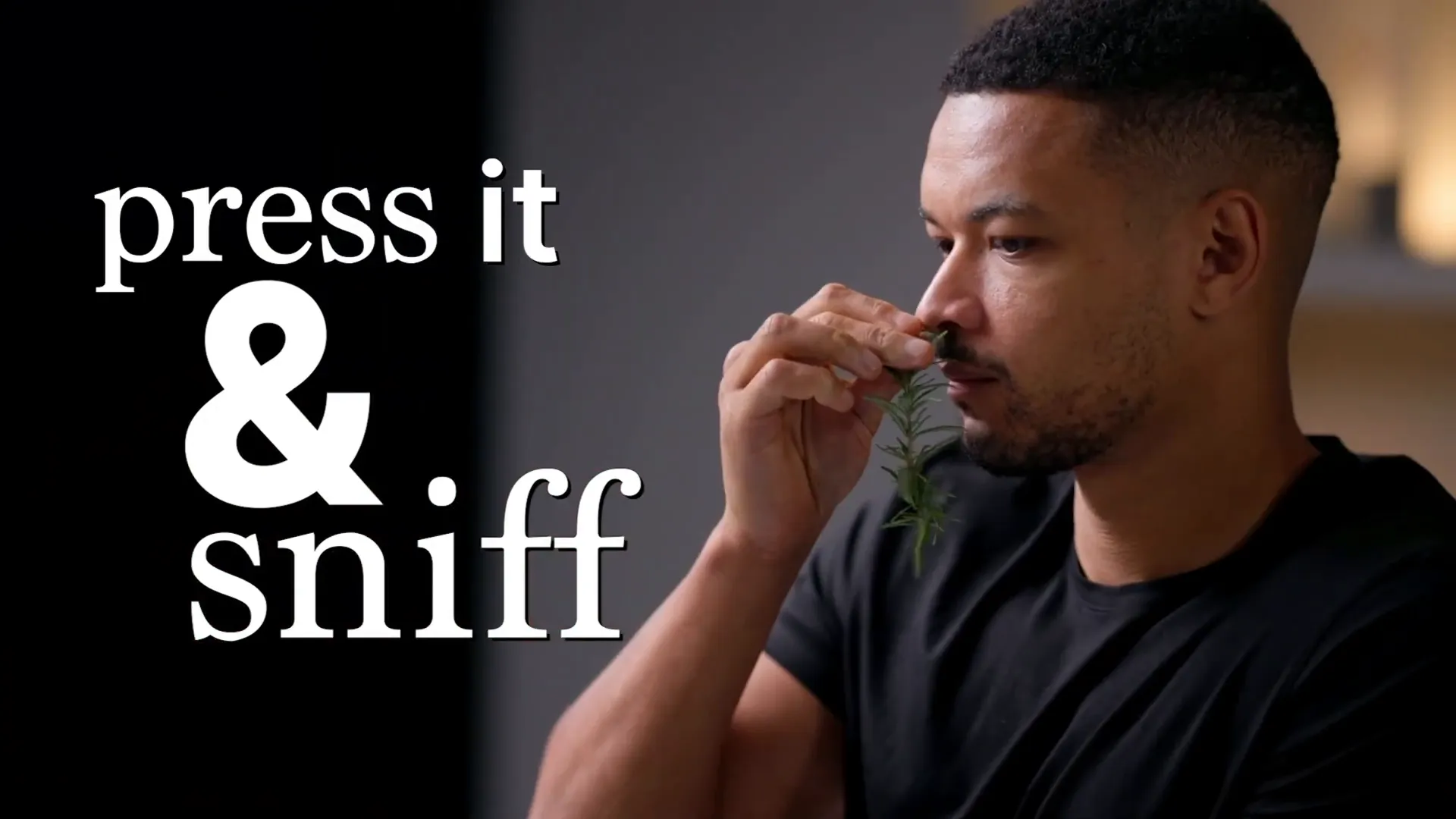
Plants that support circulation and volatile‑oil inhalation seem especially promising for long‑term brain health:
- Rosemary — aromatic volatile oils; inhalation can rapidly affect the olfactory system and limbic brain regions. Clinical trials have suggested cognitive benefits in older adults.
- Green tea (and matcha) — rich in polyphenols that modulate the neurovascular unit and show epidemiological links with lower dementia risk.
- Ginkgo — used in Europe to support circulation and cognitive function.

Important additional plants and remedies
- Echinacea — used for upper‑respiratory immune support (tingling, immediate frontline immune stimulation).
- Frankincense / boswellia and myrrh — resins used for mucosal and inflammatory conditions in the mouth, throat and sinuses.
- Hawthorn — classic cardiovascular herb for long‑term heart support.
- Artichoke leaf and dandelion — liver‑supporting herbs helpful when cholesterol and bile handling are involved.
- Cayenne / mustard plasters — topical warming agents (capsaicin, mustard) used traditionally and clinically to increase blood flow to joints and reduce pain.
Inflammation, pain and the role of anti‑inflammatories (ibuprofen, statins etc.)
Inflammation is a defence system — often it’s the body doing important cleaning work. Anti‑inflammatories (NSAIDs like ibuprofen) blunt that response and reduce pain but don’t always address why inflammation is happening. My approach is:
- Ask: what’s causing inflammation upstream? Often the gut, liver or metabolic stress.
- Where possible, support the underlying process (diet, microbiome, liver herbs) rather than only suppressing inflammation.
- Use topical warming measures (mustard/capsaicin) to bring blood into a joint and reduce the need for internal inflammatory escalation.
Diet, lifestyle and fertility — practical guidance
Diet is central. Three repeated themes in practice:
- Eat the rainbow — varied plants supply polyphenols that feed the microbiome and produce beneficial postbiotics.
- Focus on roots, greens, legumes and whole grains to boost prebiotic intake — aim for as much plant diversity as you can (some practitioners target ~30 different plants per week).
- Reduce added sugar. Insulin resistance is linked to PCOS, menstrual disruption and longer-term metabolic disease. Low‑carb or ketogenic diets can help some people by improving insulin sensitivity — but they’re not universal and should be monitored long‑term.
For fertility and irregular cycles: stabilizing metabolic function and liver processing (milk thistle, artichoke, gymnema to reduce sugar cravings, and targeted women’s herbs) has helped many patients regain regular ovulation and conceive.
Supplements and simple measures
Supplements are not universally required. Key, pragmatic recommendations:
- Vitamin D — common deficiency in low‑sun climates; consider seasonal supplementation.
- Vitamin C and zinc — reasonable short‑term support during infections to boost resilience.
- Probiotics, fermented foods and prebiotic plant fibers — support microbiome recovery after antibiotics.
Omeprazole and reflux — a practical, safer alternative
Proton pump inhibitors (omeprazole and similar) are extremely widely prescribed for reflux, but long‑term use carries mounting concerns and rebound acid hypersecretion when stopping. A gentler first step is the “raft principle”: use mucilaginous agents (seaweed gum, certain aloe or slippery‑elm style preparations) to create a protective mucus raft over the stomach contents so refluxing material is less damaging. Over time, wean and address underlying causes (diet, hiatal function, gut health) rather than assuming lifelong PPI use is the only option.
Practical daily habits — small things that move the needle
- Try a daily cup of green tea or matcha for long‑term brain and vascular support.
- Use a ginger + cinnamon tea when you feel a cold coming on.
- Keep dark chocolate (75–90% cocoa) in moderation as a heart/brain supportive treat.
- When appropriate, trial a short, safe “garlic intensive” for low‑grade infections (but only occasionally).
- Prioritise plant diversity and reduce ultra‑processed sugar and meats linked with higher cancer and cardiovascular risks.

Safety, evidence and when to choose conventional care
Herbal medicine is powerful but must be used responsibly:
- If you have a life‑threatening or rapidly worsening infection, seek conventional antibiotics and emergency care.
- Herbs and spices can interact with prescription drugs — always tell your clinician about what you’re taking and use practitioner-grade advice for high‑dose extracts.
- Many promising leads are preclinical; prioritize human clinical evidence and sensible dosing.
Conclusion — reconnect to nature, food and each other
Plants are not a denial of modern medicine; they are a complementary toolkit that empowers you to support digestion, microbiome health, inflammation control and long‑term brain and heart resilience. In many cases the difference is immediate and practical — a warming cup of ginger, a daily slice of dark chocolate, a week of focused liver‑friendly eating, or a carefully supervised herb protocol for menstrual health.
Ultimately the best health strategy combines good medicine, thoughtful plant‑based support and the people and practices that sustain us day to day. If you want to go deeper, explore Simon Mills’ work via Herbal Reality and Steven Bartlett’s channel for the full conversation.
Original interview and full episode: The Diary Of A CEO — https://www.youtube.com/channel/UCGq-a57w-aPwyi3pW7XLiHw


Be the first to comment