
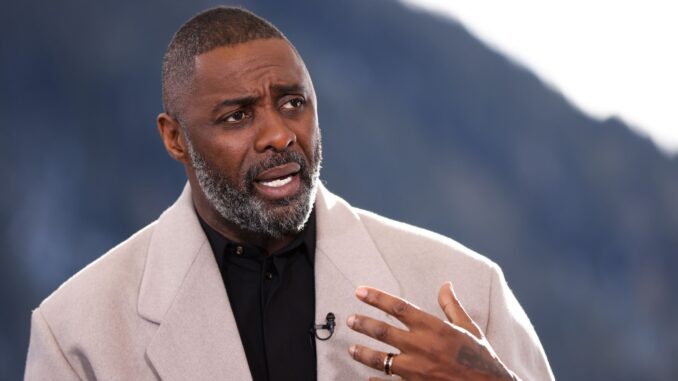

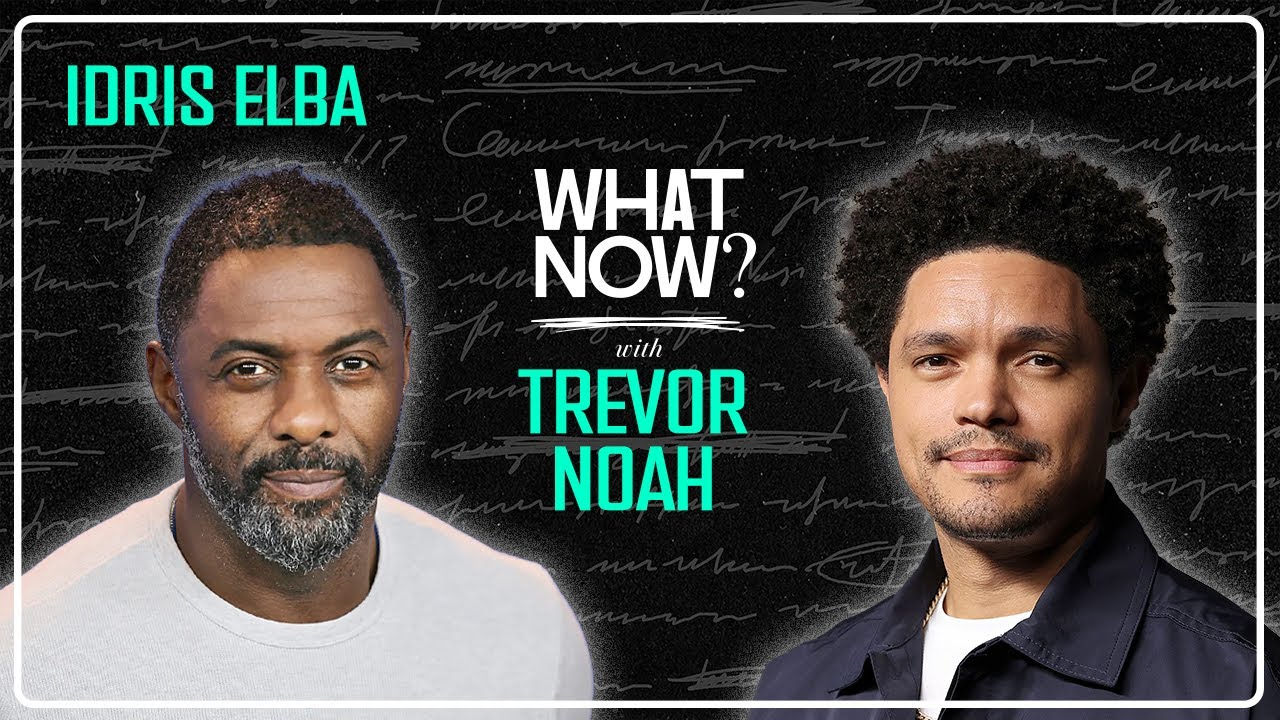
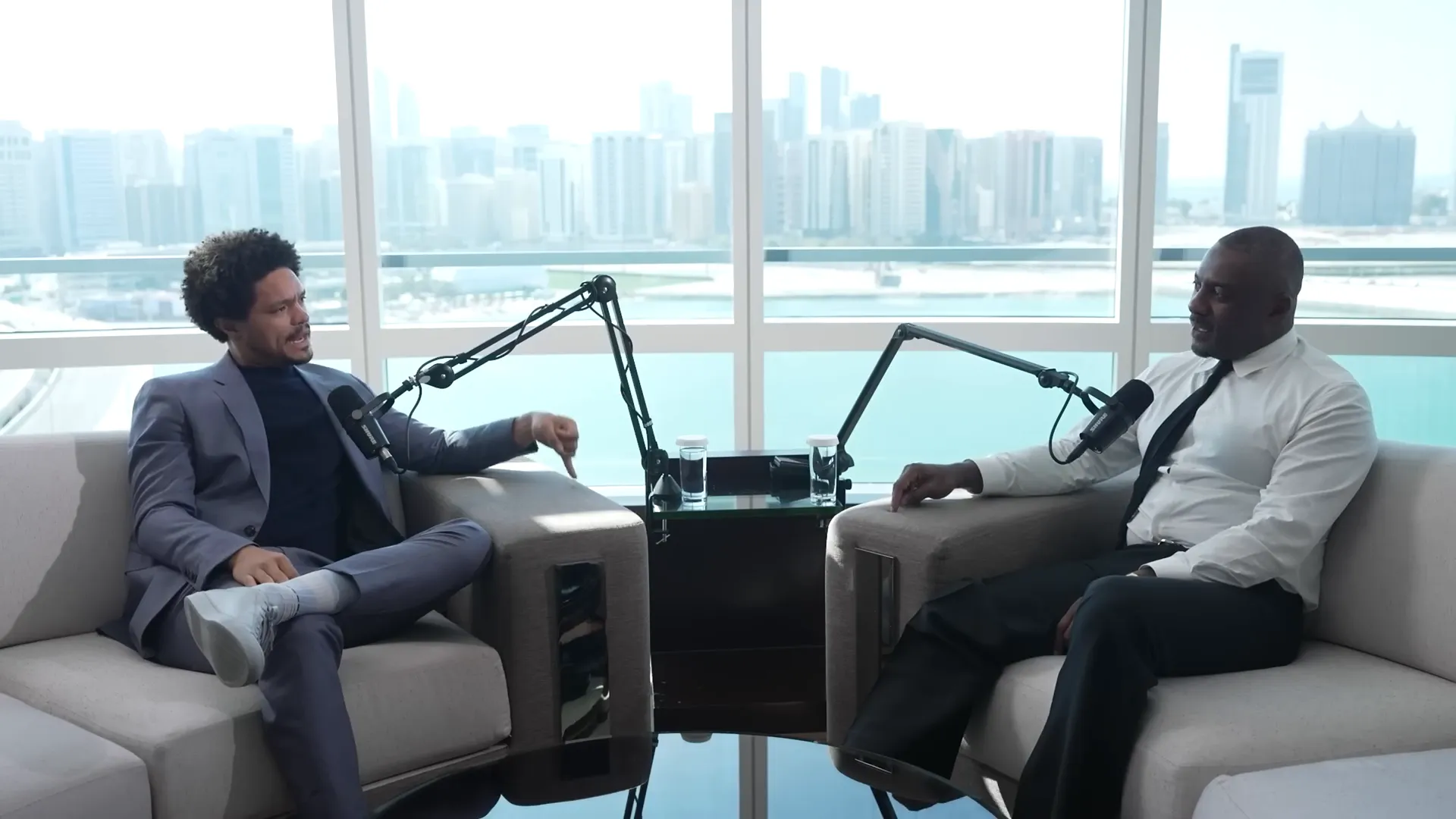
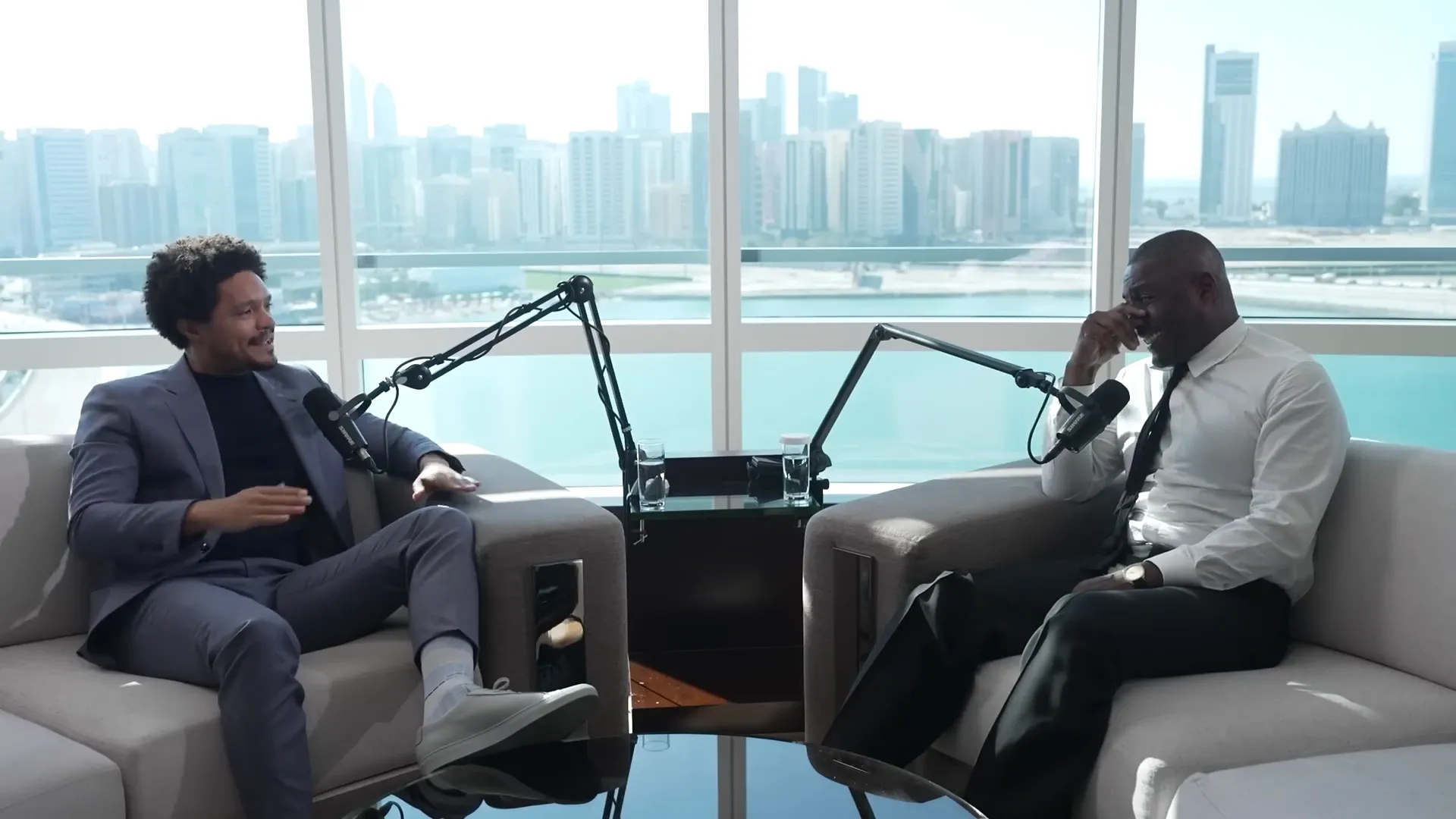
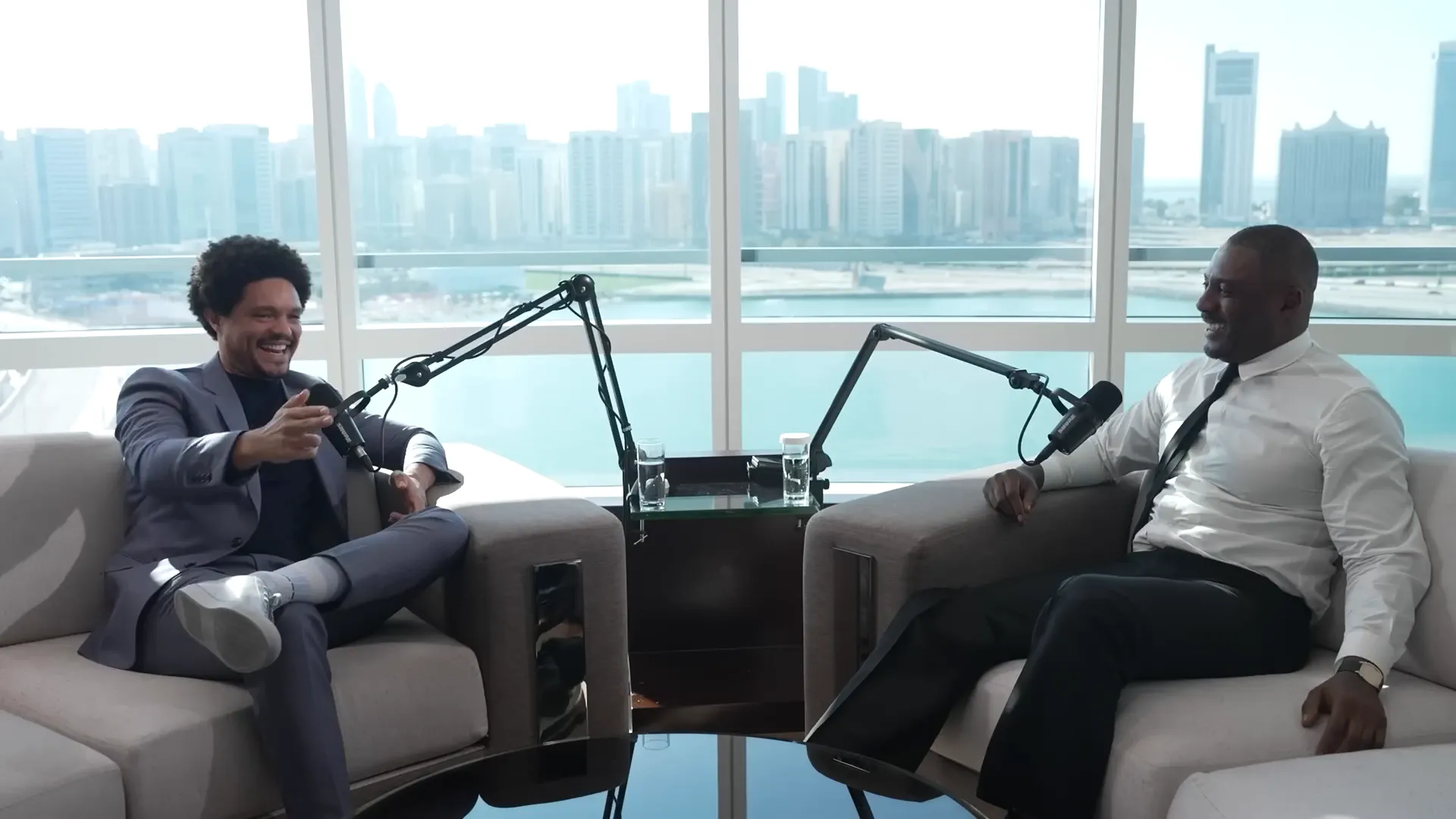
In a re-release episode of What Now? with Trevor Noah, Trevor Noah sits down in Abu Dhabi with Idris Elba — actor, director and DJ — for a wide-ranging conversation about career risks, identity, craft and a dream to help build Africa’s film industry. This article summarizes the highlights of their talk and pulls out memorable moments, insights and anecdotes from one of the warmest interviews Trevor has done.
Opening: Miles, airports and unexpected late-night energy
The episode opens with Trevor joking about Idris’s jet-lag and the surreal feeling of finding himself in a hotel room in Abu Dhabi, talking to one of Hollywood’s most versatile performers. Idris confesses that airports make him anxious, which sets a relaxed, candid tone for the rest of the conversation.
From SAG Awards to the fragility of the industry
Trevor congratulates Idris on his hosting at the SAG Awards. Idris is modest — he wasn’t meant to host but ended up with extra segments — and Idris praises Trevor’s ability to command a room with impeccable comic timing. The conversation quickly pivots to something more serious: how the recent strikes reminded actors that they are workers whose rights can be fragile.
“We’re called actors, called superstars… but we’re workers.” — Idris Elba
They agree that the strikes were a harsh reminder that fame does not insulate artists from industry-wide vulnerabilities, and that unions and collective action mattered.

The Wire, serendipity and the power of “no”
Idris recounts the now-famous audition story for The Wire. He auditioned for weeks in an American accent and, in the fourth audition, producers asked the question every immigrant dreads: “Where are you from?” When Idris answered “East London,” the room erupted — and he landed the role of Stringer Bell.
“I didn’t know my character was gonna die, until we got the episode.” — Idris Elba
That sudden pivot — from penniless in New York to household name — taught him the importance of saying “no” to typecasting. After The Wire, offers came in as gangster roles; Idris made a conscious decision to refuse the easy path and preserve his range.
Moving to America: the grind, the accent and the DMV
Arriving in the U.S. with limited savings, Idris spent two years largely unemployed — bartending, DJing, working doors — and slowly absorbed accents and mannerisms by living the life. Trevor teases him about the DMV as the ultimate sign of becoming “American,” and Idris agrees: getting a license felt like a rite of passage.
Identity: DNA tests, roots and belonging
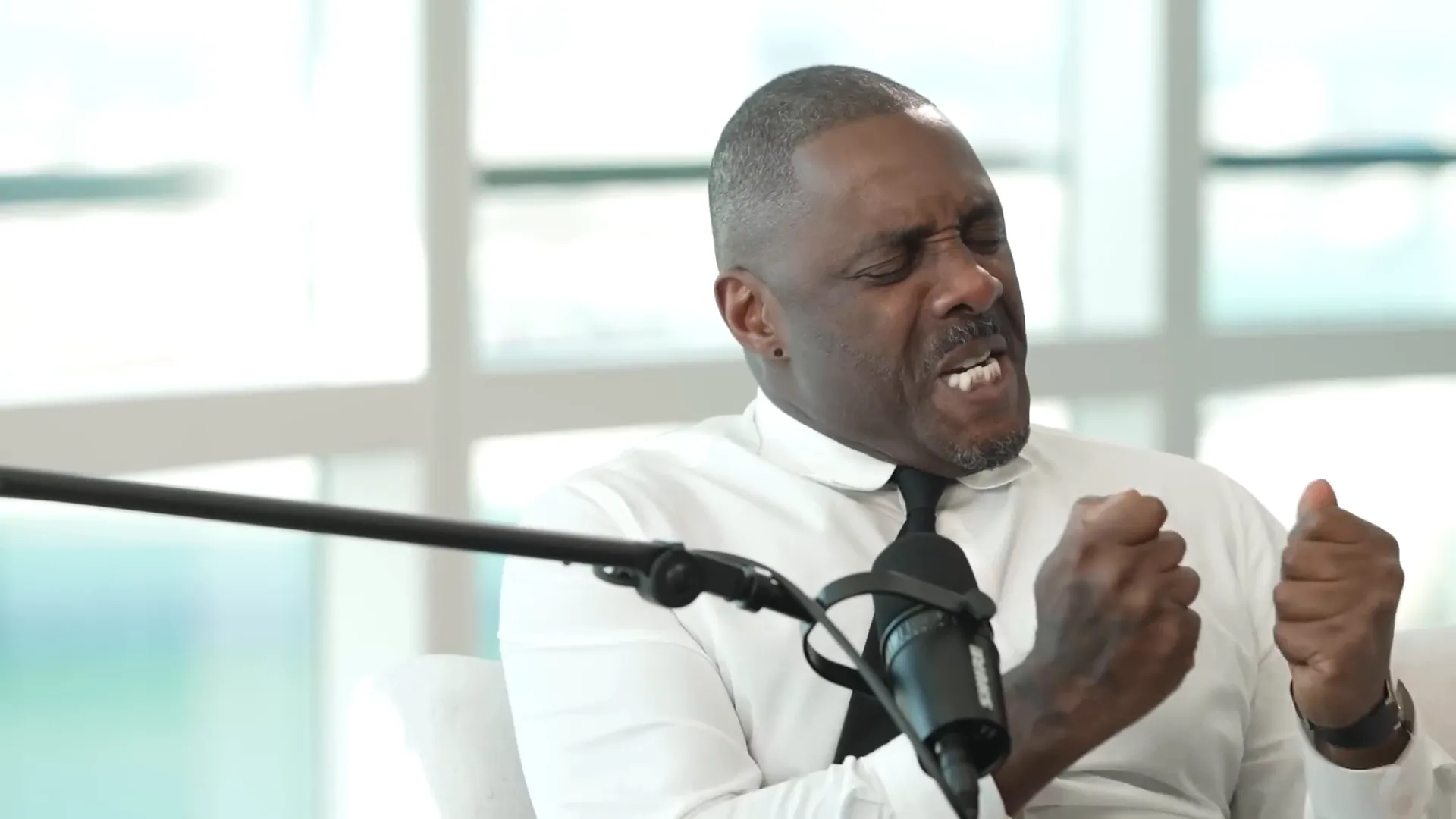
Trevor and Idris dig into ancestry. Idris shares that his mother was born in Ghana and his father is from Sierra Leone. He took DNA tests around age 29 — the results were a broad map of West and Central African heritage — and those results deepened his sense of belonging to the continent.
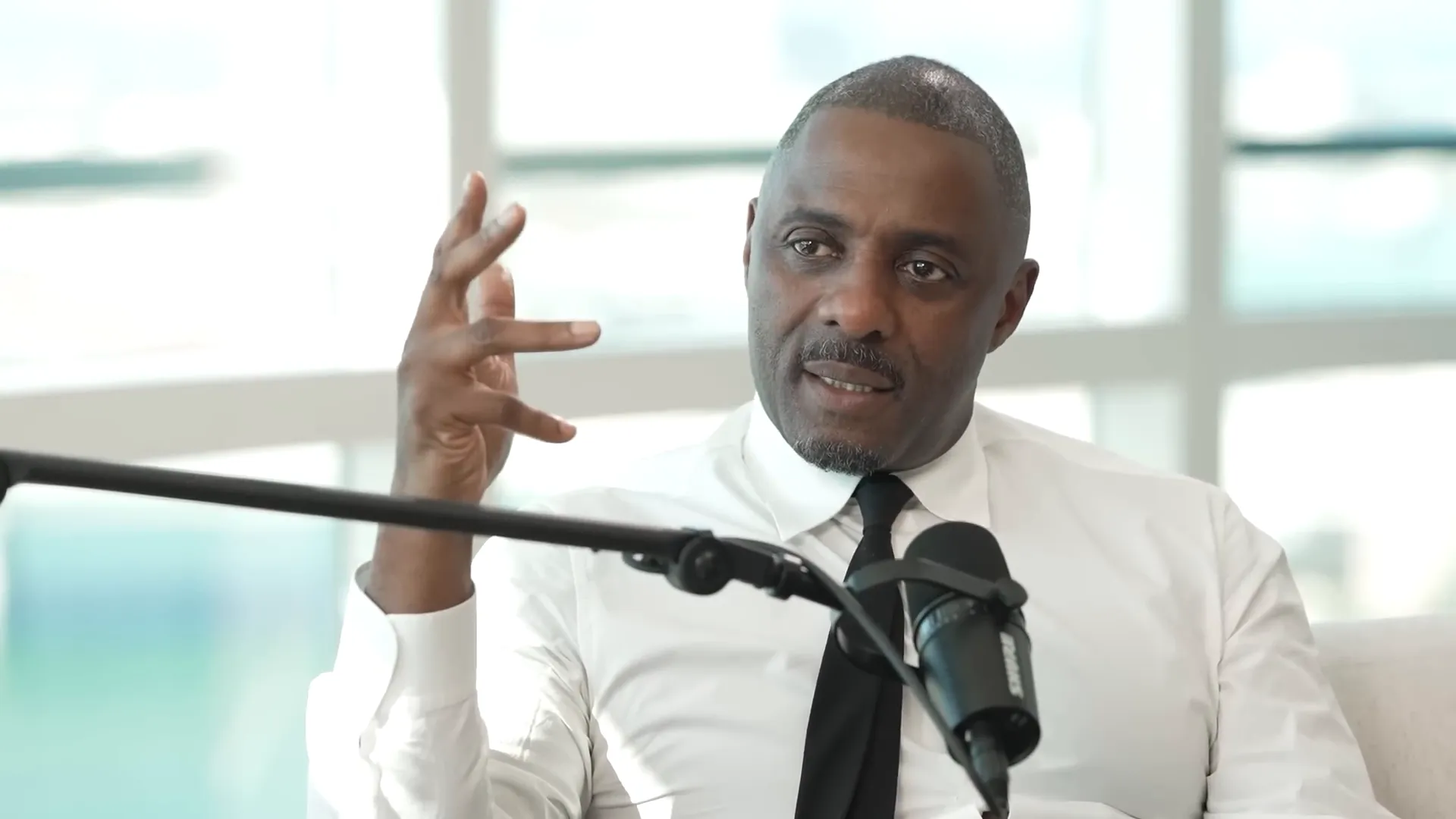
This revelation changed how he thought about who he represents on screen and off. It also influenced how he approached the highly scrutinized role of Nelson Mandela.
Playing Nelson Mandela: skepticism, rehearsal and reward
When news broke that Idris would portray Nelson Mandela, reactions in South Africa were mixed — some skeptical that a West African–born actor could carry Madiba. Idris admits he worried about boos when filming a Soweto scene. Instead, after that first take, he and the crowd were moved to tears.
“I was in tears. Practically, the first five rows of people were in tears with me.” — Idris Elba
That moment crystallized for him the complexity of identity in acting: who has the “right” to play a role and how performance can ultimately connect people across origins.
Accents, impressions and the craft of inhabiting a role
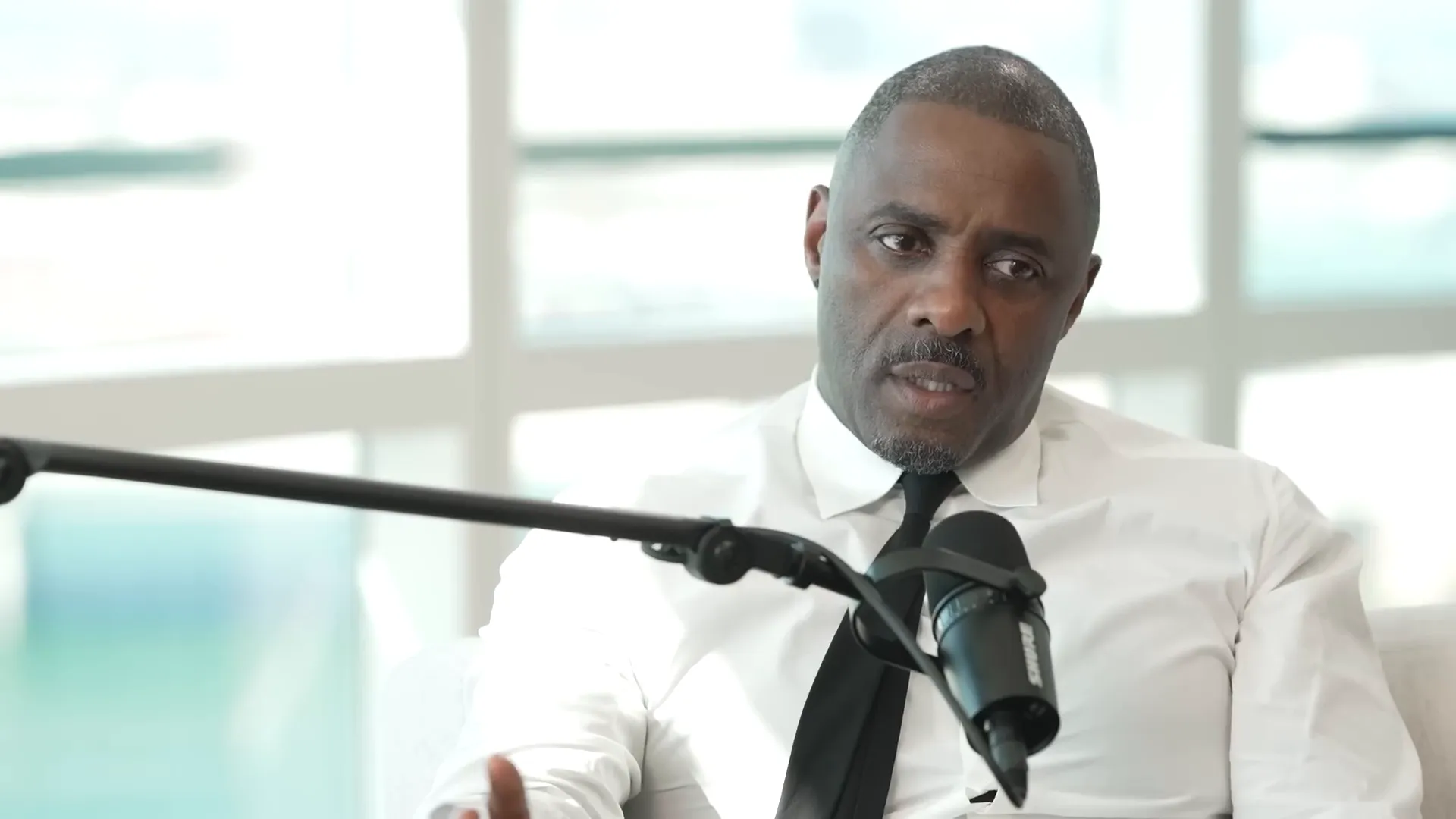
Accents are more than technical exercises for Idris; they are lived experiences. Trevor praises his American accents and impressions (even teasing a perfect De Niro), while Idris explains that accents stick only when he’s living them during production. He jokes that he still uses Mandela to find his Barack Obama impression — a playful nod to the deep vocal and emotional work actors do.
The toll of intense roles — and how Idris recovers
Playing characters who undergo trauma — like Luther — takes a physical and emotional toll. Idris stresses that actors’ bodies often don’t know they’re “just acting.” To return to himself, he relies on therapy, creative outlets and deliberate self-care.
- Therapy and mental health practices
- DJing and music as restorative rituals
- Philanthropy and family time to re-anchor identity
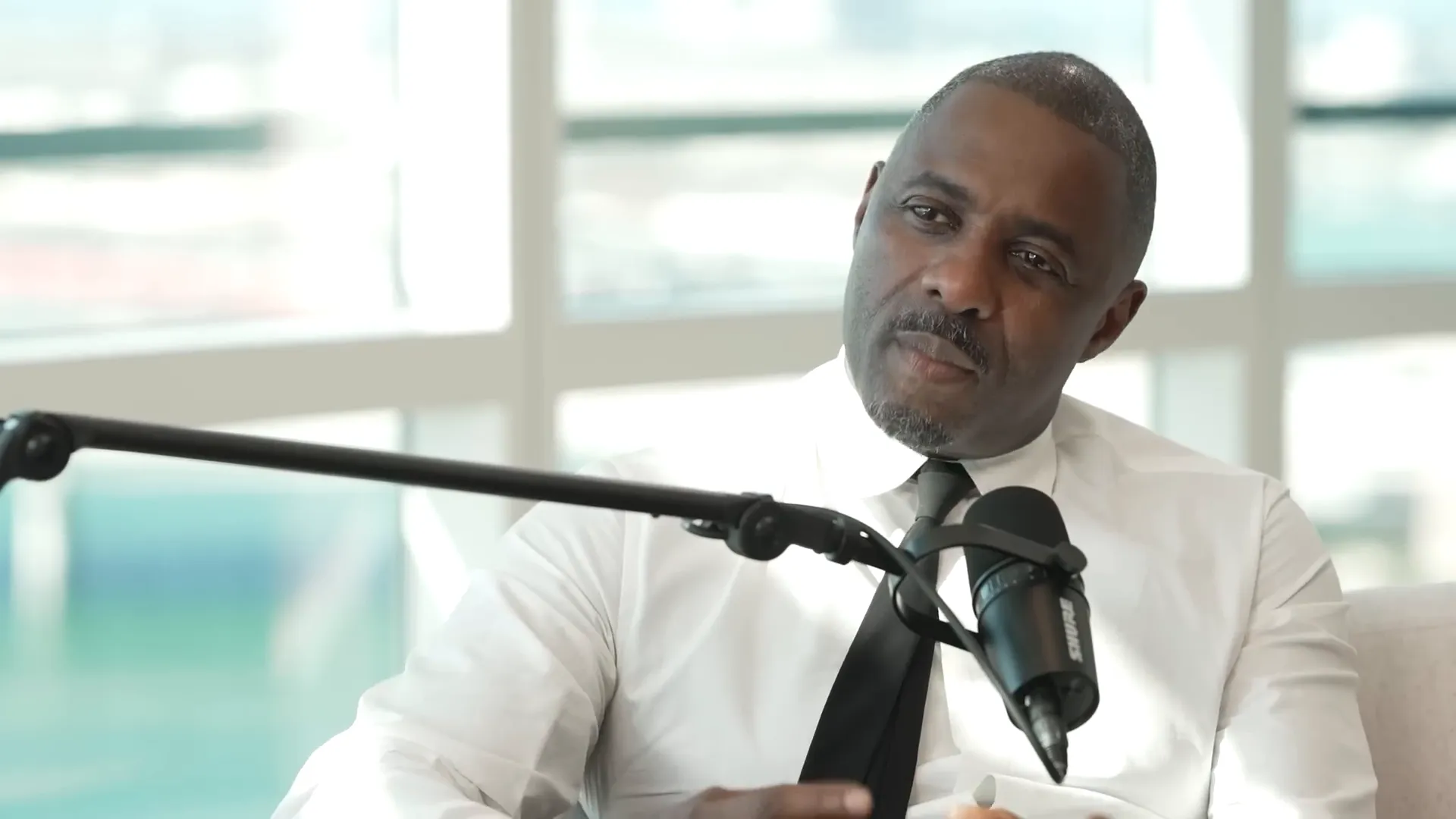
Idris the DJ: why music matters
Long before global movies, Idris was a teenager with crates of records. He started DJing at 13 on belt-drive turntables, and the crowd energy — that single moment when a mix lands and a room responds — became part of what sustains him.
DJing is therapy, recharge and a craft that demands instant feedback: the same instinct that makes a room laugh with one gesture is what draws Idris back to the decks.
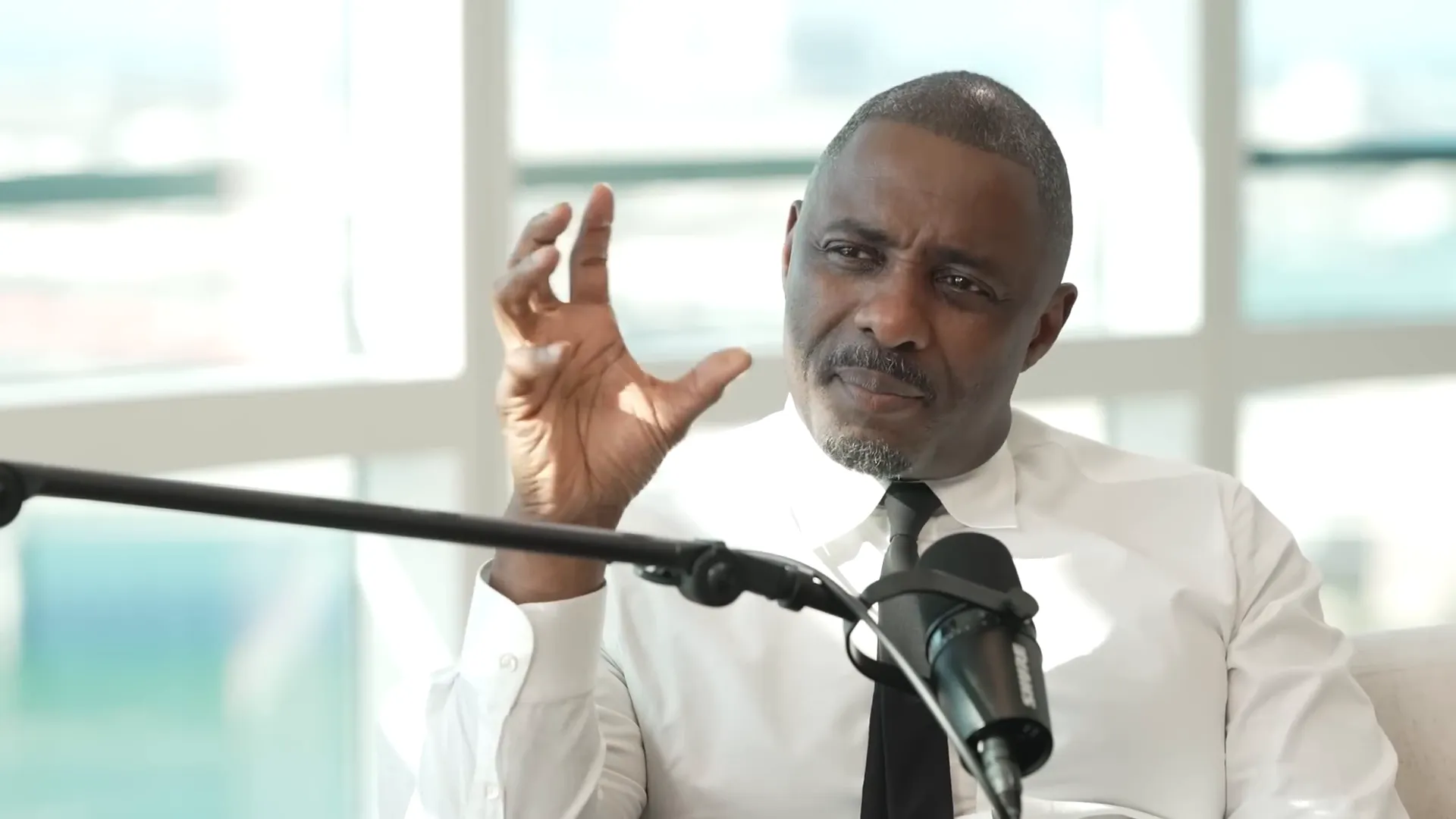
Where Hollywood is headed — and Africa’s enormous opportunity
Idris and Trevor agree the entertainment industry has changed dramatically in the last decade. Digital platforms expanded access, but new metrics and niches make it rare for a single actor to dominate an entire generation. That fragmentation, Idris believes, creates both challenges and opportunities.
His excitement centers on one massive, underbuilt market: Africa. With a population of roughly 1.4 billion and only a few thousand cinemas, the continent is ripe for investment in studios, streaming platforms, storytellers and stars. Idris wants to be foundational in that growth — producing, directing and partnering to build an industry that can tell African stories for global audiences.
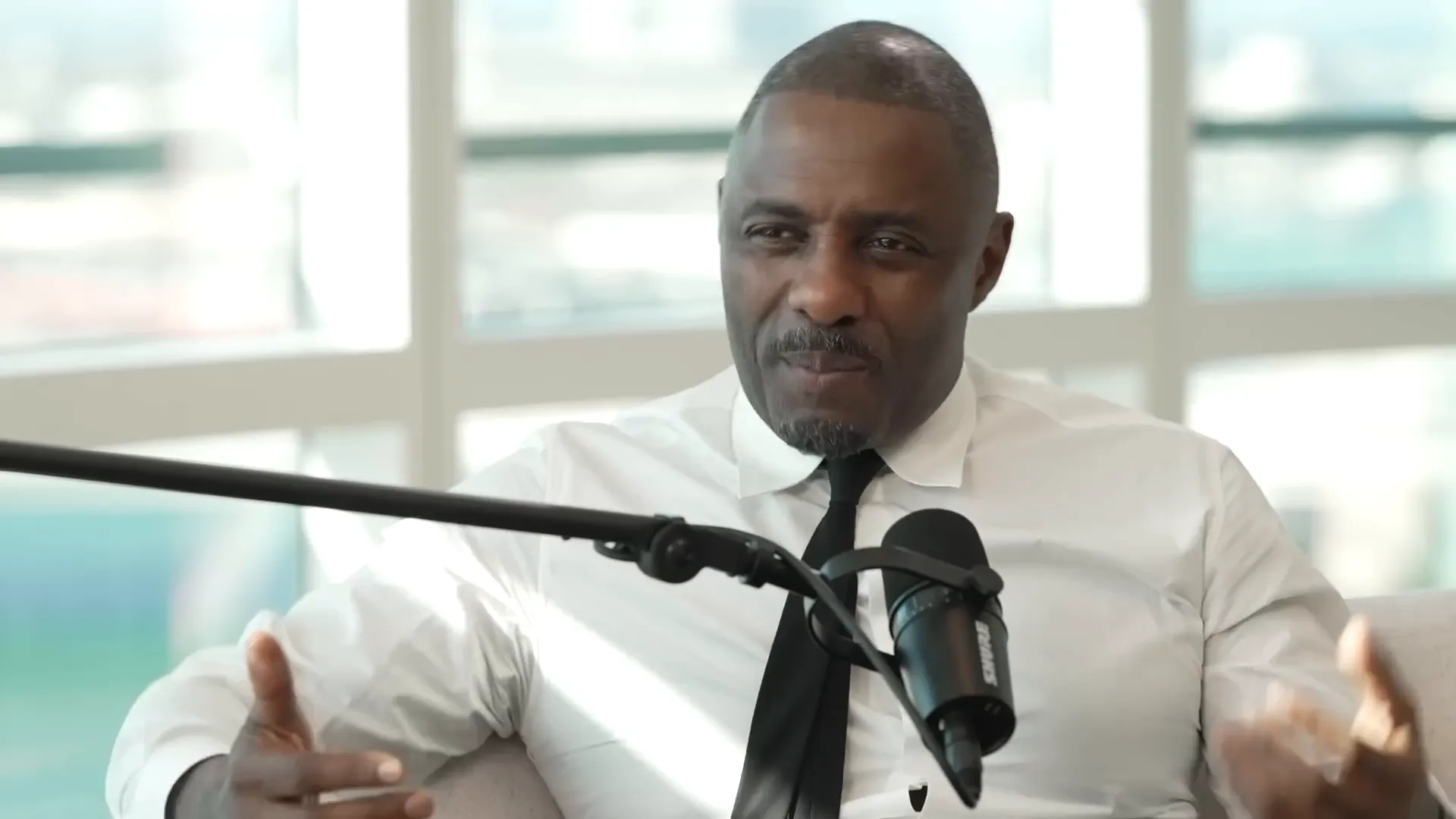
What now? Idris’s dream for the next decade
If Idris could wave a magic wand, he’d be at the heart of Africa’s film-industry buildout: helping studios rise, supporting African streaming companies, developing producers and sending homegrown stories to the world. He sees Afrofuturism’s success (for example, the impact of Black Panther) as a sign of what’s possible.
“There’s one point four billion people there, and there’s four thousand cinemas. How are we getting our stories?” — Idris Elba
He closes the interview with a playful pitch to Trevor: one day they should make a movie together — a buddy comedy of two Mandelas, perhaps — underscoring the warmth and humor that threaded the conversation.
Key takeaways
- Saying “no” can be as powerful as saying “yes” — it protects range and artistic integrity.
- Identity is layered: birthplace, ancestry and lived experience all shape how an actor shows up.
- Acting can physically affect performers; recovery requires intentional self-care and creative outlets.
- Africa represents one of the largest untapped markets in global film — investing there could reshape storytelling.
Credits and where to find the episode
This article is based on an episode of What Now? with Trevor Noah. For the full conversation, visit Trevor Noah’s YouTube channel
Original episode re-released on 02/29/2024. Hashtags related to the episode include: #TrevorNoah #IdrisElba #WhatNowPodcast
Further reading / viewing:
- Listen to the full episode to hear the full laugh-out-loud moments, accents and improvisations.
- Explore Trevor Noah’s channel for more conversations about culture, identity and the arts.

Be the first to comment