


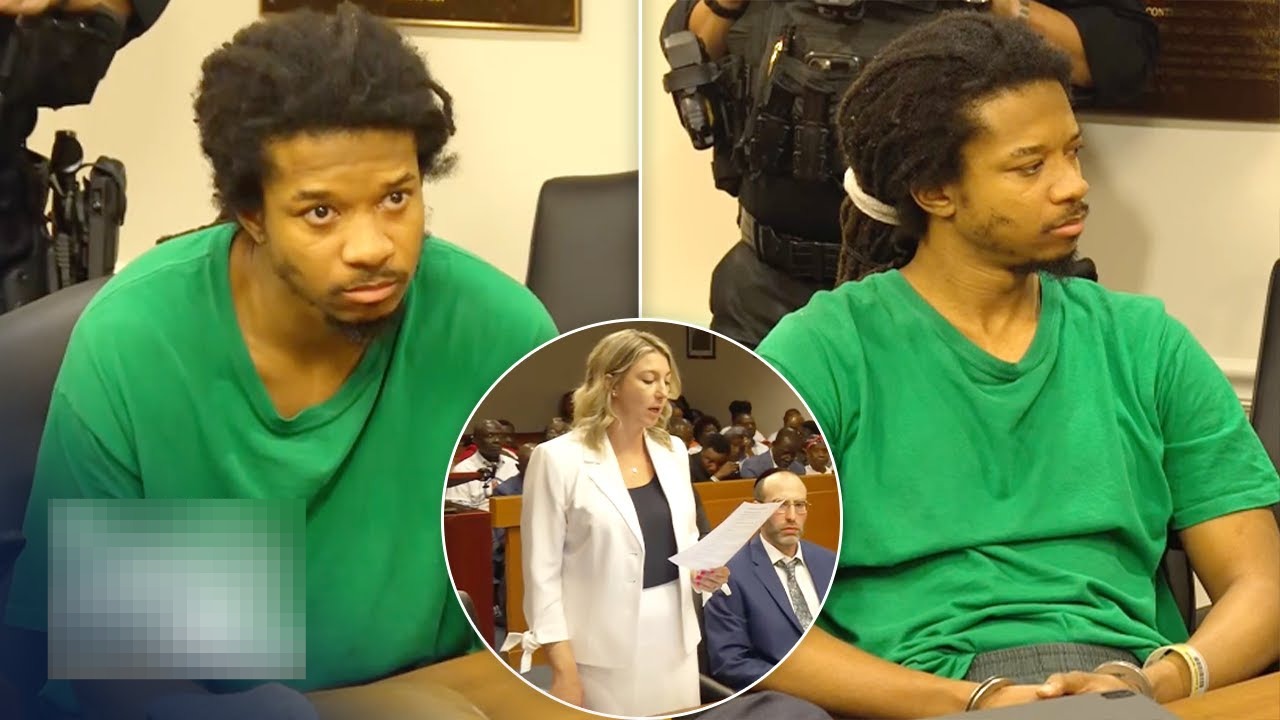
Law&Crime Trials covered the sentencing hearing for Rashid Bynum, who was convicted in the fatal shooting of 30‑year‑old Eunice Dwumfour. In a courtroom packed with grief and testimony, family members, friends, and community leaders asked the judge to consider the full weight of the loss when fashioning a sentence. For more courtroom coverage from the creator, visit: https://www.youtube.com/channel/UCXCLaaClAWQiTkl3pw9ZdLw
Overview of the Hearing
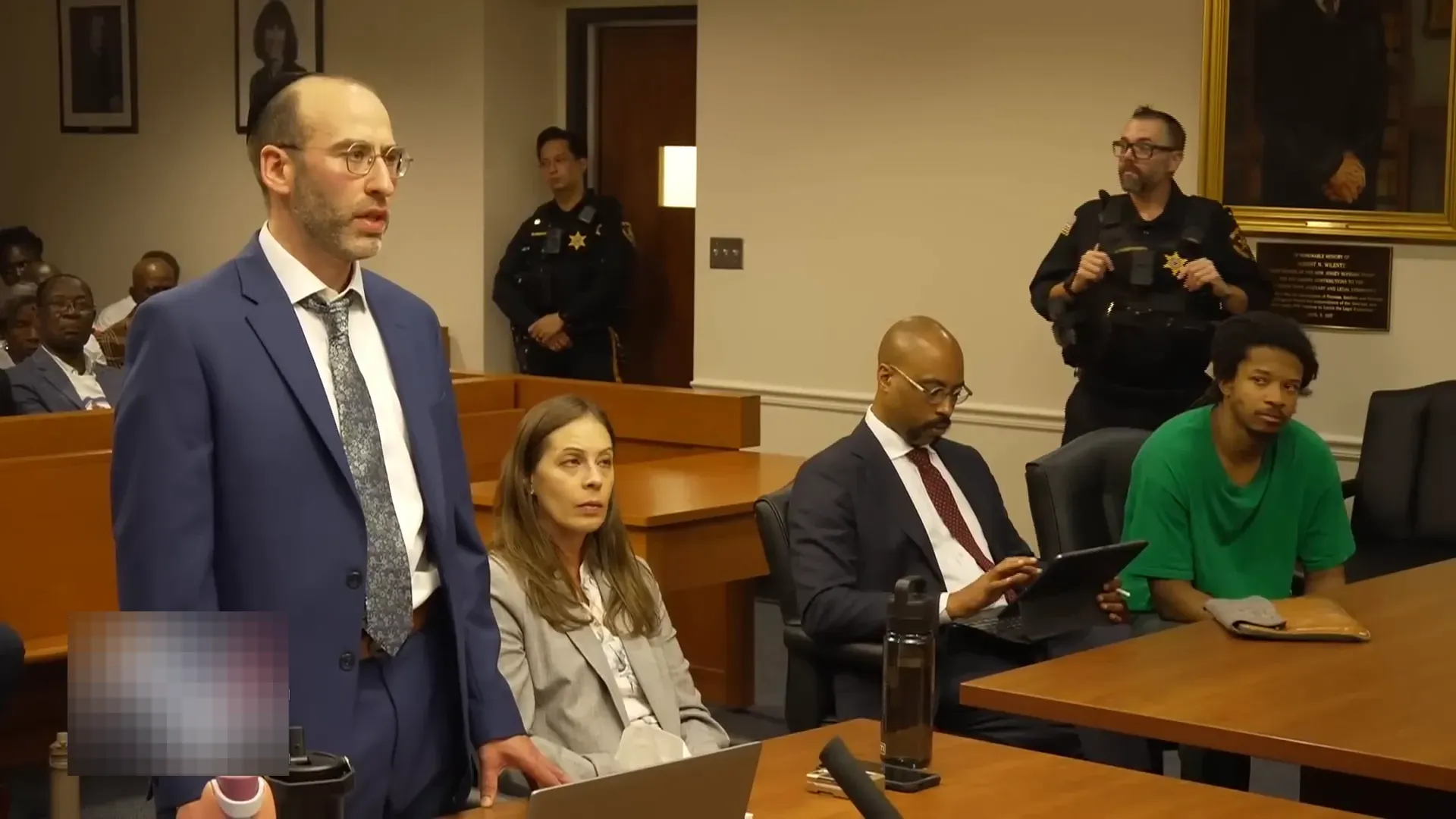
The hearing centered on victim impact statements submitted as letters to the court and read aloud by the state. Those letters painted a portrait of Eunice as a deeply committed public servant, a loving wife and mother, and a leader in her church and community. Speakers emphasized the irreversible damage caused by her death and urged the judge to impose the maximum sentence available under the law.
Voices from the Family: Pain, Faith, and Resolve
Family members addressed both the personal devastation and the moral dimensions of the crime. Eunice’s mother conveyed the rawness of her grief and expressed gratitude to investigators, prosecutors, and the community for their support. She described losing her daughter as “like a dagger cutting my heart apart” and asked the defendant to repent, invoking both earthly justice and spiritual accountability.
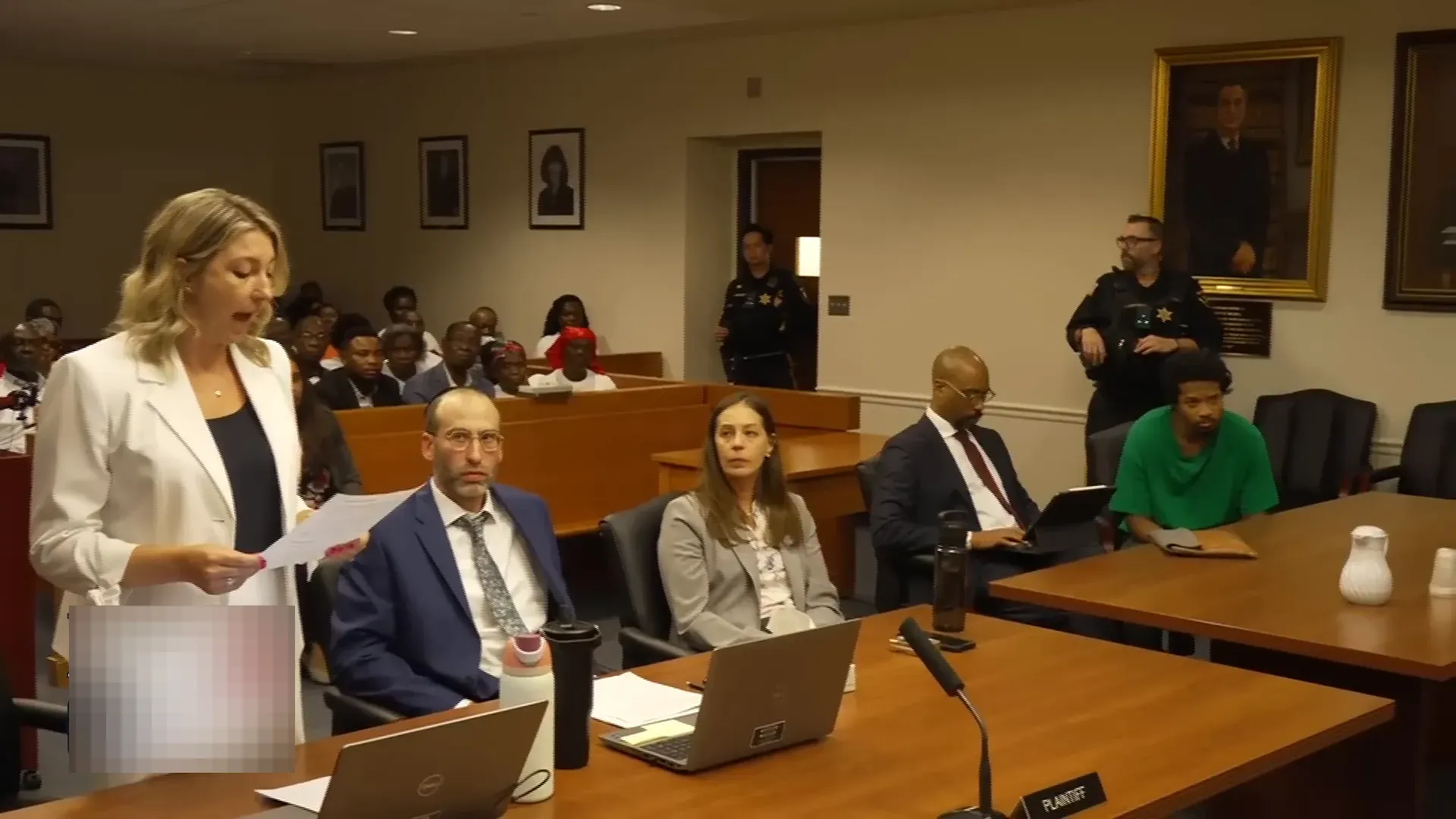
The victim’s daughter, present in the courtroom, described Eunice as “my friend and my everything” and asked why such violence could happen to someone so kind and gentle. She vowed not to yield to hatred but warned that the emotional burden of the loss would remain with the defendant.
“You will be remembered for what you did. She will be remembered for who she was.”
Sibling and Extended Family Testimony
Letters from Eunice’s siblings and uncle reinforced the same themes: a community and family permanently altered by the loss. Her uncle asked the court to impose the harshest sentence available, arguing that such punishment would both protect the public and send a strong message to those who would commit similar acts.
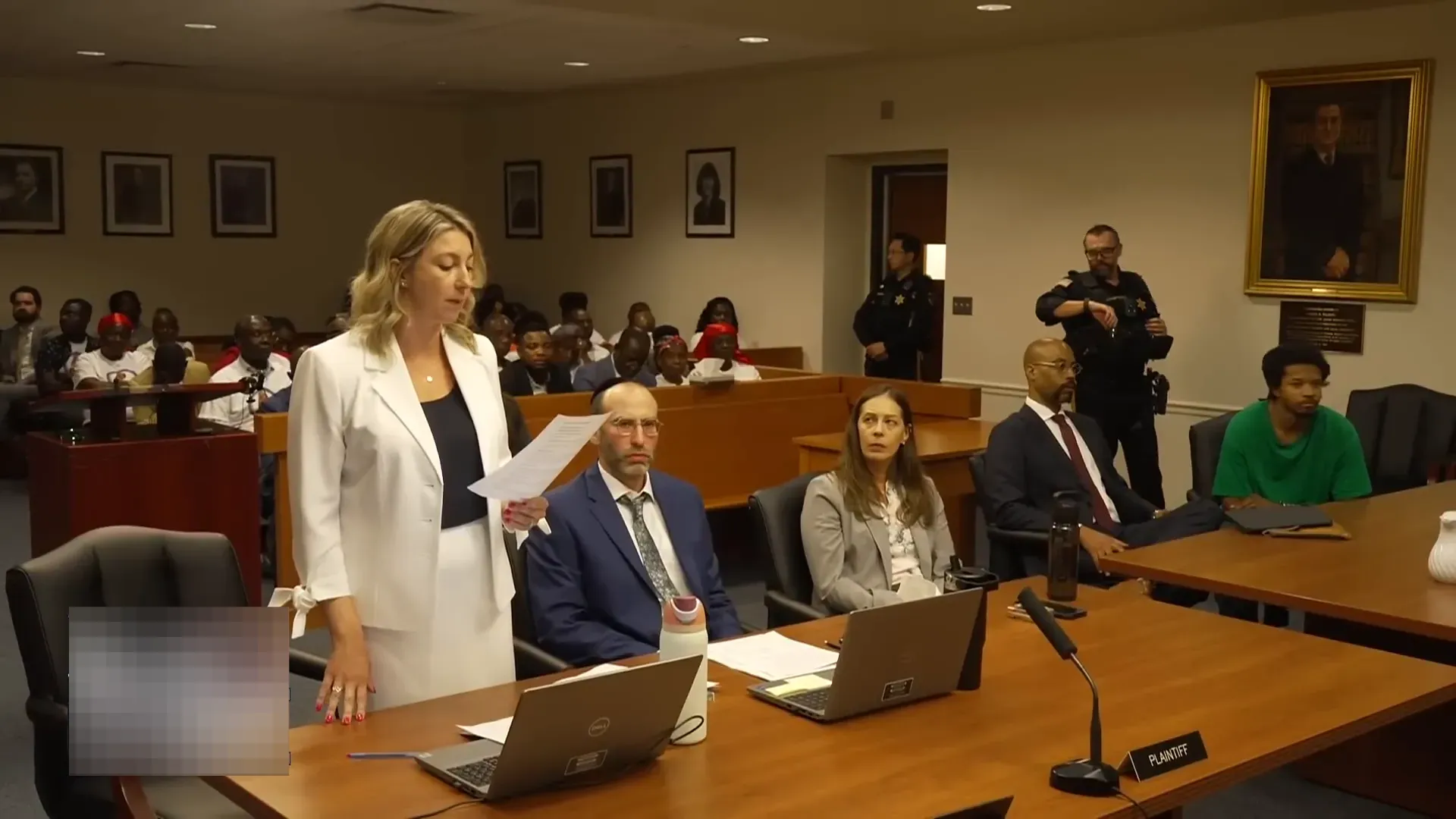
“We do not get parole from this grief. We do not get early release from this pain.”
Community Leaders and the Church
Pastors, former church elders, and members of Eunice’s congregation described her as a devoted servant whose faith and public service inspired others—especially young people in the immigrant community who saw in Eunice an example of civic engagement.
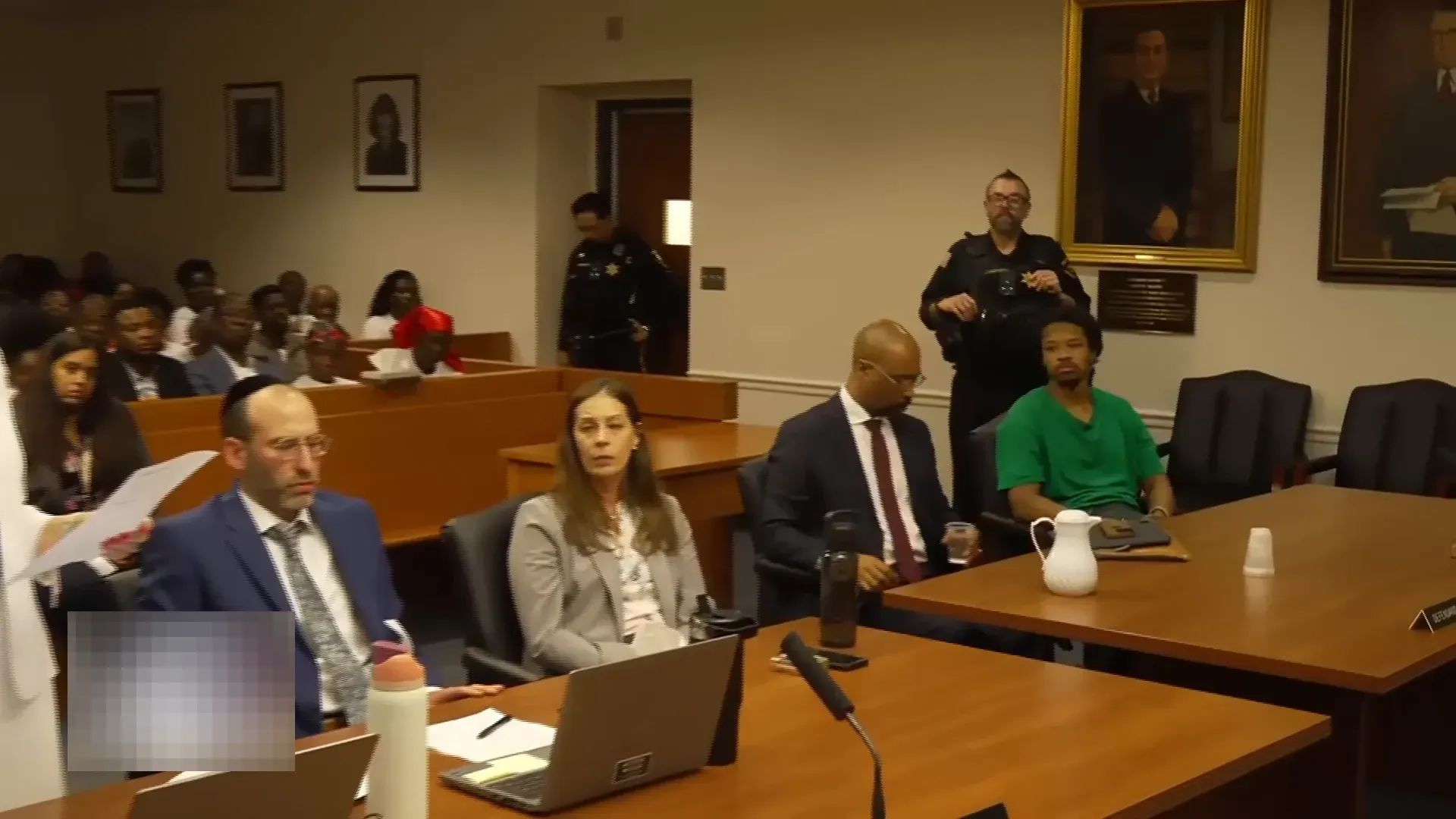
One church leader recalled the moment the congregation learned of the killing and highlighted Eunice’s role mentoring youth, counseling parishioners, and encouraging civic participation. Several letters stressed that her death left a hole in community leadership and trust.
“Her light may have been extinguished, but the memory of her love, service, and strength must be honored for justice.”
The Ask: Sentencing and Justice
Across the statements, a consistent legal request emerged: that the judge impose the maximum sentence permitted by law. Family and friends framed that request as both a pragmatic protection for others and a moral affirmation of Eunice’s life and contributions.
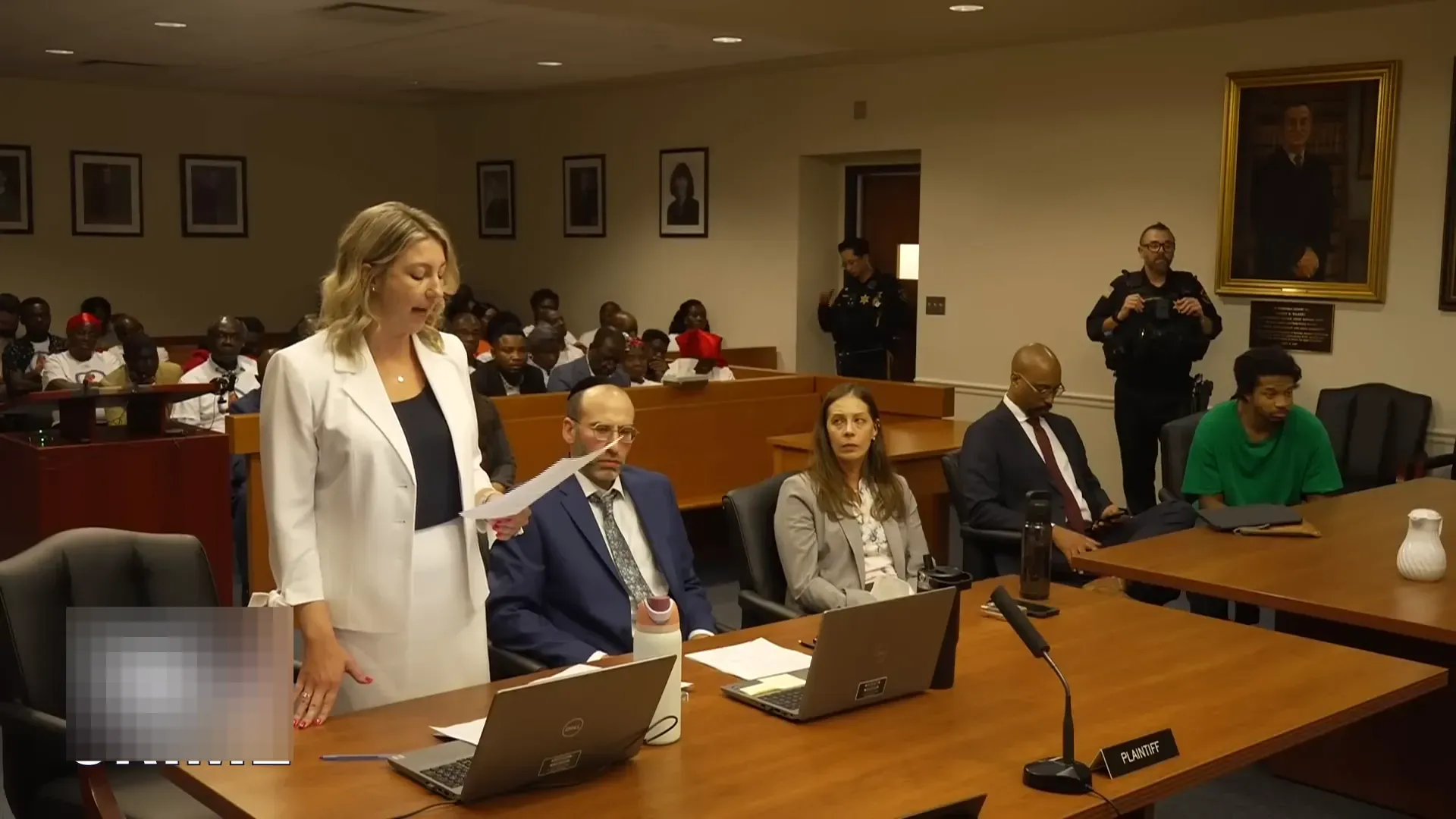
Writers of the letters emphasized how Eunice’s daughter will grow up without her mother, how her husband will live as a widower, and how holidays and daily life for those who loved her will forever be shadowed by her absence. They asked the court to weigh those lasting harms in determining punishment.
Legacy: How Eunice Is Remembered
The statements combined to present a clear image: Eunice Dwumfour was a public servant, faith leader, and beloved family member whose life influenced people across civic and religious spheres. The recurring theme was that her legacy is one of service, kindness, and leadership—qualities that those who read her letters pledged to carry forward.
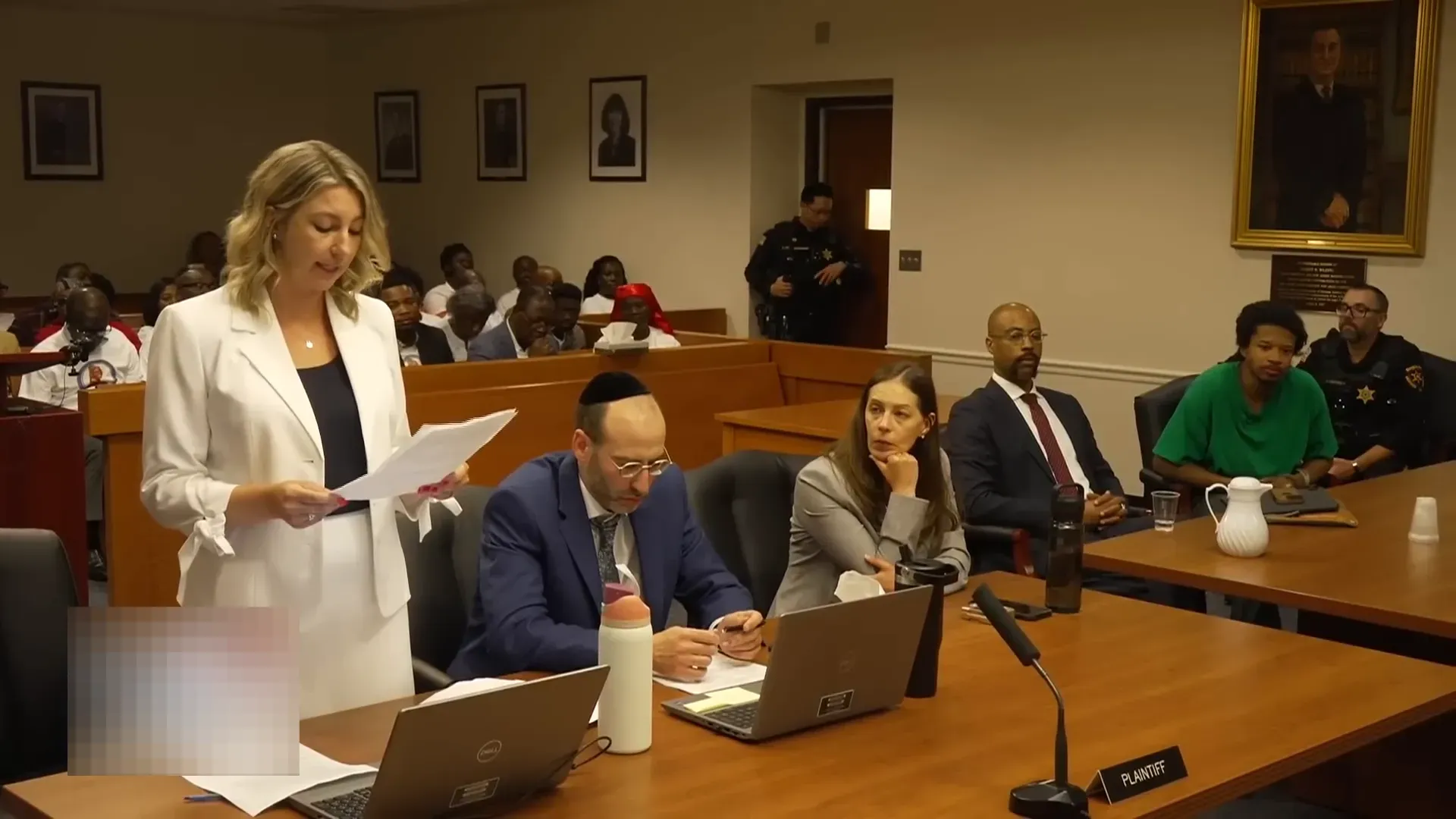
Speakers repeatedly stressed that no sentence can restore life or erase the pain, but a strong sentence would affirm the value of Eunice’s life and signal that such violent acts will not go unanswered.
Conclusion
The courtroom hearing made clear how one violent act reverberates through family, faith communities, and civic life. Through a series of heartfelt letters, Eunice’s loved ones called on the justice system to respond firmly while also appealing to higher moral and spiritual reckonings. Their testimony combined gratitude for investigative work, a plea for accountability, and an insistence that Eunice’s life be honored in law and memory.
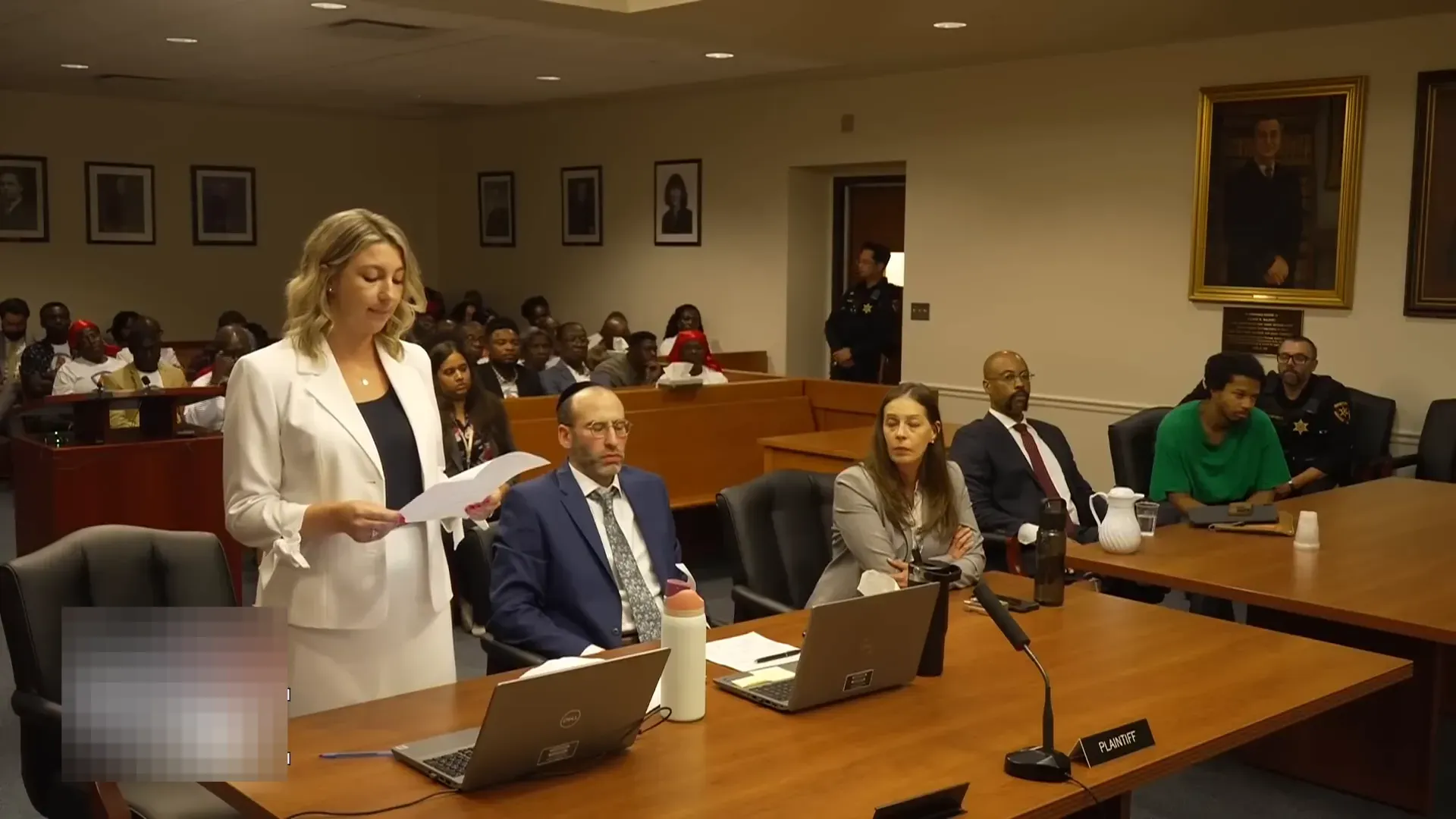
Watch the Full Courtroom Coverage
For the complete hearing as covered by Law&Crime Trials, visit their channel: https://www.youtube.com/channel/UCXCLaaClAWQiTkl3pw9ZdLw

Be the first to comment