
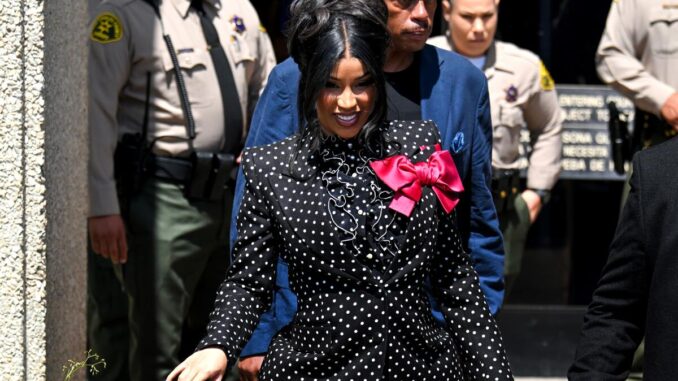

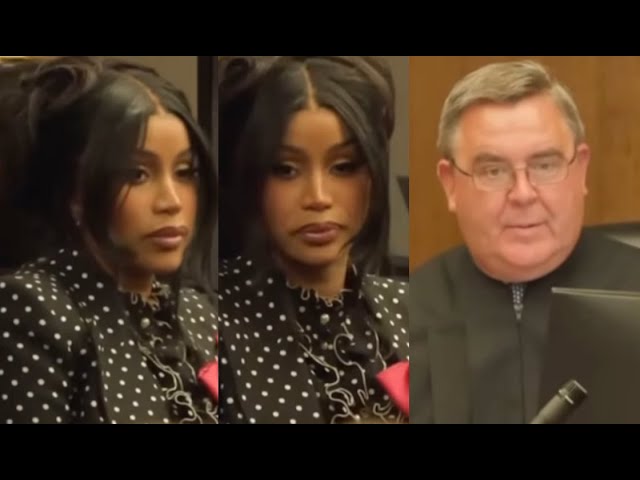
This article summarizes coverage from legal journalist Meghann Cuniff on a Los Angeles County civil trial in which a jury found that plaintiff Emani Ellis did not prove claims against rapper Cardi B, whose legal name is Belcalis Almanzar. For the original coverage and video, credit goes to Meghann Cuniff — her channel: https://www.youtube.com/channel/UCOHIOF-rFAeLOnH0ri5F62g
Case background
The dispute arose from an alleged 2018 incident at a medical center where Emani Ellis, who worked security at the facility, claimed Cardi B scratched her face with a long fingernail during an altercation while Cardi B was at the clinic for a pregnancy checkup. Ellis brought civil claims against Belcalis Almanzar alleging assault, battery and intentional infliction of emotional distress, among other theories. The matter was tried in the Superior Court of California, County of Los Angeles under case number STCV07031.
The jury’s verdict — an overview
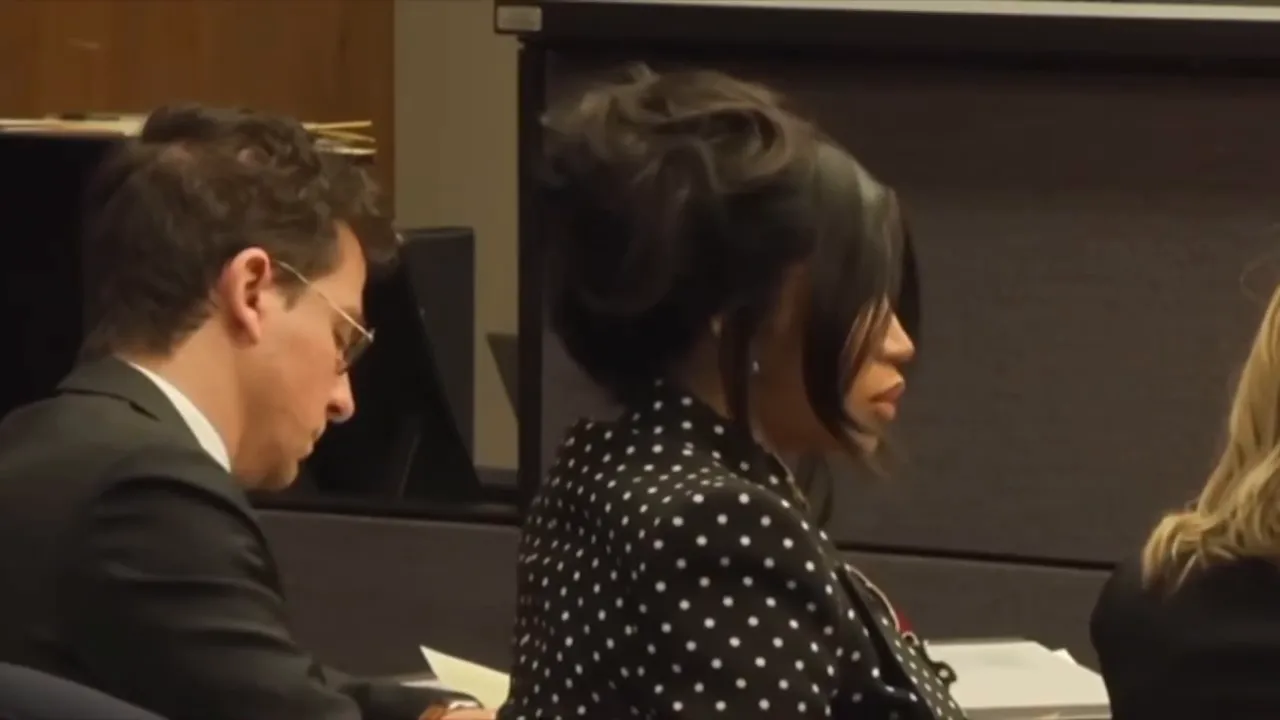
A jury returned a unanimous verdict on September 2, 2025, answering the court’s special verdict questions. The jury determined that Ellis had not met the burden of proof on the key claims presented at trial. The foreperson who signed the verdict was identified as George Ulola.
What the jury found
- Battery: The jury answered “No” to the question whether Ellis proved all elements of battery — that Almanzar intentionally touched Ellis in a way that harmed or offended her, without consent, and that a reasonable person in Ellis’s position would have been offended.
- Assault: The jury answered “No” to the question whether Ellis proved the elements of assault — including intent to cause harmful or offensive contact, a reasonable belief by Ellis that such contact was imminent, lack of consent, and causation of harm.
- Intentional Infliction of Emotional Distress (IIED): The jury answered “No” on IIED, finding Ellis did not prove extreme and outrageous conduct that was a substantial factor causing severe emotional distress.
- Negligence: The jury answered “No” to negligence, concluding Ellis did not prove Almanzar was negligent and that any negligence was a substantial factor in causing physical harm (rather than only emotional distress).
- Punitive damages: Since the jury answered negatively on the underlying liability questions, they also answered “No” on related punitive damages questions.
Unanimity and formalities
The court confirmed with the foreperson that the answers were unanimous across all submitted questions. Jurors individually confirmed unanimity for each numbered question before the verdict was officially recorded by the clerk.
Judge’s remarks and juror release
Presiding Judge Ian C. Fusselman thanked the jurors for their service and attention, noting the high quality of their participation:
“I know that you’ve paid a great deal of attention throughout the matter, which was especially evidenced by the questions that you did submit.”
The judge formally relieved jurors of the admonition not to discuss the case and provided guidance about interactions with the parties and the press. He emphasized that jurors may choose whether or not to speak with anyone, they may pass by media waiting outside, and they should be respectful of fellow jurors’ views if they do speak. The court also reminded jurors that any unwanted or harassing contact could be reported so the court could intervene.
What this result means
With the jury answering “no” to all the key liability questions, Emani Ellis did not prevail in her civil claims against Belcalis Almanzar. The verdict closes this particular civil proceeding unless the parties pursue post-trial motions or an appeal. The jury’s decision reflects the high burden of proof in civil litigation — that the plaintiff must prove each element of the asserted claims by a preponderance of the evidence.
Where to find the original coverage
For the original courtroom video and more legal reporting from the author, visit Meghann Cuniff’s YouTube channel: https://www.youtube.com/channel/UCOHIOF-rFAeLOnH0ri5F62g


Be the first to comment