


Copyright strikes and community strikes have surged, and the consequences for creators are real. Tyler Chou, a former entertainment attorney with senior roles at Disney, Skydance, and BuzzFeed who now advises creators, walks through what creators need to know to prevent disasters and to respond when things go wrong.
The new reality: strikes are increasing and YouTube often steps back
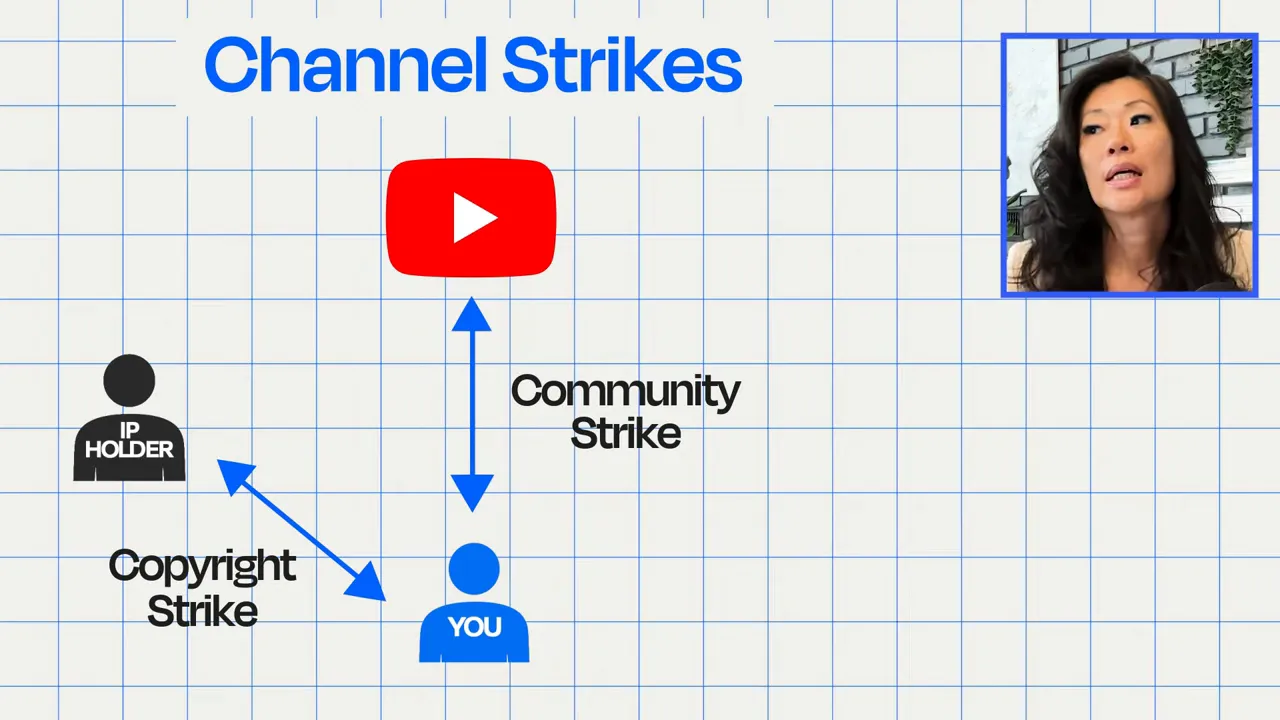
Creators are waking up to severe consequences. Strikes fall into two categories: community guideline strikes and copyright strikes. Community guideline strikes are YouTube enforcing its own terms of service. Copyright strikes are complaints brought by intellectual property holders against creators who used their content without permission.
Tyler emphasizes that even the most prominent YouTubers can be told to resolve copyright disputes directly with the rights holder. YouTube typically acts as a neutral platform and expects the parties to sort claims out privately. Detection has gotten more aggressive, in part because new functionality and artificial intelligence make identifying potential violations easier than it was a few years ago.
Copyright claims versus strikes: what happens to your revenue and channel
When a rights holder notices their content has been used, they can either file a claim or a strike. A claim commonly redirects revenue to the IP holder. Revenue shares of 30 to 40 percent are not uncommon when music publishers stake a claim rather than remove a video.
A copyright strike is more severe. It sits on the channel for 90 days and contributes to the three-strike rule that can lead to channel termination. Editing or removing the offending clip does not erase the strike immediately. The 90 day counting window is rolling, and strikes expire after their individual 90 day period.
There is an appeals process, but it is imperfect
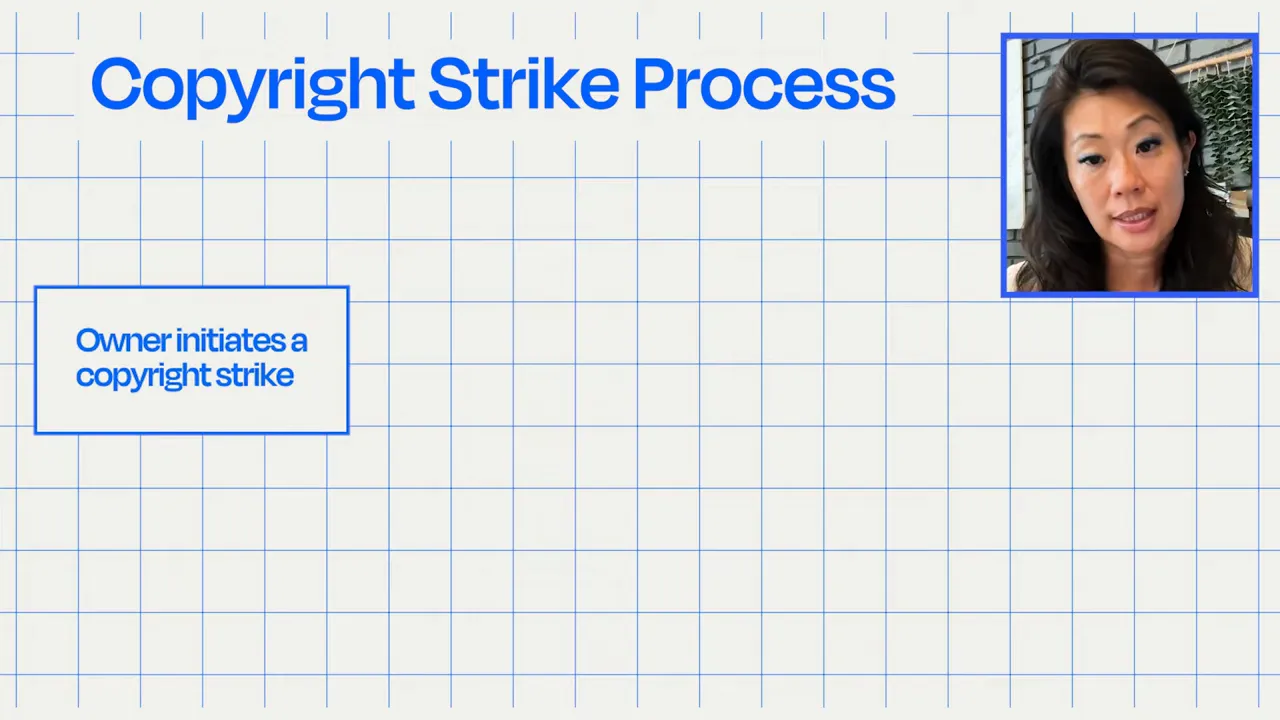
YouTube provides a process: the creator can appeal a strike and the rights holder can submit a counterclaim. If a counterclaim is accepted, the original claimant has 10 days to file a lawsuit to keep the strike in place. That requirement raises the bar, but the process can feel opaque and unstable. Appeals sometimes fail to accept written input due to system quirks, and the outcome can take hours, days, or longer.
How copyright enforcement plays out in practice
Tyler shared a first person example of filing multiple strikes after discovering someone copied her videos. She reported each video individually through YouTube’s copyright portal. The accused creator had the opportunity to counterclaim and would only face real legal risk if the original rights holder were willing to actually sue.
In another example Tyler described, a former employer claimed ownership of videos made by an ex-employee who launched a new channel. The dispute escalated to litigation, but YouTube chose not to reinstate strikes after being notified of the lawsuit. Instead, YouTube kept the videos down until the court resolved ownership, while leaving the channel’s strike history clear.
Fair use: not a magic shield
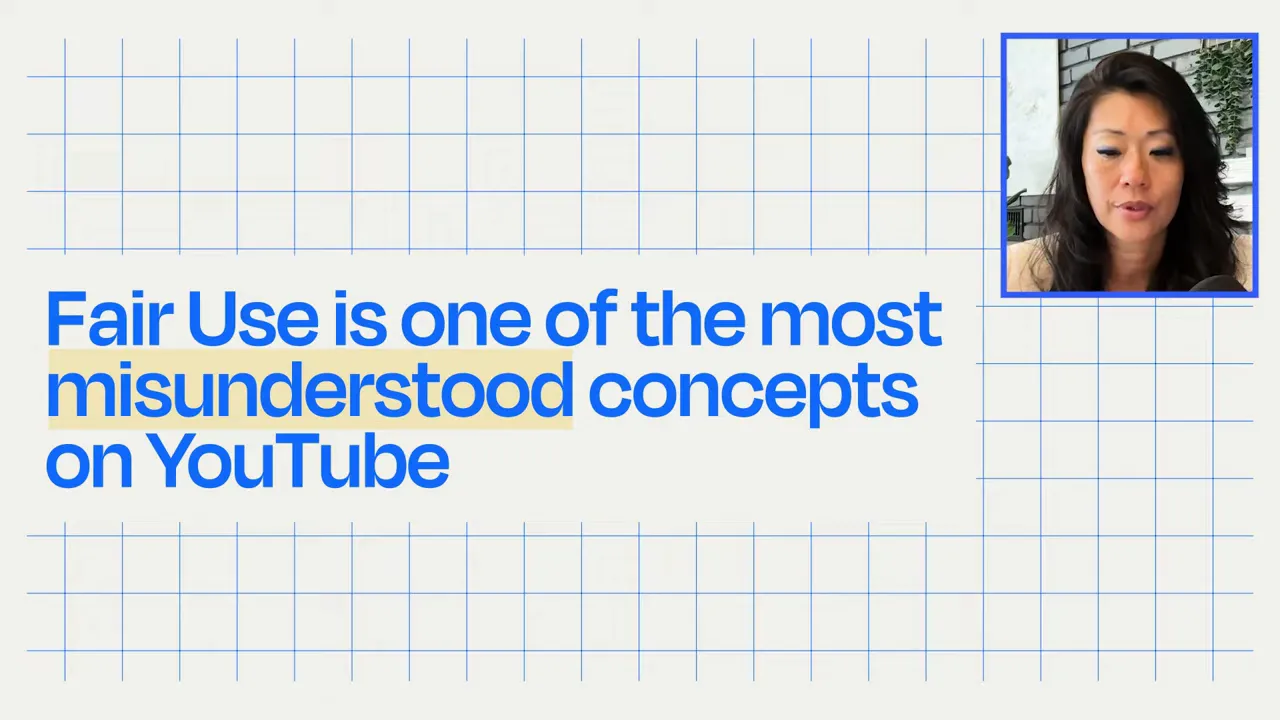
Fair use is a legal defense evaluated in court, not a free pass creators can assert by labeling a clip fair use in the description. The defense uses a four factor balancing test. The most important factor courts consider is market effect: does the use replace the original and harm the rights holder’s market?
Transformation, commentary, critique, and educational uses weigh in favor of fair use. Short snippets can help, and Tyler noted that under five seconds is often less likely to trigger platform blocks, though it is not guaranteed protection. Monetization also complicates fair use; if the use generates money, courts are less likely to find it fair.
Practical steps to run a clean, protected creator business
Tyler’s main advice for preventing legal emergencies is simple: run a clean business. That means doing the basics well and getting documentation in place before trouble starts.
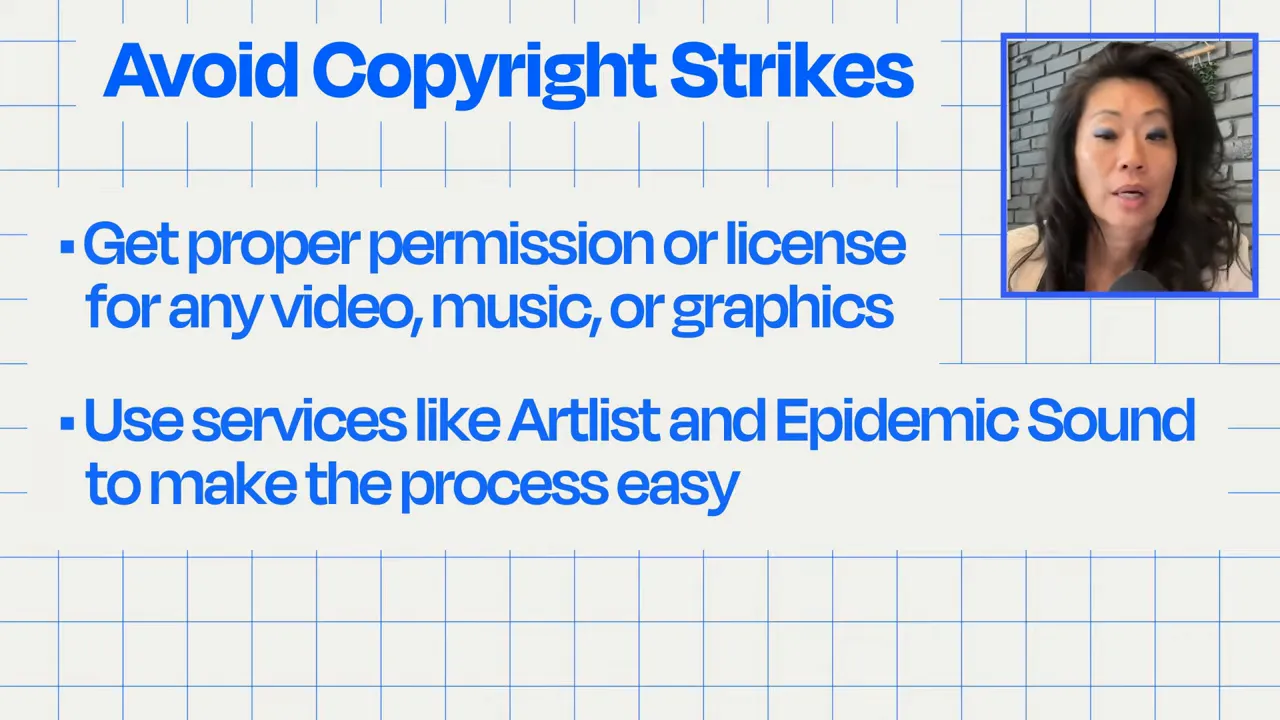
- License content — If you plan to use another creator’s clip, B roll, music, or photography, secure a written license. A short one or two page agreement is often sufficient and inexpensive.
- Use licensed music — Services like Epidemic Sound or other music licensing houses can prevent music claims and strikes.
- Separate emails and accounts — Keep different channels on separate logins to avoid one strike or suspension taking down unrelated channels.
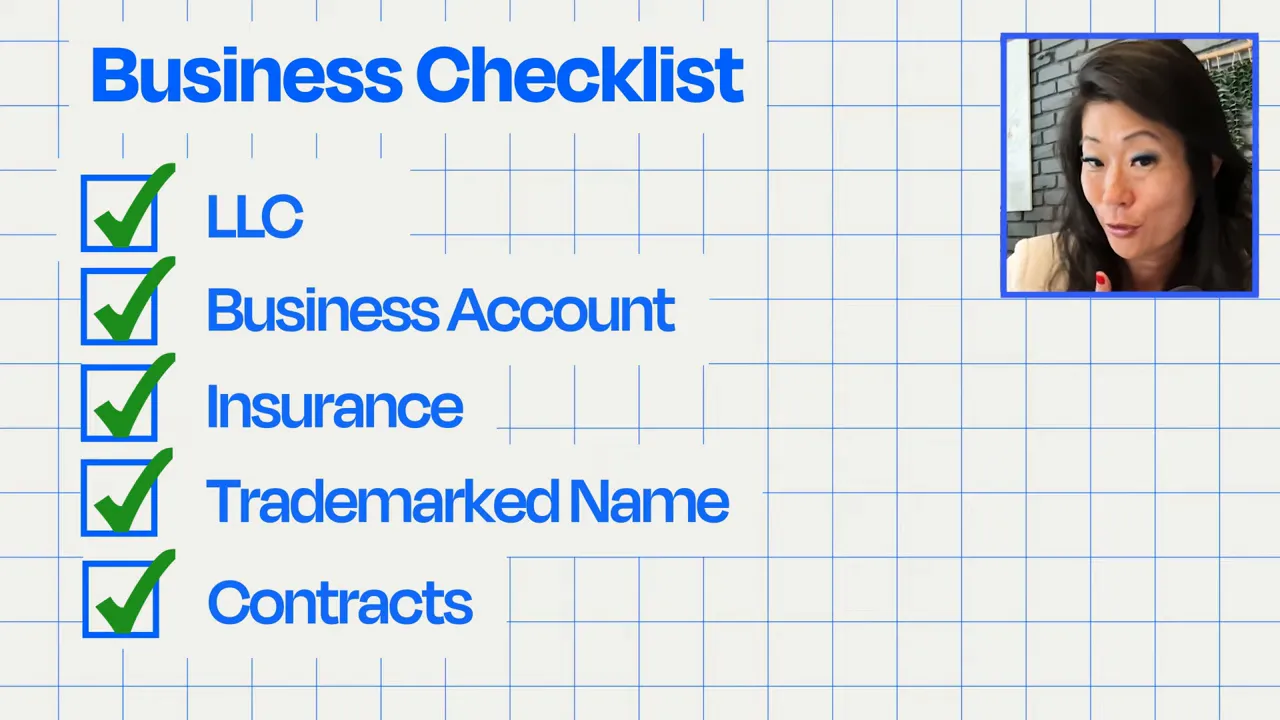
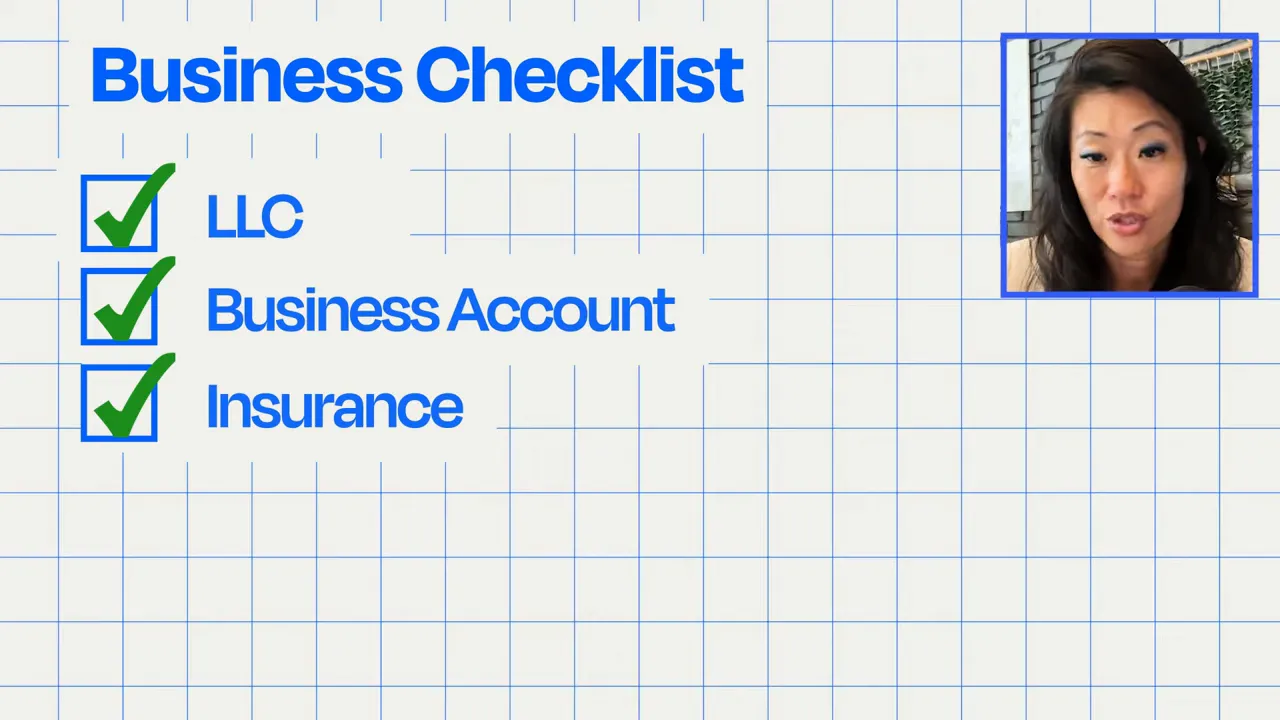
- Set up basic business structures — Consider forming an LLC and opening a business bank account once revenue reaches a point where these are affordable. Tyler suggests two to five thousand dollars in monthly revenue as a pragmatic threshold.
- Get insurance — General liability and media liability insurance that covers defamation can be worth the cost for high growth creators.
- Trademark and brand checks — Look up names and trademarks before you rebrand or scale. Tyler is actively rebranding creators who missed trademarks and faced costly problems.
Contracts, employees, and contractors
Contracts are a frequent source of late-stage disputes. Tyler has seen editors and videographers claim ownership of raw footage because they physically recorded it. To avoid this, every creator should have written agreements that specify who owns the intellectual property produced.
Understand the difference between employees and contractors. If a worker is under your direction, works full time, or cannot work for others, they are likely an employee. Misclassification carries fines and legal exposure that exceed the cost of properly hiring someone as an employee and paying associated taxes and workers compensation.
Partnerships and channel ownership: treat your channel like real estate
Channels are assets. Yet many creators launch with friends and never formalize ownership percentages, responsibilities, or exit plans. Tyler recommends creating written partnership agreements up front to avoid messy divorces later.
Key questions to address in a partnership agreement: who owns the channel, who controls the account email, how is revenue split, how are buyouts handled, and what happens if someone leaves. The lack of these documents has led Tyler to unwind multiple contestant partnerships and to place channels into trusts for succession planning in some cases.
Thumbnails and photography: licensing matters
Using a photograph in a thumbnail can trigger claims, especially when the image is from a famous photographer or a photo licensing house. Getty and other stock houses are known to enforce rights aggressively. If a photo matters to your branding or marketing, get a license. If you cannot obtain a license, use transformed images, original photography, or safely licensed stock.
Litigation perspective: why a litigation fund can make sense
Tyler wants creators to avoid fear. Lawsuits are rare for most creators, but when they happen litigation is expensive. She advises larger creators to maintain a litigation fund. For startups in tech and media, breaking ground often invites legal challenges; the business model must account for that risk. As one of Tyler’s old bosses put it, if you are not getting sued, you might not be doing big business.
Bottom line: protect the business so you can keep creating
Most issues are solvable. Rights holders often prefer money or credit to protracted fights. A simple licensing agreement or a small payment can remove strikes. When disputes escalate, YouTube has a process that includes counterclaims and a limited window to file suit. But prevention is far easier than response.
Actionable checklist creators can use today
- Audit your content for unlicensed clips, music, and photos.
- If you use others content, seek a written license even for small fees.
- Form an LLC and separate channels across different logins when revenue allows.
- Get contracts for editors, videographers, and collaborators that assign IP to your business.
- Consider trademarks before rebranding.
- Keep a litigation fund or budget to handle rare but expensive disputes.
Additional resources and credit
For more creator-focused legal resources, Tyler Chou maintains a practice and a community. The conversation this article summarizes originally featured Jay Clouse, who hosts creator-focused interviews and resources. Jay Clouse channel link
Adapted for readers by #teamHJB — turning great videos into even better reads.

Be the first to comment