


Imagine a future where posting an honest review about a product leads to your video being taken down, relentless harassment by bots, and even legal threats from the company behind the product. Sounds like dystopian fiction, right? Unfortunately, this is the reality for House Fresh, a small independent site dedicated to reviewing air purifiers.
Within just a month of posting their review of the PuroAir 240 air purifier, House Fresh found themselves at the center of a legal and digital storm. Their video was removed from YouTube, they were threatened with defamation lawsuits, and their written review was shadow banned by Google. What’s behind this aggressive backlash? It turns out the story involves much more than just one product review — it exposes a tangled web of affiliate marketing abuse, algorithm manipulation, and fierce competition fueled by a major Chinese manufacturer.
The Controversy Around the PuroAir 240 Review
House Fresh initially took interest in the PuroAir 240 because the brand seemed to appear out of nowhere, yet the product was a top seller on Amazon in 2023. Their review was straightforward: the purifier worked, but it was a terrible value at $220, especially since nearly identical devices could be found on Alibaba for around $35.
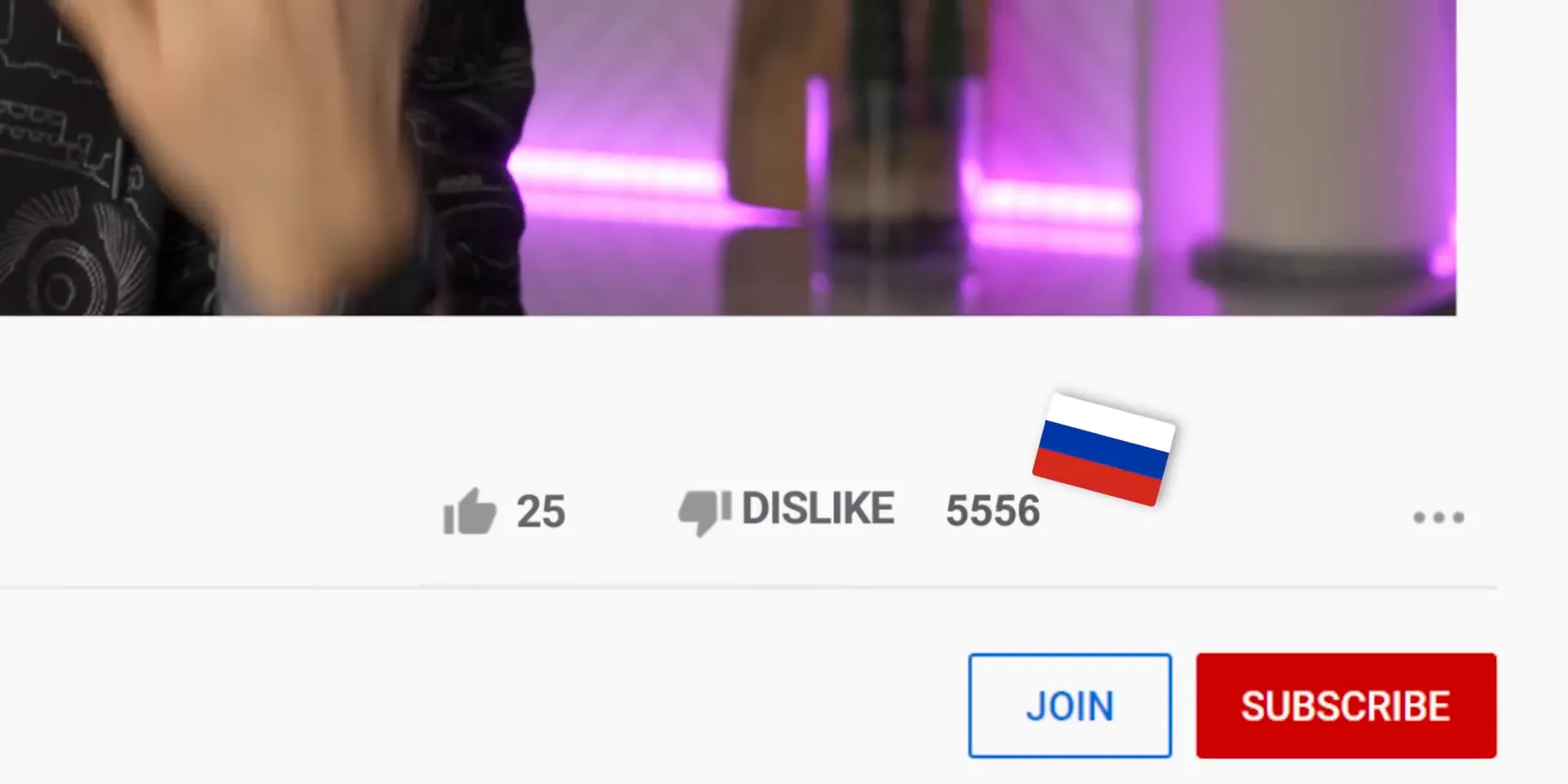
Just days after posting the review, their video was targeted by downvotes and comments, many apparently originating from Russia—a country that rarely appeared in their audience analytics before. Soon after, House Fresh received an anonymous tip that their review was being used as evidence in a class action lawsuit against PuroAir. Shortly after, YouTube removed their video citing “counterfeit policy violation,” and PuroAir’s lawyers demanded they amend or remove statements from their written review.
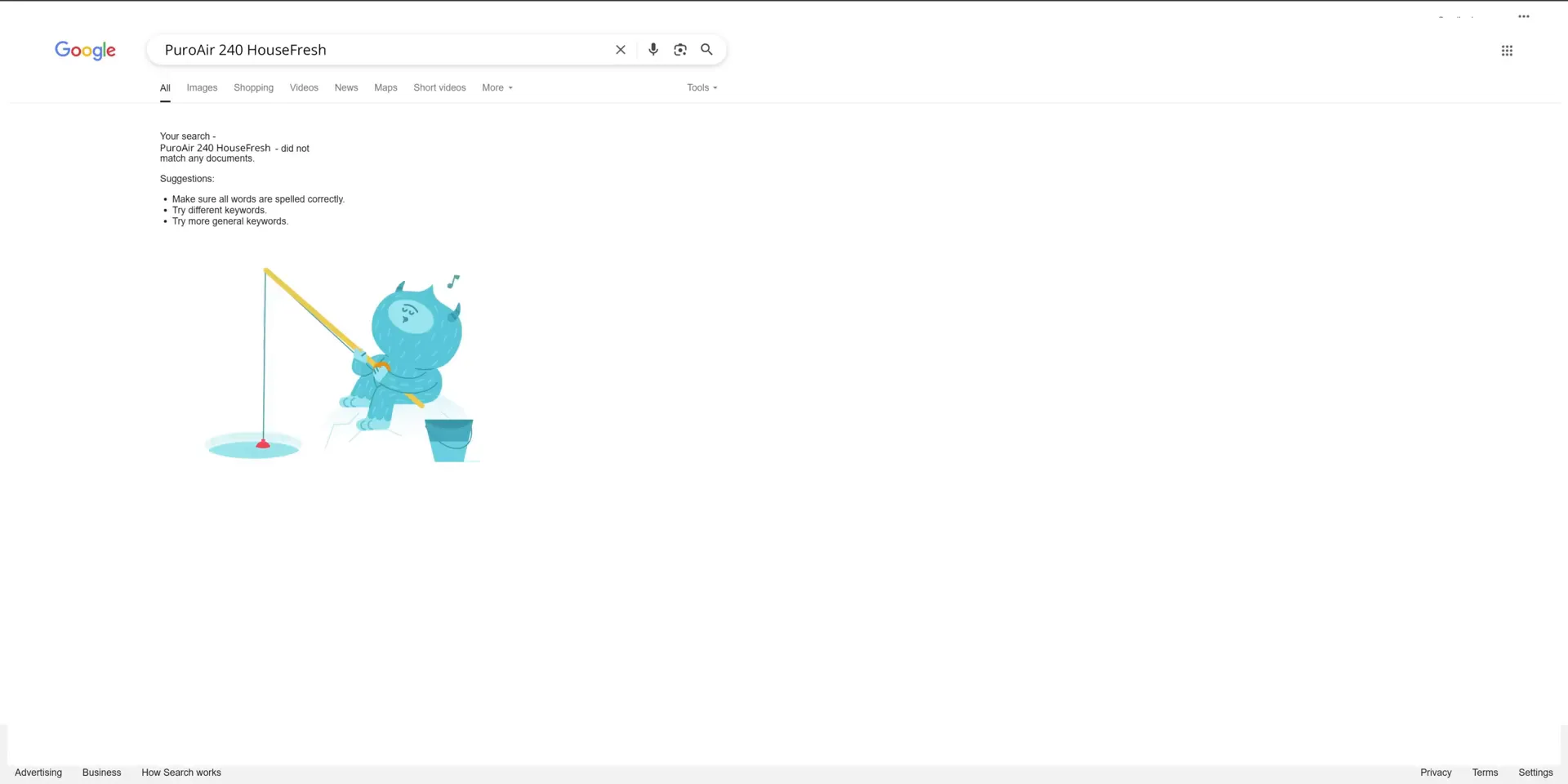
When House Fresh refused to comply, PuroAir escalated with a pre-action protocol letter — the first step toward a defamation lawsuit. Then, Google removed House Fresh’s written review from search results via a DMCA takedown notice, effectively making it invisible online.
Who Is PuroAir and What Is Going On?
To understand the conflict, it’s important to look at PuroAir and their product closely. House Fresh conducted a detailed teardown and comparison with a very similar air purifier available factory-direct from China.
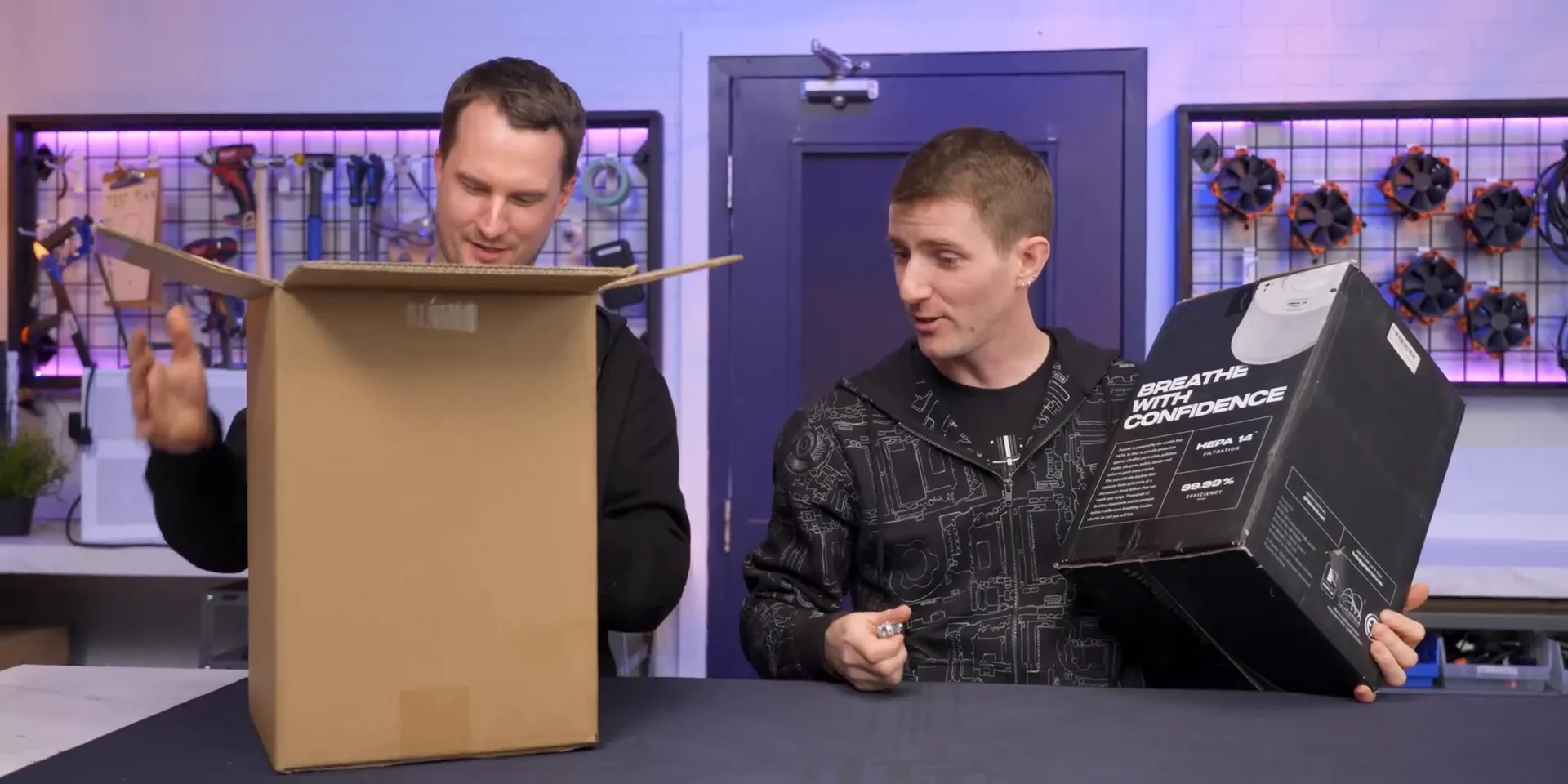
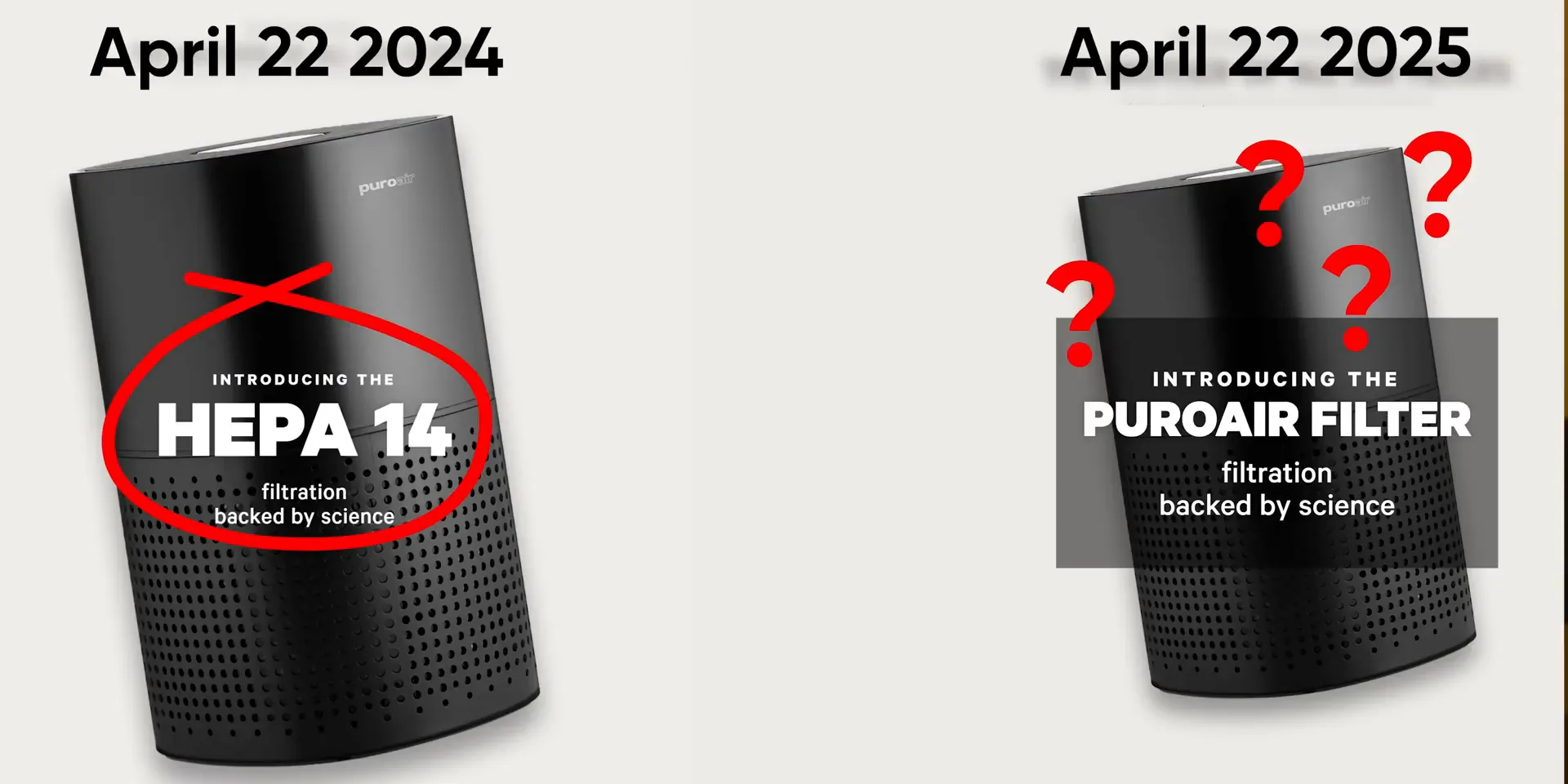
Surprisingly, many parts, molds, and design elements were nearly identical between the PuroAir 240 and the Chinese model. While PuroAir claimed their product used HEPA 14 filters with 99.99% efficiency, that claim was quietly removed from their website and Amazon listing after legal challenges from a dominant Chinese competitor named Lavoy.
PuroAir admitted in a call that ongoing lawsuits and FTC claims from Lavoy influenced their decision not to fight the marketing claims, raising questions about whether the filters were truly HEPA 14 certified.
House Fresh also highlighted key differences: PuroAir offered a two-year warranty and user manual, while the Chinese model shipped with no documentation, assuming users would figure it out. Despite minor mold differences, the core design and electronic components were almost indistinguishable.
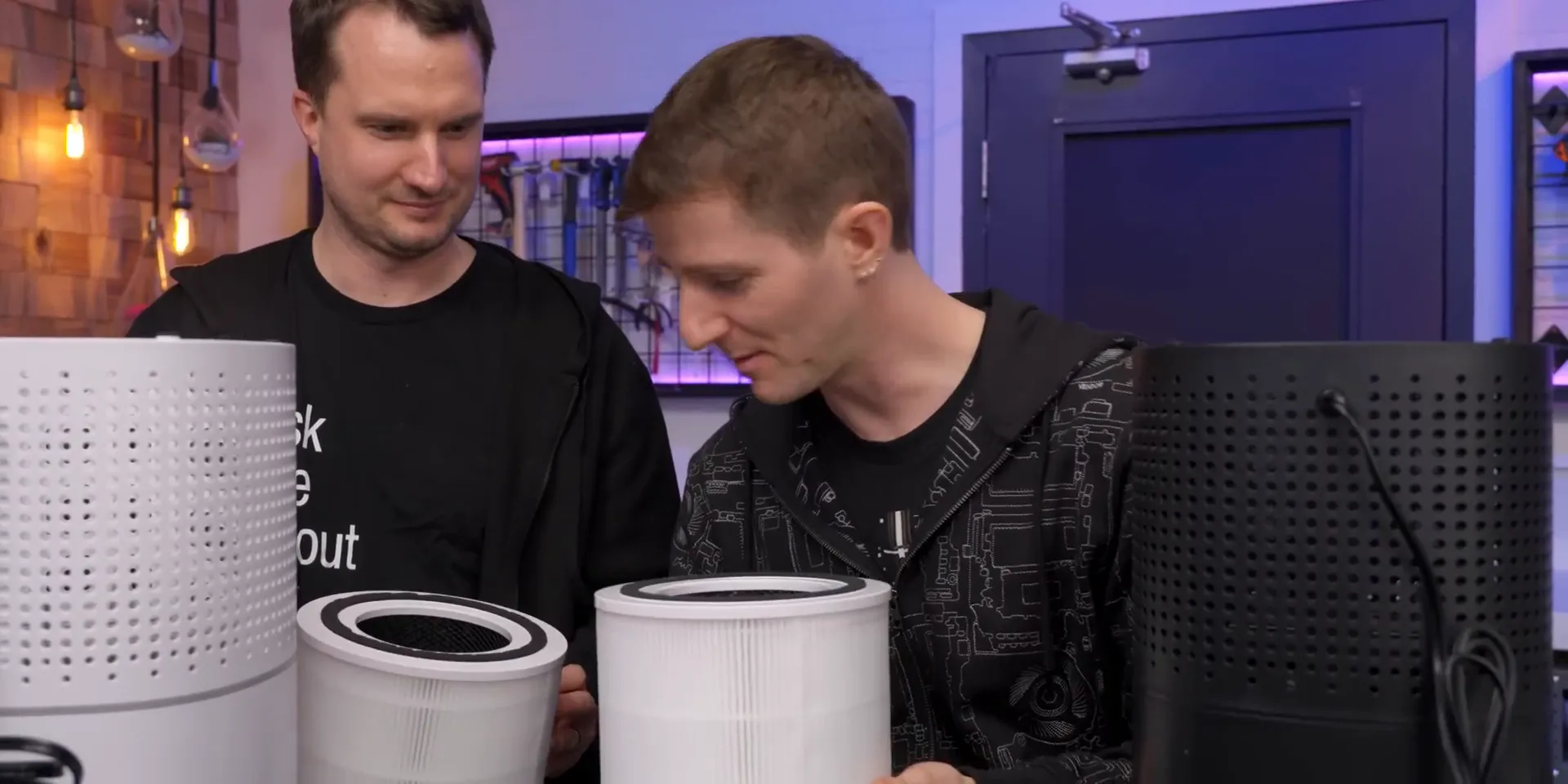
After dissecting the control PCBs, the verdict was clear: the Chinese factory likely copied PuroAir’s design, explaining why PuroAir might have felt compelled to aggressively protect their brand.
How House Fresh Tests Air Purifiers
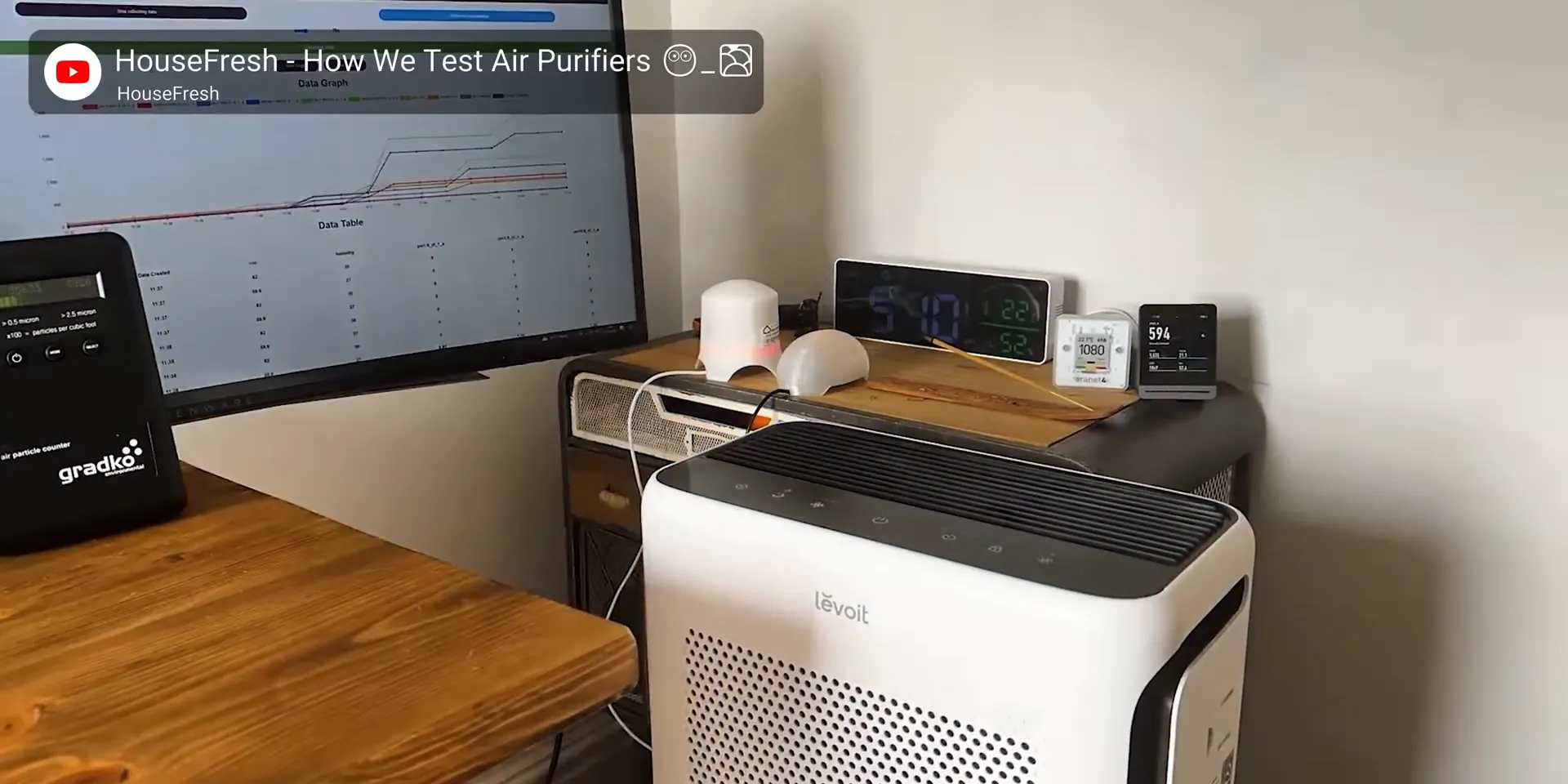
House Fresh’s testing methodology is straightforward but effective: they saturate a test room with incense smoke and measure how quickly the purifier removes particulate matter like PM1, PM2.5, and PM10 using specialized sensors. This practical testing approach gives consumers meaningful insights into real-world performance.
The Bigger Problem: Affiliate Spam and Algorithm Abuse
While the legal battle with PuroAir grabbed headlines, House Fresh is also fighting a losing battle against algorithm manipulation and affiliate spam. Despite the appearance of numerous review sites, only about sixteen companies dominate most product search terms, often recycling the same images and recommendations across multiple brands they own.
Searches for “best air purifier” now mostly return clickbait listicles that are generated by AI or written by people who have never tested the products themselves. These listicles are designed to maximize affiliate commissions rather than provide honest reviews.
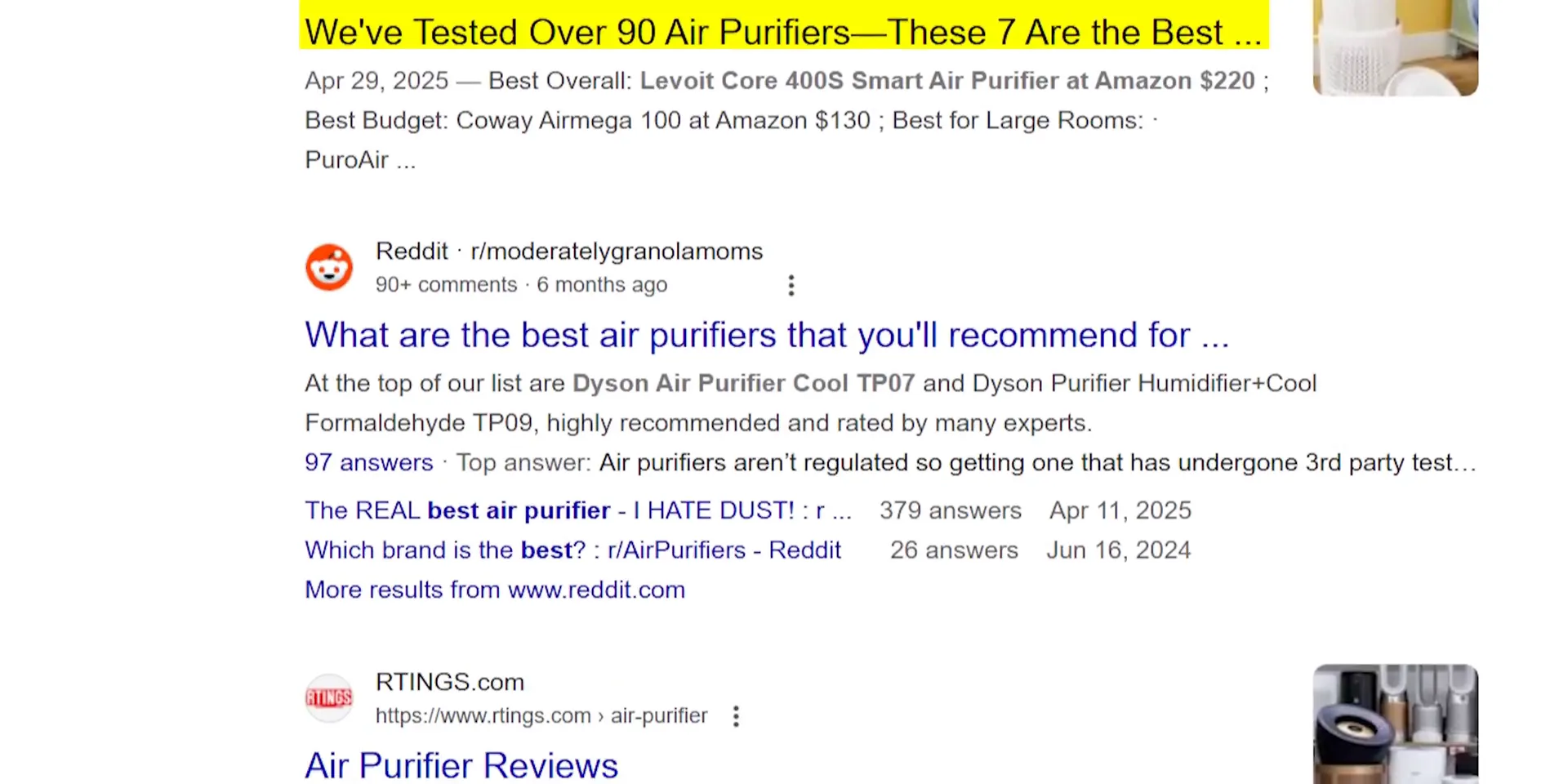
Affiliate commissions in the air purifier category typically hover around 3%, but PuroAir offers much higher commissions—sometimes as high as 15%. This incentivizes listicle sites to push PuroAir aggressively, regardless of actual product quality, creating a self-reinforcing cycle of overpriced, low-quality products dominating search results.
This strategy thrives in low-passion categories like air purifiers, where consumers are less likely to have expert knowledge and rely heavily on search rankings, perceived value, and discount tactics.
PuroAir’s Legal Obsession and Its Impact on Independent Reviewers
House Fresh was fortunate to have insurance that covered some legal fees, but the saga isn’t over. Their insurer has warned that it will not renew coverage if they continue reviewing products, labeling the activity as “high risk.” Despite this, House Fresh remains committed to independent, honest reviews.
Their attempts to review PuroAir’s newer model, the PuroAir 400, were met with further legal threats, with PuroAir demanding they stop focusing on their products altogether.
The Role of Lavoy: A Bigger Competitor in the Background
One major twist is the ongoing battle between PuroAir and Lavoy, a Chinese company producing a variety of home products including air purifiers. Lavoy has filed court cases, triggered FTC investigations, and even held back PuroAir shipments at ports to block their entry into Western markets.
PuroAir suspects House Fresh’s negative review of the PuroAir 240 and positive reviews of Lavoy products indicate collusion, but House Fresh denies any relationship with Lavoy or any other brand they review. They have repeatedly asked PuroAir to provide proof, but none has been forthcoming.

What Can Consumers Do? How to Spot Real Reviews vs. Affiliate Listicles
This entire saga underscores the importance of critical thinking and education when navigating product reviews online. Here are some practical tips to identify trustworthy reviews:
- Cross-check multiple sources: Use listicles for inspiration but search for specific model numbers on platforms like Reddit or YouTube. Read or watch at least five different reviews to get a balanced perspective.
- Watch for pushy sales tactics: If a site is aggressively pushing you to buy before providing any useful information, consider looking elsewhere.
- Look for original testing and photos: Genuine reviewers often take their own photos and gather comparative data rather than just copying manufacturer specs.
- Check the author’s credibility: Trusted reviewers usually have a history of verified testing and consumer trust, unlike anonymous or generic listicle sites.
A Happy Ending for House Fresh (For Now)
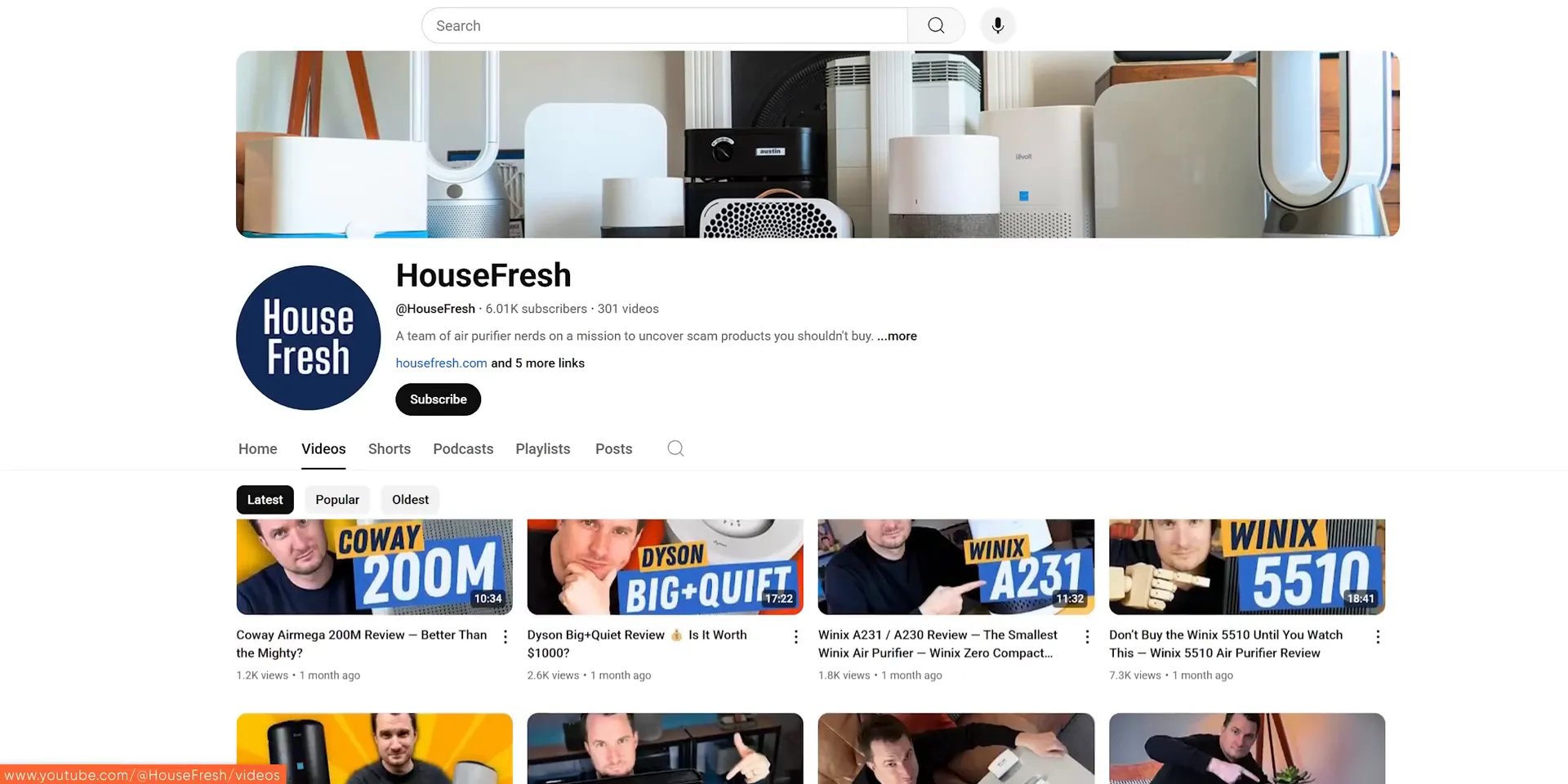
Despite the challenges, House Fresh has survived the worst of the legal storm and is back online, with their content searchable on Google once again. You can support their work through their YouTube channel or their Patreon page.
No matter how big or small, no reviewer should be bullied or silenced for speaking the truth, especially when they put in the work to back it up. But the broader issues with affiliate marketing abuse and algorithm manipulation remain a significant problem for consumers everywhere.
Conclusion
The PuroAir vs. House Fresh saga reveals a toxic intersection of inflated product markups, aggressive legal tactics, and algorithmic manipulation that threatens honest consumer reviews. While PuroAir’s approach may seem ruthless, it’s a symptom of a larger industry problem where affiliate marketing and search engine dominance can drown out genuine voices.
Consumers must stay vigilant, educate themselves, and support independent reviewers who prioritize honesty over profit. Only through informed choices can we hope to keep the internet a trustworthy place for product reviews.
For anyone interested in exploring this topic further or supporting independent review sites, House Fresh remains a valuable resource. And if you’re in the market for unique rings that make a statement, don’t forget to check out Thorum’s offerings with the code LTT for a discount.

Be the first to comment