
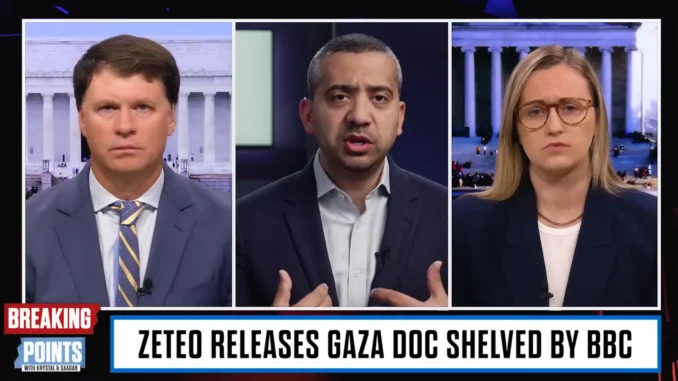

Mehdi Hasan Releases Censored BBC Gaza Documentary Highlighting Targeted Attacks on Medical Professionals
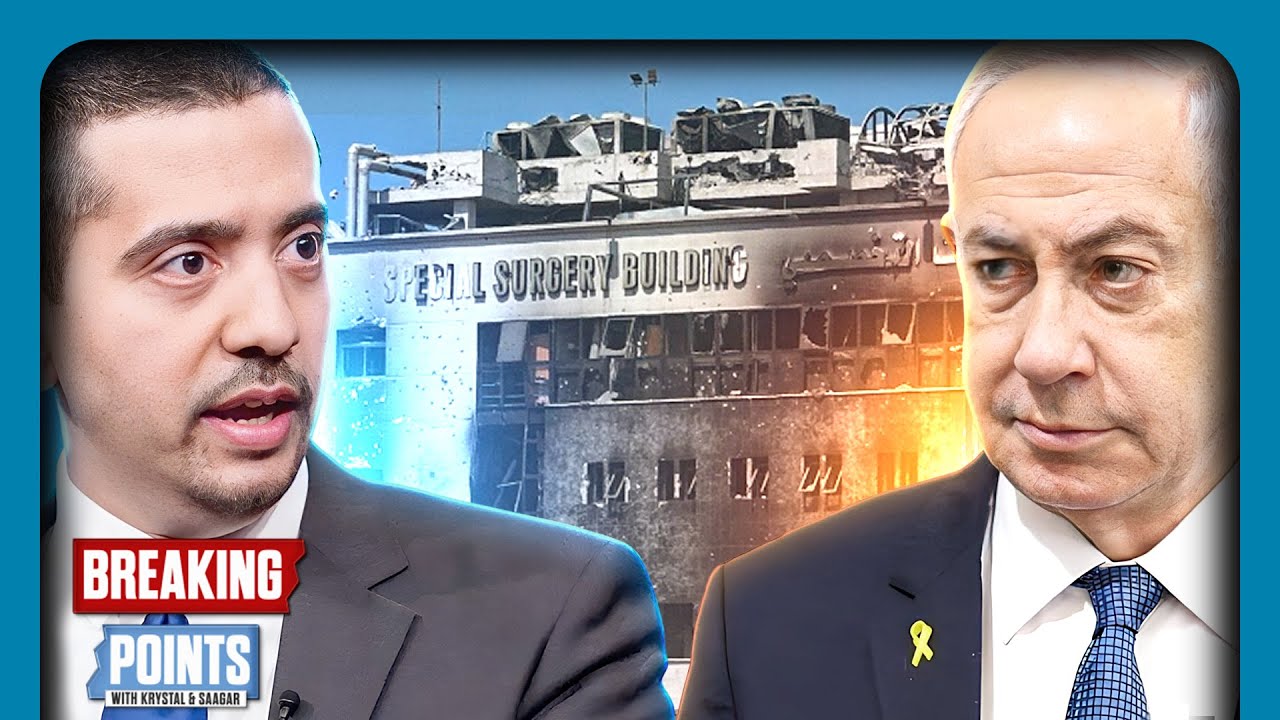
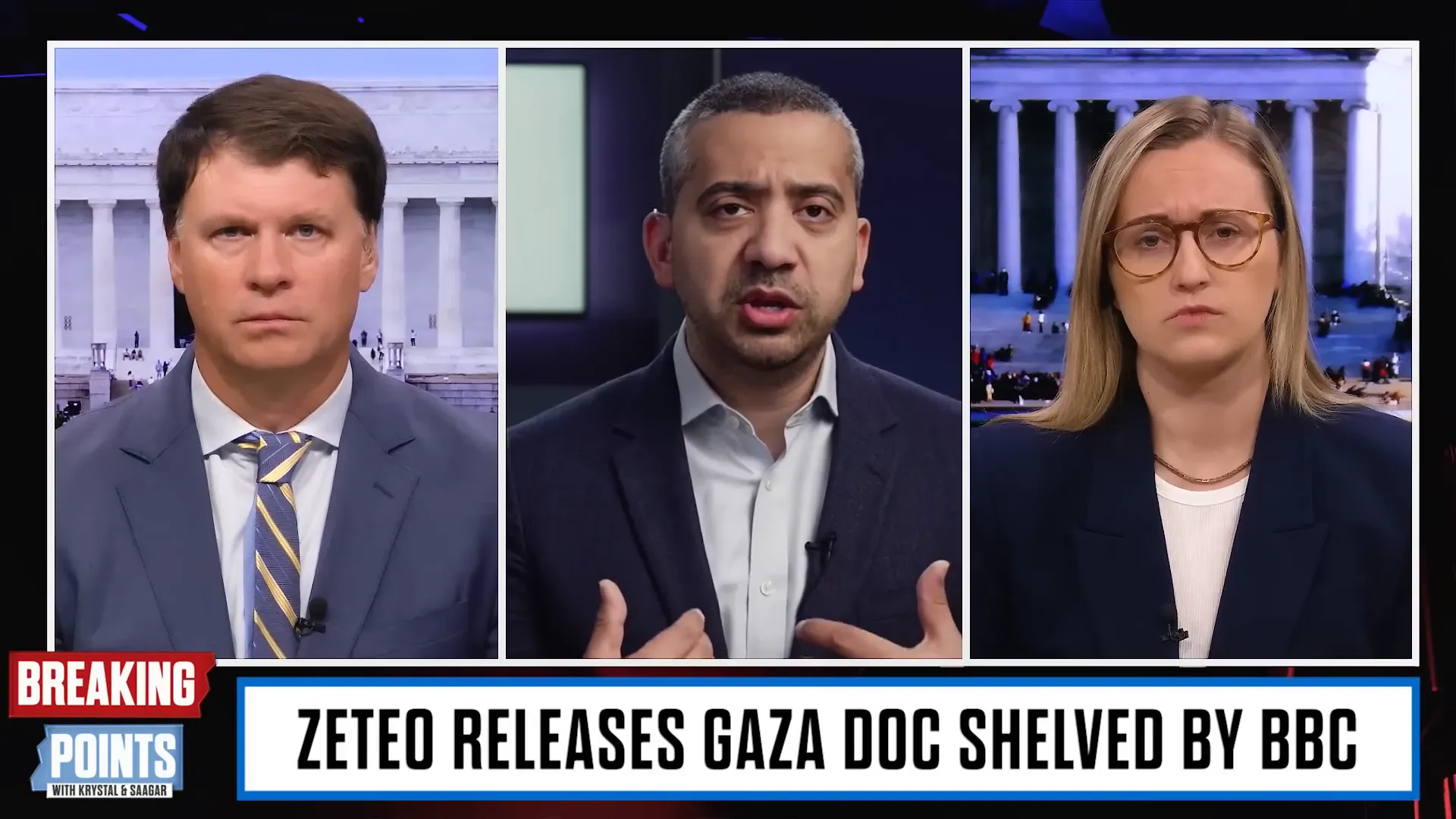
For many months, a highly anticipated documentary funded by the BBC, investigating Israel’s deliberate targeting of medical professionals in Gaza, was withheld from public release. Now, acclaimed journalist Mehdi Hasan and Zato News have acquired the documentary for worldwide distribution, with Channel 4 airing it in the UK. This film exposes the harrowing realities faced by Gaza’s healthcare workers amidst ongoing conflict and reveals the troubling editorial decisions that led to its initial censorship.
Honoring Gaza’s Fallen Medical Professionals
The documentary begins by paying tribute to several distinguished doctors who were tragically assassinated in Gaza. A poignant image from a graduation ceremony at Gaza’s Faculty of Medicine shows four doctors who were targeted and killed, not as collateral damage but in deliberate attacks. Among them were Dr. Omar Farwana, dean of the faculty; Dr. Adnan al Birsh, head of orthopedic surgery at Al Sheifa Medical Complex; Dr. Rafat Lubad, head of internal medicine; and Dr. Marwan al Sultan, a cardiologist and hospital director.
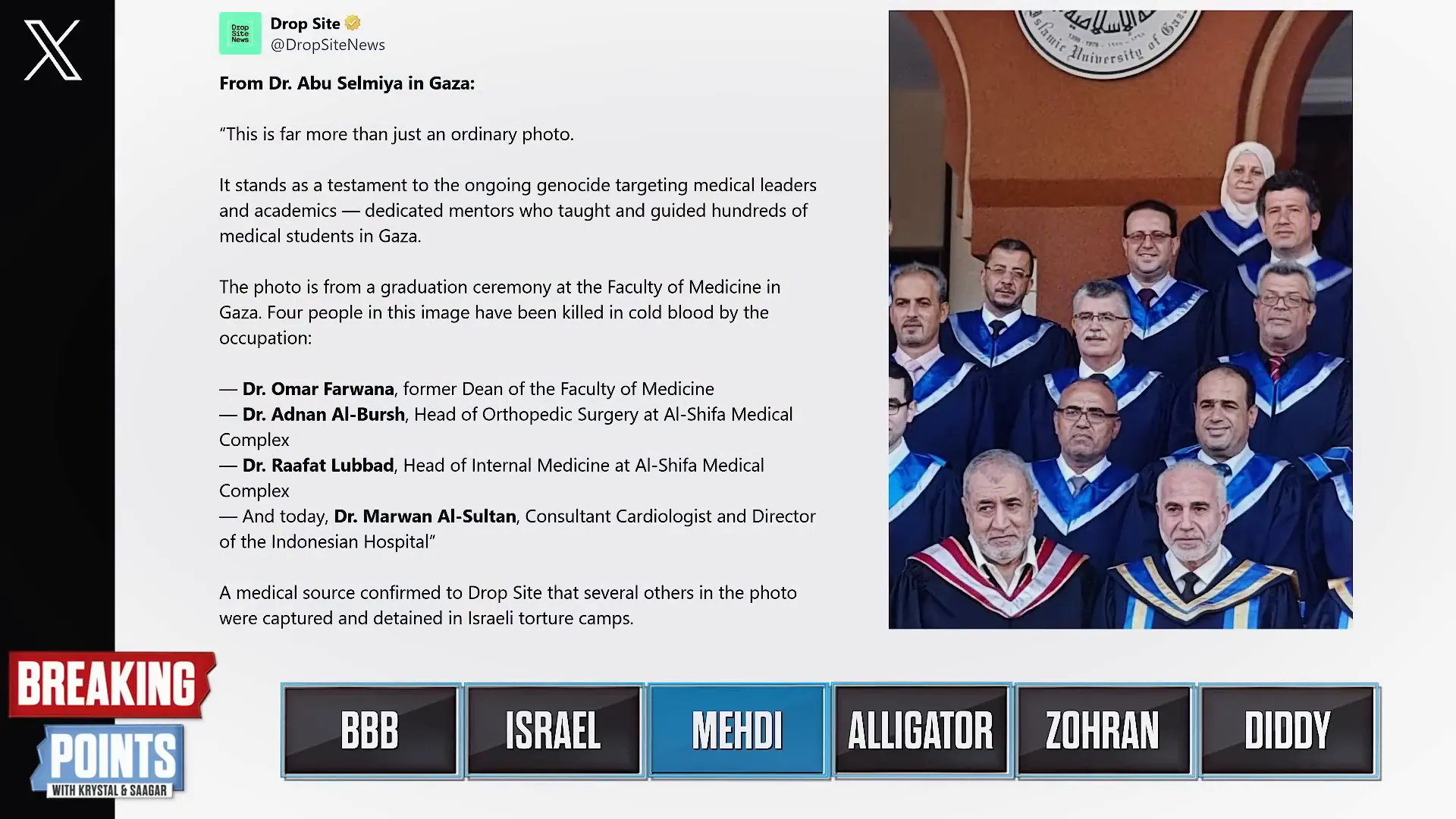
These assassinations are part of a broader, systematic campaign against Gaza’s entire medical community. The film uncovers the shocking reality that hospitals, doctors, nurses, and paramedics have been intentionally targeted, undermining Gaza’s healthcare system in violation of international law.
The Insanity of Targeting Medical Professionals
Mehdi Hasan emphasizes how incomprehensible it is to normalize the deliberate killing of journalists, children, and medical personnel over the last 21 months. The documentary focuses on the third — the systematic destruction of Gaza’s healthcare infrastructure and personnel. It includes eyewitness testimony from Palestinian doctors and survivors, including Dr. Adnan al Burish, who was tortured and killed while in Israeli custody.
In addition to Palestinian voices, the film features an Israeli medic whistleblower who reveals abuses inside Israeli detention centers, describing them as “gulags” where Palestinian prisoners are tortured and killed.
A Harrowing Survivor’s Account
One of the most powerful moments in the documentary is the story of Dr. Khaled Hamouda, a Gaza surgeon who survived a drone strike that killed ten members of his family, including his wife and child. After his home was bombed, he and his family sought refuge down the street, only to be followed and attacked again by a drone. Dr. Hamouda woke up in a hospital to find his daughter dead in the arms of a nurse and later learned his wife had also died.
This targeted violence against medical personnel is a devastating blow not only to individual families but to the entire knowledge base and human capital of Gaza’s healthcare system — something that cannot simply be rebuilt by constructing new hospitals.
Trailer Highlights: The Reality on the Ground
The trailer vividly captures the dire conditions inside Gaza’s hospitals: operating rooms plunged into darkness, lack of water and electricity, and medics refusing to abandon their posts despite the deadly threats. It highlights that hundreds of healthcare workers have been killed, detained, or forcibly disappeared.
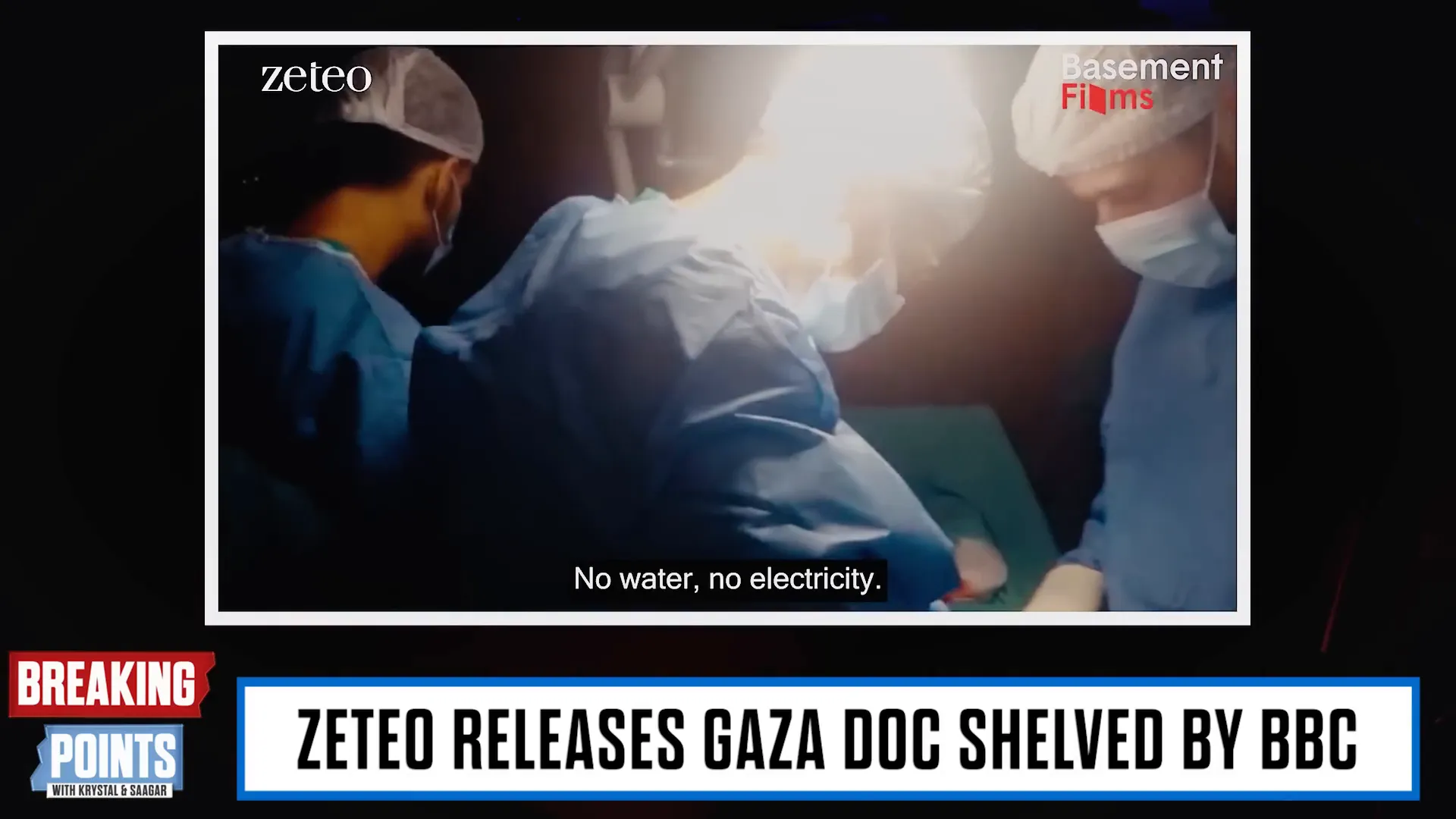
Palestinian health workers and families share their testimonies, alongside Israeli whistleblowers exposing complicity in torture and killings. The film underscores the grim truth that, despite protections under international law, Gaza’s healthcare system is being systematically destroyed.
The BBC’s Controversial Decision to Withhold the Documentary
Despite the BBC commissioning and funding the documentary, it refused to air it, citing concerns over “perception of partiality.” This decision came after the BBC aired another Gaza documentary narrated by a child whose father was a deputy agriculture minister in Gaza, which sparked a backlash labeling the child’s family as Hamas-affiliated. While investigating that controversy, the BBC decided to shelve the medical professionals’ documentary indefinitely.
Mehdi Hasan and the filmmakers, including executive producer Ben de Pear, pushed back strongly against the BBC’s decision. Ben de Pear publicly criticized the delay as disrespectful to the doctors and whistleblowers who risked their lives to participate in the film.
The BBC’s stated fear was that airing the documentary would create a perception of bias. Ironically, withholding a rigorously vetted film that exposes systematic attacks on Gaza’s healthcare workers only reinforced perceptions of partiality toward Israel. Studies have documented that the BBC has given disproportionately more coverage to Israeli casualties compared to Palestinian ones, fueling accusations of bias.
Internal Backlash and Staff Frustration
The BBC’s handling of Gaza coverage has caused internal protests and resignations. Mehdi Hasan, a former BBC journalist, describes the broadcaster’s current state as one of intimidation and capitulation, with its editorial standards and journalistic credibility severely undermined.
The Challenges of Balanced Reporting
Mehdi invites readers to imagine the opposite scenario: if a documentary focused on Israeli children affected by the war was pulled because the child’s father worked for the Israeli Ministry of Agriculture. Such a reaction would highlight the double standards in how Palestinian narratives are treated compared to Israeli ones.
He also recounts a production company’s experience with a major American broadcaster that refused to air a story about a Palestinian family’s suffering because they could not find an Israeli family with comparable losses to balance the narrative. This insistence on “balance” often results in silencing Palestinian voices altogether.
Where to Watch the Documentary
The documentary is now available at gazadoctors.film and on Zato News’ website, zateo.com, accessible to paid subscribers. Mehdi Hasan stresses the importance of supporting independent, high-quality journalism financially, noting that producing documentaries of this caliber requires significant investment.
He encourages readers to become subscribers, highlighting that the cost is less than a movie ticket and that this film is more vital viewing than many mainstream releases this year.
Conclusion: A Call to Recognize and Support Truthful Storytelling
This documentary shines a critical light on the deliberate targeting of Gaza’s medical professionals — a devastating tactic that threatens not only lives but the very fabric of healthcare in the region. The BBC’s initial censorship of the film underscores the challenges faced by journalists and filmmakers trying to report on this conflict with honesty and integrity.
By supporting independent media platforms and demanding transparency, audiences can help ensure that these vital stories receive the attention they deserve.

Be the first to comment