
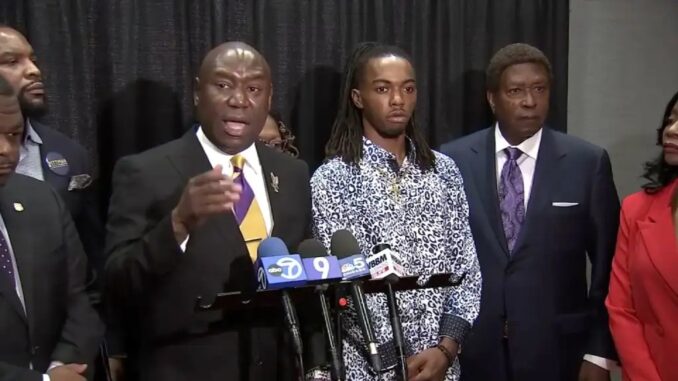

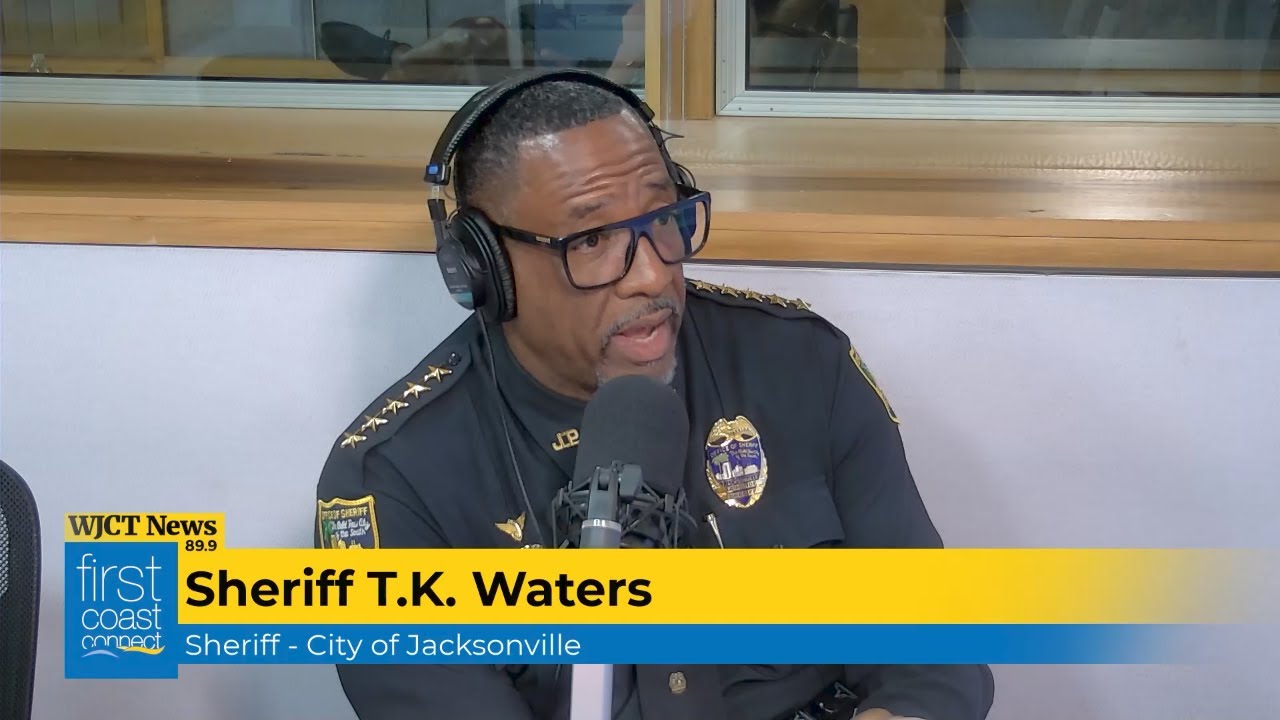
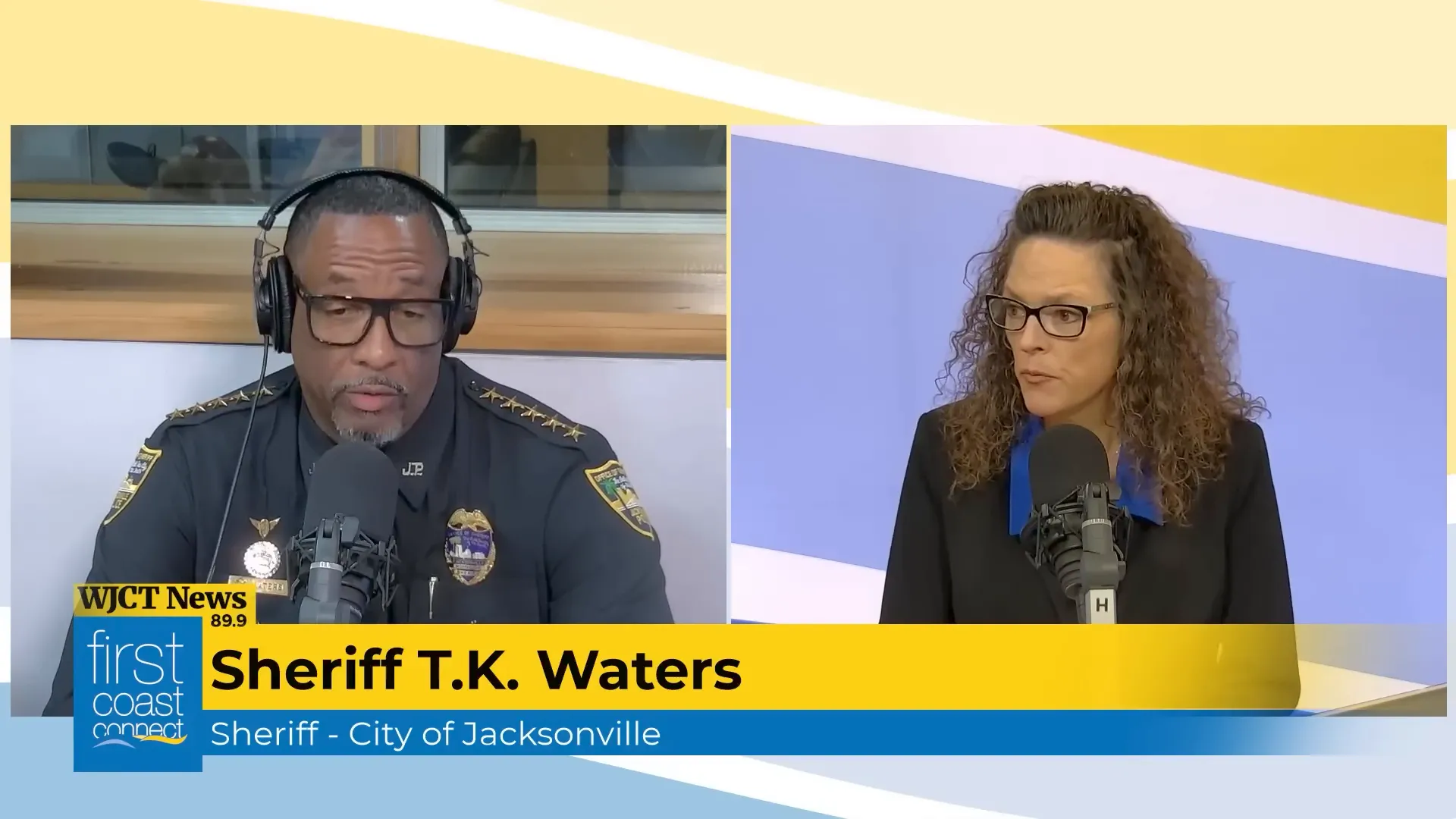
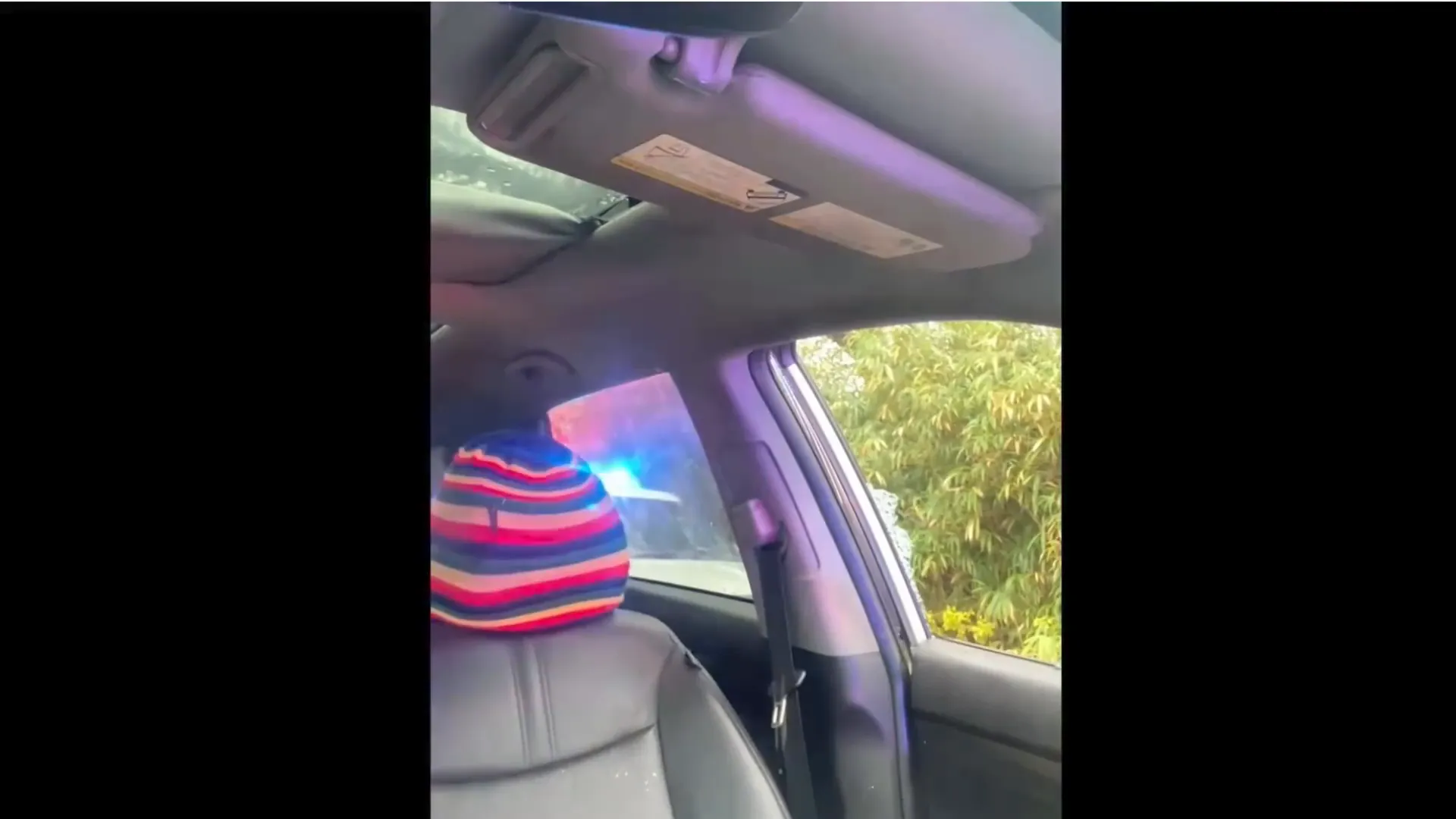
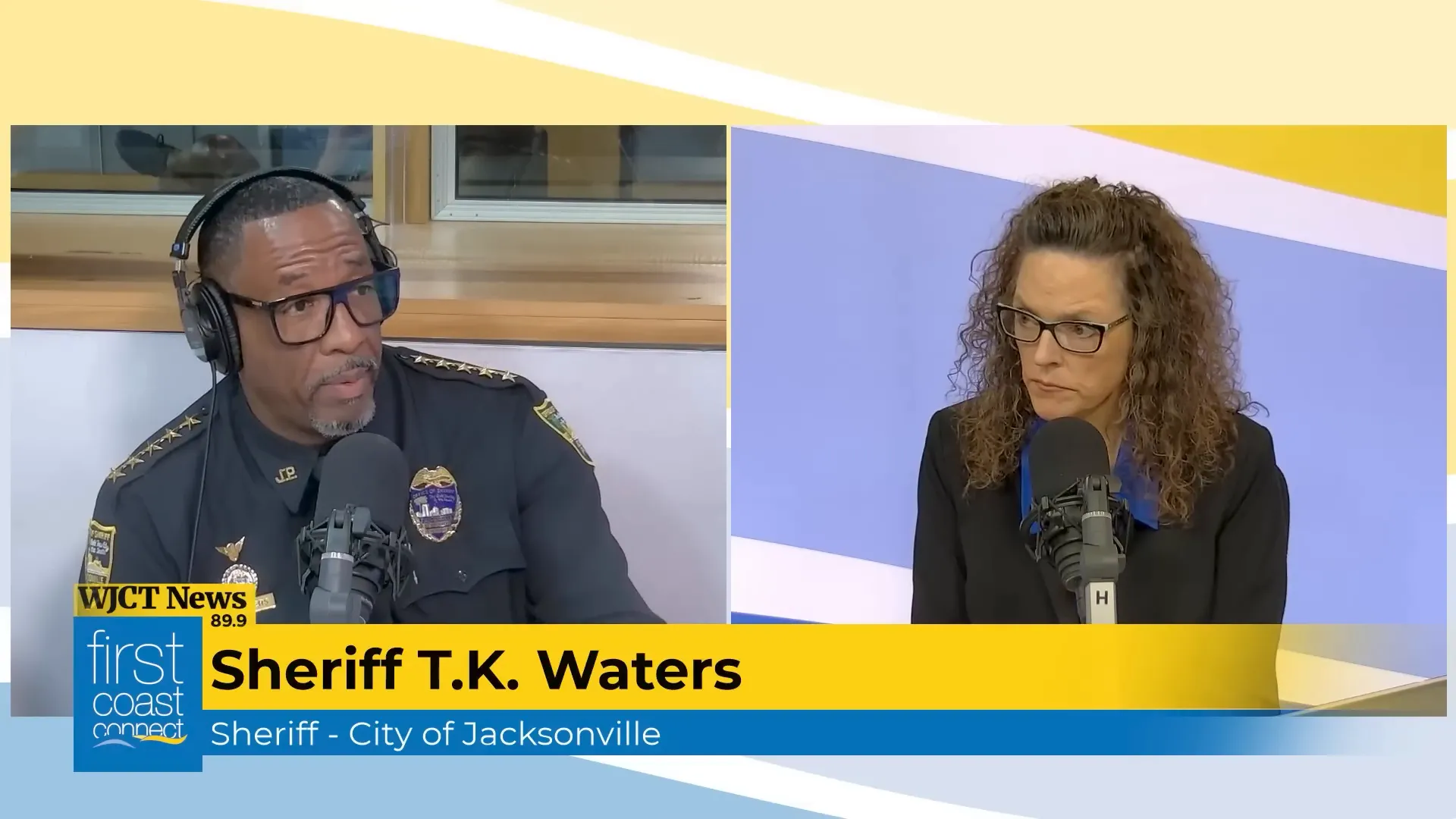
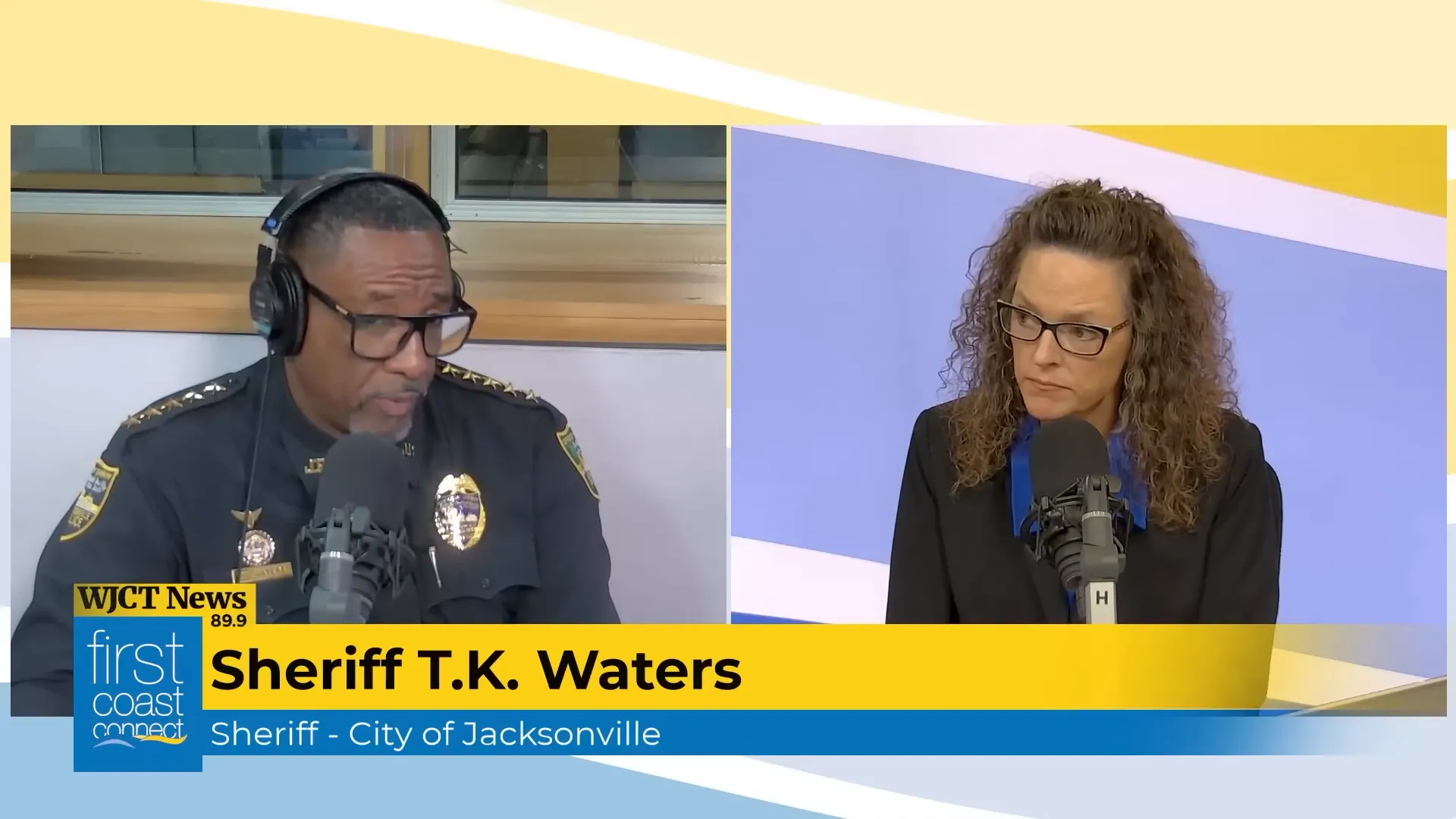
A viral video recently surfaced showing a Jacksonville Sheriff’s Office (JSO) officer breaking a motorist’s car window and striking him in the face during a traffic stop. The footage, captured by the motorist himself, ignited widespread public concern and debate about police use of force and transparency. In response, Sheriff T.K. Waters appeared on First Coast Connect hosted by WJCT Public Media to address the incident, the investigation, and the broader issues raised by the video.
Initial Reactions and Investigation Challenges
Sheriff Waters shared his initial reaction upon seeing the video, emphasizing the importance of withholding immediate judgment until the facts were thoroughly examined. “I’ve been around long enough to know not to have a reaction one way or another,” he said, highlighting the necessity to understand what happened and why.
Interestingly, the sheriff was at church when he first received notification about the video. He promptly assembled a team to investigate the circumstances surrounding the incident. However, the investigation faced early hurdles because the department was not informed about the event when it originally occurred in February. “You never told us about it,” Waters explained, underscoring the need for the public to report perceived unfair or biased police actions promptly so an investigation can be launched.
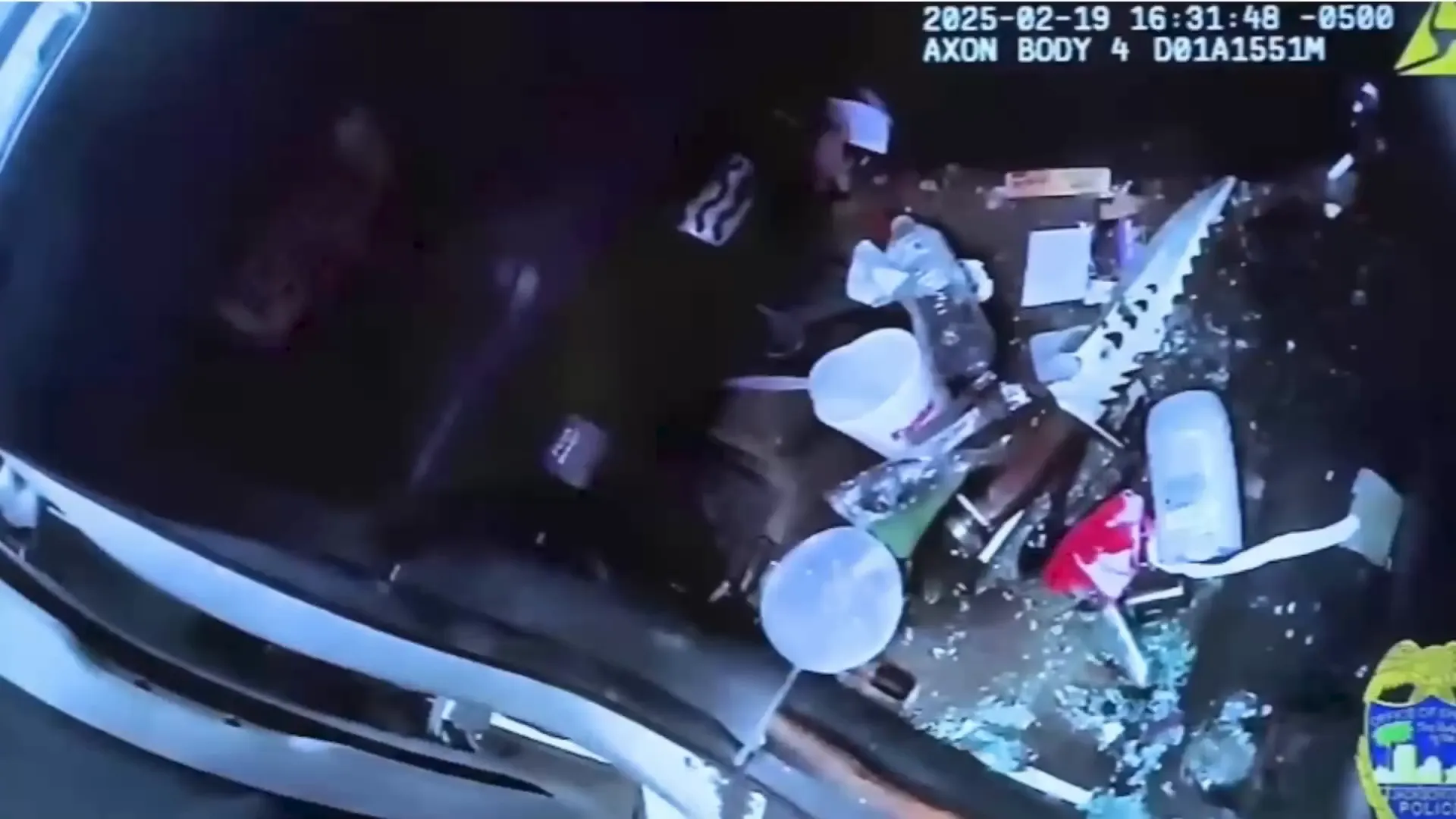
One key point Sheriff Waters made was that JSO had a policy requiring first-line supervisors to review body camera footage whenever a “response to resistance” report is filed. In this case, the body cam footage initially did not show anything raising major concerns, partly because the critical moment—the officer’s punch through the window—was not clearly visible on the police body-worn camera.
The Incident: Traffic Stop and Use of Force
The traffic stop began when the officer pulled over William McNeil for having his headlights off during inclement weather and not wearing a seatbelt. The police body camera footage shows McNeil refusing to comply with the officer’s requests, shutting and locking his car door. The situation escalated when the officer broke the passenger side window to gain access to McNeil, delivering a punch that struck McNeil in the face.
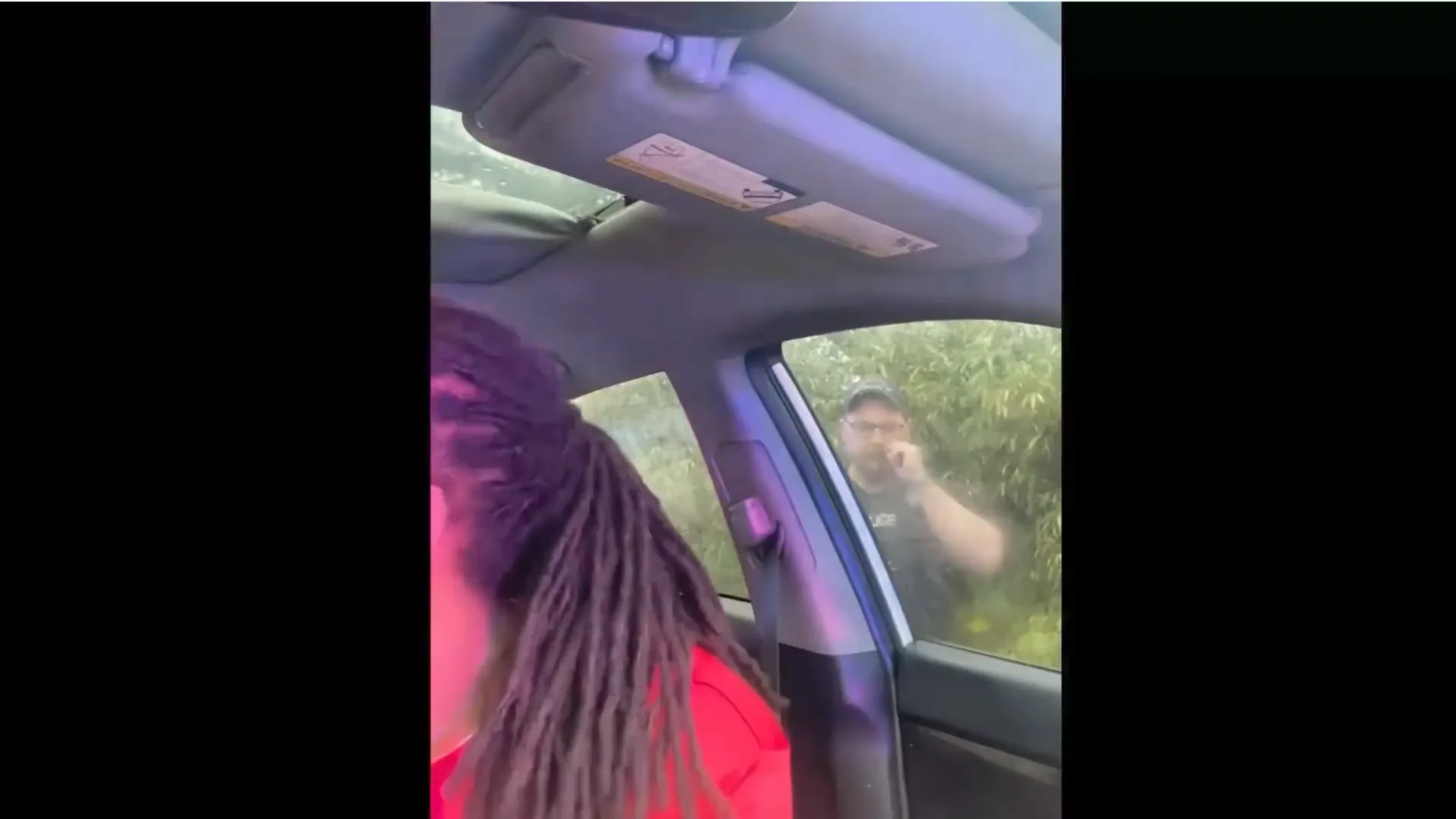
McNeil reported a mouth injury from the incident, including a chipped tooth that punctured his lip, for which he received treatment. The punch through the window and the subsequent forceful takedown is the core of the controversy, especially since the initial strike was not documented in the police report, the response to resistance report, or any supplemental documents.
Sheriff Waters explained the complexities of addressing such omissions, noting that while criminal investigations focus on violations of Florida law, administrative investigations handle policy compliance. Due to Florida’s police officers’ bill of rights, details of administrative investigations are confidential, and releasing footage requires consent from the officer involved. “An officer cannot lie,” Waters said, expressing confidence that the administrative process will uncover the truth about the unreported strike.
Addressing Community Concerns and Perceptions
Representative Angie Nixon joined the conversation to raise critical questions about perceived bias within JSO and the state attorney’s office, especially given the sheriff’s wife’s role as a chief investigator for the state attorney. Sheriff Waters clarified that his wife has no involvement in prosecutorial decisions, emphasizing professionalism and separation of duties.
The discussion also touched on the officer’s history, as the questioned officer had multiple prior complaints related to excessive force, unbecoming conduct, and failure to conform to work standards. The sheriff explained the department’s progressive discipline system, which escalates consequences based on the severity and recurrence of misconduct. Termination decisions undergo scrutiny by a civilian civil service board, ensuring fairness and due process.
Waters also discussed policies allowing the department to flag officers facing personal or professional challenges and provide confidential wellness support. He stressed that policing is a difficult and sometimes dangerous job, and officers do not seek to use force but must be prepared for unpredictable situations.
Clarifying Video Footage and Officer Conduct
The conversation addressed rumors about body camera footage being turned off during the arrest. Sheriff Waters confirmed the body cam was shut off later in the encounter but not during the critical moments of the stop. The sheriff expressed uncertainty about some social media claims, stressing the importance of verified facts over speculation.
When asked about the officer’s justification that McNeil reached for a large serrated knife found on the car floor, Waters admitted that the video footage did not clearly show McNeil reaching for the weapon. “I didn’t see that either,” he said, underscoring the need for the administrative process to determine what happened.
Broader Context: Policing, Race, and Public Trust
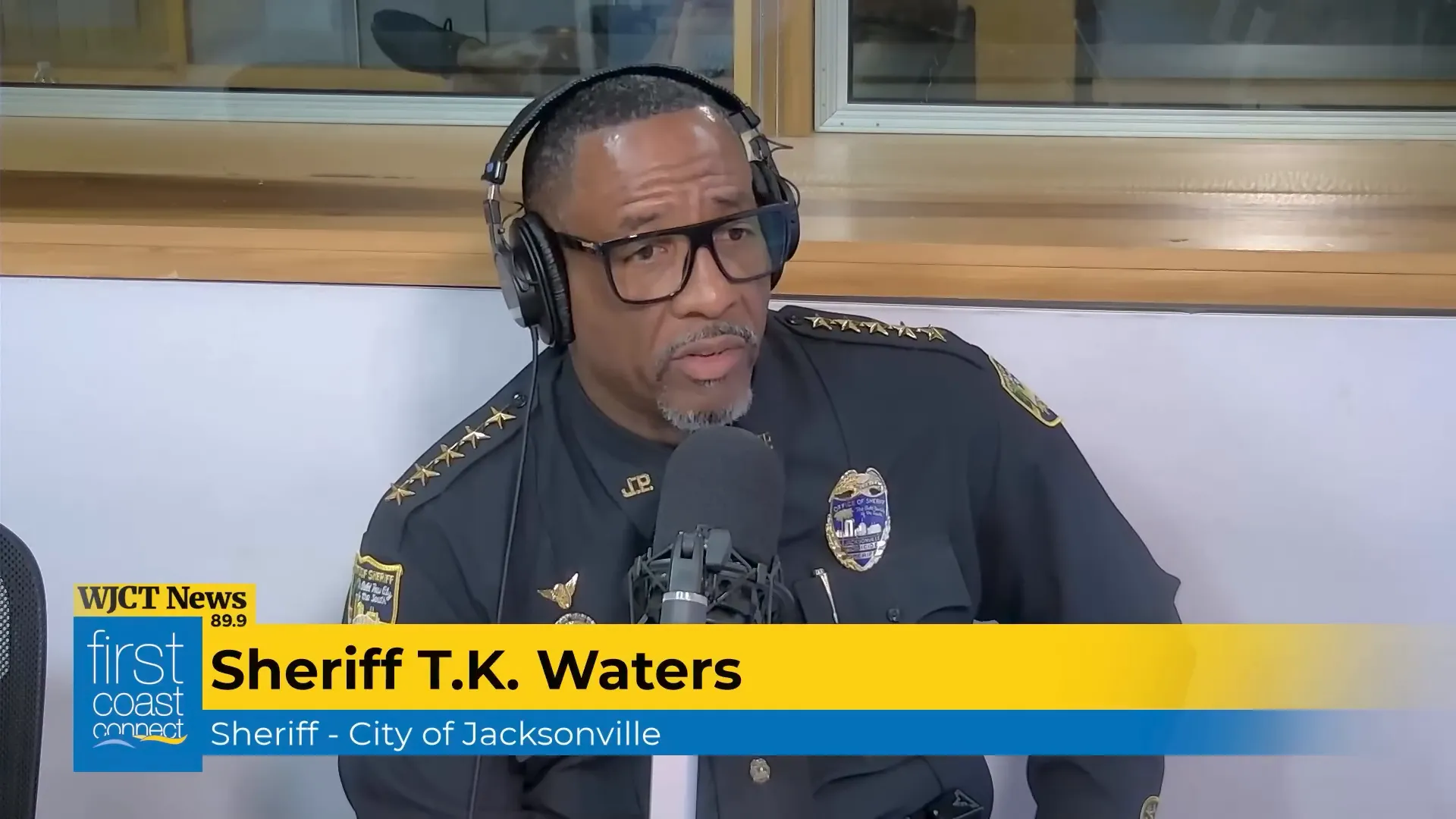
One of the more intense moments in the discussion came when a reporter questioned whether the sheriff’s explanation would be accepted by the Black community. Sheriff Waters, who is Black himself, firmly rejected the notion that the Black community universally shares such skepticism. He highlighted the complexities of policing and cautioned against allowing social media and selective video clips to shape public perception without full context.
Waters reflected on his own experiences growing up and complying with law enforcement, emphasizing that respectful compliance often prevents escalation. He acknowledged the reality of difficult encounters but insisted that policing in Jacksonville generally operates with integrity and fairness across all communities.
The sheriff also addressed national conversations about systemic issues in policing, arguing that while problems exist, they are not as widespread or systemic as some narratives suggest. He called for objective examination of facts rather than emotional or politicized responses.
Community Voices and Public Reactions
Calls from listeners reflected the divided public response. One caller agreed with Waters, noting that many confrontations could be avoided with compliance during traffic stops. Another expressed concern about unchecked police power and the lack of accountability in administrative processes, pointing to national cases where officers were not held responsible for excessive force.
The sheriff responded by reiterating his commitment to transparency and accountability within the department, emphasizing that investigations are ongoing and that he welcomes scrutiny.
Looking Ahead: The Investigation and Accountability
Sheriff Waters concluded by discussing the timeline for the administrative review, stressing the need for a thorough investigation without rushing to judgment. He promised that answers would come as soon as possible and reaffirmed the department’s dedication to operating openly and honestly.
“We’re not here to clear him, we’re not here to convict him. We’re here to get the facts,” Waters said, underscoring the principle that justice must be based on evidence, not public pressure or social media outrage.
As the investigation continues, the community awaits clarity on this incident and hopes for renewed trust between law enforcement and the public.
Final Thoughts
This incident highlights the challenges law enforcement faces in balancing public safety, officer accountability, and community trust. It also reveals the power of video evidence in shaping narratives and the importance of context in understanding complex situations. Sheriff T.K. Waters’ candid discussion provides valuable insight into the department’s procedures and the difficult realities of policing.
For those interested in following the ongoing developments and hearing more from Sheriff Waters and other community voices, WJCT Public Media’s First Coast Connect remains an essential platform for dialogue and transparency.
For more information and updates, visit the WJCT Public Media YouTube channel.

Be the first to comment