
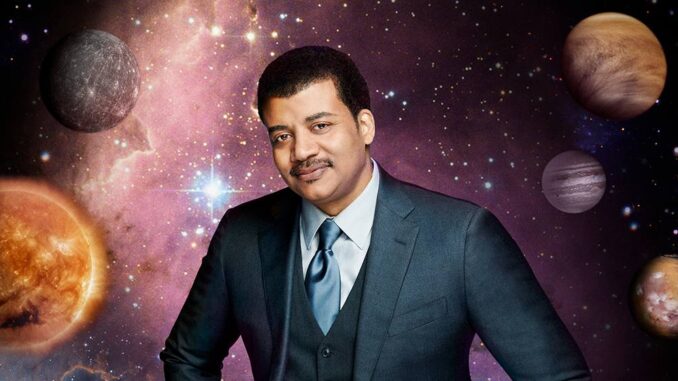

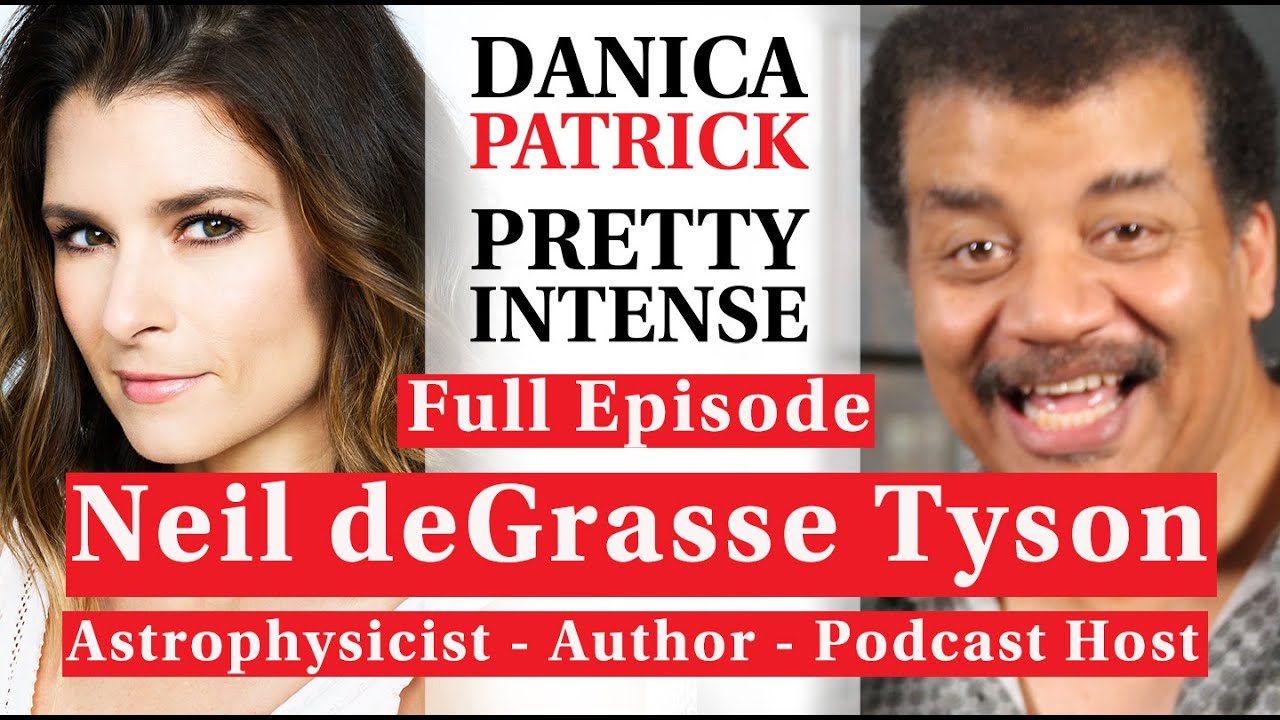
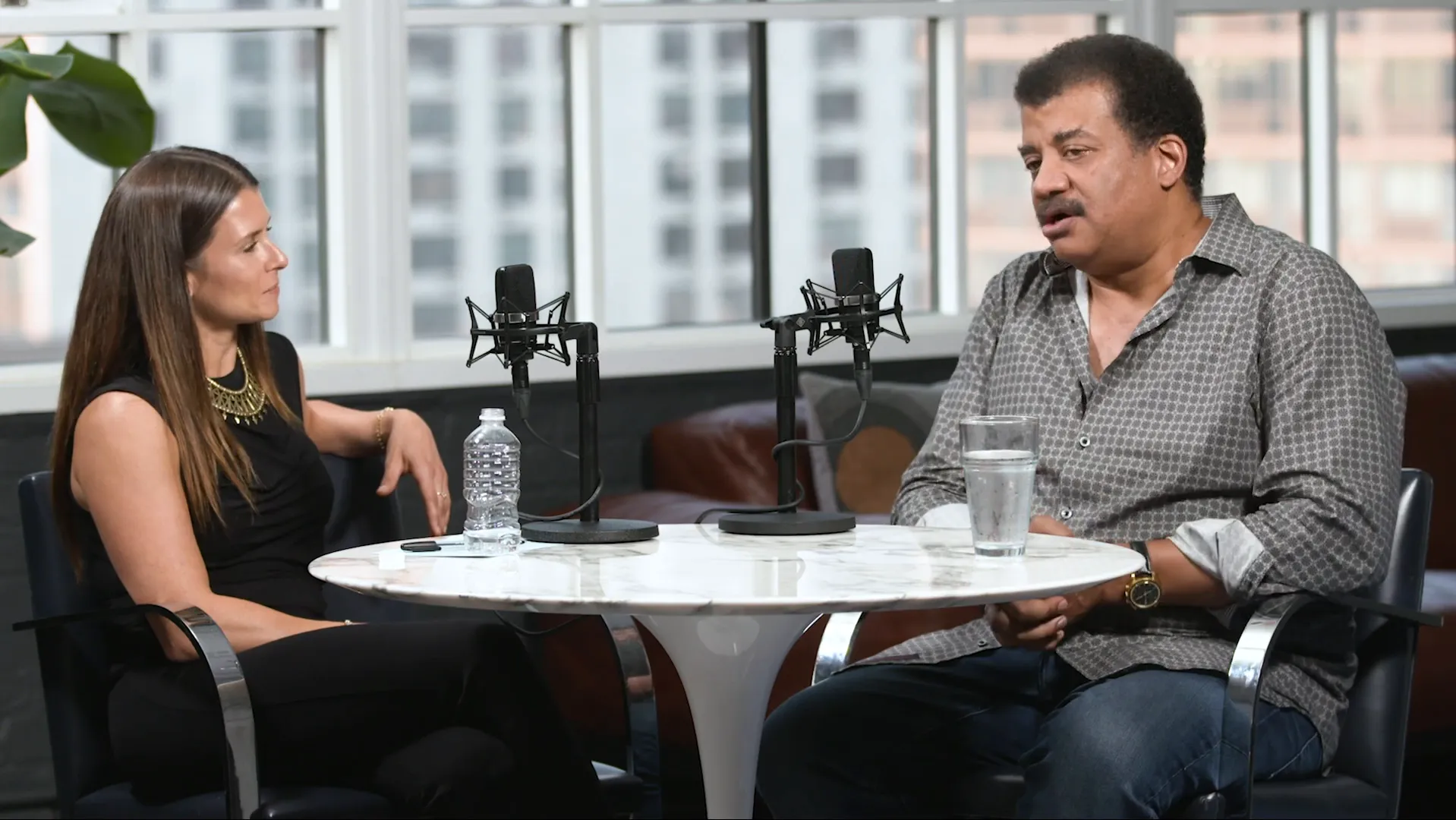
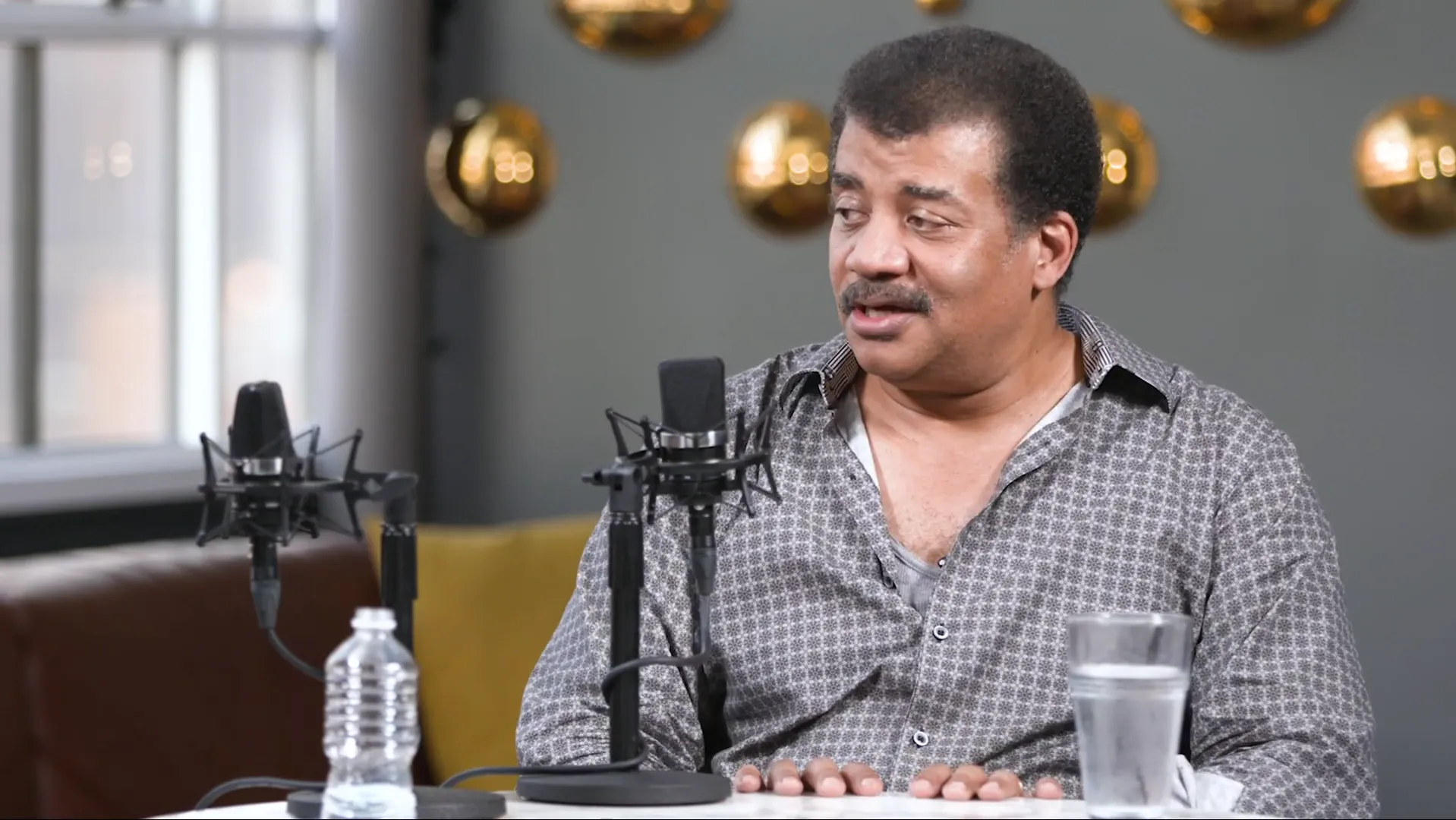
In a wide-ranging conversation on the Pretty Intense podcast, host Danica Patrick sits down with astrophysicist Neil deGrasse Tyson to explore big questions: the nature of the cosmos, the edges of scientific knowledge, religion and ritual, consciousness, and whether we are alone in the universe. Danica Patrick produced and hosts the episode; her channel can be found here.
Introduction: curiosity, humility, and the joy of not knowing
Tyson begins with a mindset that defines much of the interview: science is driven by curiosity and by embracing ignorance as the frontier to explore. He frames discovery as a journey—not simply to collect answers but to be drawn toward the perimeter of what we do not yet know. As he notes:
“As the area of our knowledge grows, so too does the perimeter of our ignorance.”
That paradox—knowing more and therefore seeing how much more there is to learn—recurs throughout the conversation. Tyson contrasts the scientist’s appetite for questions with religion’s offering of comforting answers, and he encourages a respectful, informed exchange between the two.
Science and religion: answers, rituals, and civic life
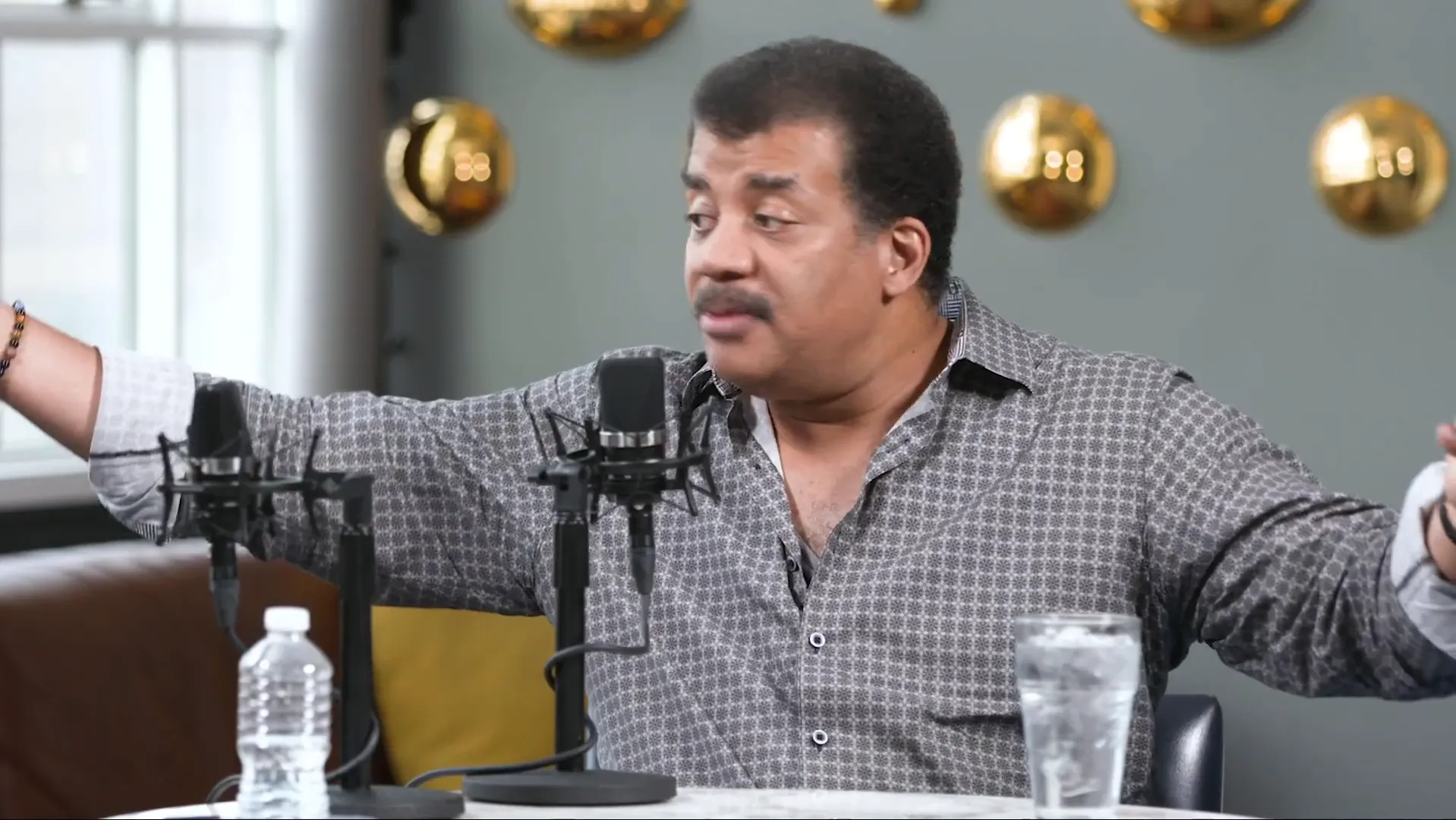
Danica asks direct questions about the relationship between science and religion. Tyson explains that religion often supplies definitive answers to existential questions—such as what happens after death—where science instead highlights ambiguity and invites ongoing inquiry.
To engage respectfully with religious questions, Tyson read foundational texts and historical translations before answering publicly. That thoughtful approach allowed him to point out specific examples—like an ancient description of pi in one King’s palace—that illustrate how knowledge evolves over time.
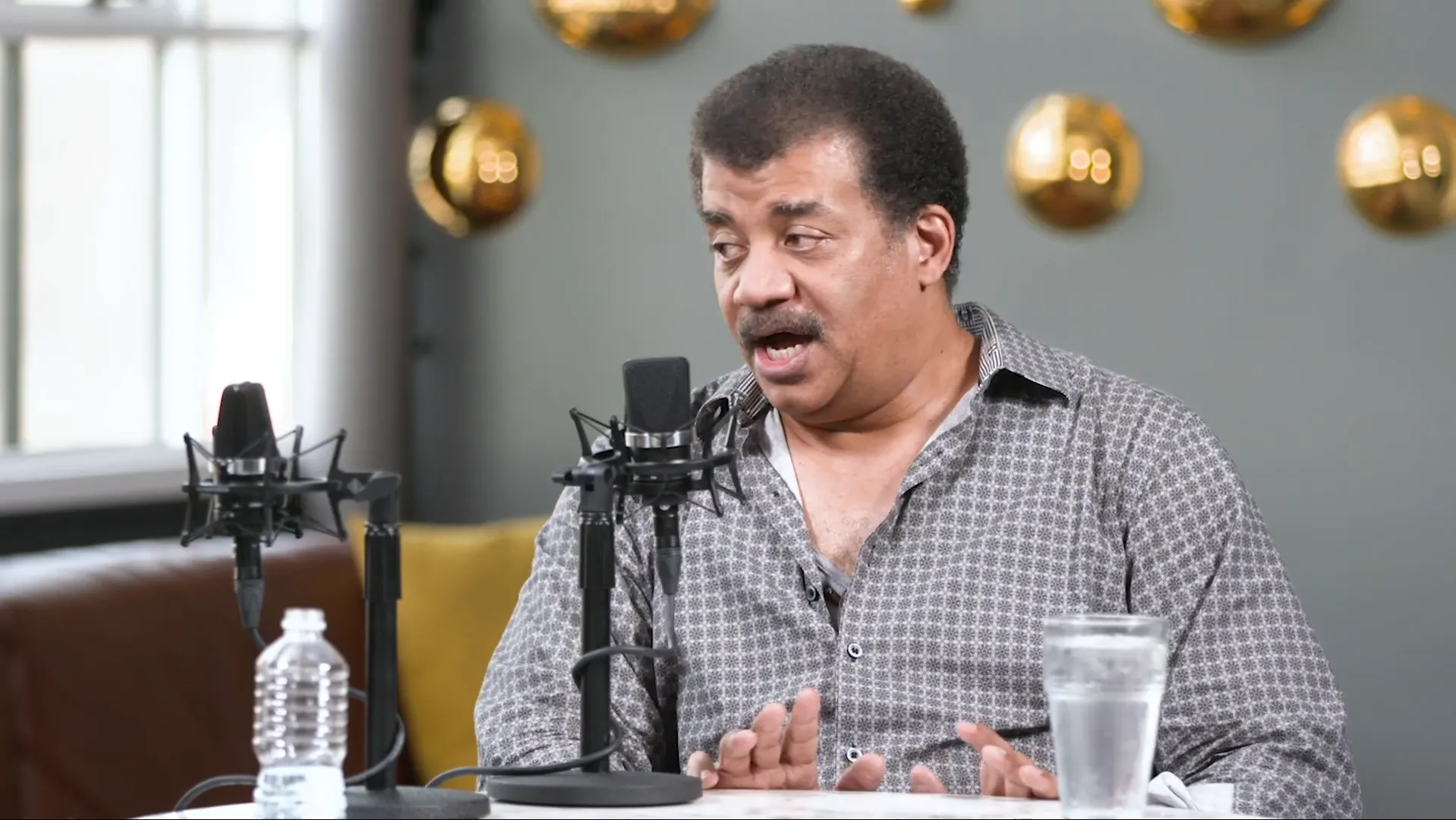
Tyson also defends ritual’s social value while pointing out that rituals that harm people should be re-evaluated. He notes that many cultural customs—religious holidays, national rituals, shared meals—help bind communities together, even when their original explanations no longer match modern scientific understanding.
Consciousness: the next scientific frontier
One of the interview’s focal points is consciousness. Tyson calls consciousness “a huge frontier,” observing that the more books and theories exist on a subject, often the less we truly understand it. He emphasizes that neuroscience shows many aspects of “who we are” are rooted in brain circuits: damage to specific regions can erase language, facial recognition, or memory.
“If everybody’s writing books on a subject, it means we know nothing about it.”
Tyson asks the questions that reveal the mystery: why does each person wake up as themselves and not as someone else? He also challenges listeners to consider whether consciousness is even the best framing for the questions we want answered, reminding readers that asking the right question is often the first scientific step.
Matter, emptiness, and why we are stardust
Tyson takes a classic route back to basic physics to help ground philosophical questions. He tells the Rutherford gold-foil story to demonstrate how matter is mostly empty space—electrons and nuclei with vast regions between. That discovery reshapes how one thinks of solidity and scale.
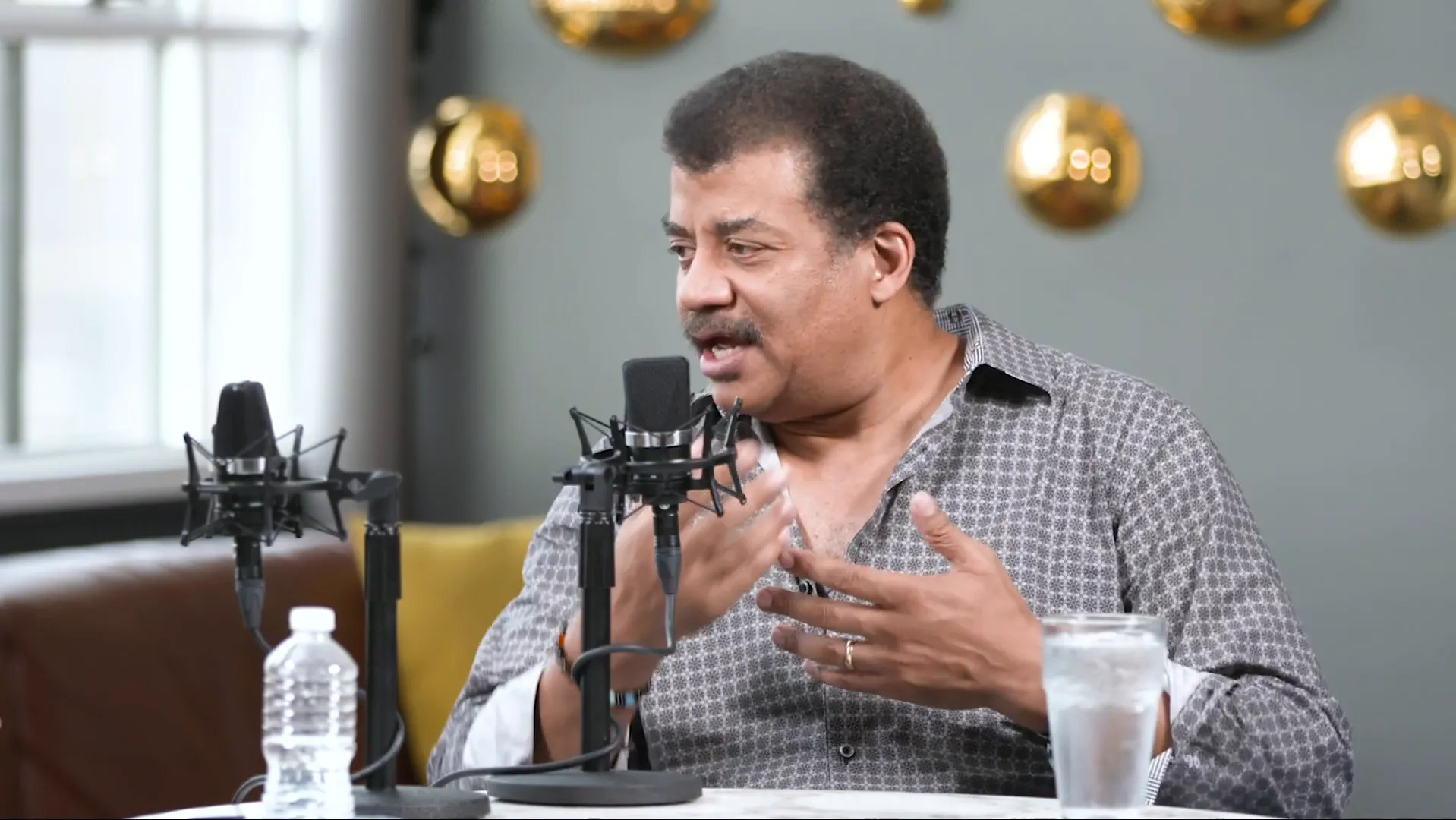
He expands that thought: if all human atoms were compressed to remove empty space, the entire population might fit in the volume of a piece of fruit. Rather than diminishing human significance, Tyson argues this physical reality enables molecular interaction, chemistry, and ultimately life.
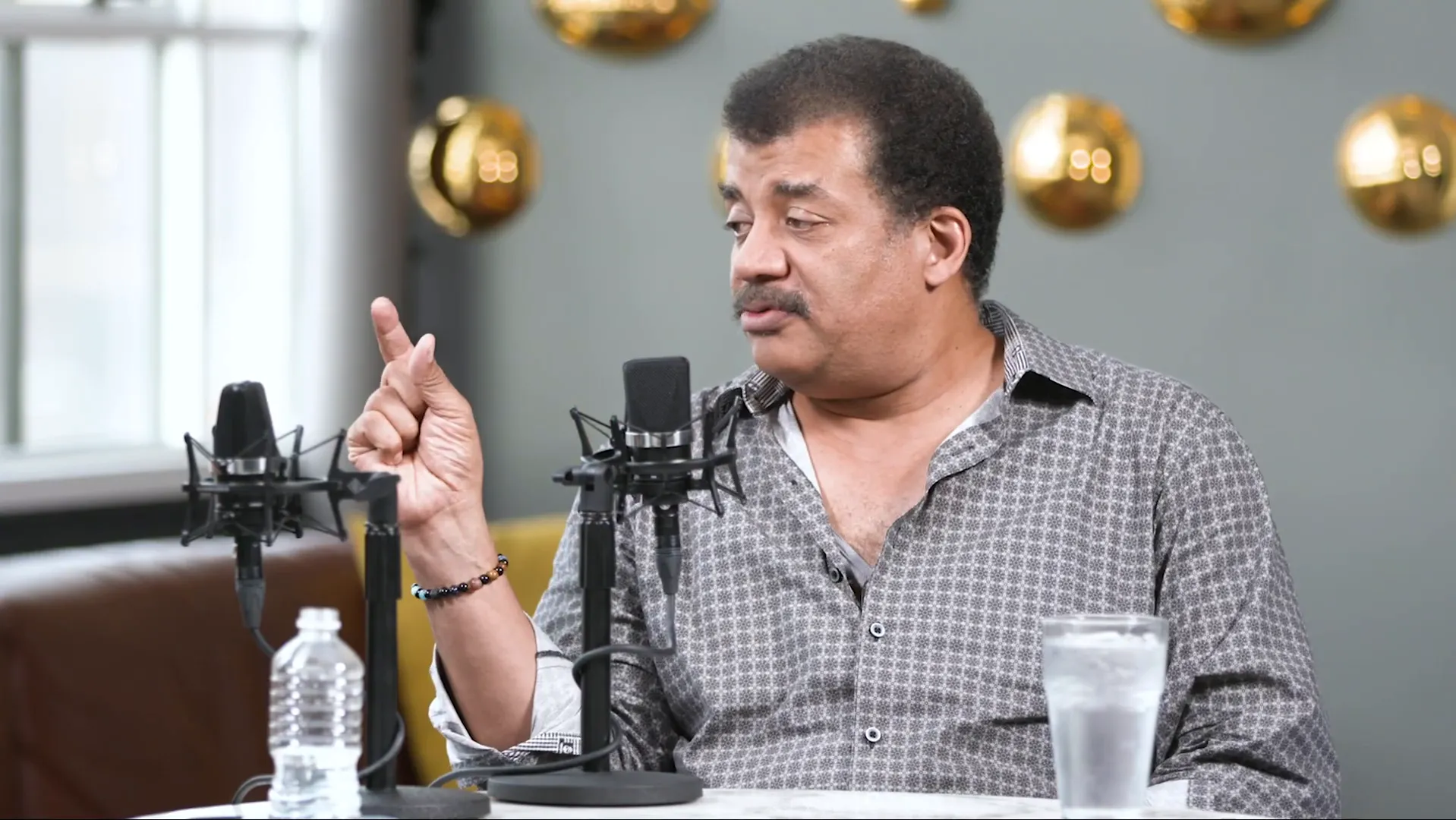
Tyson reiterates a favorite phrase: humans are literally built from the elements forged in stars. Carbon, oxygen, nitrogen, phosphorus—common throughout the cosmos—make life possible. In searching for life beyond Earth, he explains, carbon-based biology is a practical first target because it is chemically versatile and plentiful.
Aliens, the “one percent” thought experiment, and why we search
Danica asks the question everyone wants answered: are aliens real? Tyson responds with the scientist’s conditional optimism: probably. Life on Earth emerged quickly once conditions allowed, and the universe contains the common ingredients for life.
He then presents an imaginative thought experiment based on the genetic proximity between humans and chimpanzees. If a lifeform existed that was only one percent more intelligent than humans, its everyday thinking would be incomprehensible to us. Build on that incrementally—one percent more, then another—and the gap between species could expand to an intelligence scale almost unimaginable.
“Maybe the difference between the human and the chimpanzee at the one percent DNA is the same small difference as between stacking boxes to reach a banana and the Hubble Space Telescope.”
This argument reframes the Fermi paradox: intelligent life could exist but be so advanced (or so different) that our searches for “life like us” might miss it. Practically, though, Tyson defends searching for carbon-based life first—it’s where the evidence and budgetary logic point.
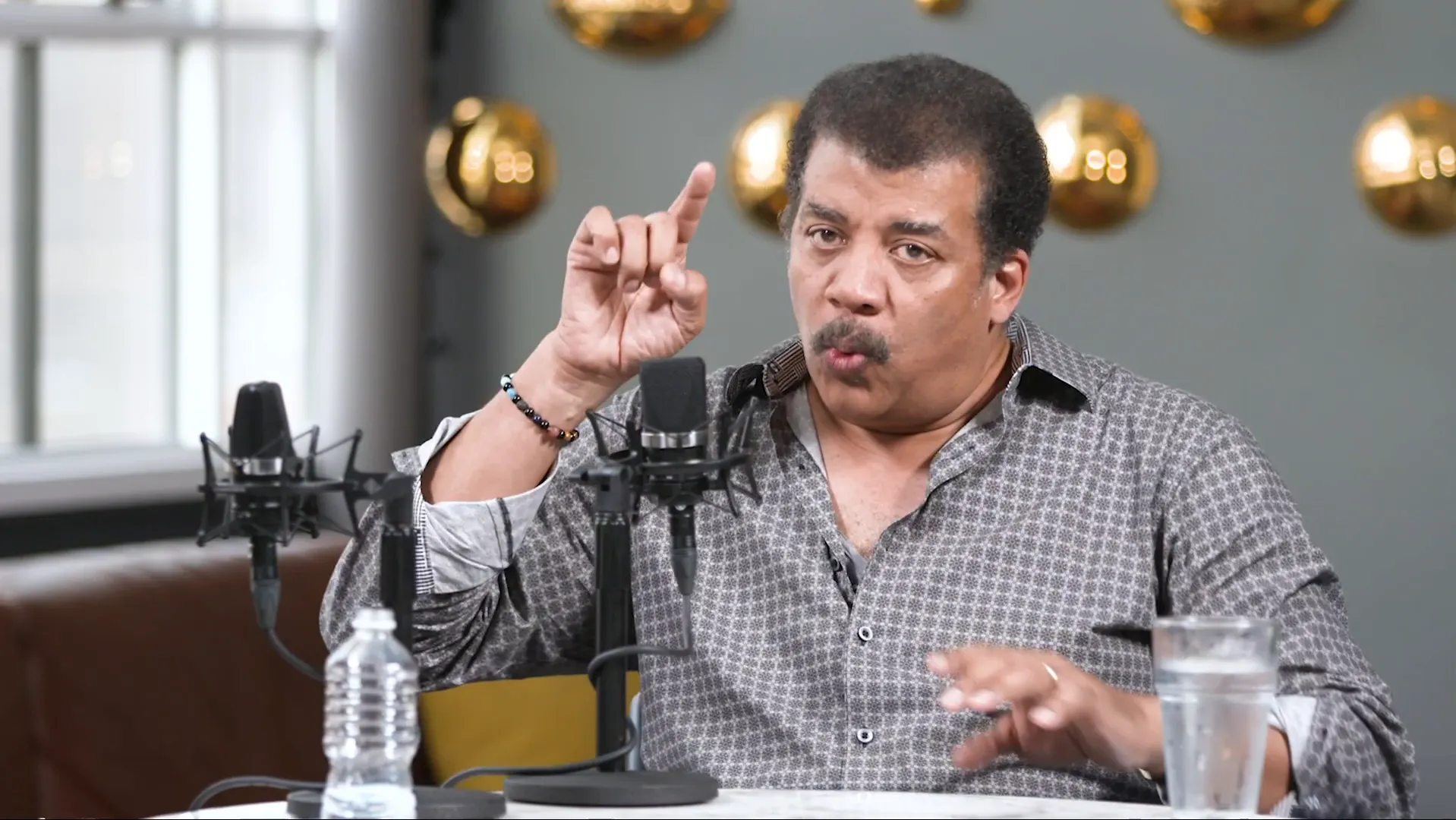
Science literacy, civic responsibility, and the point of life
Tyson repeatedly returns to a civic theme: when policy and public decisions affect public health, wealth, and security, scientific literacy matters. He imagines a stark social experiment—removing modern science from the lives of people who deny it—to illustrate how dependent modern survival is on scientific advances.
He classifies truth into three categories—objective, personal, and political—and argues that laws for pluralistic societies should rest on objective truths discoverable by science, not on personal belief or politically repeated falsehoods.
Finally, Tyson addresses purpose and mortality with a perspective meant to motivate: each person is the product of staggering odds and a genome that could have combined in trillions of ways. That improbability is a reason to celebrate existence, to learn, and to leave the world better than one found it. He quotes Horace Mann as a personal guiding inscription: “Be ashamed to die until you have scored some victory for humanity.”
“Most humans who could ever exist never will… The fact that you exist at all is against stupefying odds.”
Practical takeaways
- Embrace ignorance as the frontier that motivates discovery.
- Respect rituals for their social value while subjecting claims about physical reality to evidence and inquiry.
- Recognize the brain as the seat of many functions traditionally ascribed to spirit; yet accept consciousness remains a deep, unsettled question.
- Look for life where the chemistry and budgetary constraints make discovery most likely—carbon-based life first—while acknowledging many possibilities.
- Promote scientific literacy where public decisions affect public welfare.
- Celebrate existence, learn daily, and aim to leave a positive mark on humanity.
Further reading and credits
This article summarizes a conversation hosted by Danica Patrick on the Pretty Intense podcast featuring Neil deGrasse Tyson. For the full episode and to support the creator, visit Danica Patrick’s YouTube channel: https://www.youtube.com/channel/UCjzc6KWjzKosSGw0VkIHaaw

Watch the full episode
Below is the original episode for those who want to hear the full conversation and enjoy the original delivery and nuances of the exchange.

Be the first to comment