


LAWYER: NEW Tips If The Cop Says They “Smell Weed”
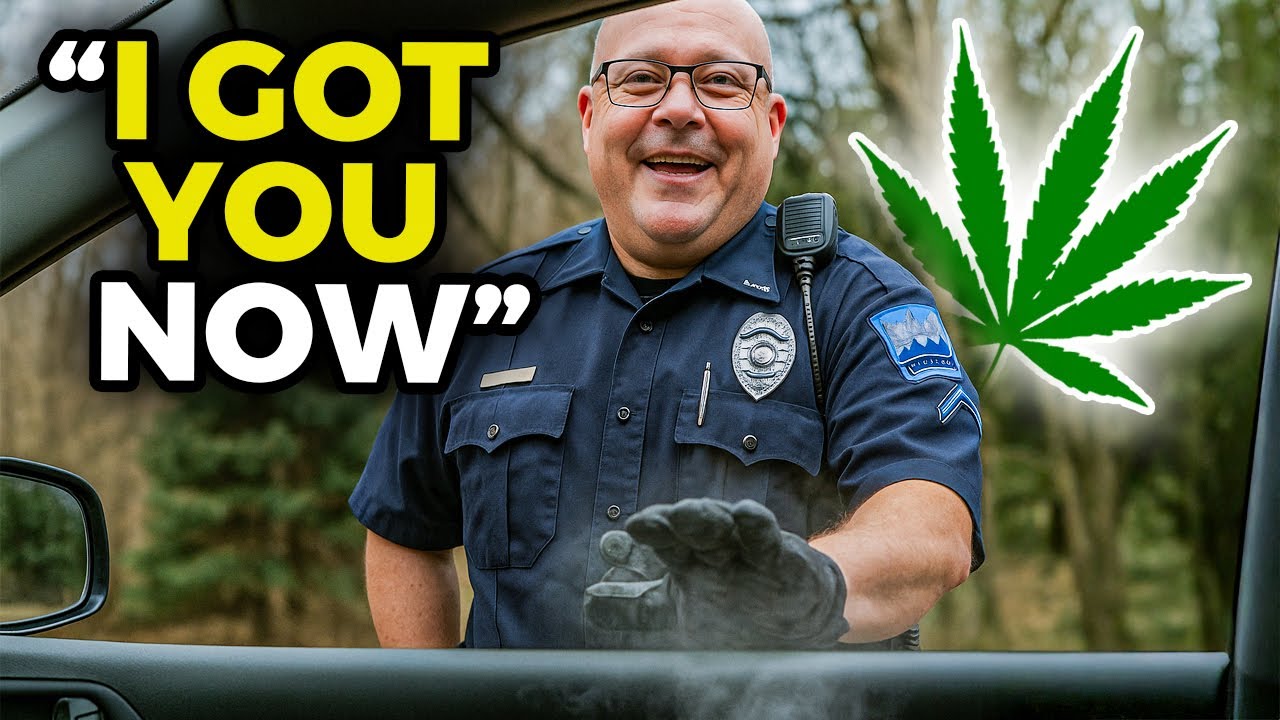 Imagine you’re driving home from work. You haven’t done anything wrong, yet suddenly a patrol car signals you to pull over. Your heart rate spikes and your mind races. You expect the officer to mention something minor—maybe speeding or a missed turn signal. But instead, the cop leans in and says, “Smells like marijuana.” What do you say next? What should you do? Can you protect yourself? And is there a way to stop this common police tactic?
These questions are crucial because in moments like these, most people freeze or panic. They say the wrong thing or inadvertently give consent, and just like that, their Fourth Amendment rights vanish. This article will walk you through exactly what to say and do if you ever find yourself in this situation. From traffic stops to knock-and-talks, from cops claiming they smell weed to dealing with searches, you’ll learn the phrases to say, the traps to avoid, and how to stand up for your rights.
Understanding Your Fourth Amendment Rights
The core of your protection lies in the Fourth Amendment to the United States Constitution, which states, “The right of the people to be secure in their persons, houses, papers, and effects against unreasonable searches and seizures shall not be violated.”
In practical terms, this means a police officer cannot just rummage through your pockets, car, home, or property without a good reason. This “good reason” is known legally as probable cause.
Probable cause means the officer has enough clear facts to reasonably believe a crime is being committed. Think of it like walking into your kitchen and seeing smoke: you have a good reason to believe there’s a fire. Where there’s smoke, there’s usually fire.
However, police only need reasonable suspicion—a much lower standard—to pull you over for a traffic stop. They can temporarily detain you to investigate if a crime might be happening. Unfortunately, police often blur this line. They detain you on reasonable suspicion but then fish for probable cause based on your nervousness or behavior, hoping to justify a search.
The “Smell of Marijuana” Tactic: What You Need to Know
One of the most abused statements by police during traffic stops is, “I smell marijuana.” For decades, this phrase has been used as a key to get into your car because the smell was considered probable cause.
But things have changed recently, and it’s critical to analyze this situation carefully. When a cop claims they smell marijuana, ask yourself three important questions:
- Is marijuana legal in your state? If yes, it’s unlikely the smell alone can be used as probable cause to search your car. In states where marijuana remains illegal, like Texas, courts often uphold the officer’s claim that the smell justifies a search and potential arrest.
- Is the cop claiming the smell is burnt marijuana or fresh marijuana? The difference matters. Burnt marijuana odor is harder to tie directly to your vehicle because it can linger or be carried over from another place. Fresh marijuana smell, however, is usually more directly linked to possession inside the car.
- Does probable cause extend to passengers in the car? According to the 1948 Supreme Court case United States v. DeRay, probable cause for the driver does not automatically extend to passengers. The car is legally treated as a container controlled by the driver. Separate probable cause is needed to search or detain passengers.
 Be cautious of officers trying to get you to admit the smell is marijuana. Sometimes, they’ll ask, “You smell that? What does it smell like to you?” Hoping you’ll say yes, which gives them a confession and makes their job easier.
How Police Target Passengers
Police will often try to create probable cause for passengers by:
- Observing behavior such as bloodshot eyes or signs of intoxication
- Looking for physical indicators like “meth mouth,” missing hair, or burnt fingertips
- Trying to get passengers to admit knowledge or possession
But if everyone remains silent and exercises their constitutional rights, the police cannot legally detain or search passengers. It must be proven that an individual exercised care, custody, or control over the drugs found.

State-Specific Changes and Legal Nuances
Several states have updated their laws regarding marijuana odor and searches:
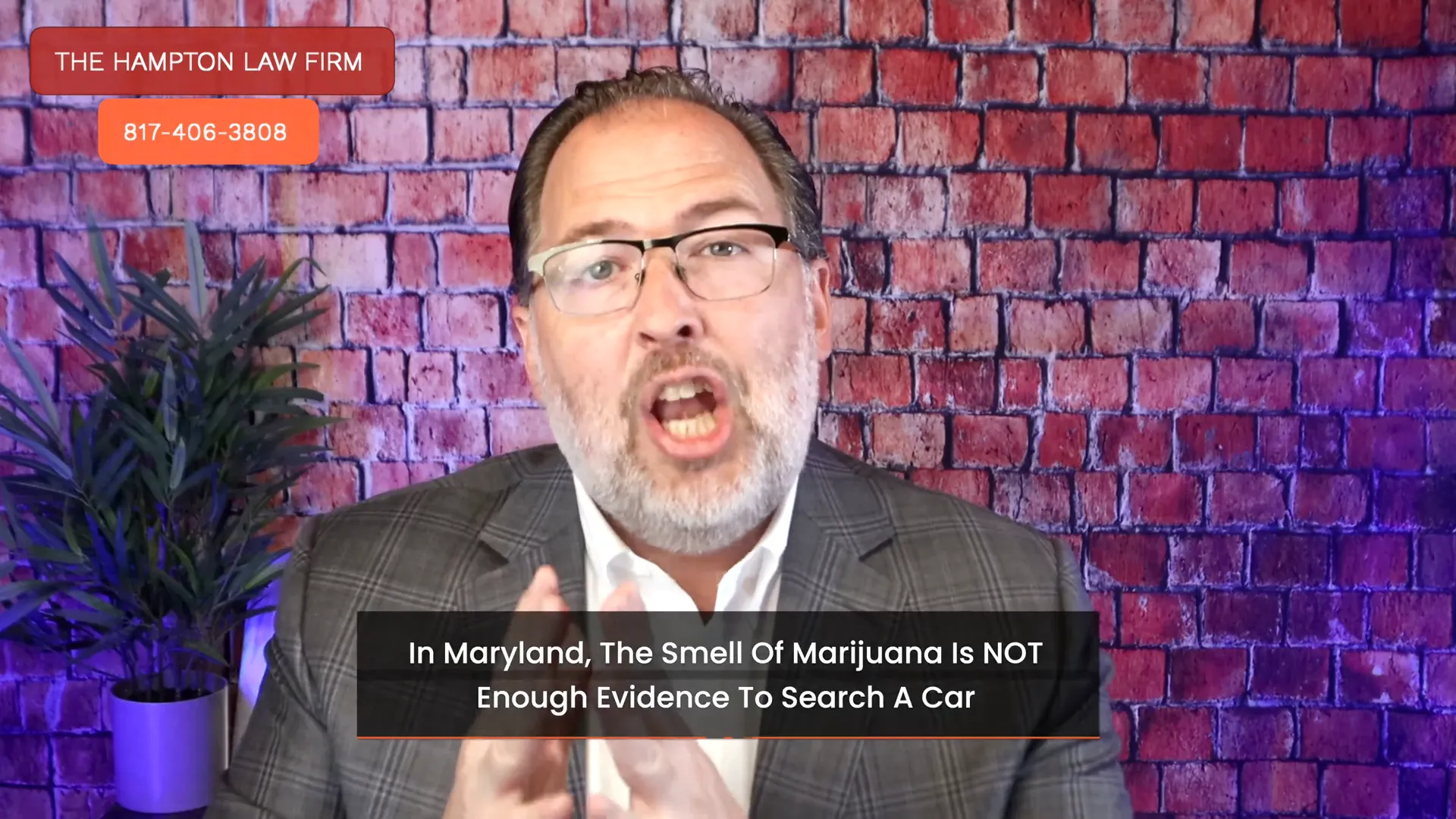
- Maryland: Courts ruled in 2020 that marijuana odor alone isn’t enough to search a person, and by 2023, it’s no longer enough to search a car.
- Colorado: Drug-sniffing dogs alerting to marijuana cannot establish probable cause without additional evidence.
- Ohio: Since recreational legalization in 2023, marijuana smell alone is insufficient for probable cause; officers look for impairment evidence.
- Florida and Texas: Marijuana possession remains criminalized, so police still use marijuana smell as probable cause to search vehicles.
Even in states where marijuana is legal, the smell of hemp can be indistinguishable from marijuana, complicating the issue further.
Common Police Loopholes and How to Protect Yourself
Loophole #1: The Pretext Stop
The Supreme Court case Wren v. United States allows police to pull you over for minor traffic violations—even if their main goal is drug enforcement. This means they can use a small infraction as an excuse to investigate you further.
How to combat this:
- Always signal your turns and keep your vehicle in compliance with traffic laws.
- If pulled over and it feels like fishing, remain silent.
- When handed a ticket, ask, “Am I free to leave, or am I being detained?” The stop is over once you receive the ticket.
Loophole #2: Holding Your Car for a K-9 Unit
The Rodriguez v. United States case prohibits police from extending a traffic stop beyond the time needed to address the original reason unless they have separate reasonable suspicion or probable cause.
How to handle this: Keep asking, “Officer, am I free to go or am I being detained?” If free, leave. If detained, remain silent and ask for an attorney.
The Golden Rule: Never Consent to a Search
Consent cures all for cops. If you say yes or fail to say no, they can search everything. The key phrase to memorize is:
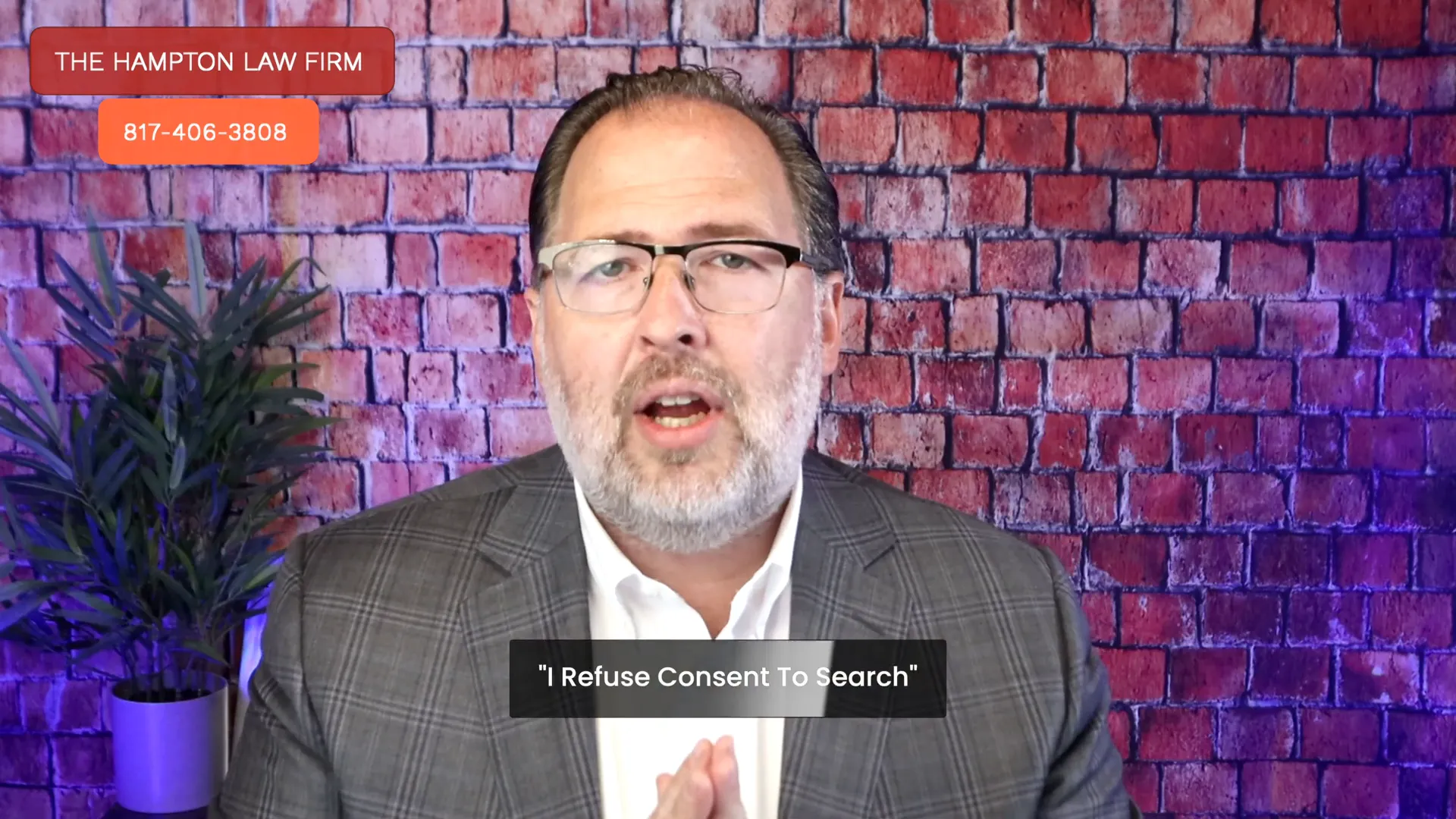
“I refuse consent to search.”
Say this calmly and then remain silent. Don’t volunteer any information or open your car door for them.
Furtive Movements and Nervousness: What the Law Says
Police often claim that nervousness or furtive movements justify a search. But legally, this is shaky ground:
- Furtive Movements: Sudden or suspicious movements (like ducking down or reaching quickly) alone usually don’t establish probable cause. Texas courts have ruled that a “furtive gesture without more” is insufficient to justify a search.
- Nervousness: Being nervous during a traffic stop is normal and courts have ruled it is not a reliable indicator of criminal behavior.
If accused of either, calmly raise your hands and say, “Officer, I didn’t reach for anything and I do not consent to a search.”

What to Do If You Are Searched Anyway
- Stay calm, avoid quick movements, and record everything. You have the right to record police encounters.
- Provide only your license, proof of registration, and insurance. Nothing more.
- Repeat your refusal to consent to a search: “Officer, with all due respect, I refuse consent to search.”
- If you are given a ticket but held longer, ask, “Am I free to go or am I being detained?” If detained, remain silent and request a lawyer.
Handling Police at Your Door
If officers come to your front door claiming they smell marijuana:
- If they don’t have a warrant, you can ignore them. They cannot legally enter your home without one.
- If you choose to speak, do so with the door closed. Ask, “Officer, do you have a warrant?”
- If no warrant, tell them to leave. If they claim to have one, ask to see it through a window or under the door.
- Ignore any threats that non-cooperation will “make things worse”—this is an old police trick.
- State firmly, “I’m invoking my Fourth Amendment rights. I will only open the door if you come back with a warrant.”
What If a Cop Approaches You on the Street?
If a cop walks up to you and says they smell marijuana, this is considered a consensual encounter. You have the right to ignore them and keep walking. The officer cannot legally detain you without reasonable suspicion.
If the officer tries to stop you, immediately ask, “Am I being detained or am I free to go?” If the answer is “free to go,” walk away calmly without responding.
If the officer says you are detained and tries to search you, calmly say, “I do not consent to a search.” This verbal refusal is crucial for your legal protection.
If the officer ignores your rights, remain calm and invoke your right to remain silent and your right to an attorney. Avoid escalating the situation.
Final Thoughts: Know Your Rights and Stay Calm
When police claim they smell marijuana, it can feel intimidating. But remember these key points:
- Never consent to a search.
- Always ask if you are being detained or free to leave.
- Exercise your right to remain silent and ask for a lawyer if detained.
- Stay calm and avoid quick movements.
- Record police encounters whenever possible.
Understanding these rights and how police tactics work can protect you from unlawful searches and preserve your Fourth Amendment protections.
For a deeper dive into how police use deception and how to counteract their tactics, consider exploring further resources on police interrogation and your rights.

Be the first to comment