
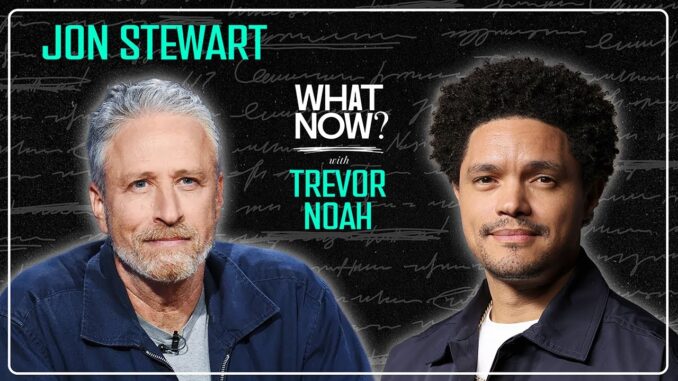

In a captivating episode of What Now? with Trevor Noah, two legendary comedians and hosts—Jon Stewart and Trevor Noah—sit down for a heartfelt and insightful conversation. This episode delves deep into their personal journeys, shared experiences hosting The Daily Show, the challenges of navigating public discourse in the social media age, and the importance of context and grace in comedy and life. What emerges is a rare and genuine dialogue that explores identity, culture, and the complexities of modern society.
The Introverted Comedians: Finding Energy in Solitude
Both Jon Stewart and Trevor Noah reveal a surprising truth about themselves: despite their careers in comedy, they are introverts at heart. Trevor shares how bartending gave him the illusion of being social without the pressure of direct interaction, and how stand-up comedy allowed him to engage with an audience on his own terms, focusing on the task rather than socializing. Jon relates deeply, explaining how his friends intentionally push him out of his comfort zone to balance his natural tendency toward isolation.
A Fateful Phone Call and The Birth of a Comedy Legacy
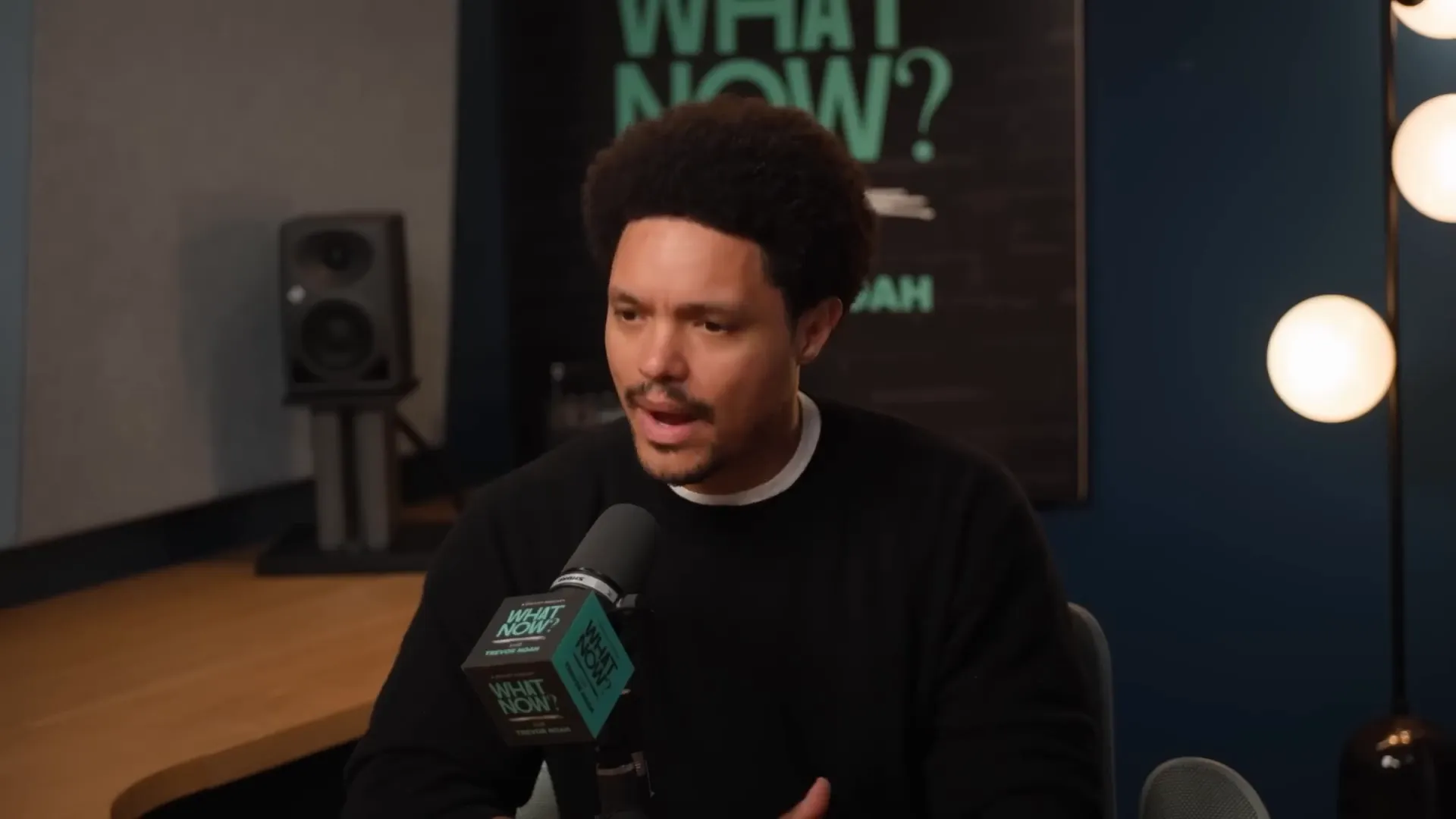
Jon recounts the memorable moment he first called Trevor, inviting him to join The Daily Show. Despite Trevor not knowing who Jon was at the time, the call was marked by humor and authenticity. Jon describes seeing Trevor’s early stand-up performances and recognizing a rare authenticity and warmth that couldn’t be faked. This insight led to an opportunity for Trevor to join the show, marking a major turning point in his career.

Comedy and Context: The Misunderstood Art
One of the episode’s most compelling discussions centers on the importance of context in comedy. Trevor explains how jokes told in a comedy space can be easily misunderstood when taken out of context, especially in the age of social media algorithms that weaponize fragments of content to hurt or provoke. He shares a poignant example involving his late dog, Dipper, to illustrate how even heartfelt moments can be twisted online.
“Most of the time, comedians would be telling a joke in the context of a comedy space… Now what happened is they take that joke out of the comedy space. The algorithm sends it to somebody whose grandfather died on the Titanic.” – Trevor Noah
The Toxicity of Social Media and the Illusion of Free Speech
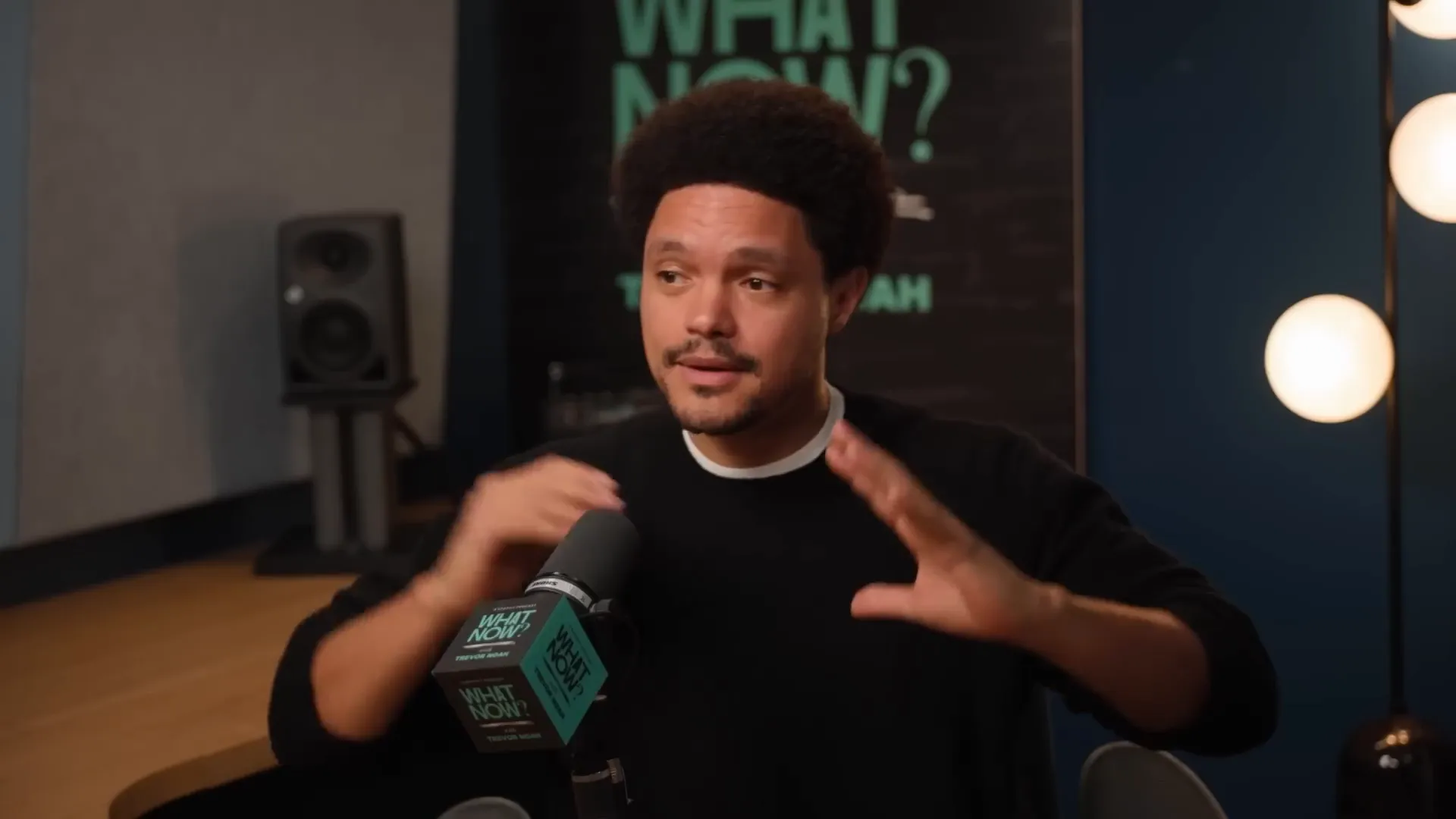
Both comedians lament how social media platforms have transformed from neutral town squares into toxic arenas designed to provoke outrage and maximize engagement. Trevor highlights how these platforms use “ultra-processed speech” to bypass our mental defenses, likening it to junk food for the brain. They discuss how social media amplifies ideological battles and creates fragmented perceptions of people and ideas, fueling division rather than understanding.

Reflections on Identity, Diaspora, and Belonging
Jon and Trevor engage in a thoughtful conversation about their cultural identities and the concept of diaspora. Trevor, identifying as Jewish but not religious, challenges the idea that safety and wholeness require a physical ancestral homeland. He stresses the importance of making communities safe where they currently live, rather than feeling forced to relocate. They also explore the complexities of African and Jewish diasporas, touching on cultural pride, misunderstandings, and the nuances of shared histories.

Bridging Cultural Gaps: Blacks, Jews, and Shared Histories
Trevor recounts a comedic bit he once did about the historical tensions and commonalities between Black and Jewish communities. He sheds light on how cultural perceptions and stereotypes develop, and how social media and online spaces sometimes weaponize these misunderstandings. Using anecdotes from hip hop and everyday life, Trevor illustrates the shared struggles and mutual respect that often get lost in broader societal narratives.

On Prejudice, Racism, and the Need for Discernment
The conversation turns to the difference between prejudice, stereotype, and racism. Trevor emphasizes that prejudice often stems from ignorance and experience, whereas racism is malevolent by nature. He advocates for greater empathy and discernment, encouraging people to recognize the complexities within groups rather than making snap judgments. This nuanced understanding is vital for breaking down barriers and fostering genuine connection.

Politics, Forgiveness, and the Art of Redemption
Jon and Trevor explore the political climate, particularly the challenges liberals face with rigid in/out group mentalities. Trevor contrasts this with conservative beliefs in redemption and forgiveness, noting how faith traditions influence political loyalty. They discuss the difficulties public figures face when misunderstood or deliberately misrepresented, and the importance of grace—both for oneself and others—in navigating mistakes and growth.
“If you love something, if you believe in the idea of something, you have to stress test it.” – Jon Stewart

Finding Peace Through Craftsmanship and Music
Jon shares intimate reflections on his struggles with mental health and how hands-on activities like woodworking and playing the drums have helped him find calm and focus. These creative outlets offer a peaceful escape and a way to quiet a restless mind, providing therapeutic benefits that have sustained him through difficult times.
Lessons from a Bull Chase and the Complexity of Social Realities
In a lighter yet profound anecdote, Jon recounts rescuing a bull named Frank that had escaped in Brooklyn. The story symbolizes mankind’s relationship with nature and control, but also serves as a metaphor for navigating complex social and political realities. They discuss how exposure to different cultures and experiences reshapes perspectives and challenges ingrained worldviews.
Final Thoughts: The Power of Information and Collective Growth
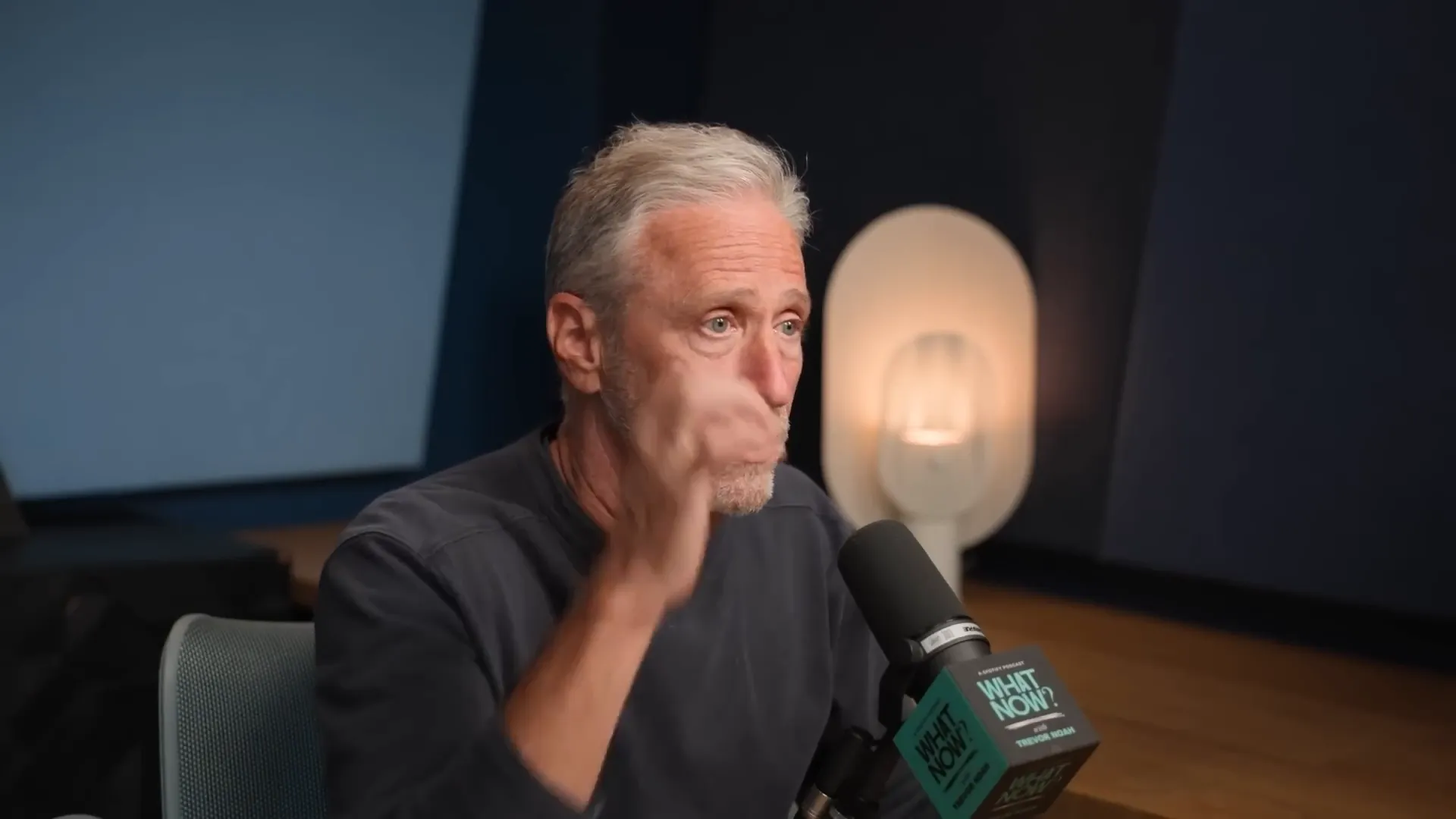
As the conversation winds down, both men express a wish for a better information ecosystem—one that provides accurate, contextual data to empower free will and informed decision-making. They acknowledge the beauty of uncertainty and the challenge of life, emphasizing that growth comes from navigating complexity with humility and resilience.
“The thing that I would wish for is not an instruction manual, but an information ecosystem that allowed those who would wish to access it and see it to be able to make those decisions about their future.” – Trevor Noah

Conclusion
This extraordinary dialogue between Jon Stewart and Trevor Noah offers a rare glimpse into the minds of two of comedy’s most thoughtful voices. They blend humor with profound insights on identity, culture, politics, and the digital age. Their reflections remind us that context, empathy, and grace are essential in understanding each other and ourselves. Whether discussing the intricacies of social media or the shared histories of diasporic communities, their conversation encourages us to seek connection and meaning beyond surface-level judgments.
For anyone interested in comedy, culture, or the current state of public discourse, this episode is a must-listen and an invaluable source of wisdom.


Be the first to comment