
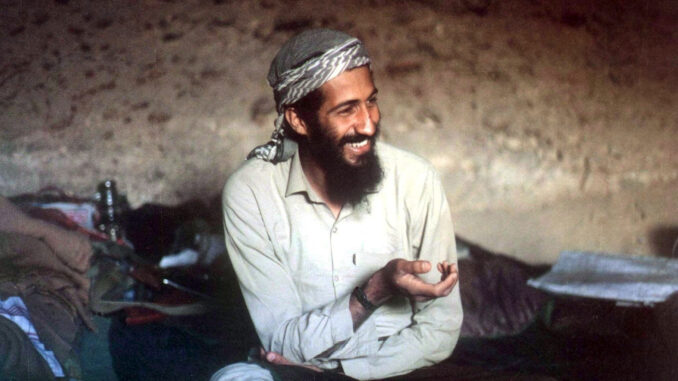

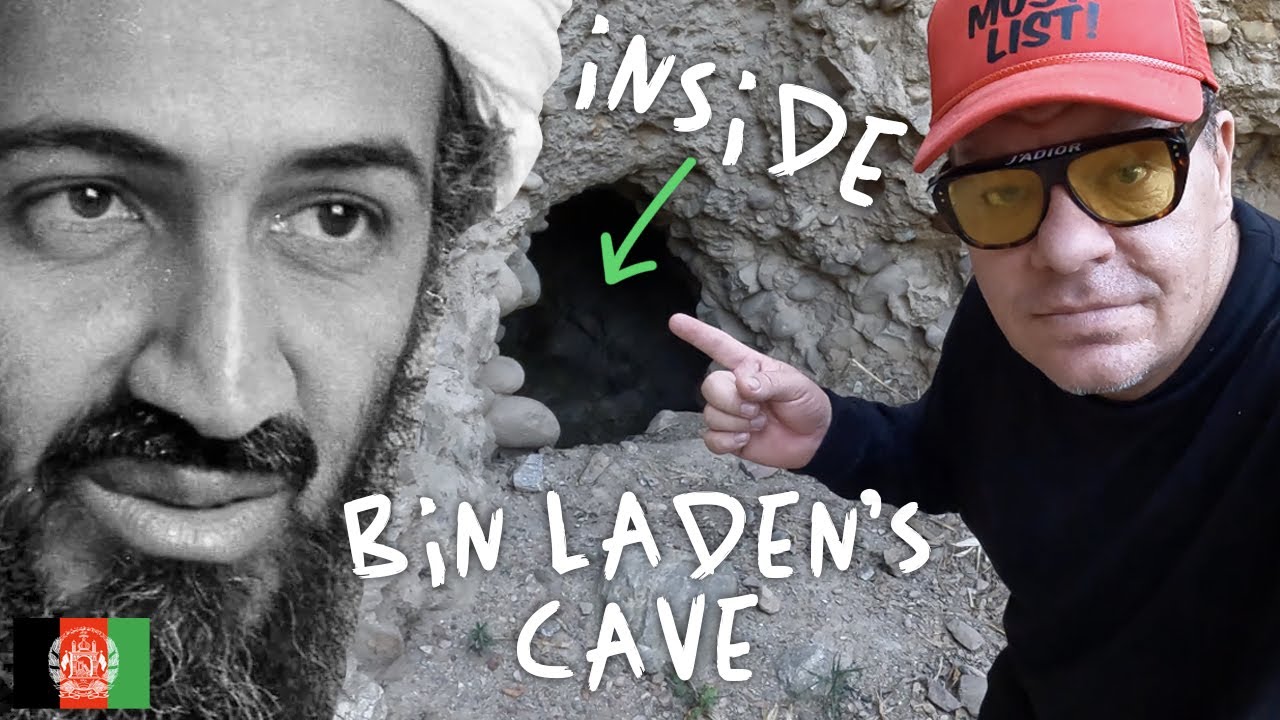
In a daring field report, YouTuber Chris Must List travels deep into the White Mountains of eastern Afghanistan to explore Tora Bora — the cave system once associated with Osama bin Laden. Guided by local fixer Kaiser and accompanied by a Taliban security guard, Chris gains rare access to the rugged terrain, the ruined house site, and the actual caves that still hold memories for men who lived and fought there.
Journey to the Edge: Permission, Security, and the Drive In
The day begins with uncertainty. After about 90 minutes at a local police station — filled with tea, food, handshakes and long discussions — officials grant permission to travel. As Chris notes, locals told them very plainly: “As a tourist, you have the right to travel anywhere you want in the country with safety.” For extra caution a local security man with a rifle rides in the vehicle.
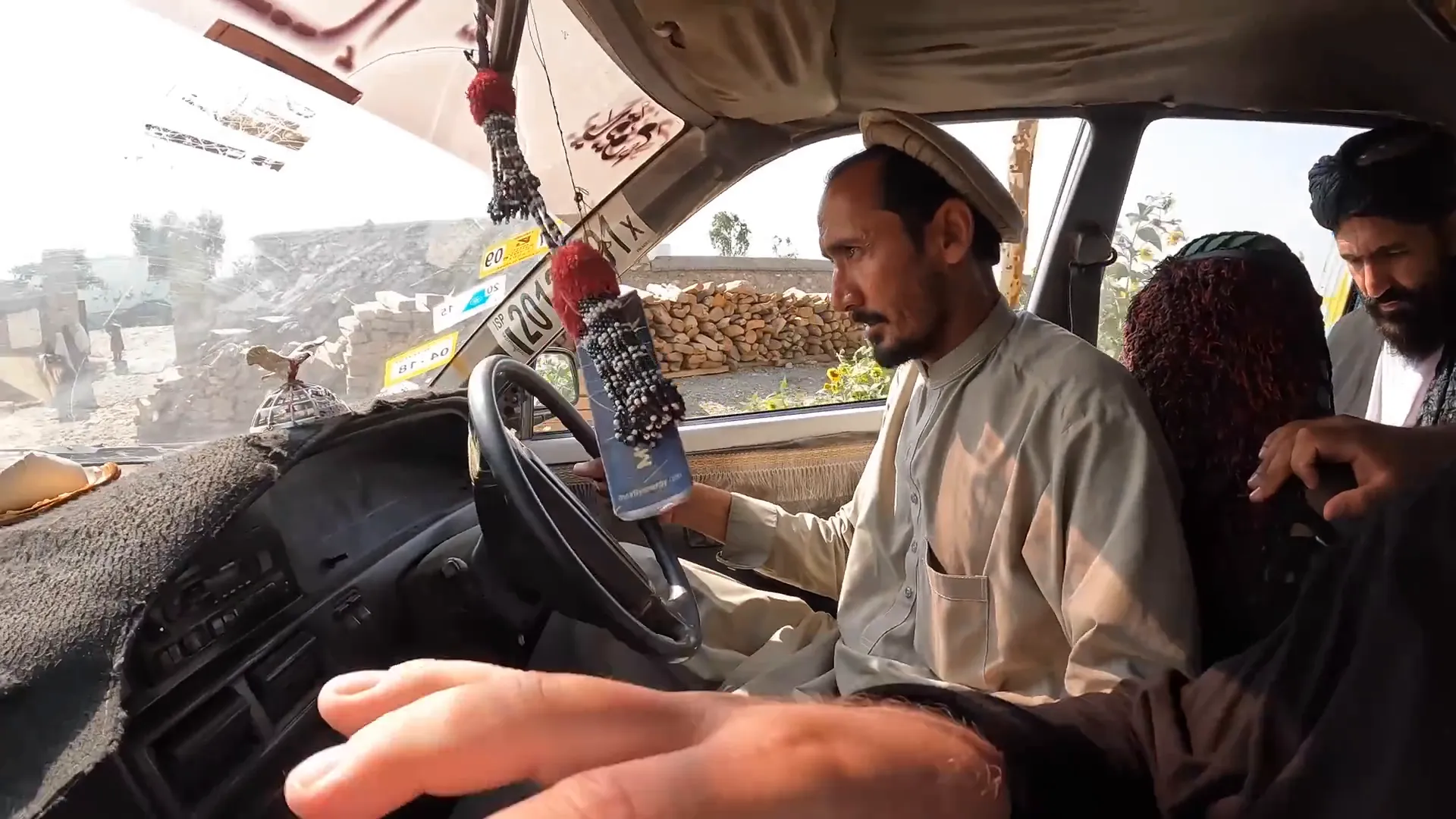
The road in is a six-hour drive from Kabul, followed by an hour on a bumpy, windy dirt track that climbs into near-vertical canyons. The convoy changes vehicles to handle the rough terrain, and part of the experience is simply surviving the treacherous, close-to-the-edge switchbacks.

On the Road: People, Small Kindnesses, and Local Life
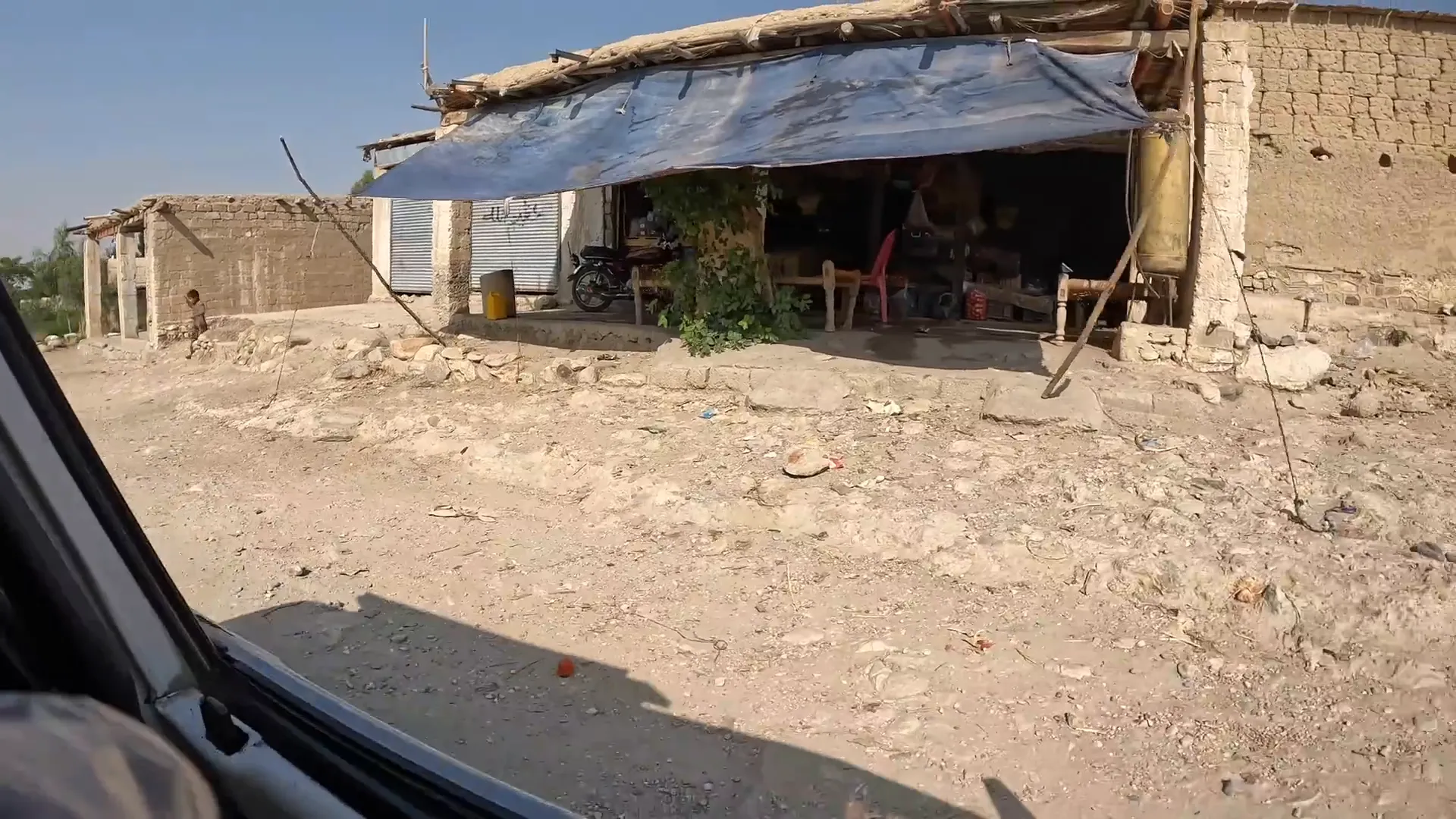
The trip is peppered with human moments: stopping at a tiny roadside shop, buying rubber balls to toss to children, and sharing quick, warm exchanges with people who remember the era when foreign fighters and Arab visitors stayed in the area. Those small scenes — children cheering when a ball lands near them and the guide tossing out treats — contrast sharply with the violent history of the place.
Local Voices and Lived Memory
Chris interviews several local residents who lived through Tora Bora’s most notorious years. One elder, who introduces himself as Fagul, recalls living alongside the foreign Arabs during the mujahidin fight against the Soviet Union. He remembers Osama bin Laden as a man they ate and prayed with — a figure who taught and organized but was also part of daily life.
“He was a good person. He was like kind of skinny… he was very very good and nice person.”
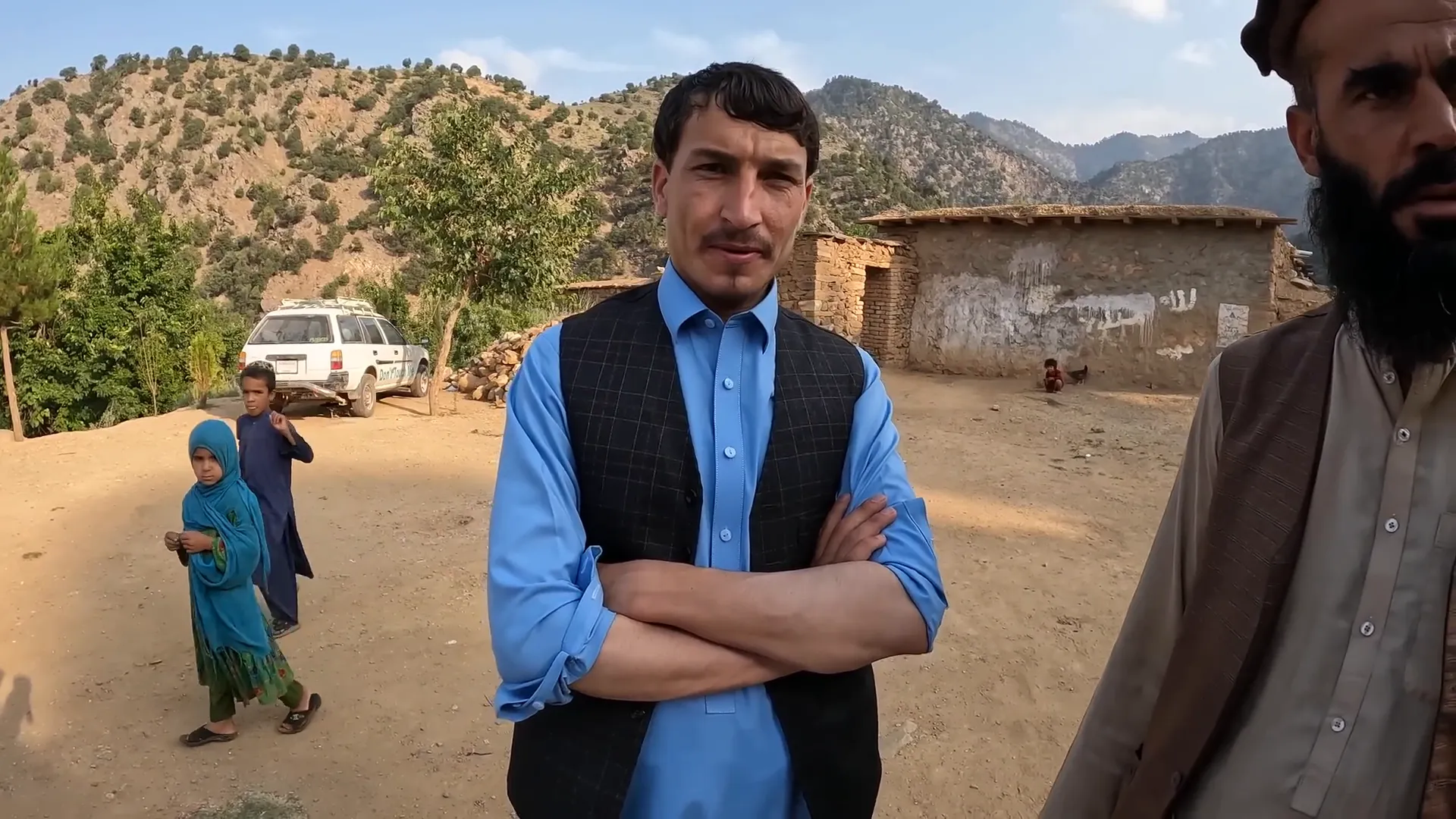
Arriving at Bin Laden’s Former Property
Finally, the group reaches the cleared plateau identified locally as Bin Laden’s property. The house is ruined — largely destroyed by air strikes — and nearby caves that once formed a network for shelter and defense are partly collapsed. Locals explain the layout: a simple home for a man from an affluent background who chose remote safety over comfort.
Chris walks the footprint of the house and explores cave mouths that still feel unnaturally cool. Inside one cave, the air becomes a natural refrigerator; carved and drilled openings show that much of the tunnel network was mechanically excavated.
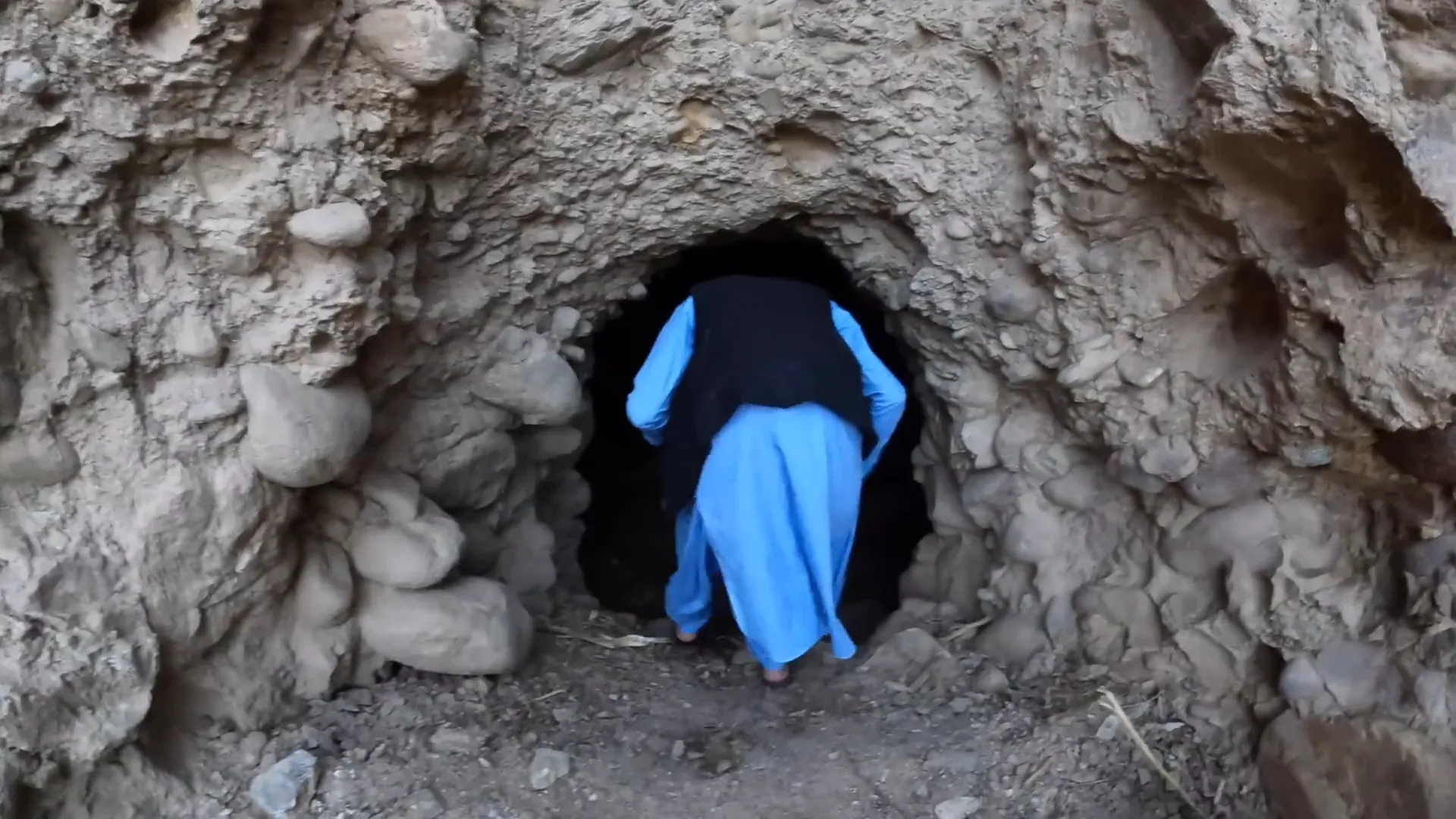
What the Locals Say About the 2001 Offensive
Local testimony emphasizes indiscriminate air strikes rather than pinpoint ground assaults. As one resident explained, American jets bombed the whole area without selective targeting, leaving gray, devastated slopes that only slowly regrew their greenery.
“They attacked from the air… they shoot all of the area… everything was destroyed.”

Personal Stories: Bin Laden Beyond Headlines
Several anecdotes humanize an otherwise vilified figure. Locals describe daily routines: morning prayers, weapons training, Quran recitation, and even leisure activities like volleyball and caring for rabbits and pigeons. One surprising detail: a dog named “Clinton” — reportedly named after the former U.S. president.

Stories of small generosity also stand out: Bin Laden reportedly offered a reward of 5,000 Pakistani rupees to a local who found lost sheep — an amount that was large at the time. These memories reveal how local loyalties and day-to-day interactions shaped how people remembered the man who would become globally notorious.
On Responsibility for 9/11 — Local Perspectives
Not everyone in the area accepts the official narrative linking Bin Laden to 9/11. A local tourism official interviewed by Chris expresses skepticism, saying he believes 9/11 was a pretext used by U.S. authorities to justify intervention:
“He was not responsible for the 9/11. It was just done by American by their own US government… a plea to attack in Afghanistan.”
That view does not settle the historical debate, but it does underscore how local memories can differ dramatically from international coverage and policy narratives.
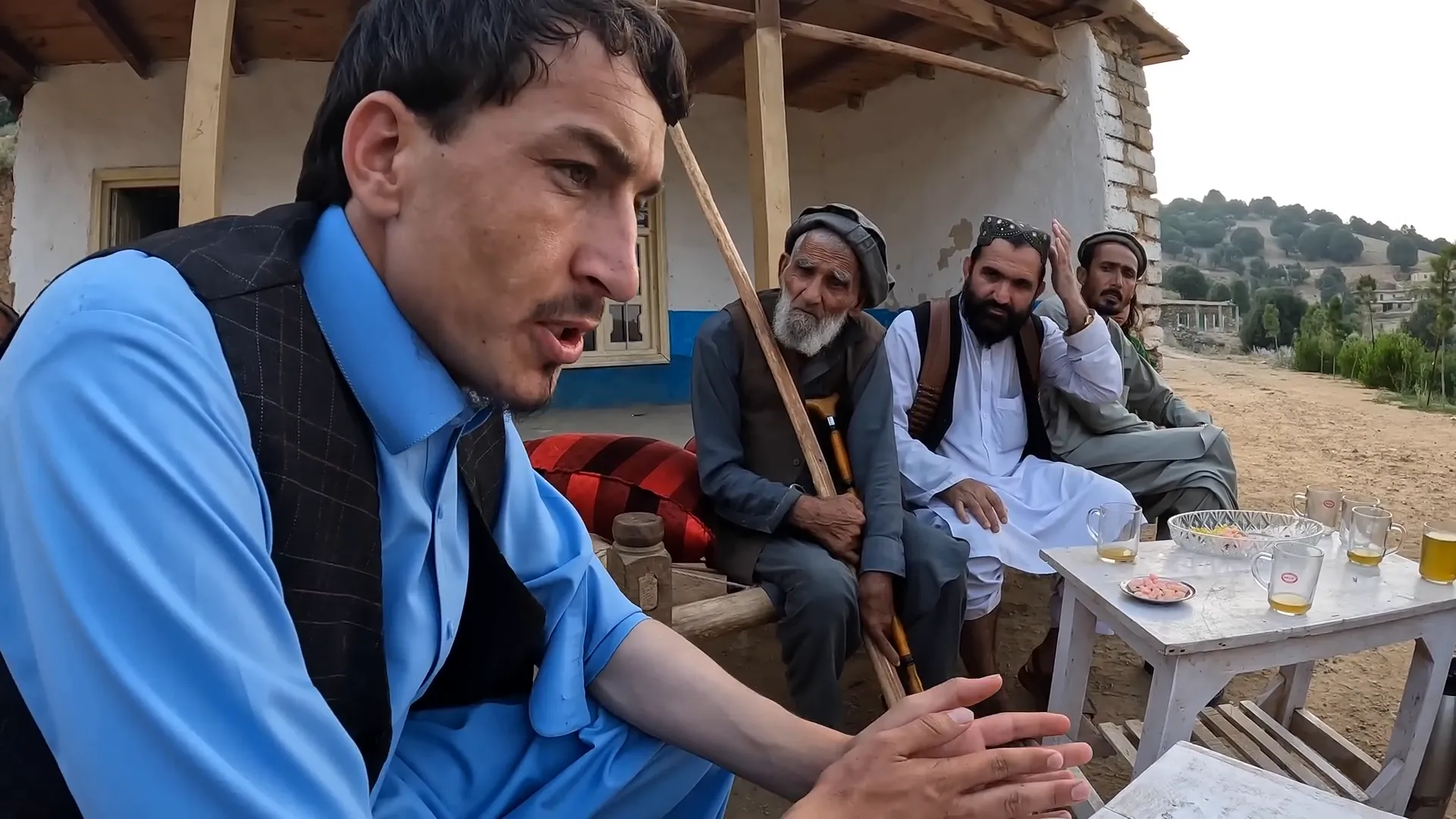
Artifacts and Remnants: Guns, Drills, and Dug Caves
Inside small rooms and tunnels, Chris documents tangible traces of the past: drill holes where workers excavated caves, simple living spaces, and old weapons kept by veterans who fought the Soviets. One veteran proudly shows the British-made rifle he bought decades ago and describes defending his homeland with it.
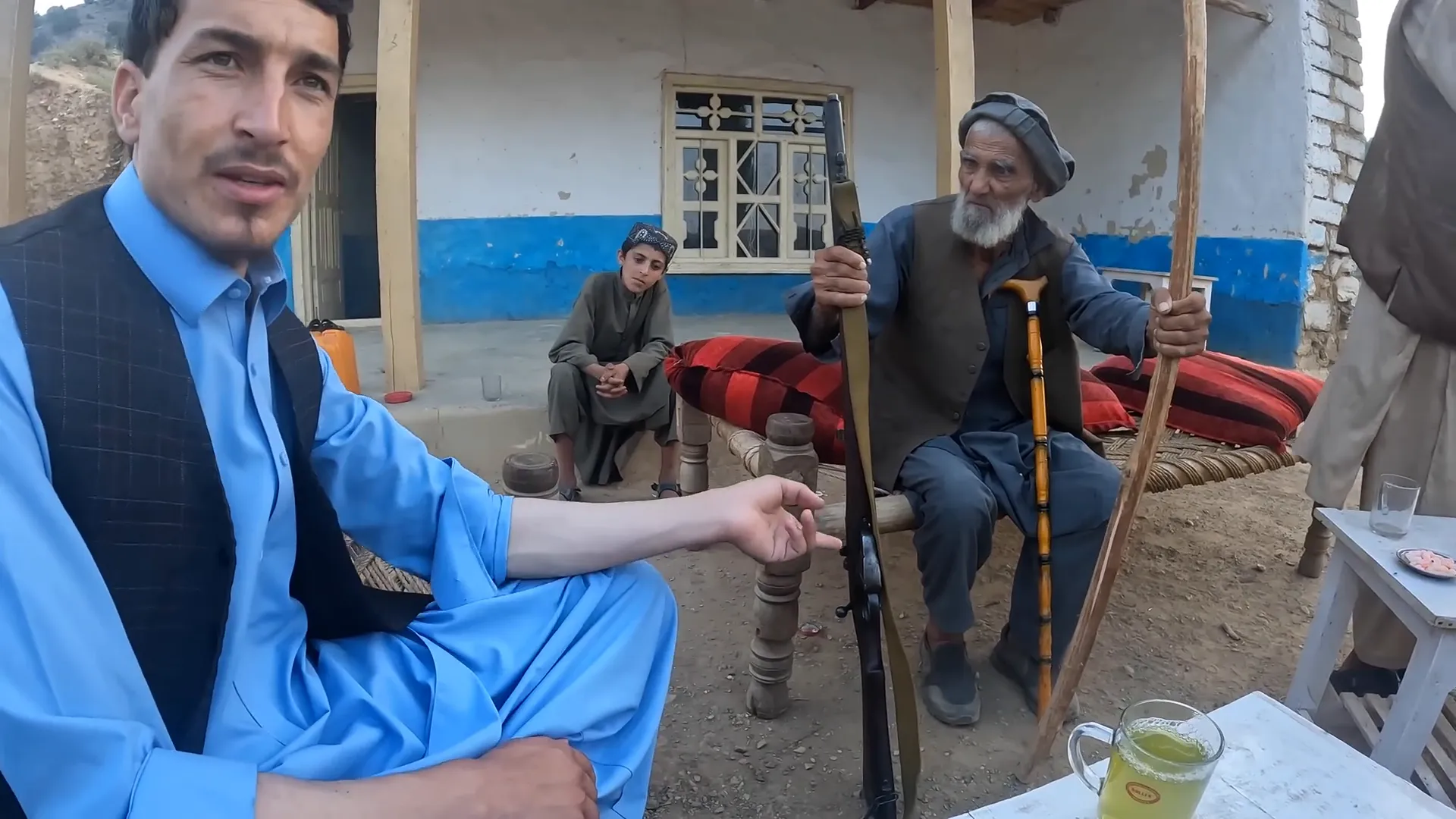
Reflections and Takeaways
The trip to Tora Bora is as much about people and memory as it is about geography and geopolitics. Chris’s footage and interviews reveal an atmosphere of complexity: residents who remember hospitality shared with foreign fighters, pride in local resistance against the Soviets, and conflicting views about global events that reshaped their valleys.
What remains consistent is the raw, rugged landscape itself — caves carved into white limestone, high ridges battered by war, and a place that still holds stories no single headline can fully explain.
Practical Notes & Credits
- Guide mentioned in the report: Kaiser (contact via Instagram: kaiser.111).
- Travel time from Kabul to Tora Bora: roughly six hours by road, plus one hour on rough dirt tracks.
- Visitors should be aware of local security conditions and must obtain permission from authorities.
Chris Must List documented this journey with on-the-ground interviews and cave exploration. For more raw adventures and travel reports, visit the channel:
Click here to visit his channel
Inside Bin Laden’s Tora Bora Secret Hideout… With His Ex-Comrades
Conclusion
Tora Bora resists simple stories. The caves and ruins still echo with choices made long ago — choices that local men remember as hospitality, resistance, or necessity. By combining intimate conversations with careful exploration, Chris Must List brings readers closer to the human landscape behind the headlines: an austere place where memory, myth and mud-streaked mountain life meet.

Be the first to comment