
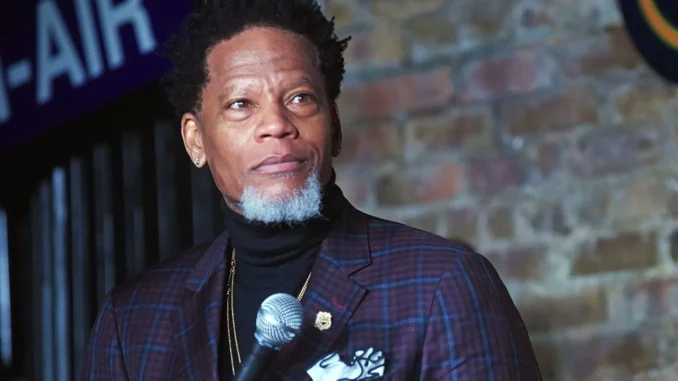


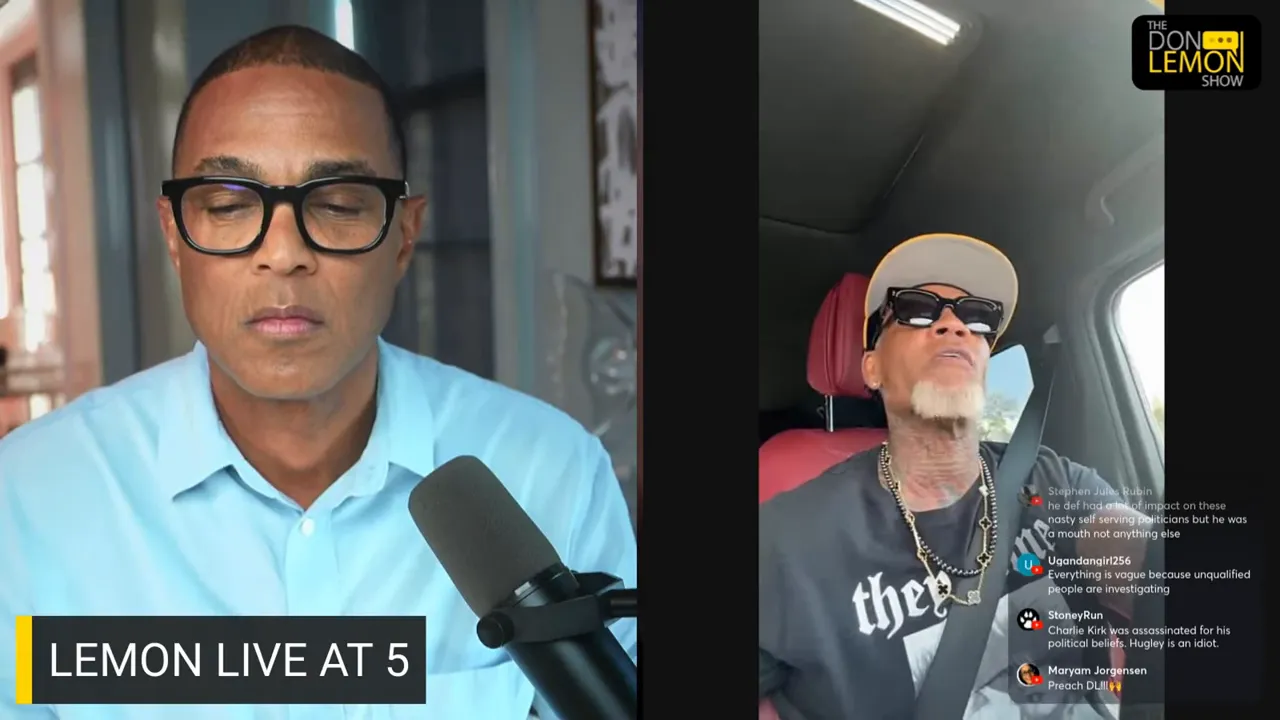
In a candid conversation on The Don Lemon Show, host Don Lemon sat down with comedian and radio host D.L. Hughley to dissect the fallout after the shooting that left Charlie Kirk critically wounded. The episode tackles political violence, tribalism, gun policy, race, and the dangerous rhetoric shaping public life. This article summarizes their points, preserves the tone of the discussion, and provides context for readers seeking a clear take on what was said and what it means.
Overview: A nation on edge
Don Lemon opens the segment by acknowledging the outrage from the right while making clear his stance: political violence is never acceptable. He and D.L. Hughley both emphasize the complexity of reacting to the shooting—condemning violence while also unpacking the rhetoric and policies that shape the climate where such acts happen.
Immediate reactions and the politics of blame
The hosts note the immediate rush to assign responsibility. Some on the right framed the incident as an act of war or blamed the broader political left, while others drew parallels to previous assassinations and politically motivated attacks. Don highlights that, unlike elected lawmakers who have been targeted for political reasons in the past, Charlie Kirk was an influential activist and commentator—but not a sitting politician—complicating the usual narratives.
“We don’t know who the suspect is… There’s been all this misinformation.” — Don Lemon

Misinformation and speculation
Both hosts warned against premature conclusions. Don states there was rampant misinformation in the immediate aftermath—unfounded claims about motives and identities surfaced quickly, including rumors about a transgender connection that had not been confirmed when they spoke.
Empathy, sympathy, and tribalism
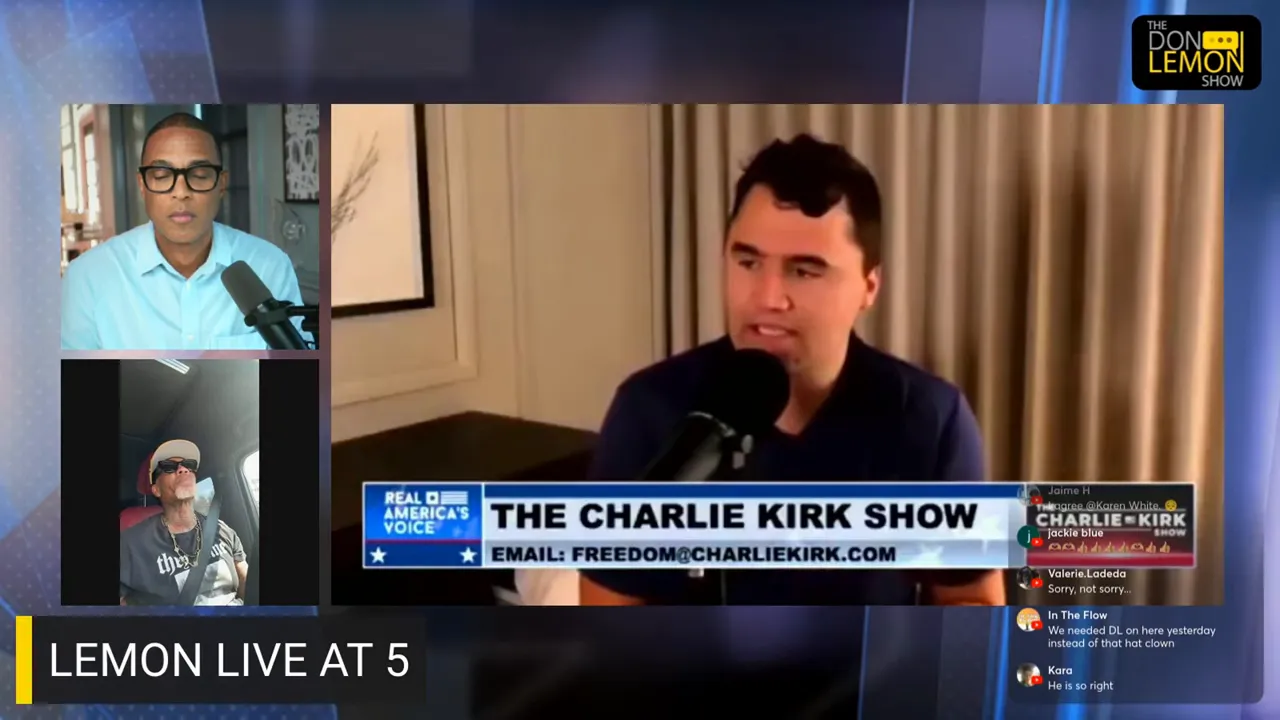
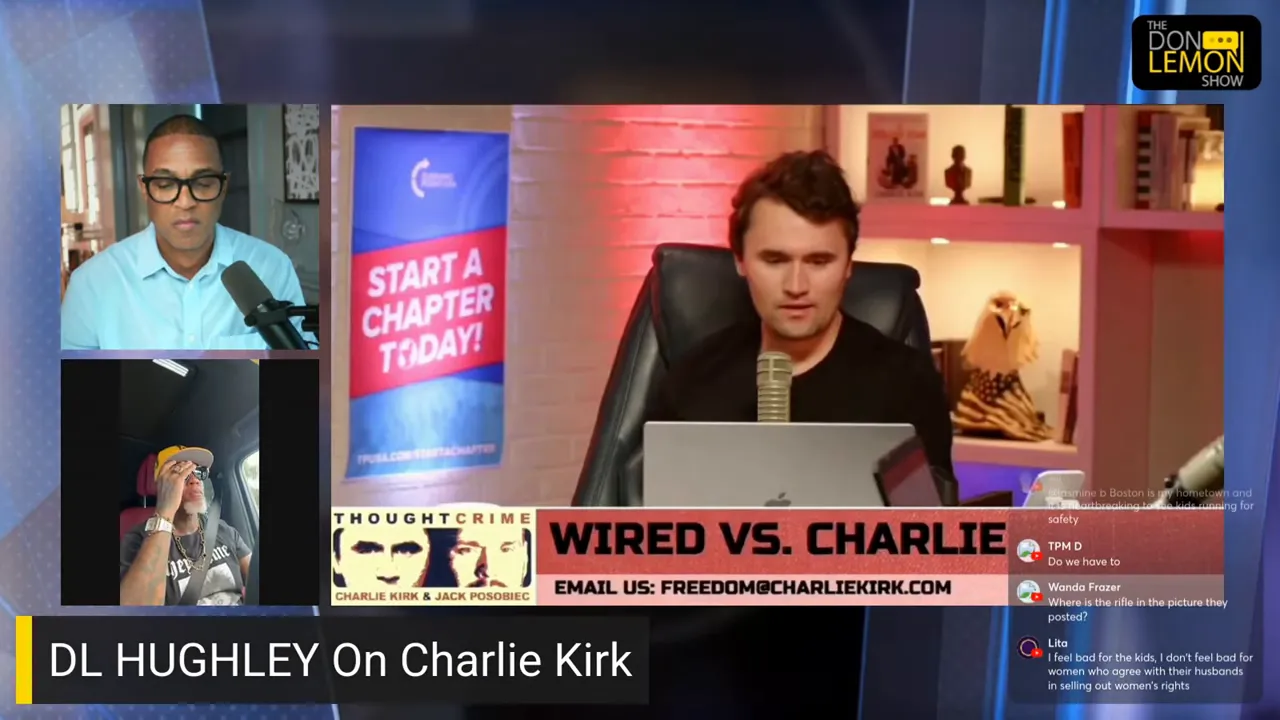
A major thread in the conversation is the difference between sympathy and empathy and how those concepts are weaponized in political discourse. Don plays a clip of Charlie Kirk dismissing empathy as a “New Age” term and preferring sympathy. D.L. responds by explaining why that distinction matters:
“Sympathy means we have a similarity. Empathy means I have nothing to do with you, but I can still feel your pain as a human being.” — D.L. Hughley
D.L. argues that when public figures condition empathy on tribal similarity, it erodes basic humanitarian responses and contributes to a culture where certain lives feel less valued. He calls that a dangerous moral calculus, especially when paired with policy choices that expand access to lethal weapons.
Guns, the Second Amendment, and responsibility
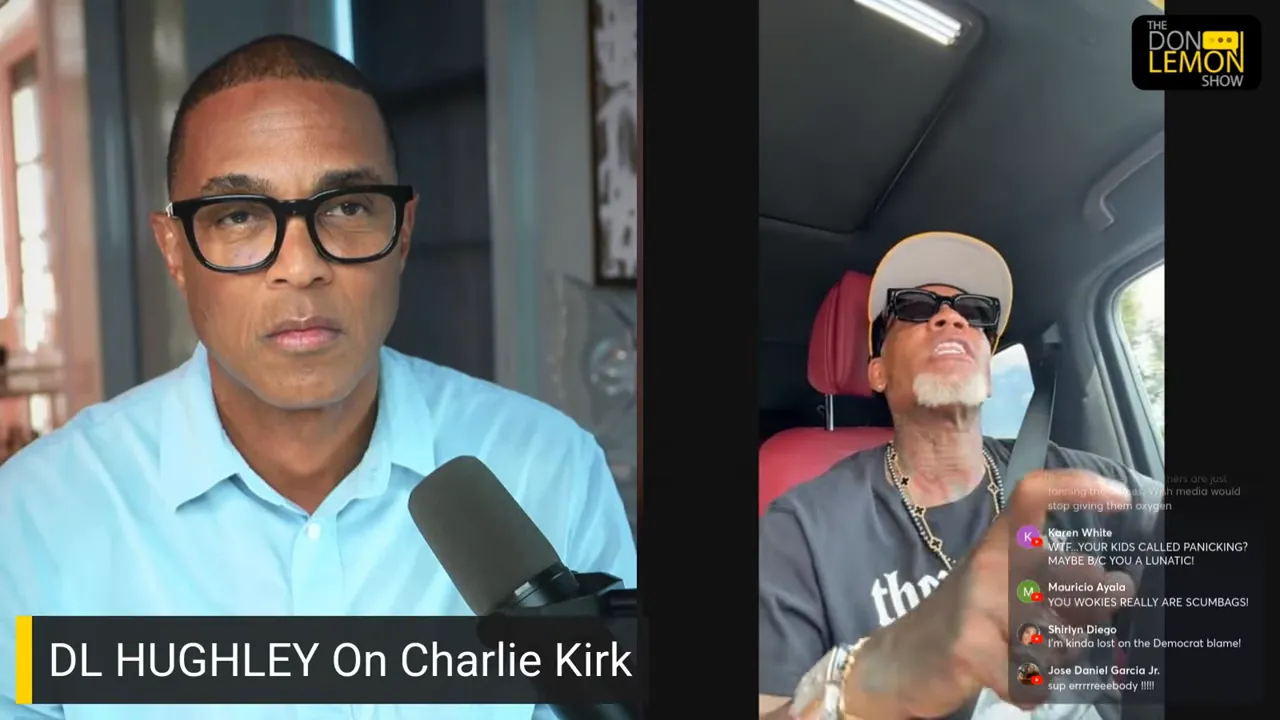
The conversation pivots to the Second Amendment. D.L. bluntly frames the issue: words alone did not kill Charlie Kirk—someone with a gun did. He questions those who defend broad gun access while minimizing the human cost.
“Words didn’t kill Charlie Kirk, somebody with a gun did… Somebody with a gun that people like him and people on the right made it easier to have and to possess.” — D.L. Hughley
D.L. cites past public statements attributed to Kirk—most notably that some gun deaths are an acceptable cost to preserve the Second Amendment—and uses that to underline the irony of the shooting. He calls for a sober discussion about access to firearms, arguing that legislative and cultural choices matter.
Policy questions raised
- Who benefits from unfettered gun access and what costs does that impose on ordinary citizens?
- Is the political defense of the gun lobby eclipsing the prioritization of life and safety?
- What practical reforms would reduce daily gun deaths while addressing political fear and division?
Race, rhetoric, and Charlie Kirk’s past statements
Don and D.L. also discuss Kirk’s controversial record: criticisms of the Civil Rights Act, past comments about Martin Luther King Jr., and inflammatory remarks about communities of color and Jewish organizations. D.L. describes Kirk’s worldview as exclusionary and rooted in a nostalgia for an America that prioritized a narrow set of people.
“America had an opportunity to be just a white Christian country… but it couldn’t handle it on its own. It had to bring other people in.” — D.L. Hughley
They explore how such rhetoric contributes to deepening divisions: when leaders demean or dehumanize groups, it lowers the quality of public discourse and can create conditions where violence is more likely.
Accountability beyond finger-pointing
Both hosts push back on simple partisan ownership. Don plays a clip of conservative commentators declaring “Democrats own what happened today,” prompting a rebuttal that political violence exists across the spectrum. Still, D.L. insists responsibility also rests with policymakers who shape the availability of weapons and the acceptance of violent rhetoric.
“If we want to make America safer… we have to decide that it’s important enough for us to do it. And what they’ve decided is the gun lobby and whatever their personal ideologies are more important.” — D.L. Hughley

Culture, violence, and what changes
D.L. paints a bleak picture of a culture that labels mass shootings and everyday gun deaths as routine—”Wednesday” in the American lexicon—until the victims feel tribal to us. He warns that the habit of selective outrage corrodes the common ground necessary for reform.
They also note broader threats: attempts to intimidate public officials, plots against political leaders, threats to campuses, and the erosion of professional competence in key institutions tasked with protecting the public.
Closing thoughts and next steps
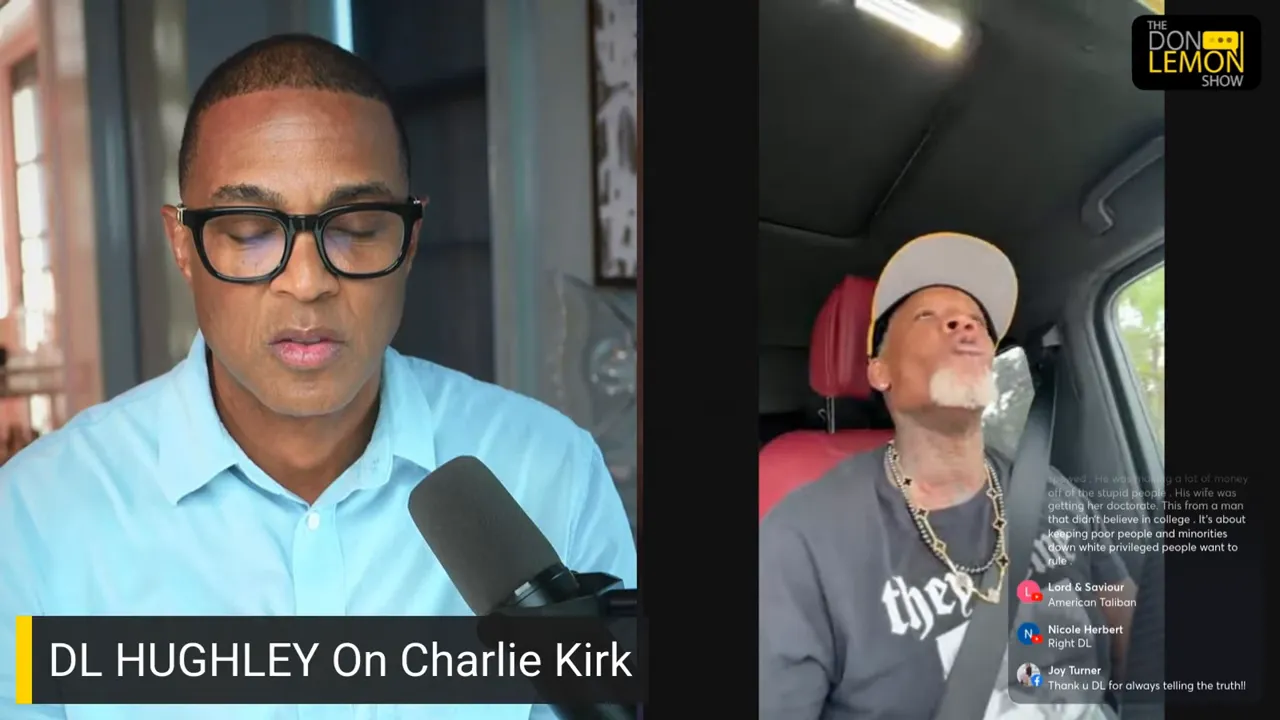
Don and D.L. close by expressing sorrow for the family and loved ones affected while insisting on a clear-eyed conversation about causation. They reject the idea that any death is acceptable as a cost of preserving a political position. Both call for less tribalism, fewer inflammatory public messages, and serious debate over gun policy to reduce daily tragedies.
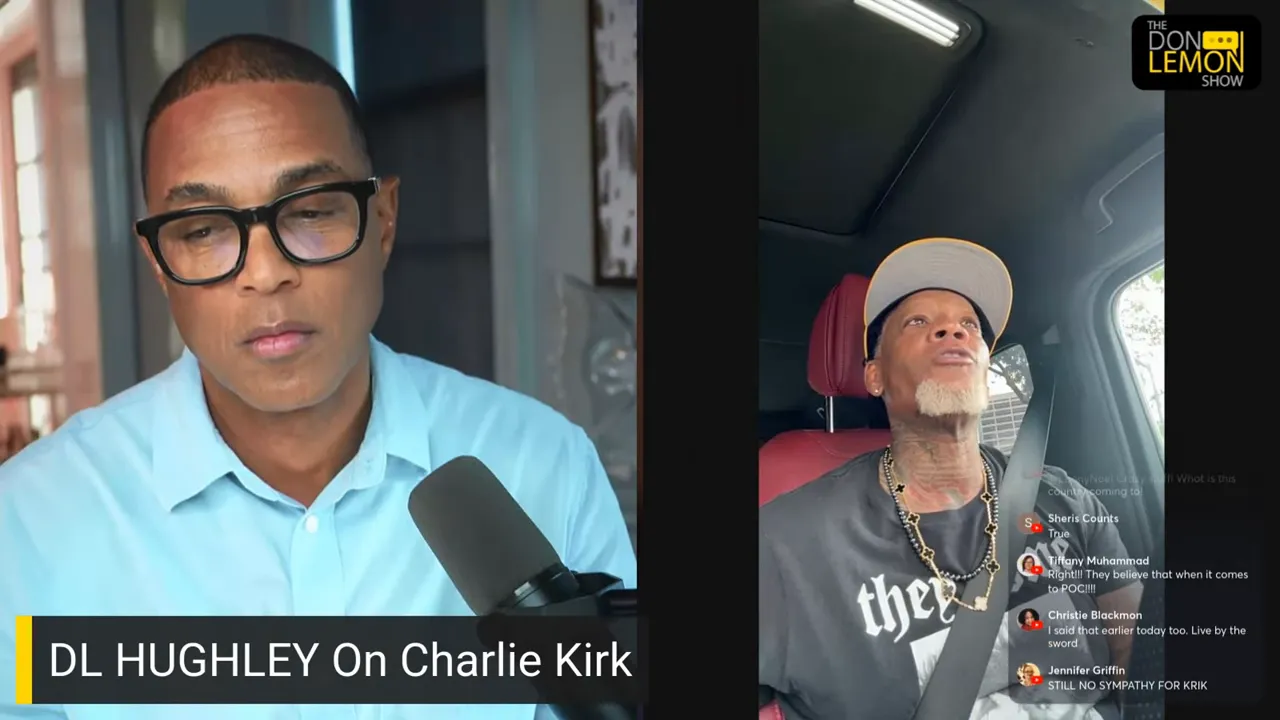
“I’m sad for his wife and children… And the countless children who will be slaughtered in schools. It’s more acceptable. We’ll ban books, but not the instruments of destruction—because that’s who we are.” — D.L. Hughley
Where to watch the full conversation
The discussion is part of The Don Lemon Show on YouTube. For the full segment and to hear the clips and exchanges in context, visit Don Lemon’s channel
Below is the full episode embedded for readers who want to watch the original conversation.

Be the first to comment