



This article summarizes practical, evidence‑based recommendations from Dr. Eric Berg DC for reversing metabolic diseases such as type 2 diabetes, heart disease, and chronic kidney disease. Dr. Berg emphasizes that metabolic disease is primarily a cellular energy problem — and that the right meal plus targeted habits can help restore mitochondrial function and insulin sensitivity.
Return to Dr. Eric Berg DC’s channel for more videos and resources.

Understanding Metabolic Disease: It’s a Cellular Energy Problem
Metabolic disease is not just “slow metabolism” or difficulty losing weight. At its core it’s an energy failure at the cellular level: the cells have fuel available but cannot get it inside. Dr. Berg likens it to being in a house with food trucks outside and a padlock on the door — plenty of fuel, no access.
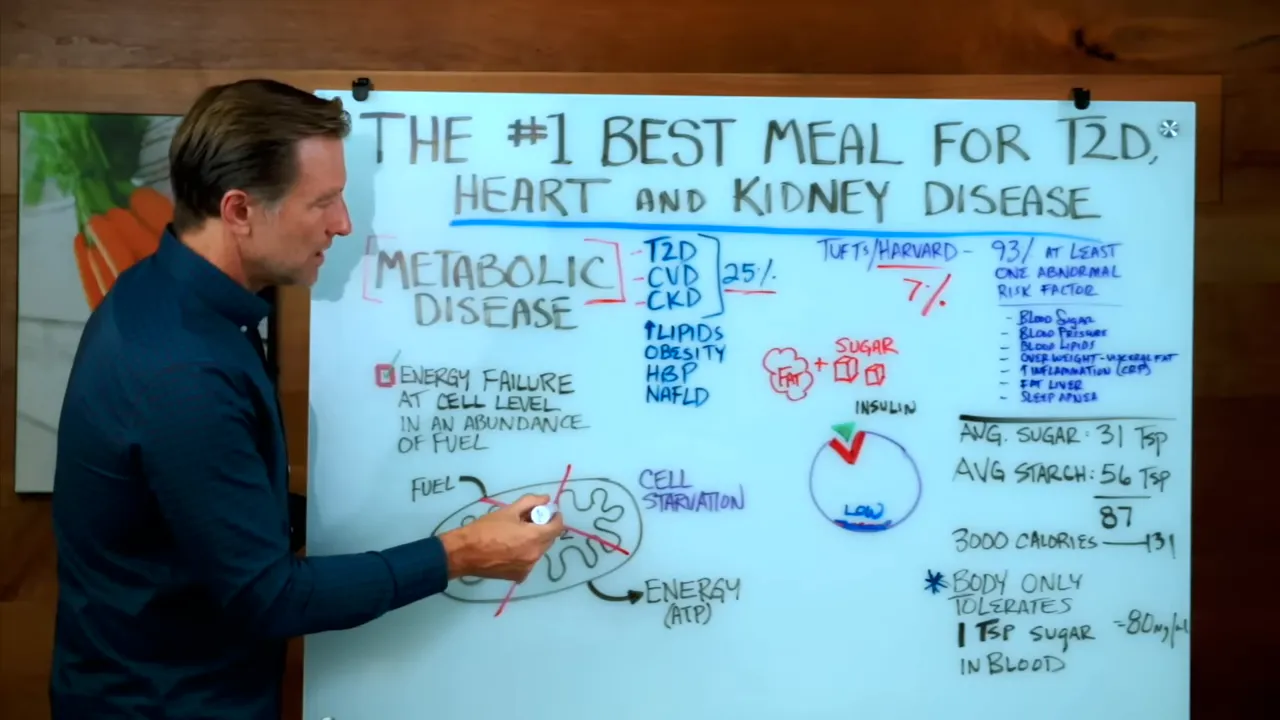
The mitochondria are central
The mitochondria — the cell’s energy factories — lose function in metabolic disease. When mitochondria falter, tissues like the heart, kidneys, nerves, and brain suffer. That mitochondrial dysfunction underlies many complications seen in diabetes, cardiovascular disease, chronic kidney disease, and even Alzheimer’s disease (sometimes called “type 3 diabetes”).
How Modern Diets Create the Problem
Two facts Dr. Berg highlights are worth repeating:
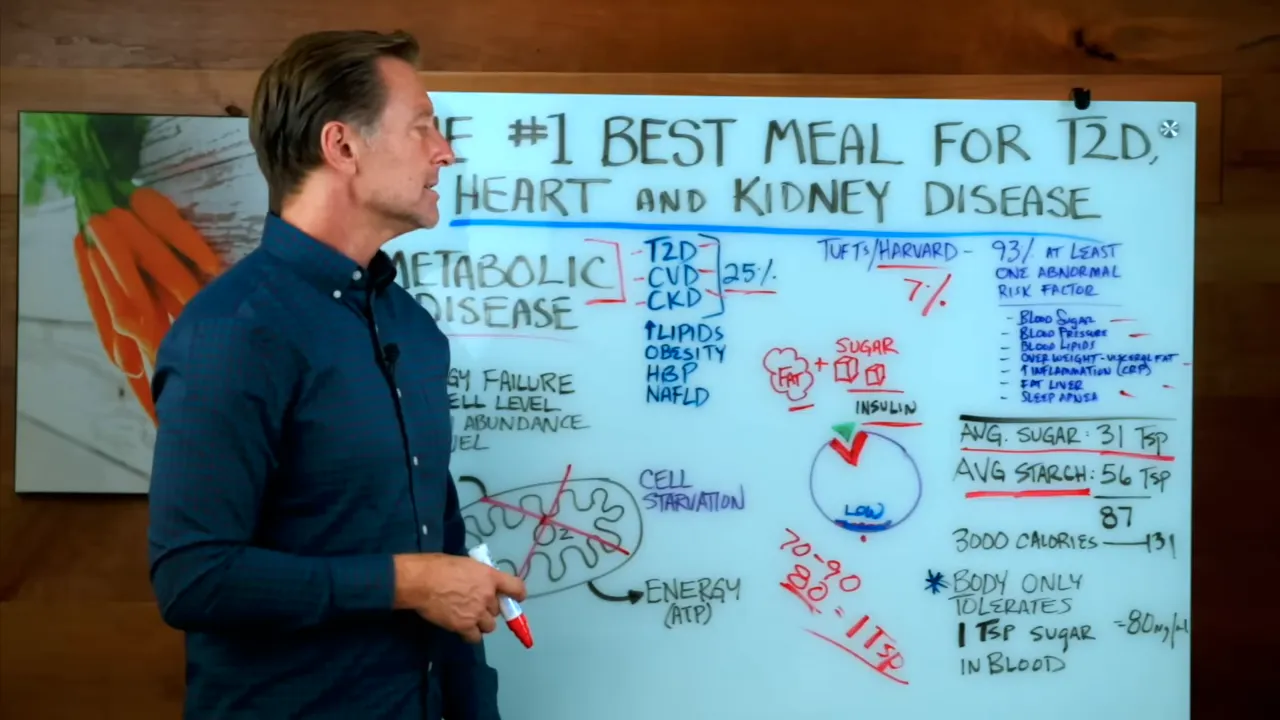
- Normal fasting blood glucose averages about 80 mg/dL — roughly one teaspoon of sugar circulating in the entire bloodstream.
- Average sugar intake is about 31 teaspoons per day, and refined starches add much more hidden “sugar.”
“Your circulation in your entire body can only tolerate one tiny freaking teaspoon of sugar.”

Hidden sugar: refined starches
Industrial starches (modified food starch, modified corn starch, maltodextrin, etc.) behave worse than simple sugar because they are rapidly converted to glucose and cause large spikes in blood sugar. Dr. Berg cites average refined starch consumption of about 56 teaspoons/day. Combined with added sugar, that can equal roughly 87 teaspoons of glucose-equivalent per day — more if daily calories exceed 2,000.
Insulin: The Vacuum That Stores Excess Sugar — and Damages Mitochondria
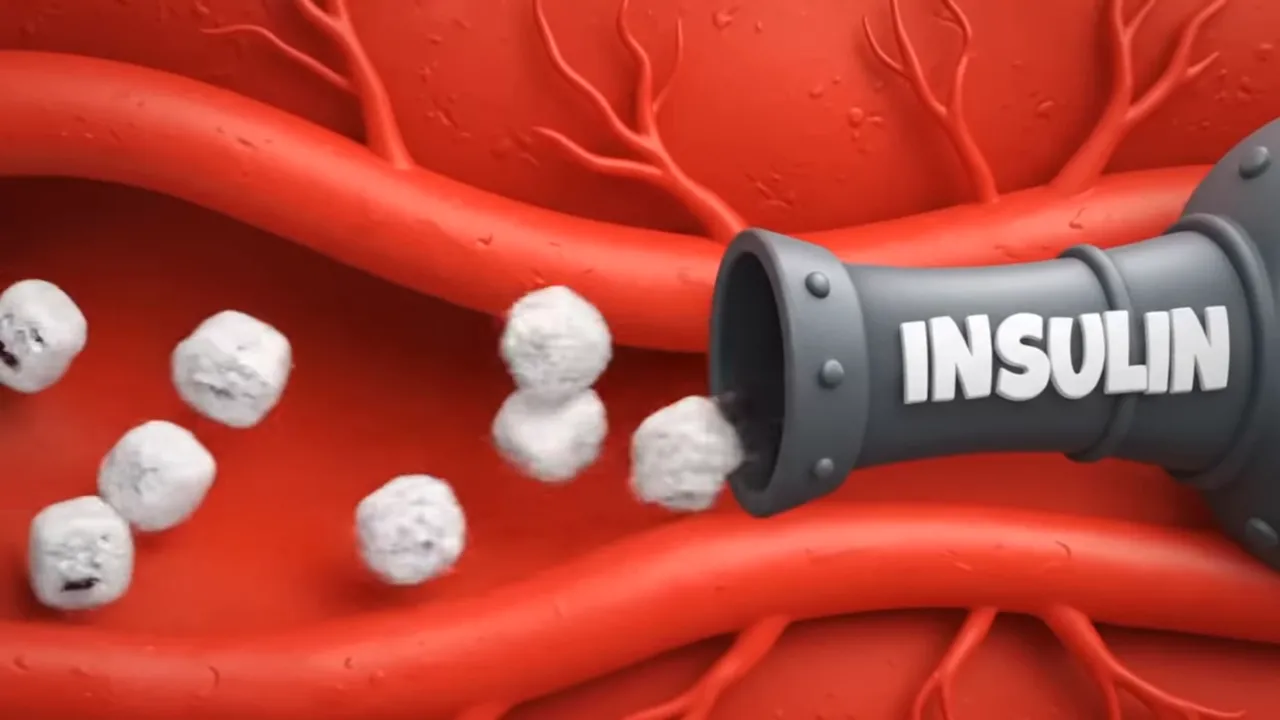
Insulin acts like a vacuum that removes sugar from the bloodstream and forces it into storage (fat, liver triglycerides). This protective response can lead to chronic overproduction of insulin (hyperinsulinemia), which eventually causes insulin resistance and pancreatic exhaustion. That progression can take years — often 15–20 years — before blood glucose tests clearly show diabetes.
Because fasting insulin is rarely tested in routine care, insulin resistance can go unnoticed while damage accrues. The sooner carbohydrate load and frequency of eating are addressed, the better the chance of restoring mitochondrial health.
The Best Meal to Help Reverse Metabolic Disease
Dr. Berg recommends a low‑carbohydrate, nutrient‑dense meal focused on supporting mitochondria, improving insulin sensitivity, and increasing nitric oxide for vascular health. Here is the template he outlines.

1) Salad (base for micronutrients and nitric oxide)
- Base: Arugula — a leafy cruciferous green high in nitrates, magnesium, potassium, vitamin C, folate, and chlorophyll. Nitrates help increase nitric oxide (vasodilation), which supports blood flow and blood pressure control.
- Dressing: Apple cider vinegar (shown in studies to modestly improve blood sugar) and extra virgin olive oil (rich in polyphenols that support the arteries).
- Toppings: A small amount of roasted pumpkin seeds (magnesium), nutritional yeast (unfortified) or roasted sunflower seeds for B vitamins (including B1), and half an avocado for potassium.

Magnesium and potassium are essential co-factors for mitochondrial energy production and for maintaining healthy blood pressure, cardiac function, and nerve conduction.
2) Protein & Healthy Fats: Grass‑fed Burger (no bun)
- Choose high‑quality, grass‑fed, grass‑finished ground beef (or ground lamb) rather than a fast‑food burger with a bun.
- Red meat provides highly bioavailable heme iron, zinc, selenium, B vitamins (including B12), and compounds like carnitine, creatine, and carnosine — nutrients that support mitochondrial function and help transport and utilize fats inside mitochondria.
- Eggs, fish, or other animal proteins can work, but Dr. Berg notes he personally feels best with red meat for the specific mitochondrial benefits described above.

3) Dessert: L. reuteri Yogurt + Sugar‑free Dark Chocolate
- Lactobacillus reuteri: A beneficial gut microbe often missing after antibiotics or if never breastfed. L. reuteri supports insulin sensitivity, reduces pathogenic overgrowth in the small intestine, and even helps increase oxytocin — which can benefit social behavior and muscle mass.
- Make L. reuteri yogurt (recipe or starter available through Dr. Berg’s resources) using a yogurt maker and half‑and‑half.
- Top with a small piece of sugar‑free dark chocolate (rich in polyphenols and magnesium) and a pinch of cinnamon to further help blood sugar.

Dark chocolate increases nitric oxide and provides polyphenols that support arterial health. Concerns about oxalates can be mitigated by adequate magnesium intake, which binds oxalate and reduces stone formation risk.
How to Know This Is Working
- Beyond weight loss, the most important signal is increased satiety between meals. If the person can go from one meal to the next without intense hunger, their body is successfully accessing stored fat and using it for fuel.
- Other signs include improved fasting glucose, lower post‑meal spikes, reduced need for frequent snacking, better sleep, and more stable energy.
Complementary Habits That Accelerate Recovery
Diet alone helps a lot, but these habits support mitochondrial recovery and insulin sensitivity:
- Lower total refined carbohydrate intake and reduce eating frequency — consider two meals or even one meal per day for some people (intermittent fasting).
- Post‑meal walk: 20 minutes after eating helps burn excess glucose (including glucose produced by the liver during the early stages of dietary change).
- Exercise: High‑intensity interval training and resistance training improve insulin sensitivity and mitochondrial capacity.
- Sunlight/infrared exposure: Over 50% of sunlight is infrared; moderate sun exposure provides infrared and vitamin D, both supportive of mitochondrial function.
- Avoid ultra‑processed foods: Don’t buy them — removing availability is the simplest behavioral barrier to repeated overeating of refined fuels.

The Often Overlooked Role of Vitamin B1 (Thiamine)
Vitamin B1 is a critical “spark plug” at the entrance to the mitochondria. High intake of refined carbohydrates increases the body’s need for B1; deficiency impairs the mitochondria’s ability to use fuel. Ensuring adequate B1 (through diet or targeted supplementation when needed) is an important part of restoring energy metabolism.

Practical Shopping & Meal Tips
- Shop the perimeter of the store: fresh greens (arugula), avocados, seeds, high‑quality grass‑fed ground beef, and plain dairy for making probiotic yogurt.
- Read labels: avoid products listing modified starches, maltodextrin, or other industrial starches in the ingredients.
- Keep polyphenol‑rich foods (extra virgin olive oil, dark chocolate) on hand in small portions.
- Say “no” once at the store — removing junk food from the home reduces repeated temptation and decision fatigue.
Summary
Dr. Berg’s practical meal template — arugula-based salad with apple cider vinegar and extra virgin olive oil, pumpkin/sunflower seeds and nutritional yeast, half an avocado, plus a grass‑fed hamburger (no bun), and L. reuteri yogurt with sugar‑free dark chocolate — is designed to:
- Lower post‑meal glucose spikes and insulin demand
- Provide micronutrients and cofactors for mitochondrial function (magnesium, potassium, B vitamins, heme iron, zinc)
- Increase nitric oxide and arterial health
- Support the gut microbiome and insulin sensitivity
Combined with low‑carb eating, reduced eating frequency (intermittent fasting), regular movement, strength training, sun exposure, and removal of ultra‑processed foods from the environment, this approach aims to restore cellular energy production and reverse the trajectory of metabolic disease.
Note: This article summarizes educational advice and should not replace medical evaluation. Consult a qualified health professional before making major changes to diet, medications, or exercise routines.
Return to Dr. Eric Berg DC’s channel for more resources.

Be the first to comment