
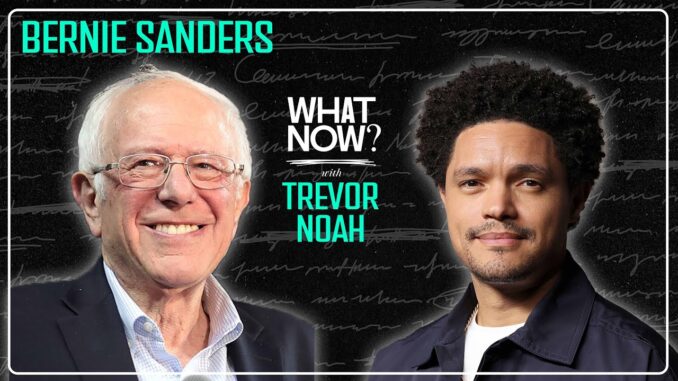

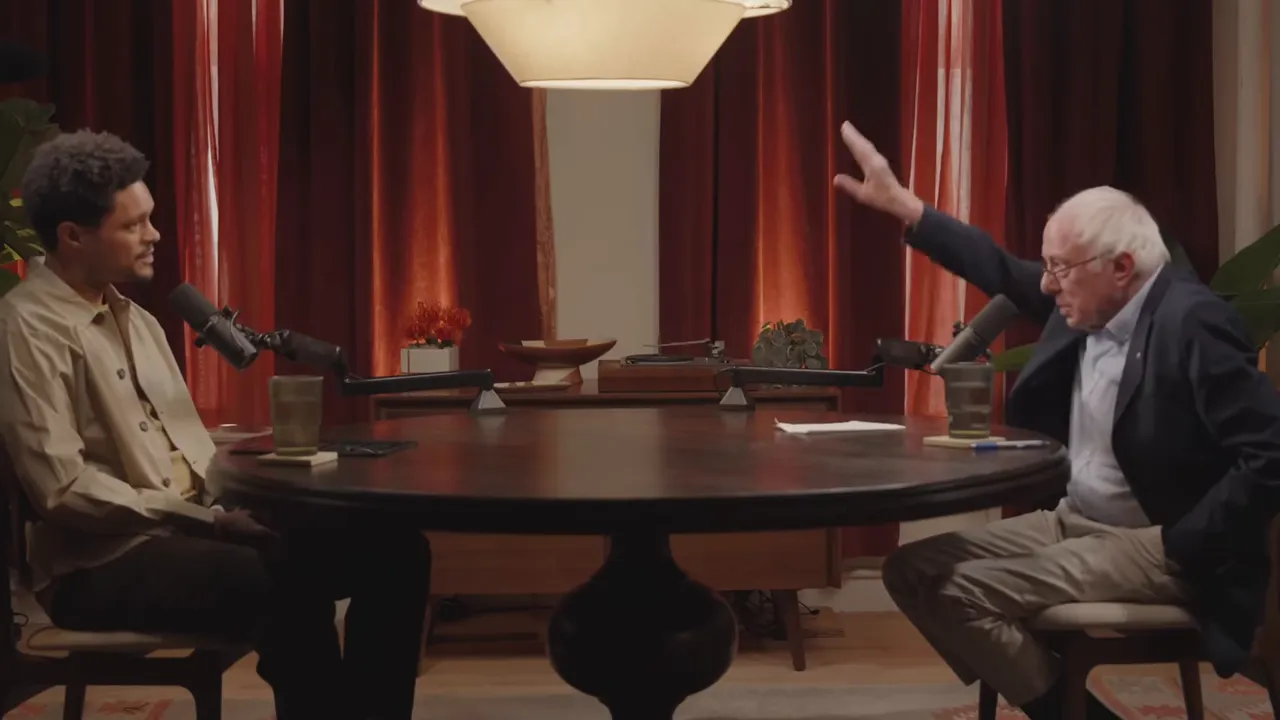
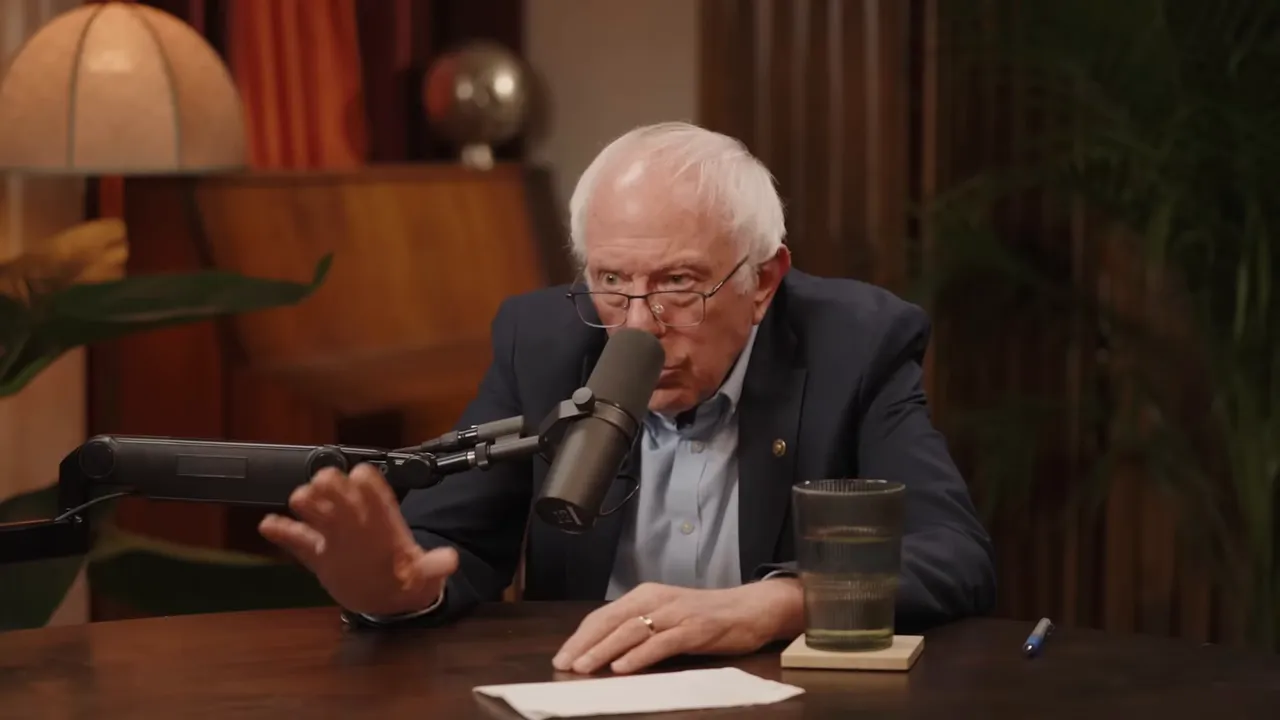
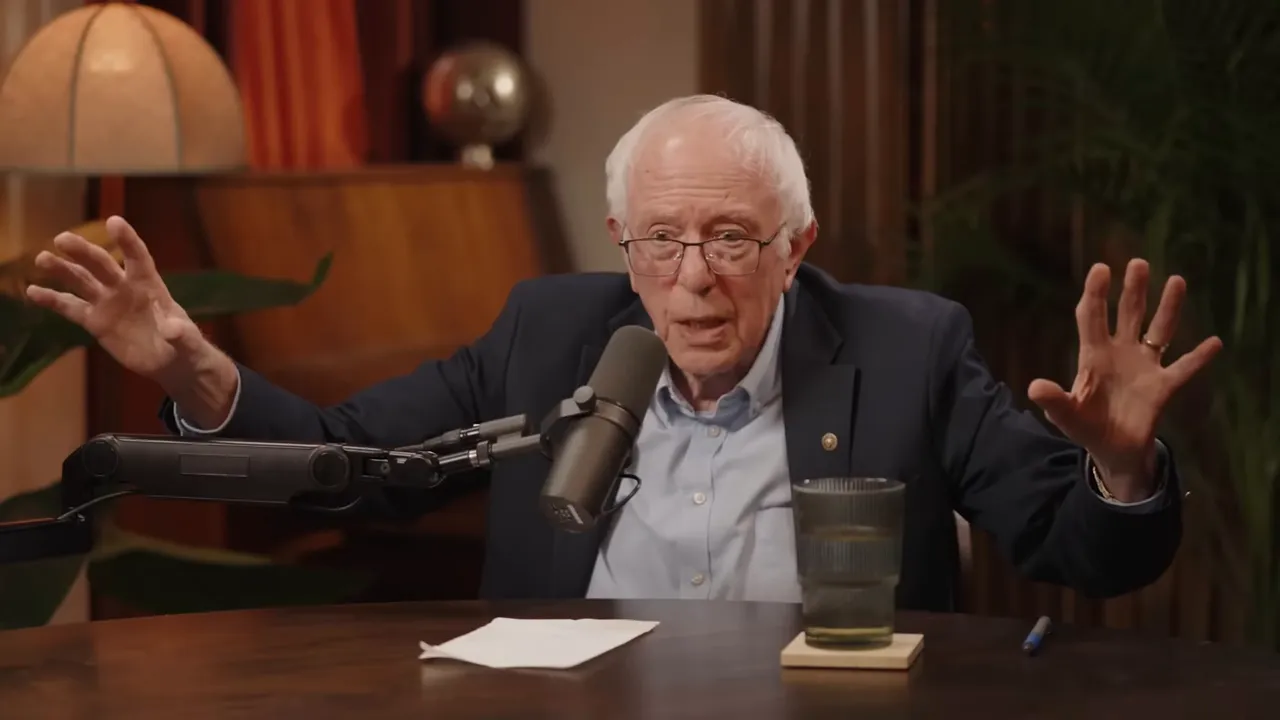
In a wide-ranging conversation on Trevor Noah’s What Now, Senator Bernie Sanders lays out a blunt diagnosis of contemporary America: oligarchy. Trevor Noah moderates the discussion, pushing on practical questions and framing how ordinary people see the system functioning. For those who want to watch the full interview, Trevor Noah’s channel is available here
Introduction: A Clear Diagnosis
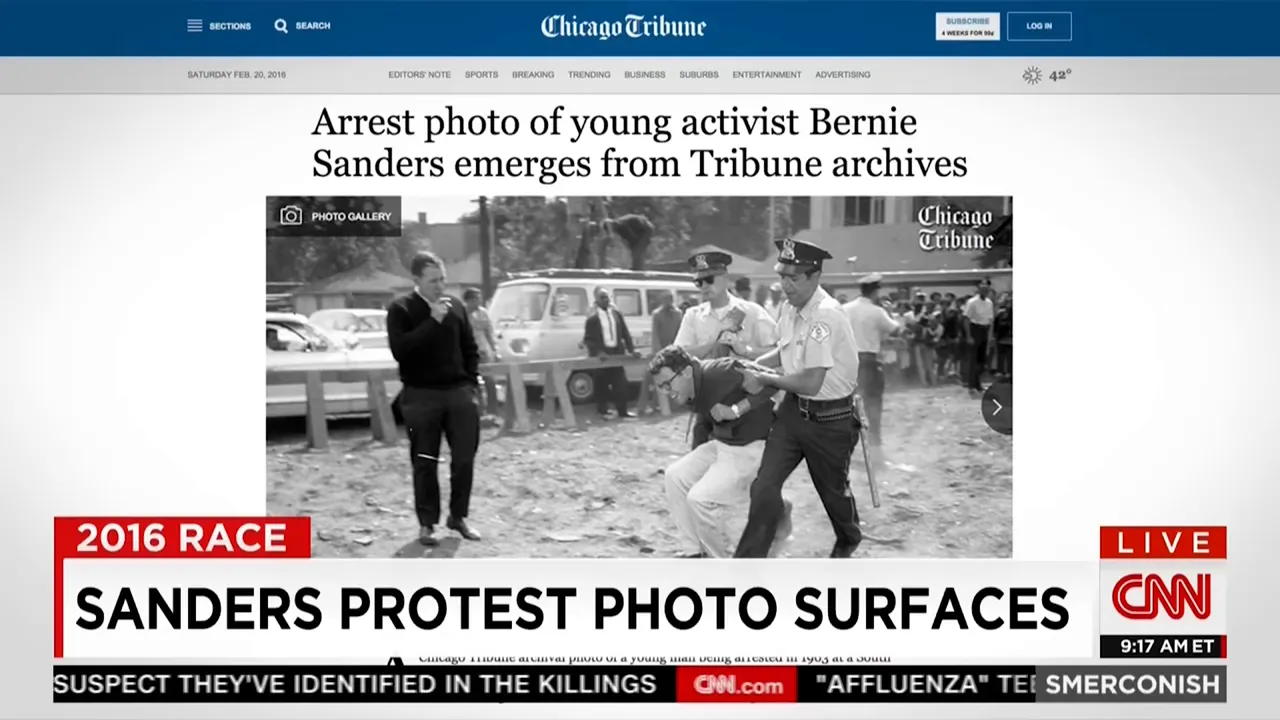
Trevor Noah opens by situating Sanders as a longtime public servant with a history stretching from mayor of Burlington to multiple terms in Congress and the U.S. Senate. The conversation quickly centers on a single claim Sanders repeats throughout: “the system is broken.” That claim, Noah points out, is a central reason demagogues like Donald Trump can gain traction—because they acknowledge pain even if they offer destructive solutions.
What Sanders Means by Oligarchy
Wealth and power concentrated at the top
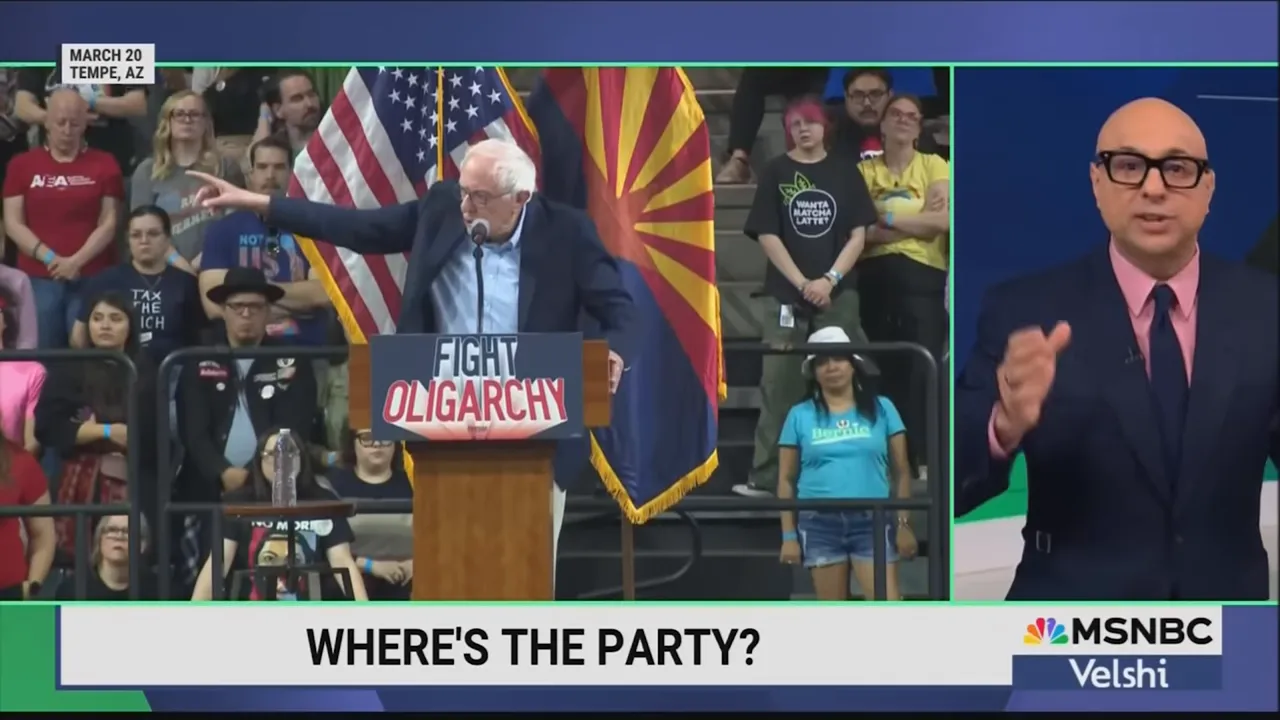
Sanders defines today’s oligarchy by four overlapping concentrations of power:
- Extreme income and wealth inequality (one striking illustration: Elon Musk owns more wealth than the bottom 52% of American households).
- Consolidation of ownership across industries and finance (BlackRock, Vanguard, and State Street are major shareholders in a huge share of U.S. corporations).
- Control of the information ecosystem (a handful of media conglomerates and billionaire owners shape national narratives).
- Political influence via money (large donations, super PACs and the impact of Citizens United).
Those forces, Sanders argues, create a feedback loop: concentrated wealth purchases political power; political power protects concentrated wealth; the system becomes progressively less responsive to working people.
“Billionaires should not be able to buy elections.”
The Everyday Costs of an Economy That Favors the Few
Sanders walks through concrete consequences people feel in their daily lives:
- Real weekly wages for the average American worker are lower today than 50 years ago, despite massive productivity gains.
- An estimated $75 trillion shifted from the bottom 90% to the top 1% over recent decades.
- Roughly 60% of Americans live paycheck to paycheck.
- The U.S. suffers among the highest rates of childhood and senior poverty compared to other major countries.
Sanders punctuates the data with human examples: the baby food shortage traced to extreme industry consolidation, workers on strike who are told to negotiate with a corporate head who in turn answers to institutional owners, and students saddled with crippling tuition debt.
Politics, Parties, and the Limits of Establishment Response
Noah presses Sanders on why the Democratic Party often appears unable or unwilling to follow grassroots momentum. Sanders explains the internal tension: the party’s leadership depends heavily on corporate money, which encourages cautious, centrist policies rather than bold reforms that threaten donors’ interests.
Sanders stresses two simultaneous political fights:
- Build a mass movement to open the Democratic Party to working-class priorities (or create a new political vehicle if the party won’t change).
- Defeat authoritarian forces now—especially when demagogues exploit economic angst to target vulnerable minorities.
Case study: grassroots vs. billionaire money
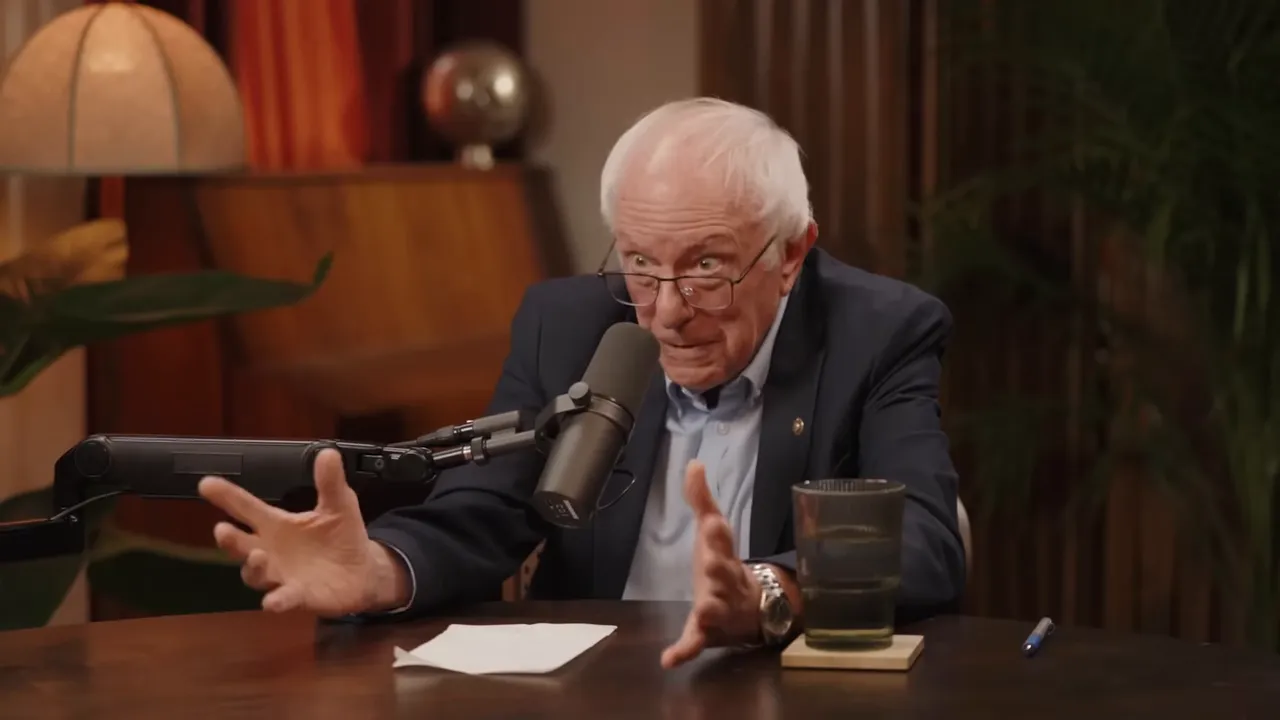
The rise of grassroots candidates, such as the example discussed of a New York mayoral challenger who built support from 1% to a winning primary showing, reveals the promise of small-dollar fundraising and volunteer mobilization. Yet Sanders explains why established leaders can be threatened and sometimes resist that grassroots energy: it undermines their fundraising model and their access to wealthy backers.
Solutions Sanders Advocates
Sanders outlines a practical reform agenda meant to rebalance power and restore democratic accountability. Key proposals include:
- Progressive taxation: ensuring the ultra-wealthy and large corporations pay a larger share.
- Campaign finance reform: public funding of elections, strict limits on super PAC spending, and reversing the corrosive effects of Citizens United.
- Universal healthcare and education: Medicare for All and accessible childcare, plus rethinking tuition costs—remembering that many public college systems were once tuition-free.
- Strengthening unions and worker power: a mass movement and stronger labor organizations as engines of political and economic change.
“Public funding for elections is like a salary cap in sports: it creates a fair fight.”
Technology, Automation, and the Human Question
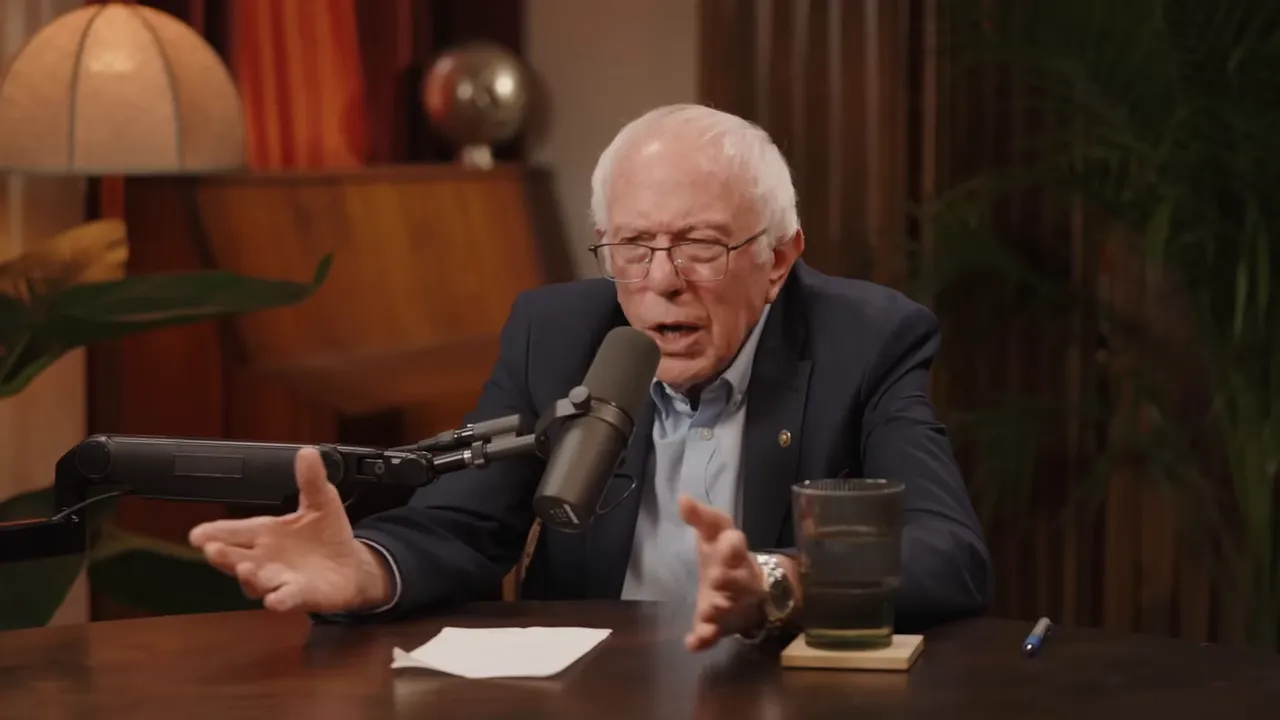
Sanders and Noah explore the looming disruption from AI and robotics. Sanders warns of several intersecting risks:
- Mass displacement of jobs: automation could eliminate entry-level and skilled positions alike.
- Environmental and infrastructure costs: AI data centers demand huge energy and water resources.
- Social alienation: replacing human interactions—cafeteria cashiers, caregivers, and other service workers—with machines could degrade community ties and worsen mental health trends.
Beyond efficiency, Sanders asks a fundamental question: what is the purpose of technology and capitalism if not to improve human lives? He cautions that the current drive toward maximal efficiency often prioritizes profits over people.
Rebuilding Community, Values and Everyday Life
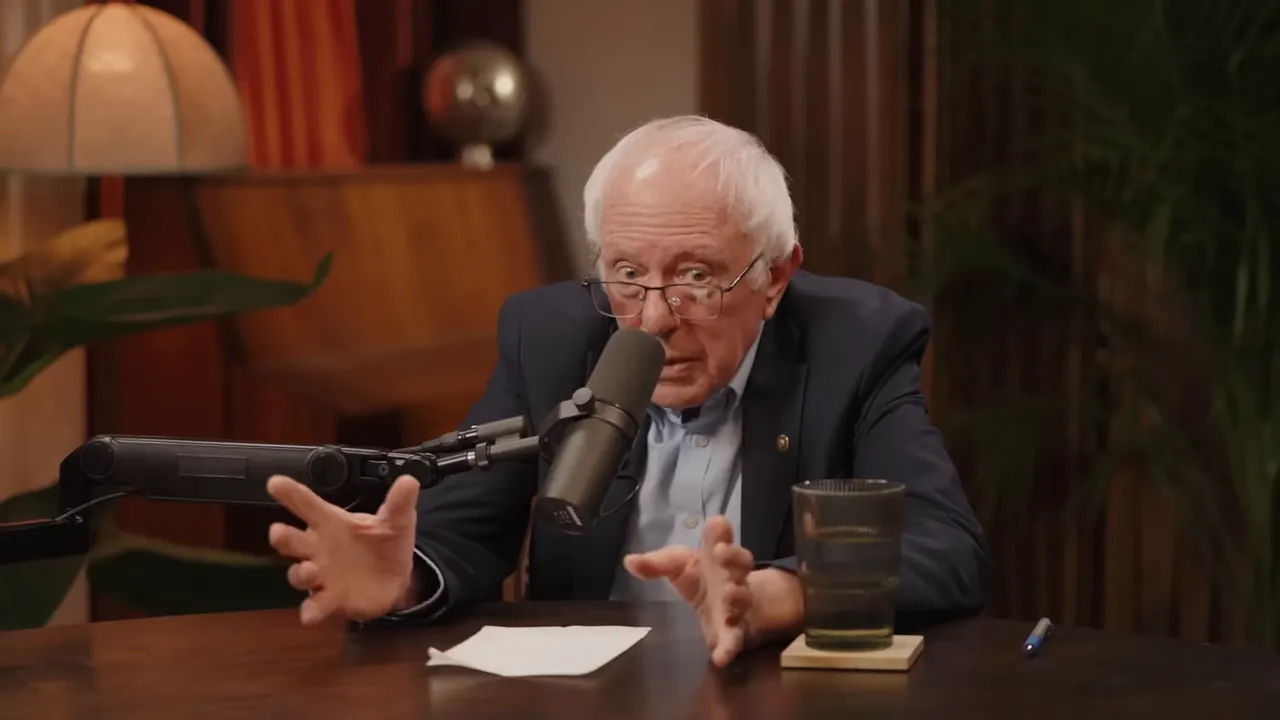
Sanders repeatedly returns to the need for community: local gatherings, sports and public spaces matter. He describes efforts in Vermont—basketball giveaways, walk events, dances—as deliberate investment in civic life that rebuilds trust and collective purpose.
When Noah asks what Sanders would say to disillusioned young men, Sanders offers a pragmatic admonition: anger is justified, but channel it wisely. He urges connection, participation and identifying constructive ways to improve one’s community instead of lashing out.
“People have a right to be angry. Know who you’re taking your anger out on. Be smart.”
Where This Leaves the Country
Sanders does not promise easy or instant solutions. He argues that significant progress—universal healthcare, affordable higher education, a fairer tax system and campaign finance reform—is neither radical nor impossible; other wealthy democracies already guarantee many of these basics.
The political challenge he emphasizes is building mass movements that can force elected leaders to act. That requires organizing, union growth, grassroots fundraising and sustained public pressure to dislodge entrenched oligarchic power.
Conclusion: A Call to Collective Action
Bernie Sanders’ conversation with Trevor Noah reframes familiar policy debates as a single systemic problem: concentrated wealth and power that warps markets, media and democracy. Sanders offers concrete reforms and a strategy centered on mass mobilization, union strength, and long-term cultural shifts that revalue caregiving, education and community.
Whether readers agree with every prescription, the interview presses a central question: what kind of society is being built—and who will it serve? The answers, Sanders insists, should be determined by democratic debate and collective action, not by billionaire boardrooms and super PACs.
Watch the full conversation
The full discussion is available on Trevor Noah’s channel


Be the first to comment