
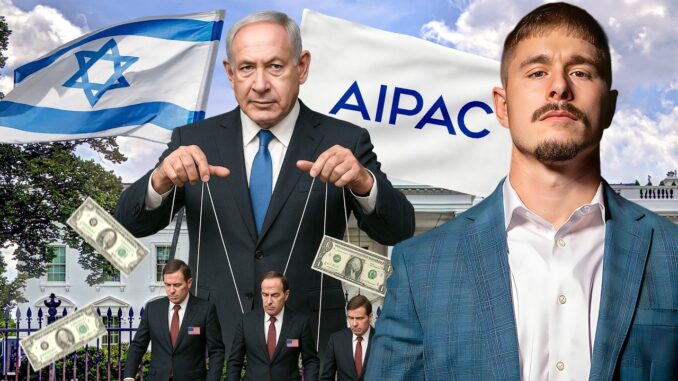

Tommy G’s on-the-ground examination in Washington, D.C., and Gaza asks a blunt set of questions many avoid: How powerful is the pro‑Israel lobby in the United States? Is American support for Israel shielding alleged abuses in Gaza? And what does conscience look like for soldiers, doctors, and elected officials caught between national security, foreign influence, and human suffering?
This piece summarizes interviews and testimony gathered by Tommy G, credits the primary participants, and pulls together the documentary evidence and claims he laid out. Readers are encouraged to treat the reporting as a starting point for their own research rather than a final judgment.
Context: October 7 and the Response
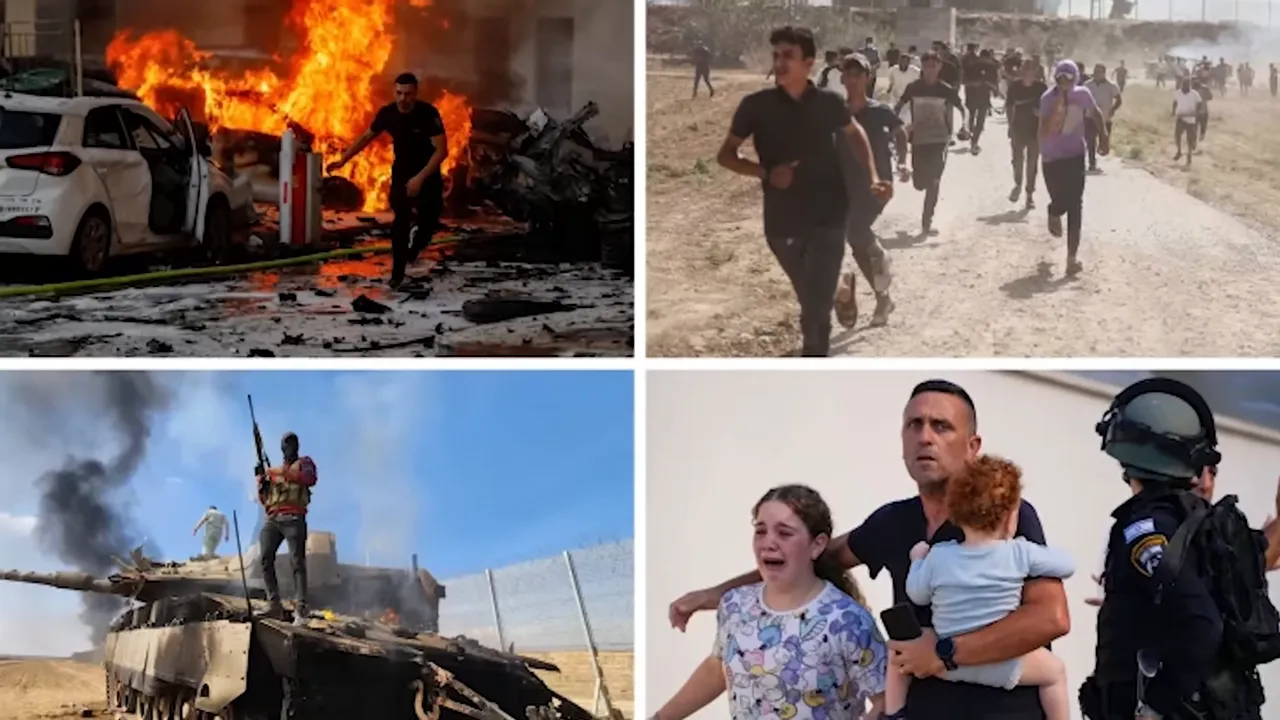
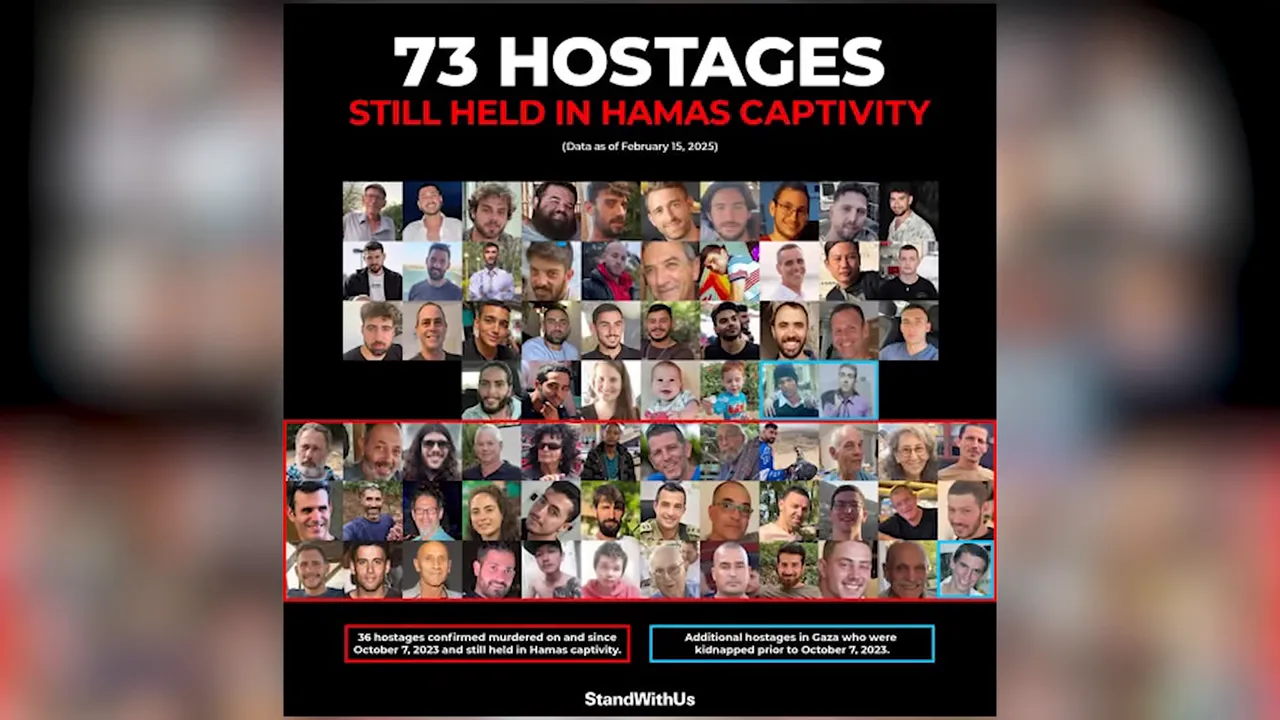
The investigation opens with the watershed event of October 7, 2023, when Hamas launched a coordinated attack across Israel that killed roughly 1,200 people and produced approximately 250 hostages, according to the piece. The Israeli reaction was a sweeping military campaign: rescue hostages, dismantle Hamas military capacity, and prevent future attacks. What followed has reignited longstanding debates about proportionality, civilian harm, and accountability.
That immediate shock explains why many Americans view Israel through the lens of self defense. But the piece presses beyond that instinctive response, tracing two years of war, mounting civilian casualties, and growing skepticism inside and outside Congress.
Whistleblowers and Firsthand Witnesses
Tommy G interviews several people who claim to have witnessed troubling conduct. Anthony Aguilar, a decorated U.S. Special Forces veteran who says he manned aid stations in Gaza, describes actions he characterizes as human rights violations. Aguilar alleges members of Congress are compromised by foreign influence and recounts scenes of civilians being shot while waiting for food.
“There are some members of our Congress… that are compromised by a foreign government,” Aguilar says, adding that the leverage might be money, favors, or other forms of pressure.
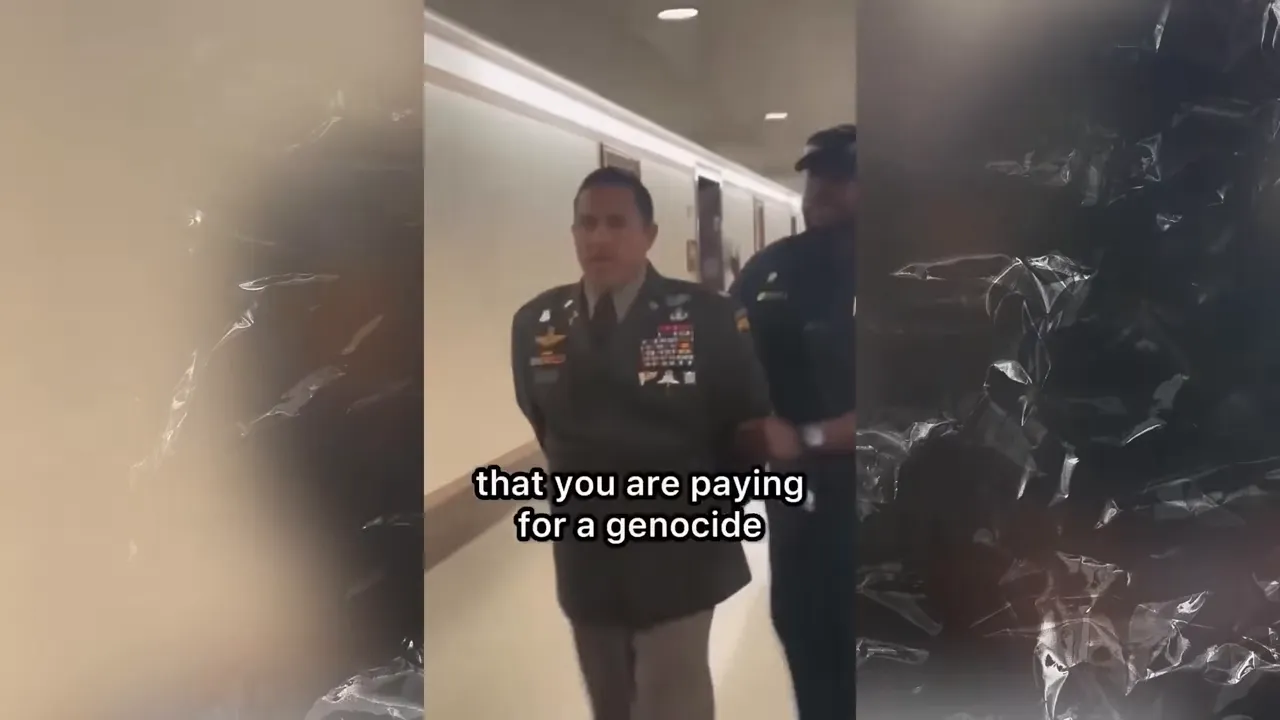
Aguilar’s testimony was disputed by the Gaza Humanitarian Foundation, which challenged specific claims about a child said to have been killed. Aguilar responded that independent reporters investigating those claims were themselves later killed in airstrikes on Nasser Hospital, raising questions about evidence and the obstacles journalists face on the ground.
Voices from the Israeli Side
To balance the record, Tommy G spoke with Doran Kedar, an IDF veteran and reservist, who defends Israeli tactics as precise and accuses mainstream media of being influenced by extremist groups and foreign propaganda. Kedar argues a substantial share of media footage is staged or recycled from other conflicts, which complicates efforts to understand what is actually happening in Gaza.
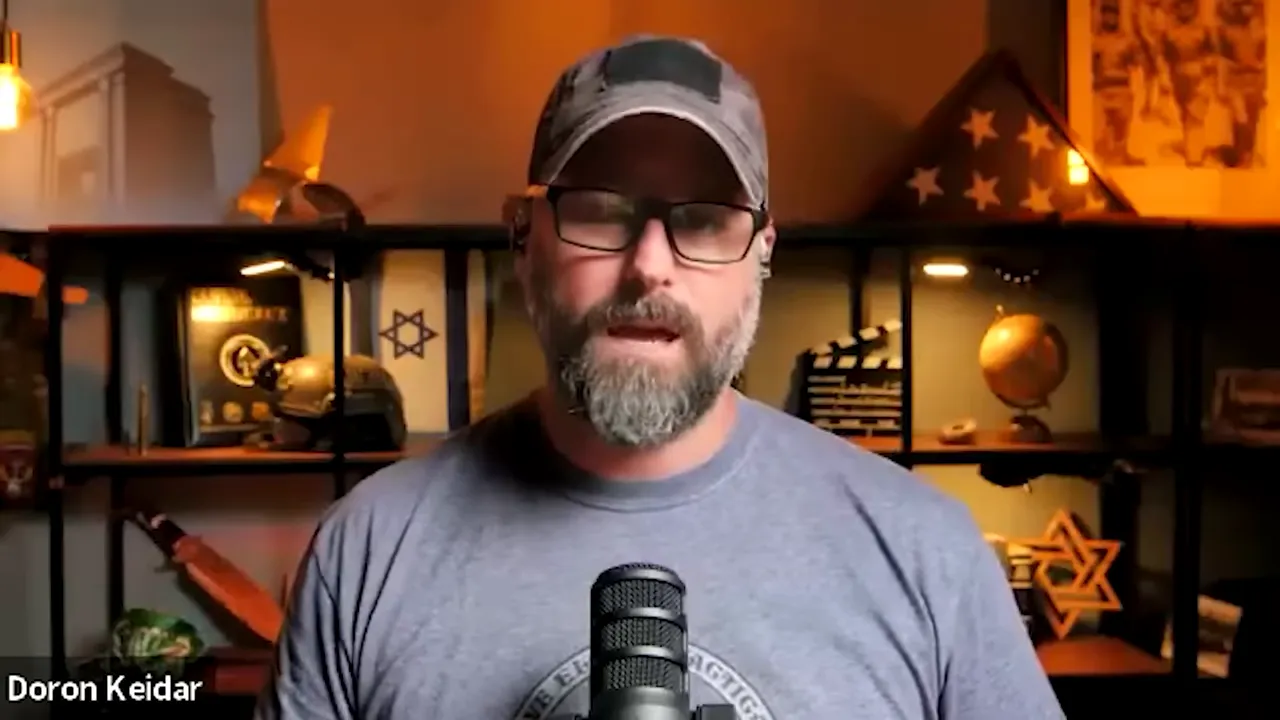
“Most of what you see is either AI or footage used from Syria,” Kedar says, while asserting that civilian casualty ratios in Gaza are not as high as some reports suggest.
That claim runs into contradictory first‑hand testimony from medical volunteers who worked inside Gaza.
Medical Testimony: Nasser Hospital and the Human Toll
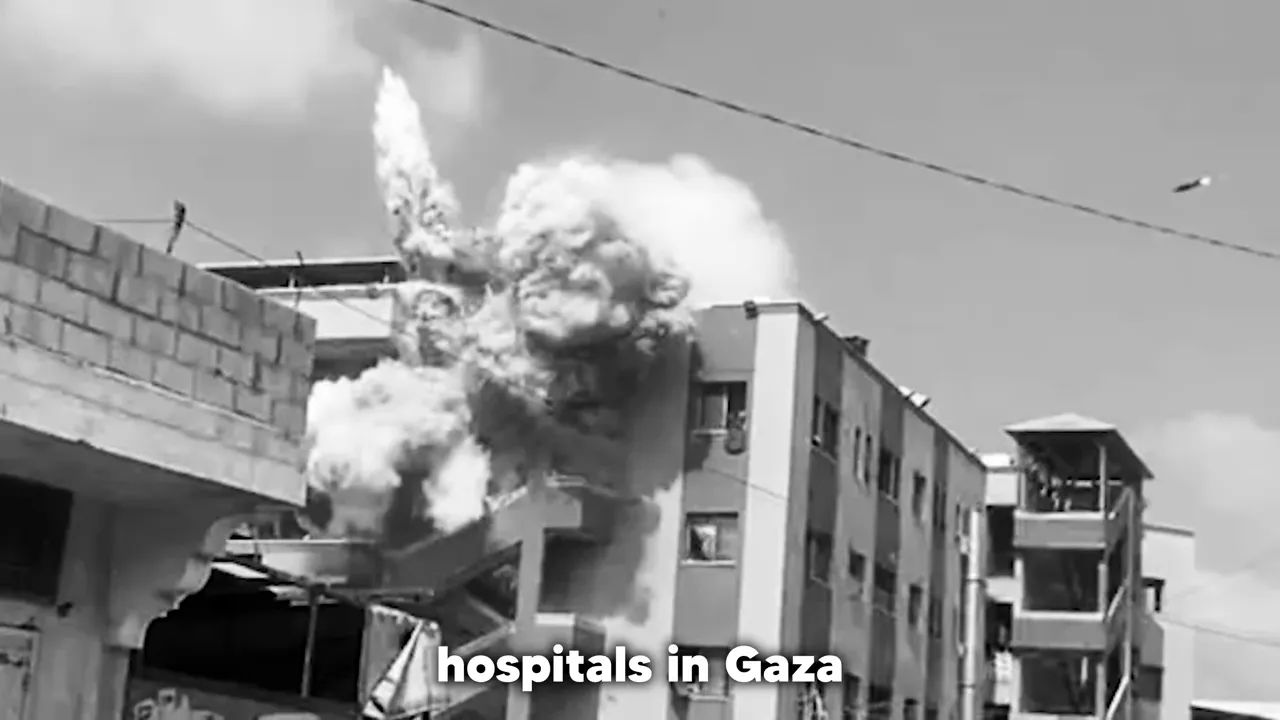
Dr. Aziz Rahman, an American physician who volunteered at Nasser Hospital, recounts treating thousands of patients and performing dozens of surgeries during a two‑week deployment. He disputes the portrayal of Israel as the world’s most ethical army when it comes to civilian harm, calling such claims “complete bullshit” and describing what he saw as catastrophic levels of injury, death, and malnutrition.
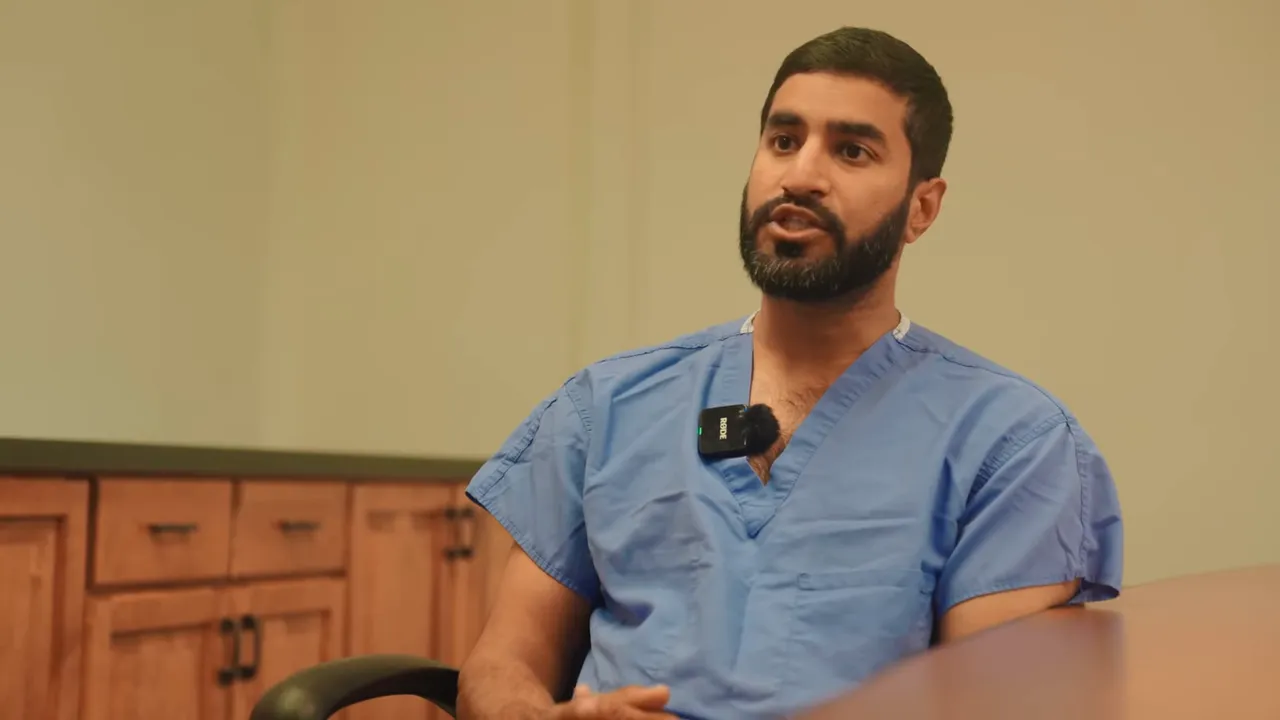
Dr. Rahman reports seeing children with blast injuries and amputations, babies dying for lack of formula because supplies were seized at crossings, and hospitals that were bombed even as rescuers tried to help the wounded. The Nasser Hospital strikes are described as being double tapped—initial strike followed by secondary attack on first responders—a pattern many humanitarians and rights investigators flag as particularly alarming.
Numbers, Claims, and Counterclaims
The reporting assembles a set of contested statistics and allegations:
- Claims that over 60,000 people have been killed and that 70 to 95 percent of Gaza’s housing stock has been damaged or destroyed.
- United Nations data and reports that rely on Gaza Health Ministry figures, which critics say are unreliable because the ministry operates under Hamas control.
- A UN Human Rights Office tally that, at one point in the conflict, recorded 242 journalists killed—the deadliest modern conflict for reporters.
- Assertions that some casualty figures are inflated and that some footage is staged or misattributed, countered by volunteers and medical staff who insist the destruction and death they saw were real.
Tommy G treats these competing claims seriously: some interviewees emphasize methodological weaknesses in casualty reporting; others offer eyewitness accounts that point to mass suffering. The result is an information battlefield as much as a military one.
AIPAC, Money, and Washington Influence
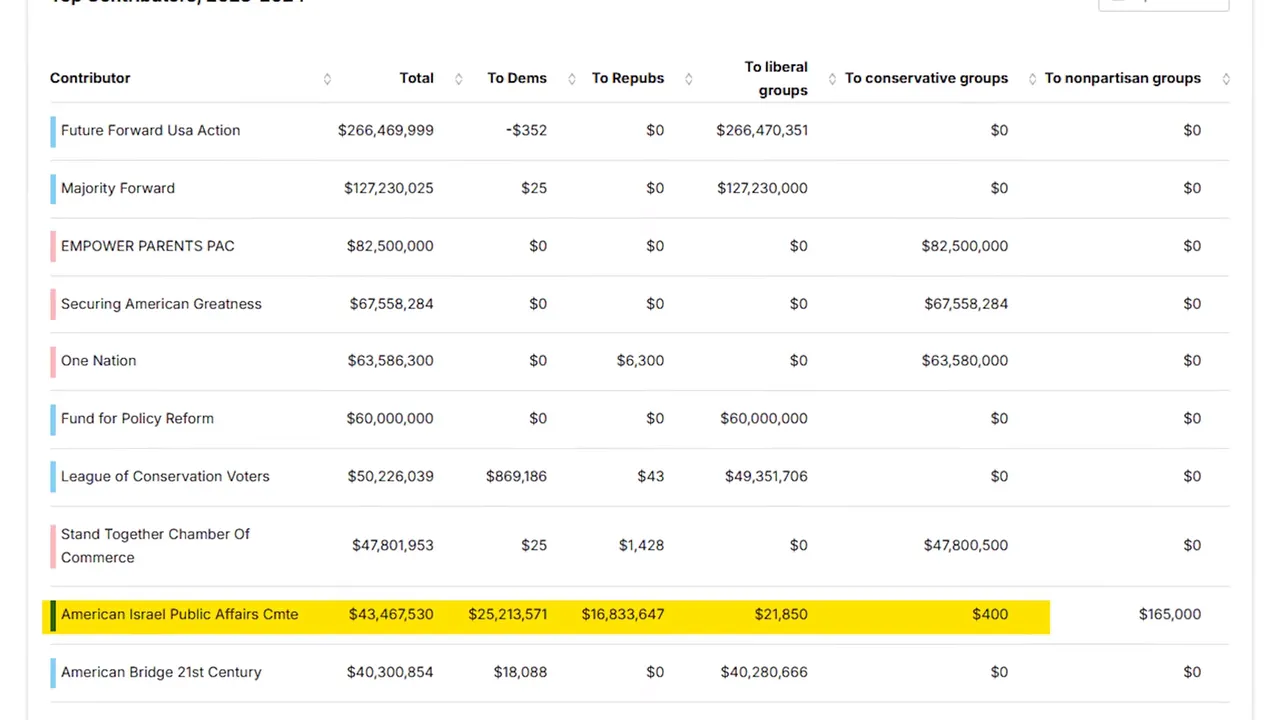
A major focus of the investigation is AIPAC and affiliated political action committees. OpenSecrets, represented in the reporting by Brendan, is used to break down the money flowing through politics: contributions to members of Congress, the prevalence of congressional delegations to Israel, and the role of wealthy donors like the Adelson family.
Key figures and examples that appear in the piece include:
- Reported 2023–2024 AIPAC‑linked giving estimated at about 25 million to Democrats and 17 million to Republicans.
- Career totals cited for senior politicians, including $4.2 million to Joe Biden and $2.3 million apiece to Hillary Clinton and Kamala Harris, as examples of long‑running support.
- High‑profile primary spending: AIPAC‑allied groups reportedly spent $14 million to back a challenger against Rep. Jamaal Bowman and about $8 million against Rep. Cori Bush after both criticized Israel’s conduct in Gaza.
- Claims that more than 25 percent of congressional travel trips went to Israel during a recent study window, including 1,400 trips by members of Congress to Israel between 2011 and 2016 versus far fewer trips to other allies such as the U.K. and Japan.
Voices on both sides of the aisle appear. Representative Ro Khanna emphasizes refusing PAC money; Representative Nancy Mace describes her AIPAC-linked intake as relatively modest. Activist Medea Benjamin calls the influence “bought off” and says members of Congress are also frightened to cross the lobby for fear of being targeted.
“They are bought off by AIPAC,” Medea Benjamin says. “They are scared to death of AIPAC.”
Propaganda, Pollywood, and the Information War
Every interview in the piece returns to information and optics. Soldiers and Israeli spokespeople talk about “Pollywood” or staged videos and the alleged use of AI to manufacture scenes that turn public opinion. Others—journalists, medics, and eyewitnesses—reject those claims wholesale, arguing that the visible carnage is not fabricated and labeling blanket denials as obscene and dehumanizing to the victims.
The result is an information environment in which footage, claims, and counterclaims are weaponized—making independent verification and sourcing more important than ever.
Ethics, Allegations, and Accountability
Multiple people in the reporting characterize some Israeli actions as possible war crimes; at least one interviewee says the prime minister should be investigated. Others push back and emphasize Hamas tactics: embedding fighters and weapons in civilian spaces, using hospitals and schools for logistics, and thereby increasing the risk to civilian populations.
On the political front, the piece calls out the near‑universal declaration of Israel as “America’s greatest ally” and asks whether that unconditional framing prevents normal democratic oversight. Interviewees propose a range of policy prescriptions, from demilitarized, democratic Palestinian statehood with international guarantees to changes in U.S. political financing and travel practices for members of Congress.
Paths Toward Peace
Several interviewees advocated a political solution that would make another October 7 impossible: a secure Israel and a Palestinian state that is democratic, demilitarized, and backed by neighboring Arab states to prevent terrorist takeover. The idea is a hard bargain: demilitarization and security guarantees plus recognition of Israel’s right to exist.
Where interviewees differ is whether that outcome is achievable given the current political power structures in Jerusalem and Washington, D.C.
What Readers Should Take Away
This report is investigative, pointed, and uncomfortable by design. It stitches together frontline testimony, congressional interviews, watchdog data, and battlefield footage allegations to tell a story of influence, human suffering, and competing narratives. The thrust is not to provide definitive answers but to equip readers with the questions that need asking:
- How transparent are the funding and lobbying relationships between U.S. politicians and pro‑Israel groups?
- To what extent can casualty and damage figures be independently verified in an active combat zone?
- How much of what circulates on social feeds is credible, and how much is stagecraft or misattribution?
- What would a sustainable, verifiable peace look like that protects Israelis and Palestinians alike?
Sources, Credits, and Where to Learn More
Key voices cited in this report include Anthony Aguilar, Dr. Aziz Rahman, Doran Kedar, Brendan from OpenSecrets, Ian Carroll, Medea Benjamin, and several members of Congress whose statements are referenced. The reporting is based on interviews conducted in Washington, D.C., and on the ground reporting in Gaza.
Original reporting and video are attributed to Tommy G. Channel information: Tommy G
Watch the Full Report
For readers who prefer to view the full interviews and footage, the original video accompanies this writeup and includes the extended interviews and on‑the‑ground material that informed this article.
Adapted for readers by ReelToRead.com — turning great videos into even better reads.


Be the first to comment