

UNBELIEVABLE Leak! Charlie Kirk’s Private Messages and New Video Spark Outrage
Candace Owens, speaking on her channel, laid out a forceful account this week that reexamines the events surrounding Charlie Kirk’s death. Owens mixes forensic observation, private messages, and raw emotion to argue that too many questions remain unanswered. She calls on Turning Point USA insiders and anyone with knowledge to come forward, and she names specific footage and messages that, she says, reveal an unsettling pattern.
Wyoming, memories, and the sense that something was different
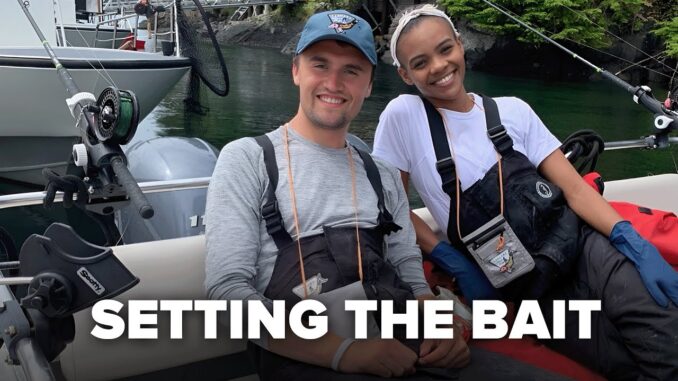
Owens began by describing a restorative trip to Wyoming, a place she calls her favorite state and a landscape tied to memories with Charlie Kirk. She described the last trip she took with him, and recalled smaller details that humanize Kirk: he loved hiking, hated fishing, and was always in motion. Those details are not incidental. Owens uses them to frame what, to her, is a stark contrast between the person she knew and the way his death was handled by people at Turning Point USA.
The viral clip of Mikey McCoy and the 834 millisecond question
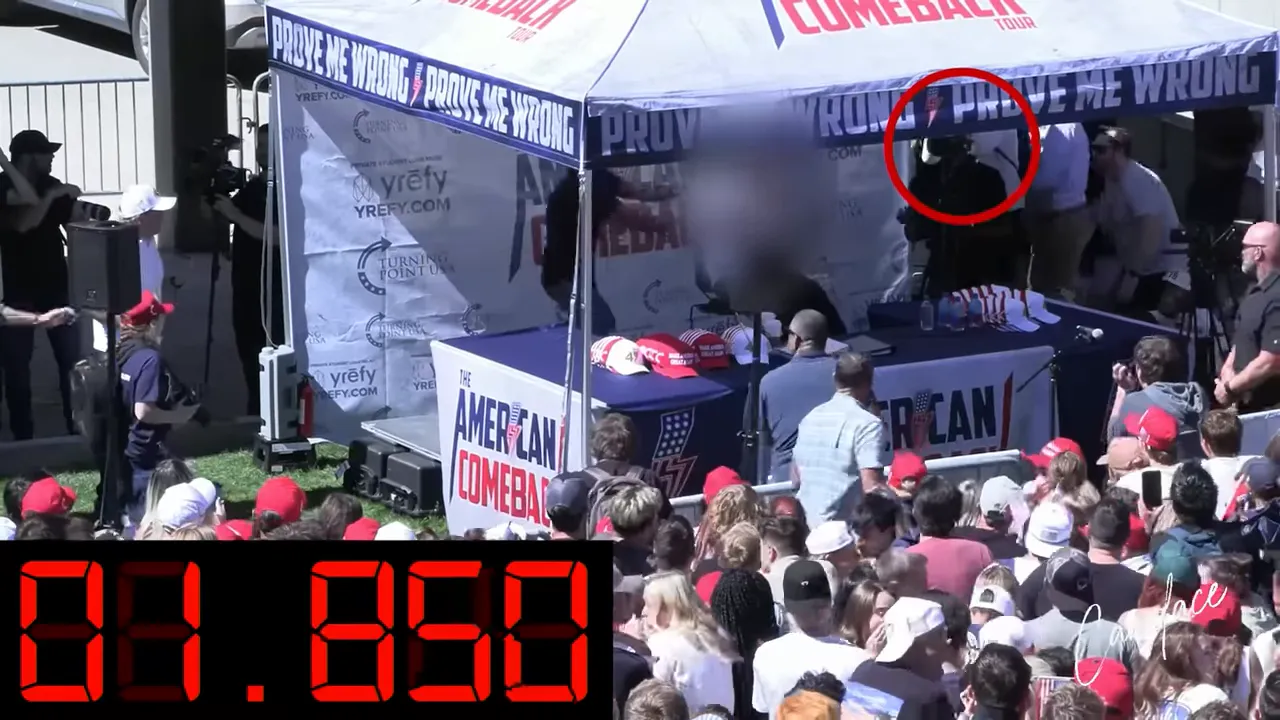
The centerpiece of Owens’s analysis is a viral clip of Mikey McCoy, the son of Pastor Rob McCoy and the chief of staff for Charlie Kirk. Owens slowed the footage and reported that it takes exactly 834 milliseconds from the sound of the shot to the moment McCoy places a phone to his ear. She argues that placing a phone to the ear in under a second could not be the result of dialing in the milliseconds after a shot, and she suggests the simpler explanation is that McCoy was already on the phone.
Owens walked through the chronology she and others compiled. They tracked McCoy from multiple camera angles, noting he appears on the opposite side of the tent a few seconds later still on a call. Owens then points to an earlier moment, about one minute and 45 seconds before the shooting, where McCoy appears to be attending to his phone again. The footage, she says, raises the question: who was on the line, and why has Turning Point USA not answered that basic query?
“The minute Charlie was shot, he called me,” said Pastor Rob McCoy in a public statement. Owens says the footage does not substantiate that depiction.
The camera guy, the selfie, and an early declaration
Owens then focused on the event camera operator. She says the camera operator, who had been brought in by Tyler Boyer, behaved in ways she found abnormal. Instead of sprinting for safety or rushing to assist Charlie Kirk, that operator ran a few yards away, took out his phone, and recorded a selfie-style video that begins with “they just shot Charlie, they just shot Charlie, they just shot Charlie.” In that selfie clip the camera operator says, “He’s dead, God help him,” a statement Owens calls premature and chilling.
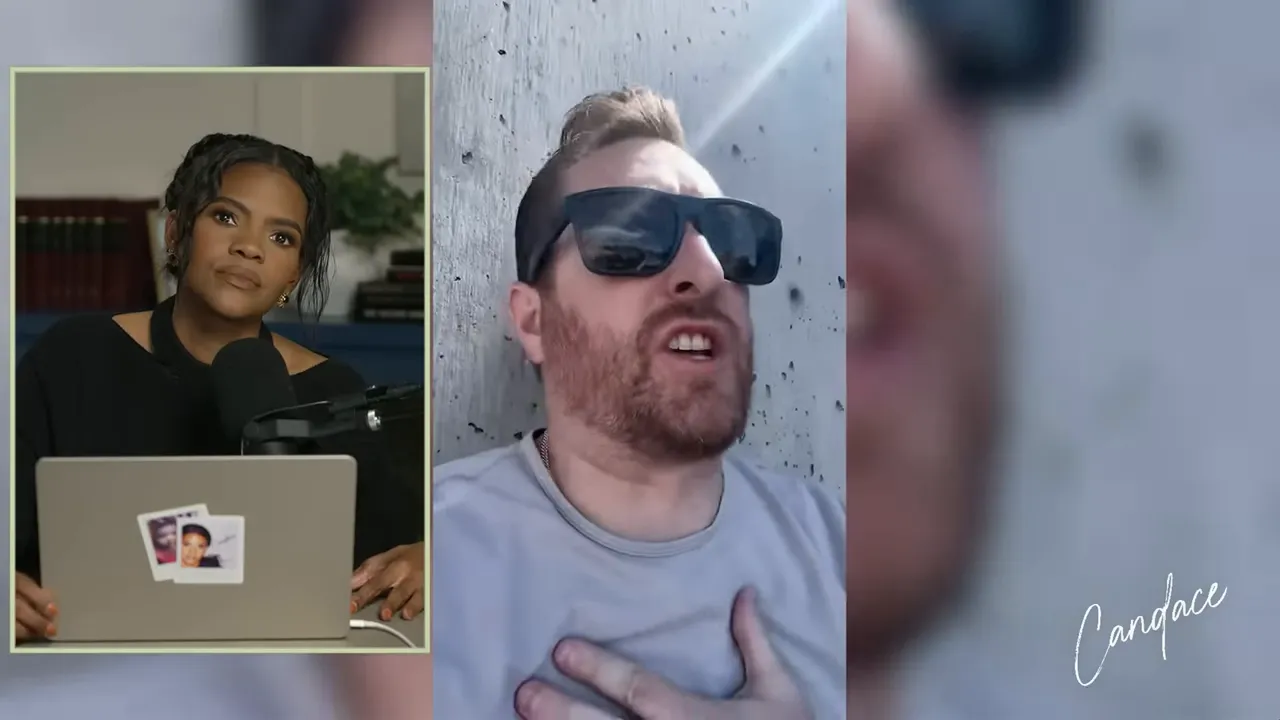
Owens contrasted that reaction with other people at the scene. She pointed out that some present acted conventionally, getting low, checking for further shots, or attempting to assist. The selfie video and McCoy’s measured movements, Owens argued, are not the reactions she would expect from people closest to Charlie Kirk, especially given the immediate chaos of the moment.
Requests for footage, contradictory explanations, and alleged lies
Owens says she personally sought the footage. She describes phone calls with the camera operator in which he gave inconsistent explanations for why the raw footage was taken down and why it had not been widely released. The reasons reported to her included concerns about the footage retraumatizing Charlie’s partner, legal review by Turning Point lawyers, difficulty sending large files, and an odd claim that Google hacking presented a risk if the footage were put online. Owens found the excuses implausible and has publicly asked Turning Point USA to produce call logs or release the footage.
Private texts from Charlie Kirk and a sense of foreboding
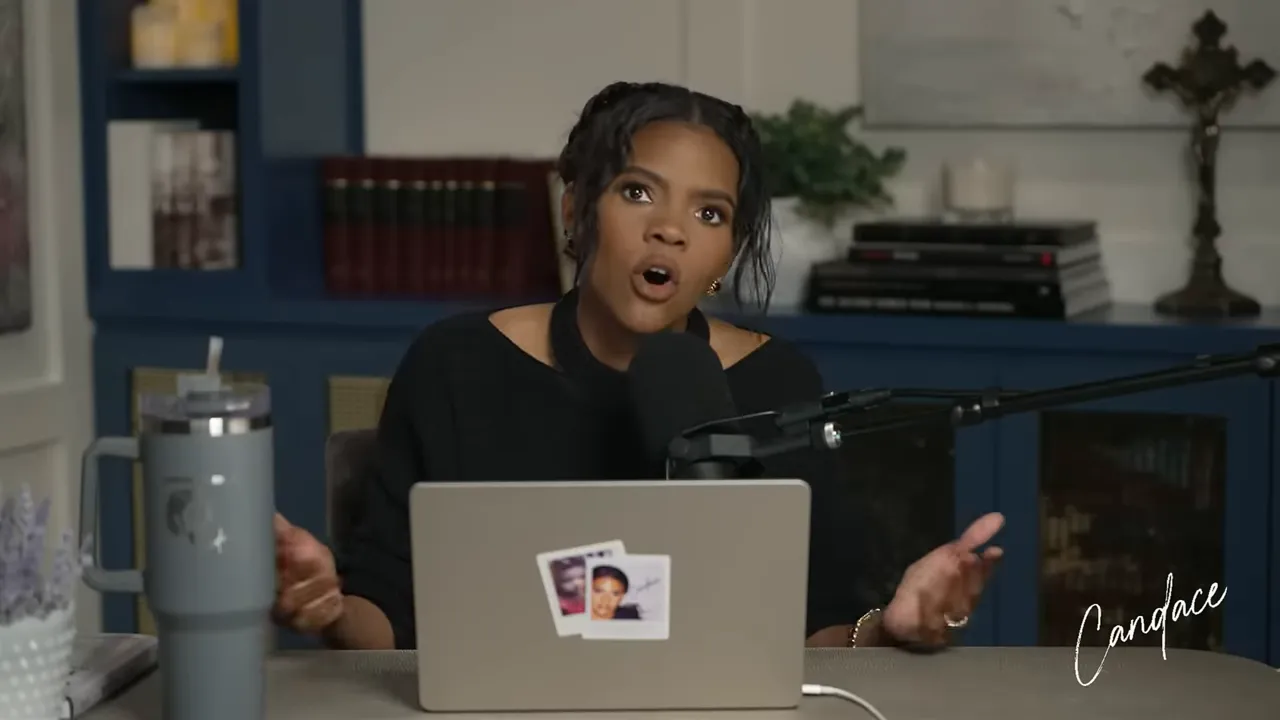
Owens also revealed private messages from Charlie Kirk dated April 6, 2018. In those messages Kirk described a prophetic sense that he might “not live to see the end of this revolution” and that since the beginning of Turning Point USA he had “dreamed about” being wiped out at any time. He wrote to Owens that she might be the piece God meant him to meet to finish the fight, and even used dramatic imagery: “I might be Moses though. I might not see this whole thing through. LMAO, if that is the case, be my David.”
These messages, according to Owens, are not only personal—they are part of why she maintains something more than a lone-shooter narrative may be at play. They frame Kirk as someone who had repeatedly told her he felt vulnerable and watched, and they help explain why Owens believes this is a spiritual as well as political struggle.
The wider reaction, investigations, and the “decentralization” of scrutiny
Owens credited independent researchers across social media for pushing the footage into public view. She named Sam Parker, James Lee, Ian Carroll, Zeb Boykin, and others who have compiled technical analyses of the video, ballistics, and search data. Owens described this decentralized network of investigators as vital, arguing that if official channels will not be transparent then crowdsourced scrutiny is the only alternative.
Calls to come clean, spiritual framing, and a promise to press on
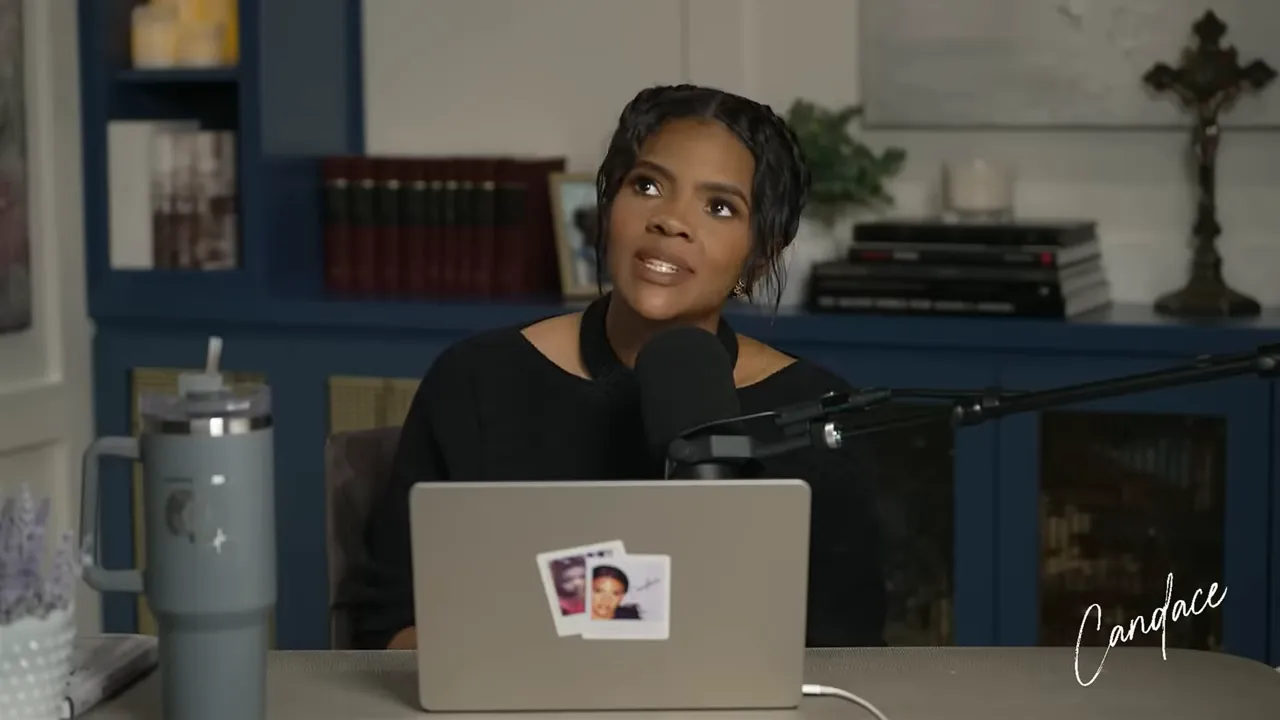
Throughout the segment Owens repeatedly called on people involved to “come clean.” She framed the situation in stark moral terms, drawing a line between those she calls agents of truth and those she says have chosen wrong. She urged anyone with knowledge to speak up, suggesting there is still an opportunity for redemption for some who were involved indirectly. Owens also described a vivid dream in which Charlie told her he had been betrayed, and she took that dream as further confirmation that events around his death warrant deeper investigation.
“There is more,” Owens said. “This is not it. I have picked my side. I don’t care about any of you. I’m going to be Charlie’s David.”
Accusations and context
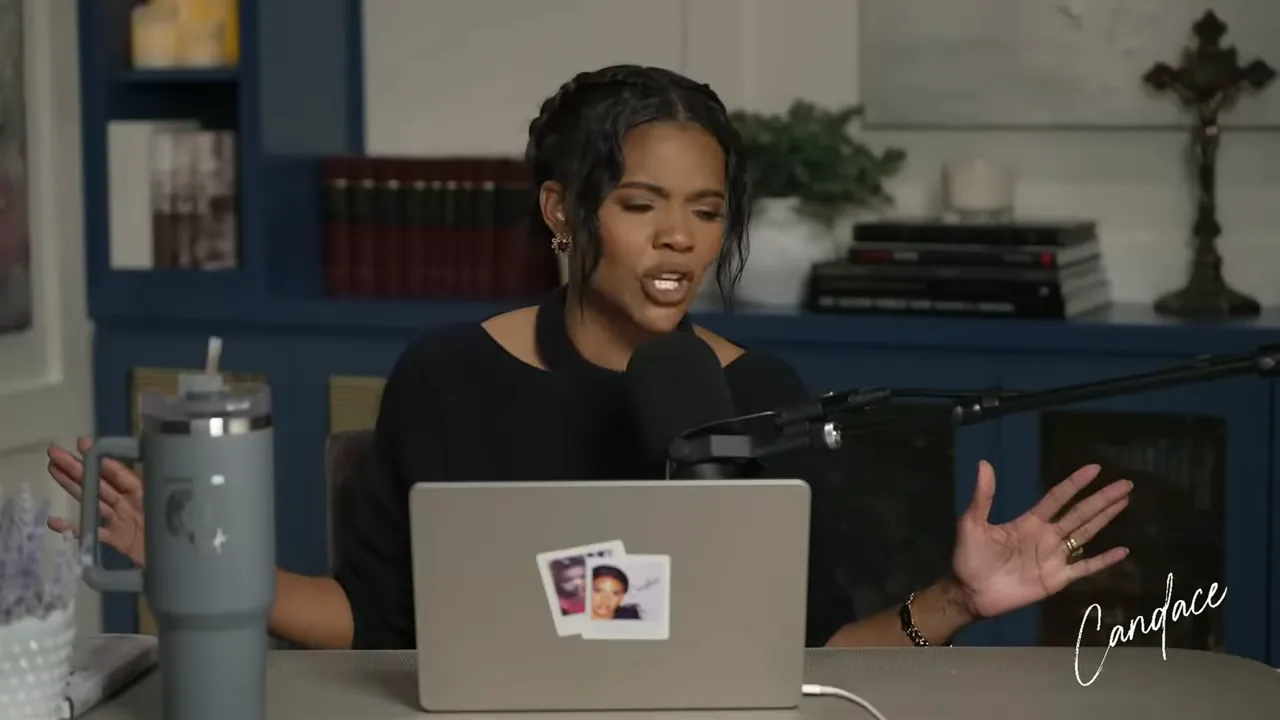
Owens did not hold back in criticizing people she sees as complicit or opportunistic. She called out public figures who she says misrepresented Charlie Kirk’s positions, and she described the immediate commercialization and messaging that followed his death as callous. One specific target was a commentator who continued to promote a book on the same day Kirk was killed, an action Owens described as emblematic of a broader problem.
What Owens wants next
- Release of all raw footage from the event, with timestamps
- Disclosure of phone logs for key staff who claim they were calling 911 or pastors
- Public answers about who the so-called “ops” in Arizona were and why they were monitoring a campus event
- Full cooperation with independent investigators and journalists willing to examine the evidence
Owens made clear she intends to keep pressing. “We do not know, no, but we know,” she repeated, using a phrase she has popularized, and she insisted that truth will out if people refuse to be silenced.
Final thoughts
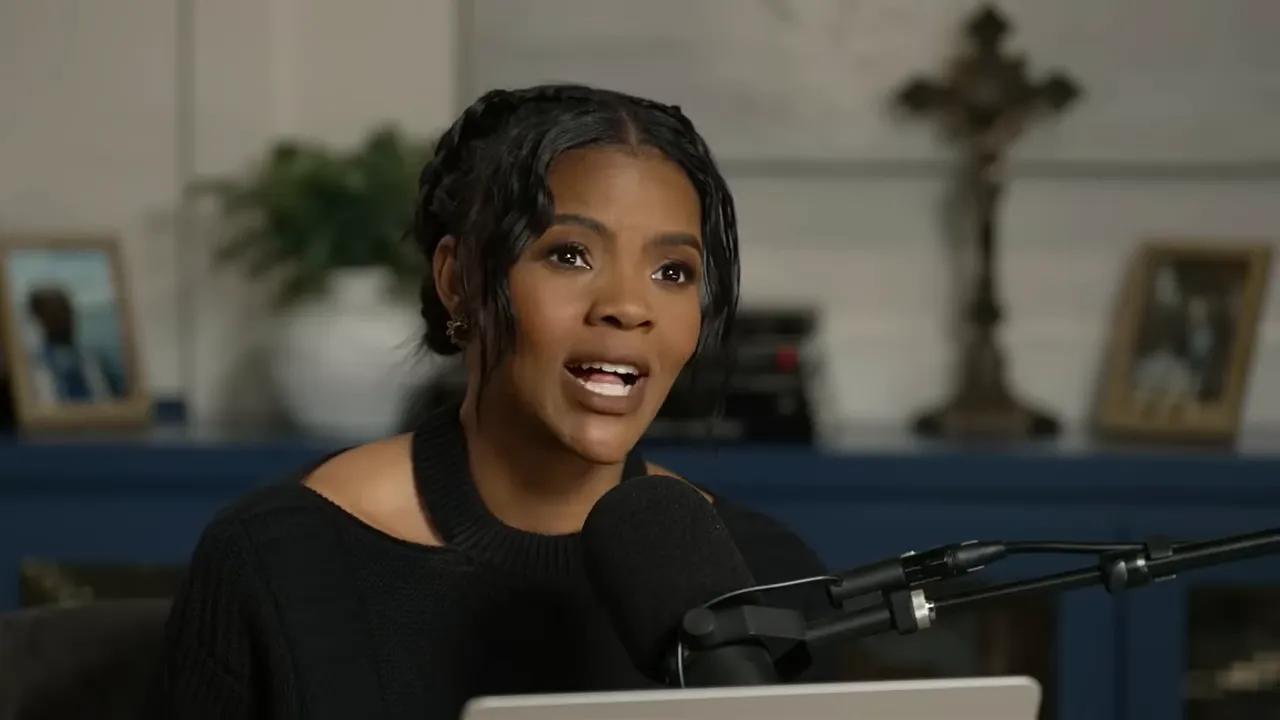
Candace Owens packaged the episode as a mix of forensic observation, private testimony, spiritual interpretation, and a direct challenge to institutions that have remained silent. Whether one accepts her full line of reasoning or not, the clip she highlighted, the questions she raised about timing and behavior at the event, and the private messages she shared have amplified calls for transparency around Charlie Kirk’s death.
Readers should note Owens’s repeated plea: if anyone has relevant information, now is the time to come forward.
Channel credit: Candace Owens
Adapted for readers by #teamHJB of ReelToRead.com — turning great videos into even better reads.


Be the first to comment