


Vice President Kamala Harris delivers a searing, candid account of the months that reshaped her public life and the country. In a wide-ranging conversation with The Diary Of A CEO, Harris reflects on the 107-day campaign that culminated in a stunning loss, the moments that still trouble her, and the lessons she has taken from running for the highest office. The conversation moves from personal origin stories to the mechanics of modern political warfare: media, misinformation, betrayal, and the calculus of whether to run again.
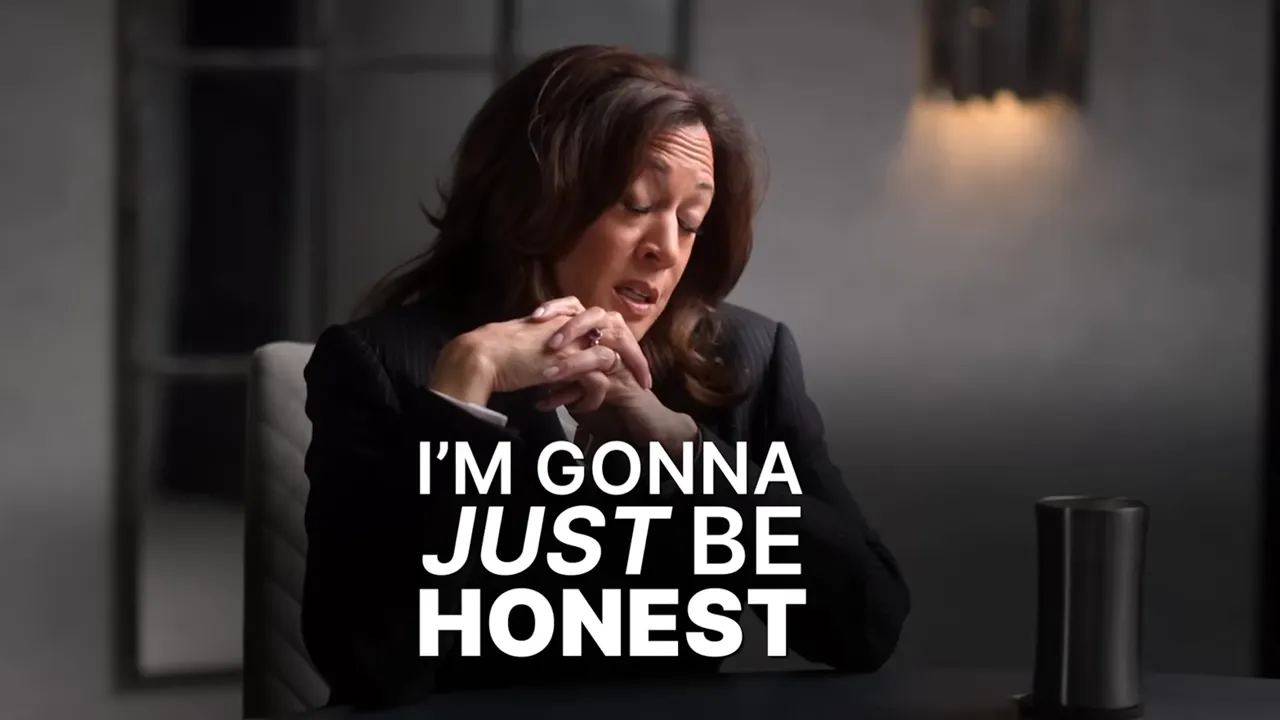
A candid reckoning: Biden, the debate and that unforgettable night
Harris does not shrink from hard truths. She says there were times when President Joe Biden “greatly disappointed” and even angered her. One moment she recounts, in particular, was a phone call on the morning of her debate with Donald Trump. Harris expected a pep talk. Instead the call focused on petty complaints, leaving her convinced the motivation was self-centered. “My takeaway is his motivation was all about himself,” she says.
“I was in a state of shock… other than the grief I felt when my mother died.”
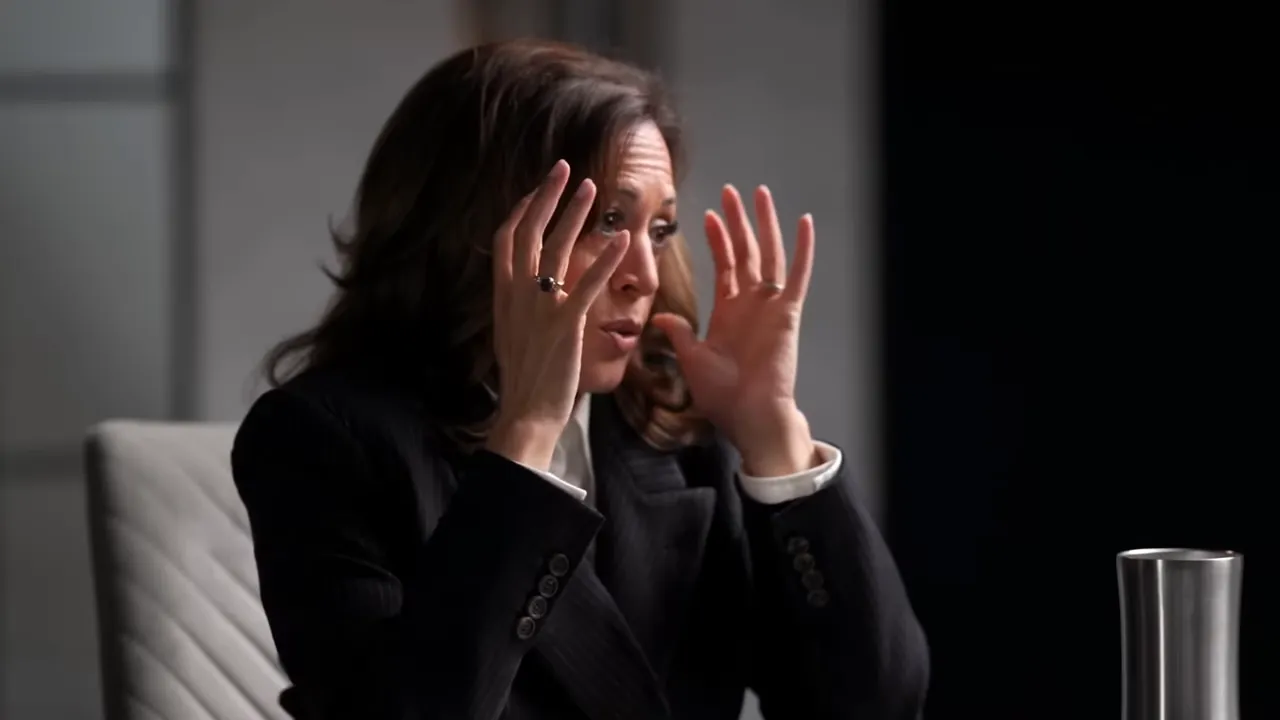
Those words describe the night the election results came in. Harris remembers the instant the map made clear what would happen. Her account centers not on personal defeat, but on consequences for ordinary people: the loss of protections, attacks on vulnerable communities, and the acceleration of a decades-long political strategy now being implemented at high velocity.
An upbringing of service that shaped a career
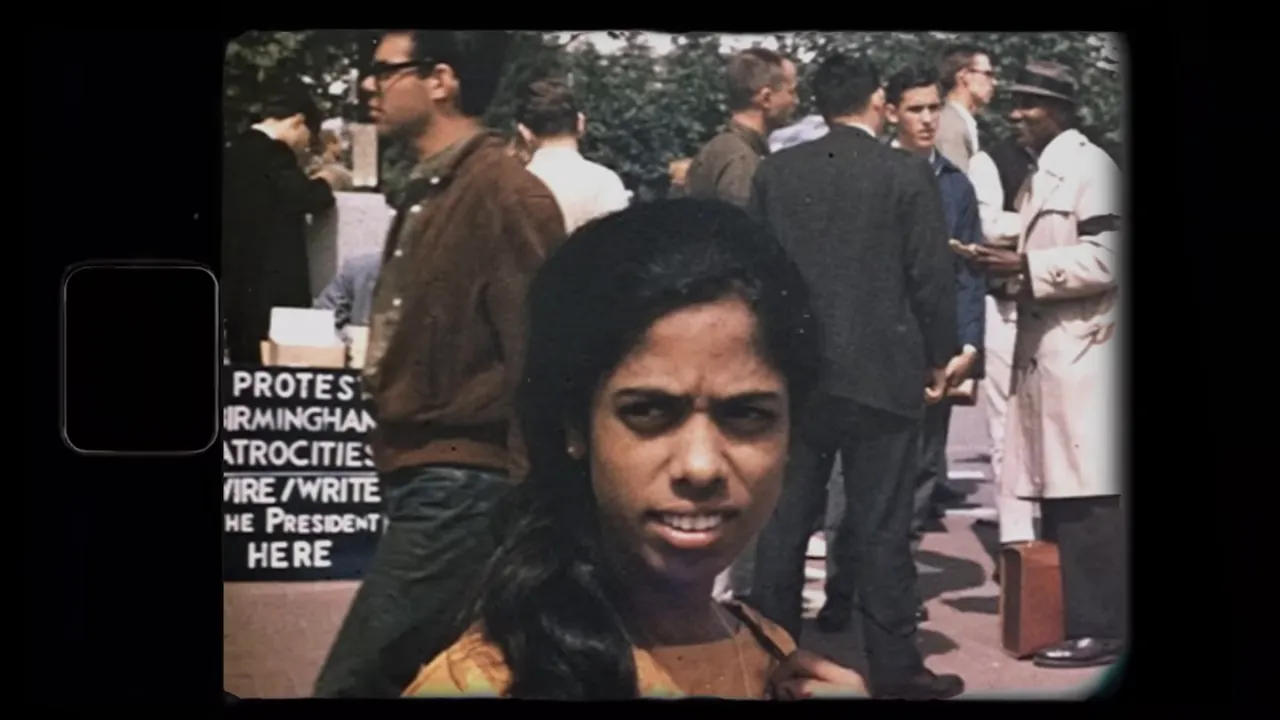
Harris traces her instincts for public service to a household and community steeped in the civil rights era. Her mother arrived in the United States from India at 19 and threw herself into activism in Berkeley and Oakland; her father came from Jamaica as a national scholar. The message Harris received as a child was simple: you matter and you must participate. That ethic informed a career choice that placed public protection ahead of private gain.
From prosecutor to national leader: firsts and reforms
Harris rose from deputy district attorney to California Attorney General and U.S. Senator, breaking barriers as the first woman and first Black person to hold several posts. She highlights specific achievements—directing billions in homeowner relief after the 2008 crisis, launching rehabilitation programs, and pushing California to mandate body cameras for law enforcement. Those accomplishments, she notes, were substantive steps taken to protect dignity and safety for people across the state.
The hardest parts of the job and how she copes
Prosecuting child sexual assault and homicide cases left deep emotional scars. Harris describes moments when justice felt out of reach—cases where children were too young to testify and juries lacked sufficient evidence. To handle the pressure, she relies on steady routines: daily exercise, relentless preparation, and a perfectionist sense of responsibility. Even so, the moral weight of decisions never fully lightens.

How she learned to carry herself: tools for credibility
Harris offers practical advice for anyone entering rooms where they may be underestimated: walk in with your chin up and shoulders back, remember the people who believed in you, and know conceptually what you want to say. She emphasizes measured speech, logical deconstruction of complex topics, and a respect for appearance as a reflection of dignity. Those are not superficial rules; they are tools that helped her earn respect in courtrooms and global diplomatic rooms alike.
Debate strategy and the power of misdirection
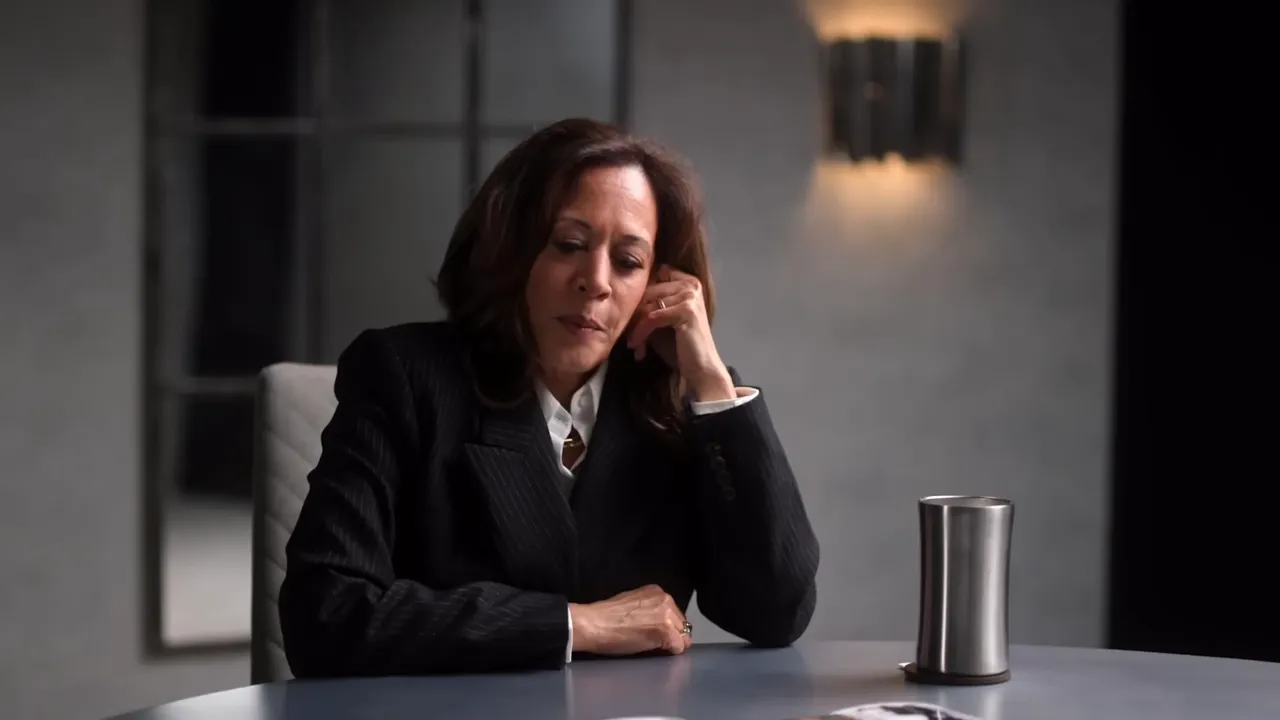
Harris pulls back the curtain on the debate preparation that became an unexpected stage for political theater. She describes “debate camp” where actors played opponents to sharpen responses. Her approach on stage was simple: find the humor and enjoy the contest. She famously wrote a smiley face on her debate notes to remind herself to have fun and look unflappable.
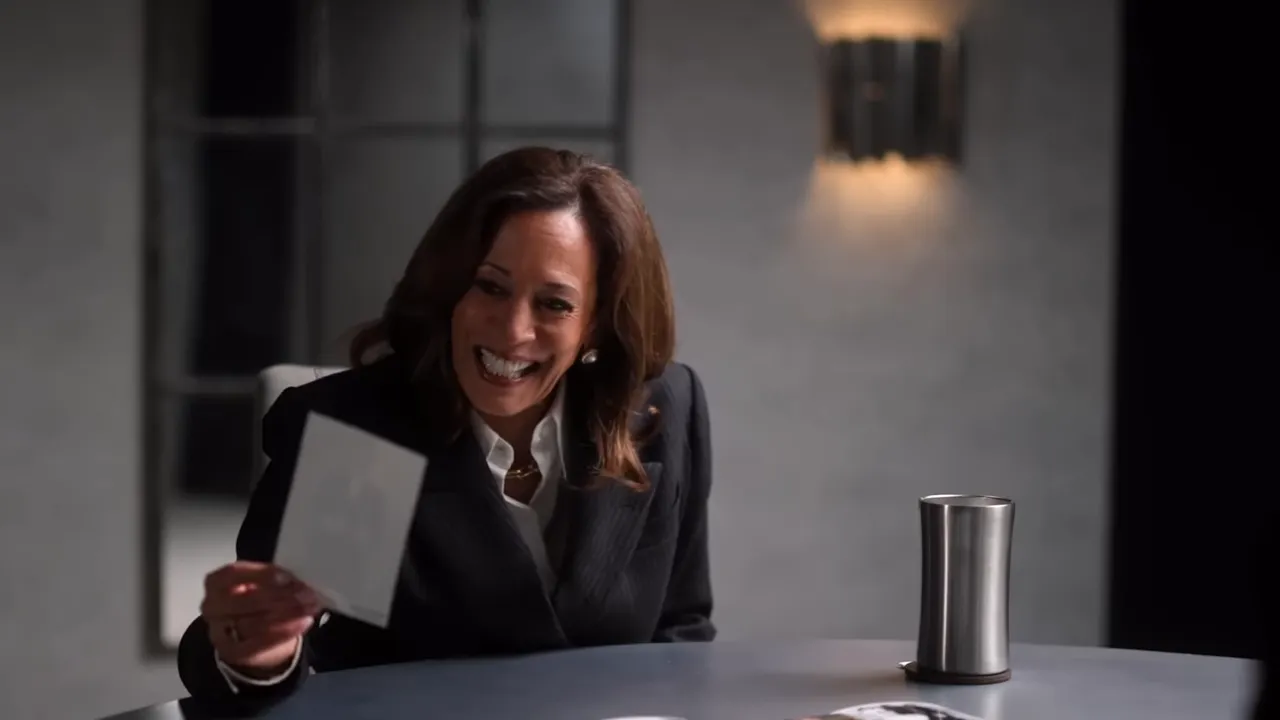
She also explains a fundamental lesson about modern political messaging: outrageous absurdity often drowns out practical policy. When opponents lead with shocking or emotional claims, the press and public can fixate on the spectacle instead of policy. In Harris’s words, “say the outrageous thing, then everyone is going to focus on that outrageous thing.” The result is misdirection—attention on the absurd, not the agenda that impacts working families.
Behind the scenes: loyalty, staff dynamics, and being dimmed
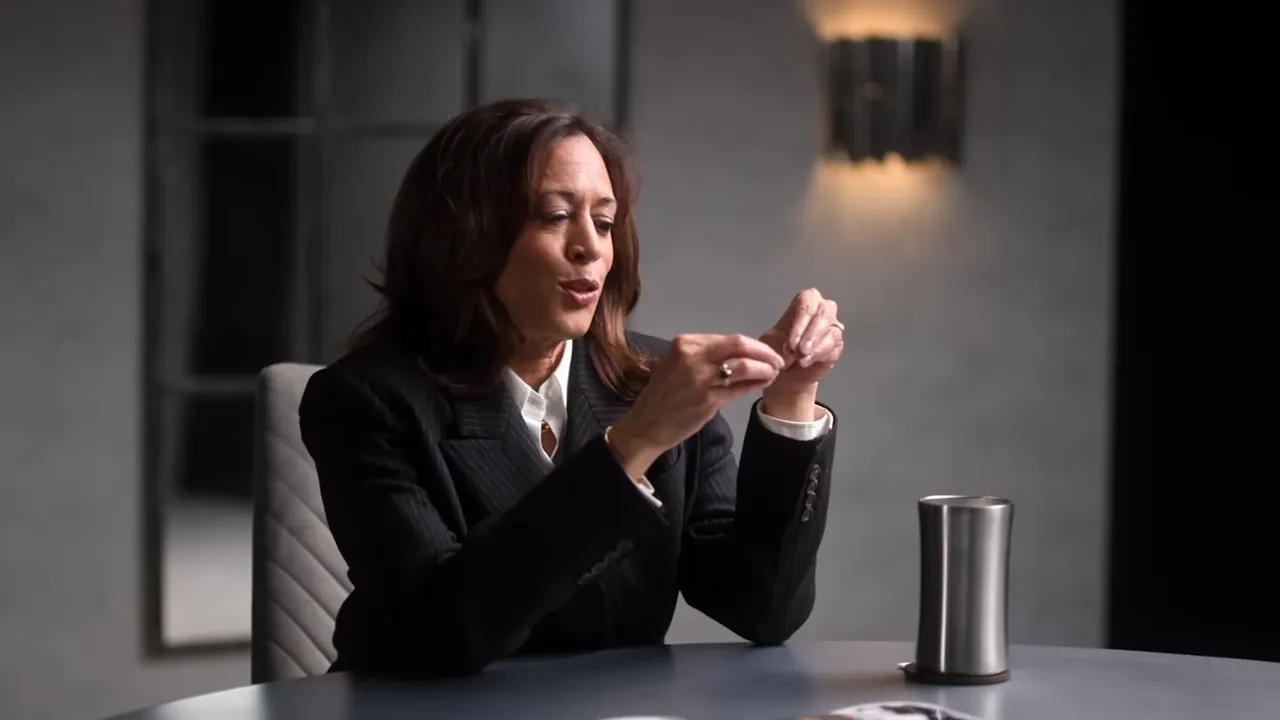
Harris explores an uncomfortable internal truth about power dynamics. After joining the ticket, she felt compelled to continually prove loyalty. Worse, she writes that some members of the president’s staff allowed or amplified negative narratives about her. That lack of defense—and even active suppression of her accomplishments—was, she says, counterproductive and short-sighted. “If you were shining, then Joe Biden was dimmed,” she notes, explaining a zero-sum mentality at play.
Podcasts, independent media, and missed opportunities
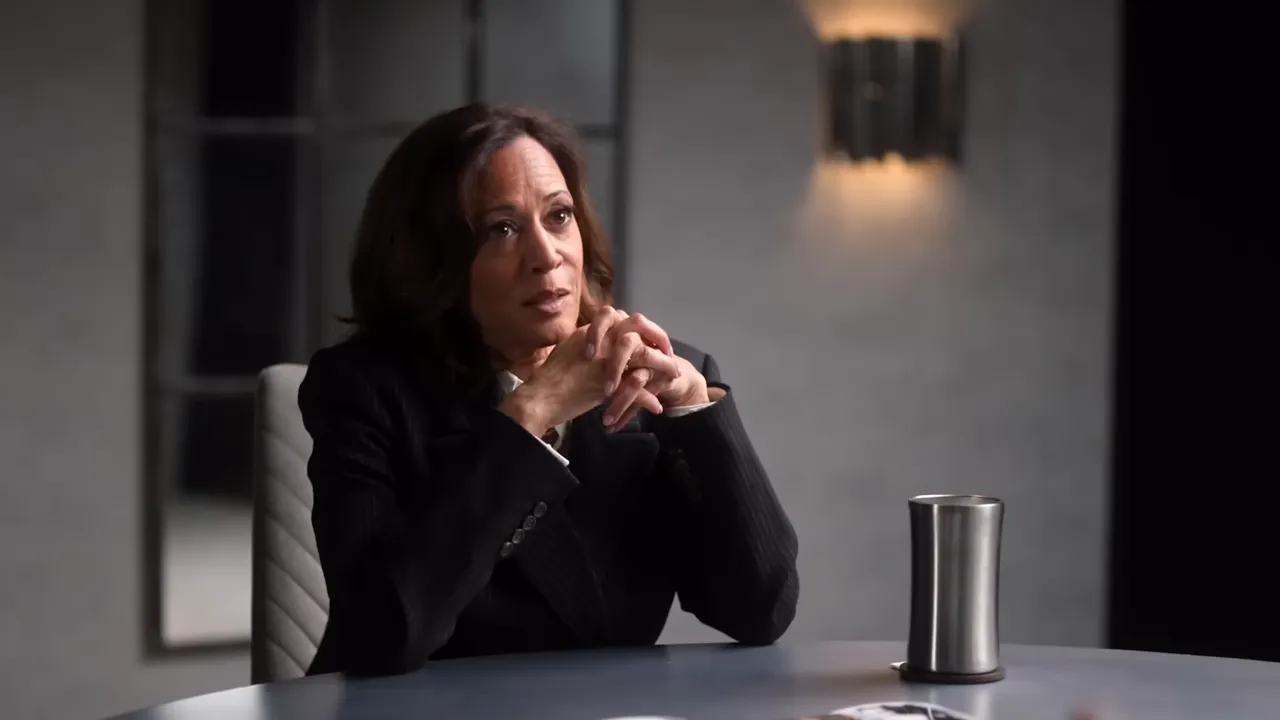
Harris explains why she wanted to appear on more nontraditional platforms. She believed in the power of long-form conversations to let people get to know candidates beyond soundbites. She regrets not appearing on Joe Rogan’s show during the campaign and says scheduling and strategic trade-offs prevented it. Her perspective is practical: a campaign must balance time and expected voter impact, but she recognizes the modern media landscape has shifted the distribution of influence.
Misinformation, neuroscience, and the emotional brain
Harris brings a stark analysis: emotional stories land deeper than facts. Drawing on conversations with neuroscientists, she explains that the amygdala—the brain’s emotional center—retains memorable emotional content far more reliably than dry statistics from the prefrontal cortex. That is why inflammatory labels, fear-based anecdotes, and dramatic lies can be so effective. Her prescription includes demanding more accountability from social platforms and media companies and investing in communication that meets people where they are emotionally and informationally.
What Democrats must do: policy, engagement, and a generational strategy
Looking inward, Harris argues for a clearer, bolder message from Democrats. She says she would have led with a family policy agenda first: extensions of the child tax credit, affordable child care, paid family leave, Medicare reform for home health care, and meaningful support for small business startups. She also advocates for structural moves to expand civic power: reduce the voting age to 16 to capture Gen Z engagement and invest in the communities that feel left behind.
The question of another run: calculus and cost
Harris is candid about the toll a presidential campaign exacts. Running for office is not only a political calculation but a family decision. She says the case for running again hinges on whether she can make a demonstrable difference and lift the country onto a better trajectory. The case against running is real: physical and emotional strain, the high likelihood of misunderstanding and even hatred, and the risk to family life. For now, she will make a decision within the coming year.
Personal anchor: family, grief, and what sustains her
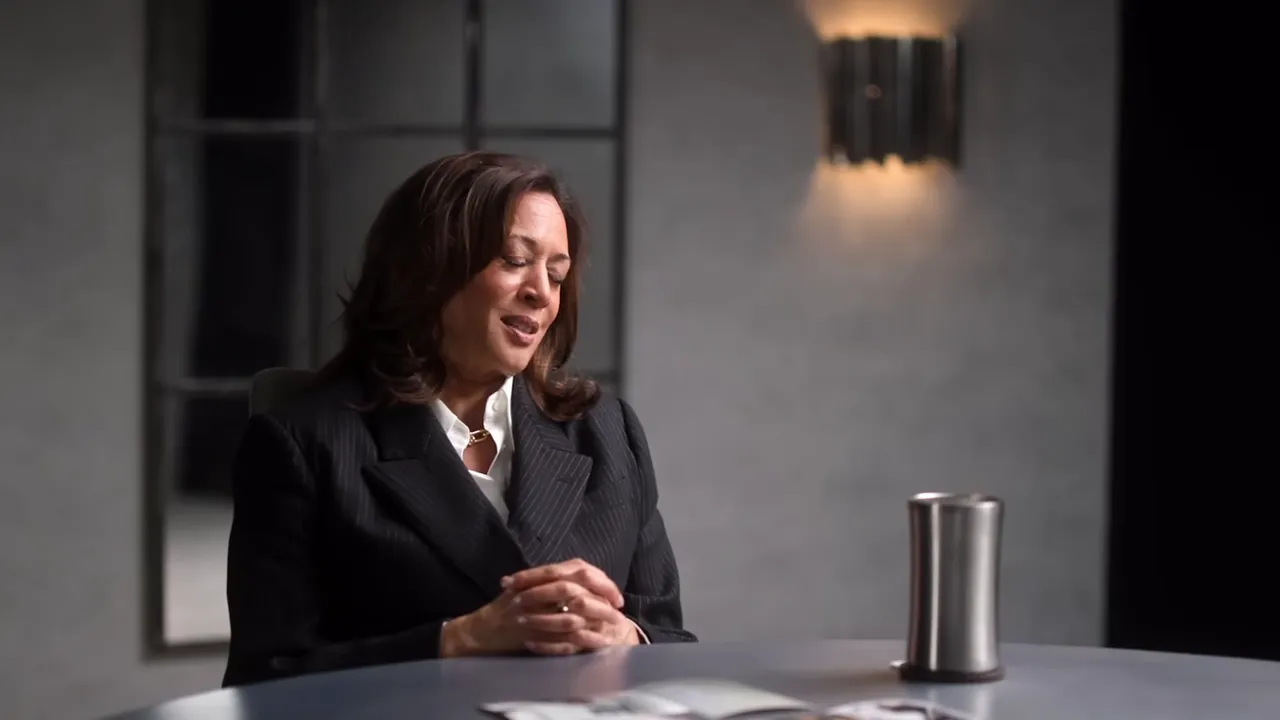
Throughout the conversation, Harris returns to her private supports. Her husband, Doug Emhoff, is a constant anchor. She also revisits the memory of her mother, who died years earlier. Harris describes grief as a parallel to the shock she felt after the election and acknowledges the cathartic role writing has played in processing those emotions. Her closing message is an appeal for resilience: keep the spirit of civic engagement alive, because sometimes the fight takes time.
Final takeaways
- Political success requires both policy clarity and an emotional narrative that connects with voters.
- Outrage-driven messaging can drown out practical proposals; countering it requires relentless focus and better information ecosystems.
- Internal dynamics and staff behavior matter; suppressing capable leaders is short-sighted for any campaign.
- Public service is rooted in personal history and community support. Leaders rely on a small, trusted circle to weather public life.
Credit: The Diary Of A CEO
Adapted for readers by #teamHJB of ReelToRead.com — turning great videos into even better reads.


Be the first to comment